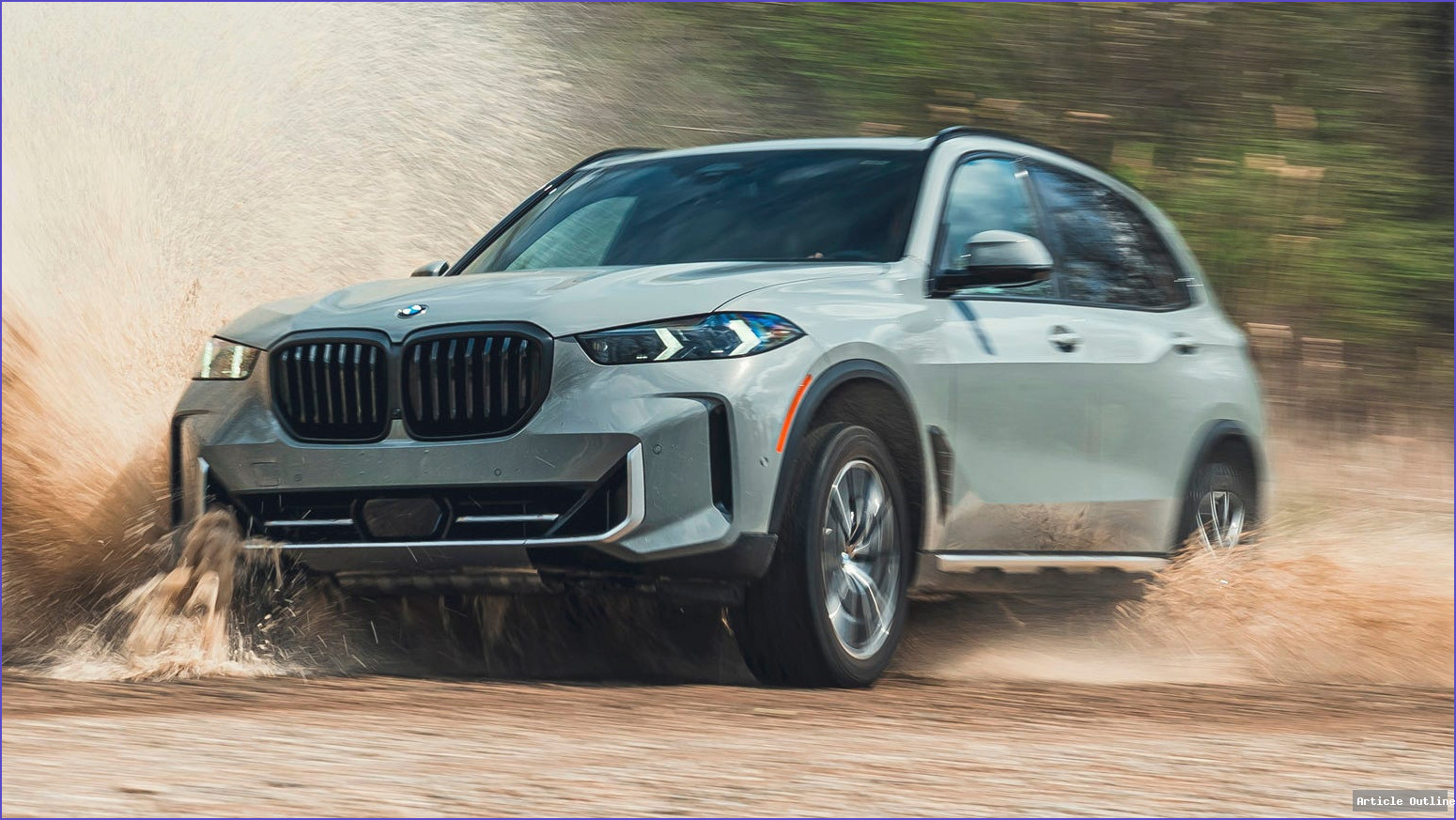
The automotive world is abuzz with the news that BMW has reportedly pulled the plug on its rumored X5-based off-roader, codenamed G74—a model that never saw the light of day, yet has sparked plenty of debate. For fans dreaming of a Bavarian answer to the Mercedes G-Wagen or Land Rover Range Rover, this is a gut punch. But beyond the disappointment, the story offers a fascinating window into the high-stakes chess game of luxury automakers.
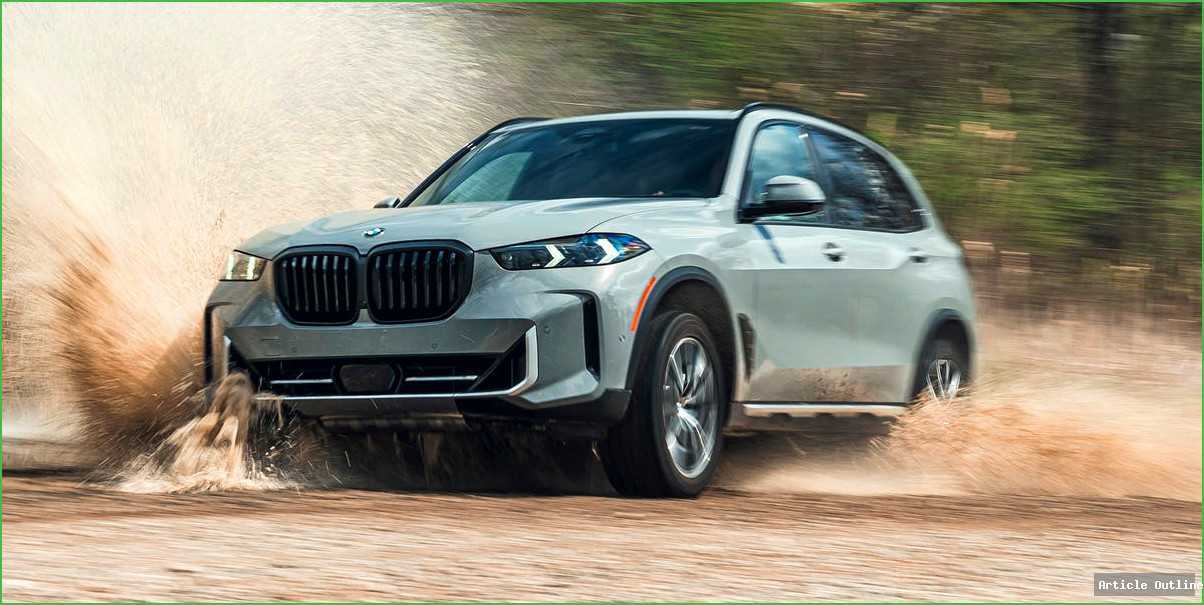
So, what does BMW’s retreat from the luxury off-road segment really mean for the industry—and for the enthusiasts who crave both badge prestige and muddy boots?
Why This Matters
- Luxury off-roaders are a rare breed. The Mercedes G-Class and Land Rover Range Rover have defined this niche for decades, blending opulence with go-anywhere brawn. BMW’s absence may signal just how tough (and small) this segment is.
- It highlights the razor-thin margins and big risks in the luxury SUV market. Developing a new platform requires huge investment. If the customer base is limited, even a giant like BMW thinks twice.
- Electrification and global regulations are changing priorities. As BMW pivots towards EVs, niche combustion-powered projects are easier to cut.
What Most People Miss
- BMW never officially confirmed the project—or its cancellation. This means the company is keeping its cards close to its chest, possibly leaving the door open for future, more electrified off-road concepts.
- The X5-based platform was already flexible. Building a rugged, three-row off-roader on it would have minimized development costs compared to starting from scratch—yet even that wasn’t enough to justify the project.
- Inspiration allegedly came from testing the Rivian R1T. BMW’s engineers were clearly curious about how startups are disrupting the adventure-luxury market.
Key Takeaways
- The luxury off-road market is fiercely loyal and slow to change. G-Wagen and Range Rover dominate, making it tough for newcomers—even with a BMW badge.
- BMW is doubling down on high-volume, electrified SUVs. Expect more innovations in the iX and X5 lines rather than niche combustion off-roaders.
- The dream of a BMW mud-plugger isn’t dead—but it’s on ice until market conditions change.
Industry Context: How Does BMW’s Move Stack Up?
- Mercedes G-Class sales are up 9% in 2023, proving enduring demand for old-school luxury 4x4s—but volumes are still a fraction of mainstream SUVs.
- Land Rover is electrifying its lineup, but the Range Rover still sells on tradition and prestige, not sheer innovation.
- Rivian and other EV startups are attracting adventure buyers with a high-tech twist, but face their own profitability challenges.
Pros and Cons of BMW Not Entering the Segment
- Pros: Conserves R&D resources, avoids risky low-volume segment, focuses on core models and electrification.
- Cons: Misses out on branding halo effect, leaves G-Wagen/Range Rover duopoly unchallenged, disappoints brand loyalists who want a rugged BMW.
The Bottom Line
BMW’s decision to scrap its G-Wagen competitor is a savvy—if slightly sad—reminder that even in the luxury world, emotion and aspiration must bow to the brutal math of market demand. If you crave a luxury off-roader, you’ll still be looking to Stuttgart or Solihull for the foreseeable future. But don’t count BMW out forever. As electrification matures and consumer tastes shift, the dream of a Bavarian tank might just roar back to life in a new, greener form.