The automotive world is racing toward electrification, but BMW just threw petrolheads a lifeline. In a move that bucks the all-electric narrative, BMW confirmed its fifth-generation X5 will still feature a V-8 engine—even as it debuts on the cutting-edge Neue Klasse platform.
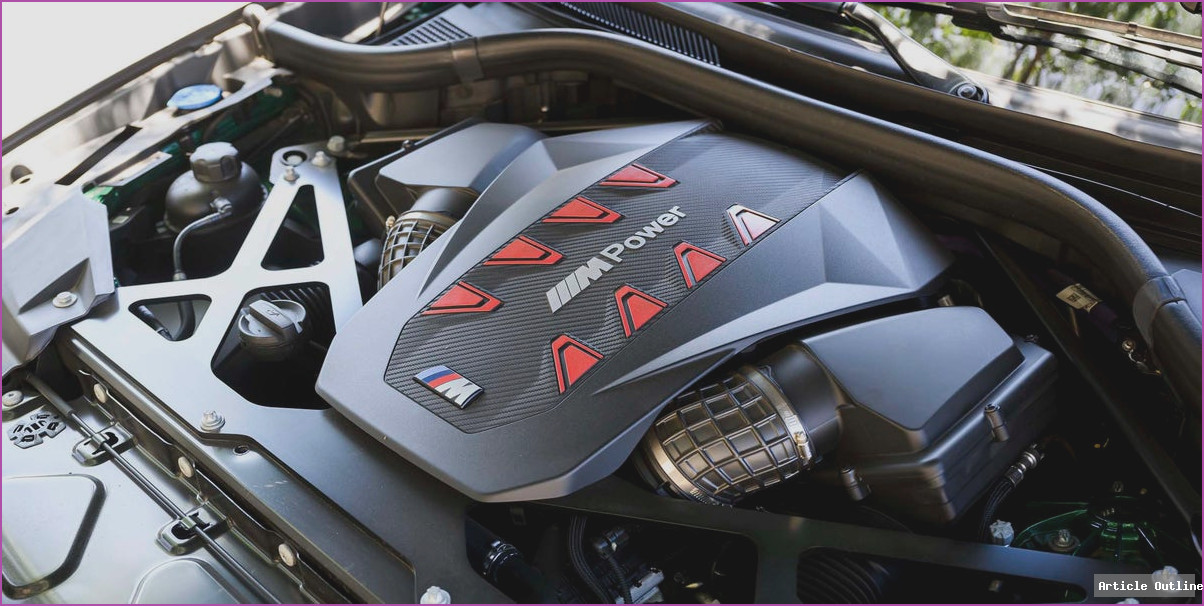
This isn’t just about horsepower. It’s about the soul of driving, the sound of a V-8, and BMW’s willingness to blend tradition with the future. Here’s why this announcement matters, what most people are missing, and what it signals for performance SUVs everywhere.
Why This Matters
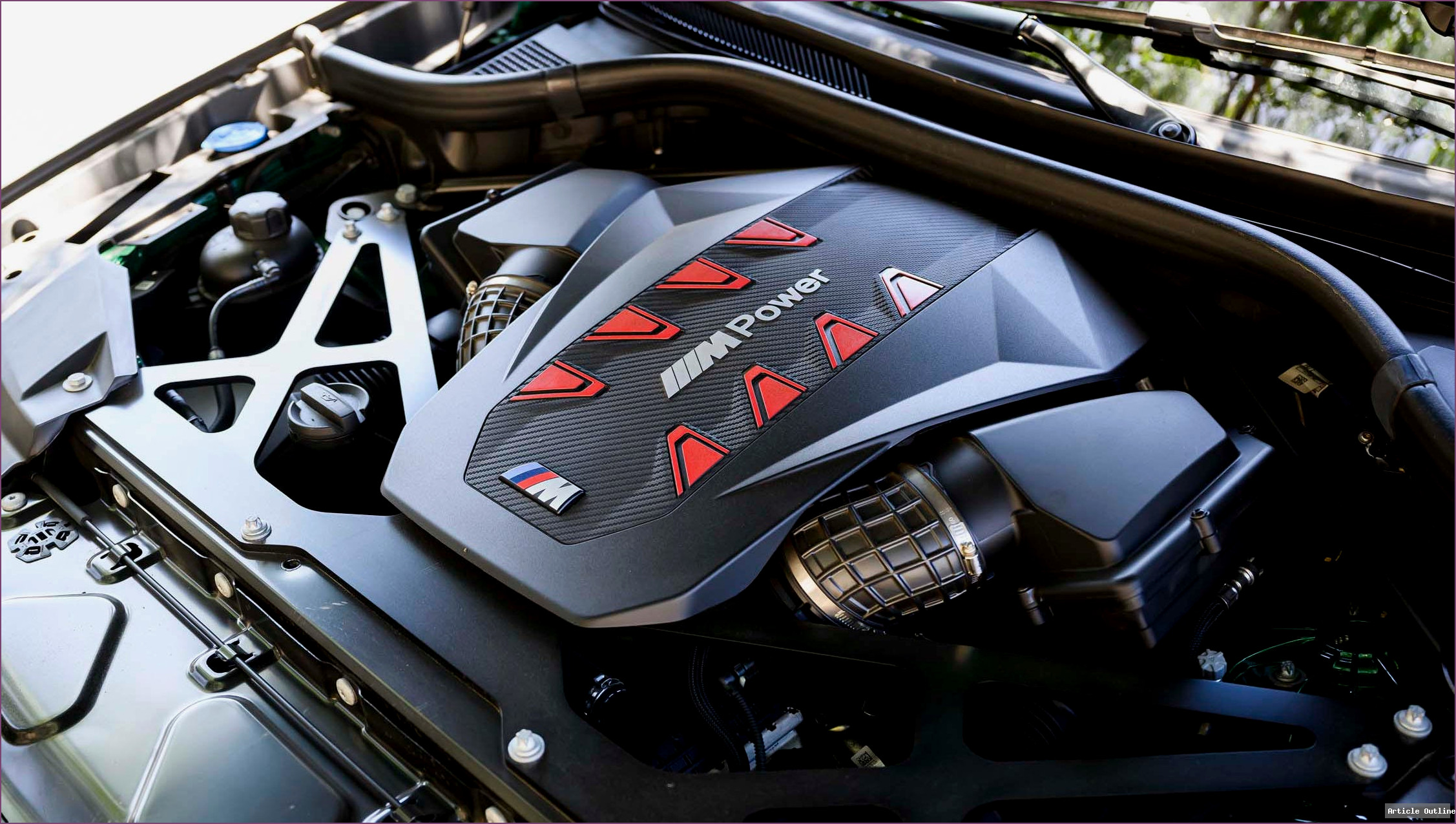
- The V-8 isn’t dead yet: As more automakers axe big-displacement engines in favor of electrification, BMW’s commitment to offering a V-8 in its flagship SUV is a statement of intent. It means enthusiasts won’t have to say goodbye to that iconic roar—at least not yet.
- Neue Klasse platform flexibility: BMW’s new architecture, designed primarily for electric powertrains, still accommodates gas and hybrid engines. This signals BMW’s pragmatic approach: electrify where it makes sense, but don’t alienate core fans.
- Performance hybrid as a bridge: The new M Performance X5 may blend V-8 muscle with plug-in hybrid tech, offering both power and (some) green cred. For now, the future of the full X5 M remains uncertain, but the door isn’t closed.
Key Takeaways
- BMW’s fifth-gen X5 will offer a V-8-powered M Performance model, likely an M60, not a full X5 M—yet.
- The Neue Klasse is a true multi-powertrain platform, flexible enough for gas, hybrid, and electric drivetrains.
- Current X5 M: 4.4-liter twin-turbo V-8, 617 hp, 553 lb-ft, mild hybrid system. Expect evolution, not revolution.
- Electric X5 M (possibly iX5 M) is rumored, but no confirmation yet.
What Most People Miss
- Platform strategy is everything: While the Neue Klasse is touted as ‘EV-first’, BMW’s real play is hedging: keep ICE loyalists happy while building out EV tech. This dual-track approach could pay off big as global markets move at different speeds.
- Hybrid V-8s could be the new normal: With emissions tightening, expect more performance SUVs to use electrified V-8s—not as a compromise, but as an evolution. The X5’s next V-8 may be the most powerful (and efficient) yet.
- SUV coupe trend at a crossroads: The X6 and X6 M’s fate is unclear. Was the coupe-SUV craze a moment or a movement? BMW’s decision here could set the tone for the segment.
Industry Context & Comparisons
- Mercedes-Benz GLE/GLE 63: Still offers V-8 power, but with increasing hybridization. Will Mercedes follow BMW’s lead or phase out ICE sooner?
- Range Rover Sport: Offers V-8 and plug-in hybrid options, but the brand is moving quickly toward electrification.
- Global trends: Europe’s 2035 internal combustion ban looms, but U.S. buyers still crave performance and sound. BMW’s approach keeps options open.
Timeline: BMW X5 Powertrain Evolution
- First-gen X5 (1999): Inline-6s and V-8s lead the range.
- Third-gen (2014): First plug-in hybrid X5 debuts.
- Current-gen (2019-2026): M50i/M60i, X5 M (twin-turbo V-8, mild hybrid), first all-electric iX5 pilot.
- Fifth-gen (2027+): Neue Klasse, confirmed V-8, hybrid, and full EV versions.
Pros & Cons: BMW’s Multi-Powertrain Strategy
- Pros:
- Keeps enthusiast base engaged
- Maximizes platform investment
- Flexibility to react to regulatory changes
- Cons:
- Potentially higher development costs
- Risk of “jack of all trades, master of none” perception
“BMW’s decision to retain the V-8 in its flagship SUV is more than nostalgia—it’s a bet that the transition to EVs will be a marathon, not a sprint.”
The Bottom Line
BMW isn’t just keeping the V-8 alive—they’re evolving it for a new era. The fifth-generation X5 will offer one of the most diverse powertrain lineups on the market. For fans of performance, sound, and versatility, this is a win. For industry watchers, it’s a fascinating case study in balancing tradition, regulation, and innovation. The V-8’s days may be numbered, but for now, the party isn’t over—and BMW is still your DJ.