If you think the electric vehicle revolution has plateaued, think again. BMW’s new i3 prototype isn’t just another EV — it’s a technological leap, especially when the rubber (or studded tires) meets the ice. With the global market for electric sedans heating up and climate extremes becoming the new normal, BMW is betting on its latest platform and in-house tech to not only stay ahead but redefine what drivers expect from electric cars in extreme conditions.
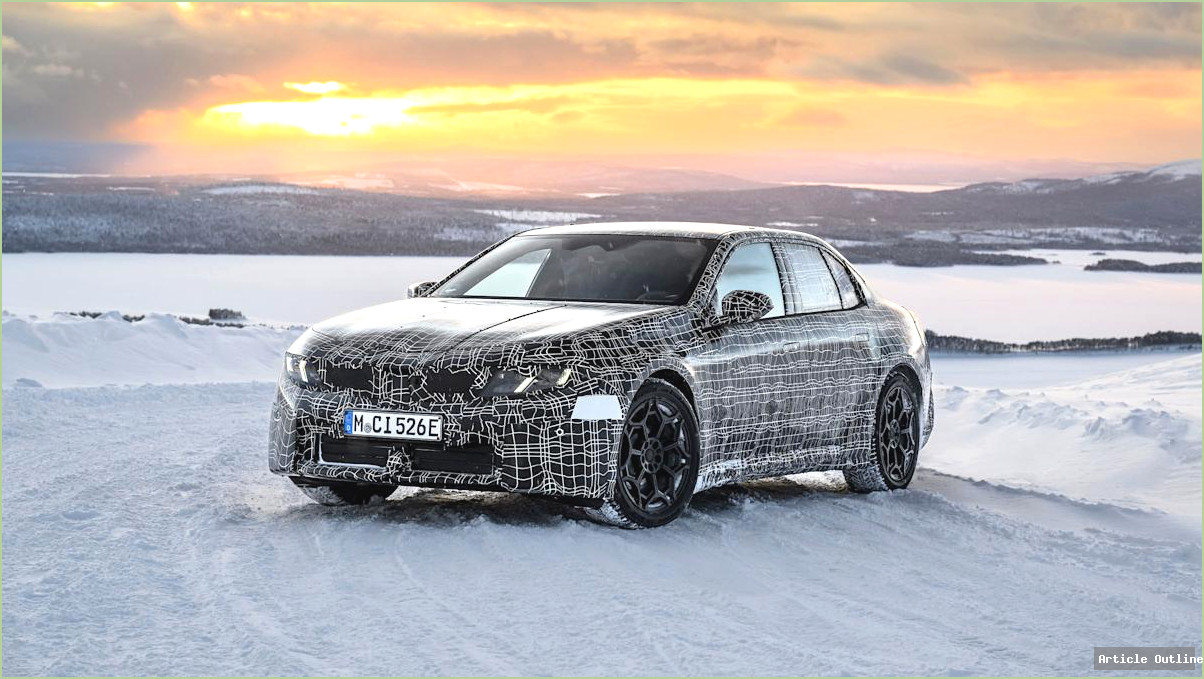
After a hands-on day sliding through the Swedish wilds, it’s clear: this is more than a mere update to the i3 badge. Let’s break down why this matters, what most people are missing, and what BMW’s bold new direction could mean for the industry and consumers alike.
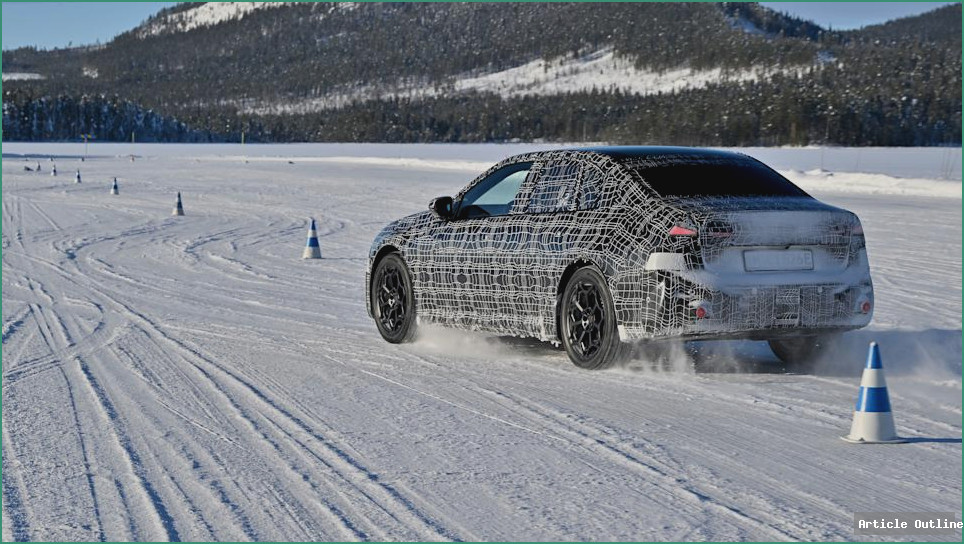
Why This Matters
- BMW’s ‘Neue Klasse’ platform is a clean-sheet rethink: It’s not just about electrification — it’s about smarter, lighter, faster, and more connected vehicles. This matters as EVs face mounting challenges from tariffs, changing incentives, and growing global competition.
- BMW’s in-house ‘Heart of Joy’ tech is a game-changer for safety and driving dynamics: By integrating the control of brakes, stability, and motors into one powerful system, BMW isn’t just making an EV — they’re engineering a driver’s car for the digital age.
- Extreme-weather performance isn’t just a party trick: With the i3 prototype handling glare ice with grace (and a little drift), BMW is targeting markets where winter performance is non-negotiable. This could be a deciding factor for buyers in North America, Europe, and Asia.
What Most People Miss
- The new i3 is not a hatchback — it’s a sedan aimed at BMW’s 3 Series loyalists. This is a deliberate move to slot EVs firmly into BMW’s core lineup, not just as a niche experiment.
- Cell-to-pack battery architecture: This makes the battery smaller, lighter, and more energy-dense, helping to reduce costs (a key barrier to mass EV adoption) and improve performance.
- Panoramic Vision display: This windshield-spanning HUD is more than a gimmick — it’s a preview of how digital interfaces will dominate car interiors, for better or worse. The move away from physical controls (like the beloved iDrive knob) signals a broader industry trend toward touch and voice-based interfaces.
Key Takeaways
- BMW is doubling down on EVs with tech-forward, driver-centric features that stand out in a crowded market.
- In-house integration of safety and performance systems is the next battleground for automakers. Expect more brands to follow suit as chip shortages and supply chain chaos drive companies to reduce reliance on third parties.
- Winter performance could become a headline spec for EVs. If BMW can deliver on the promise shown in Sweden, it sets a new benchmark for rivals — and reassures buyers worried about EVs in cold climates.
Industry Context & Comparisons
- EV Growth: Global EV sales reached 14 million units in 2023, up 35% year-over-year (IEA). Yet, cold-weather range and performance remain top consumer concerns.
- Competition: Tesla’s Model 3, Hyundai’s Ioniq 6, and Mercedes EQE all target the same segment. BMW’s tech focus could be a key differentiator if pricing aligns.
- Tariffs & Incentives: Uncertainty in global trade and shifting government policies mean manufacturers must make EVs competitive on merit, not just subsidies. BMW’s approach is proactive, not reactive.
Pros and Cons Analysis
- Pros:
- Next-gen safety and driving systems (‘Heart of Joy’)
- Innovative battery architecture for better range and weight
- Winter-ready performance with intuitive controls
- Striking Panoramic Vision digital dashboard
- Cons:
- Styling remains a mystery under camouflage — could polarize buyers
- Pricing and final specs are still unknown
- Loss of physical controls may alienate traditionalists
Timeline of Key Developments
- 2013: First-gen BMW i3 hatchback launches
- 2023: Vision Neue Klasse concept teases next-gen EVs
- 2024: iX3 SUV debuts on Neue Klasse platform
- 2026: i3 prototype tested under extreme winter conditions
- March 18, 2026: Full i3 reveal expected
The Bottom Line
BMW’s i3 prototype is a rolling R&D lab, targeting the sweet spot between EV innovation, driving excitement, and real-world usability. If BMW nails the price and design, the new i3 could be a bellwether for the next era of electric sedans — and a warning shot to rivals who underestimate the importance of in-house tech and cold-weather performance.