Buick is charting a bold new course by shifting production of its next-generation compact SUV—from China to the heartland of America. This move isn’t just a change of scenery; it’s a seismic shift with implications for jobs, tariffs, and the future of the brand.
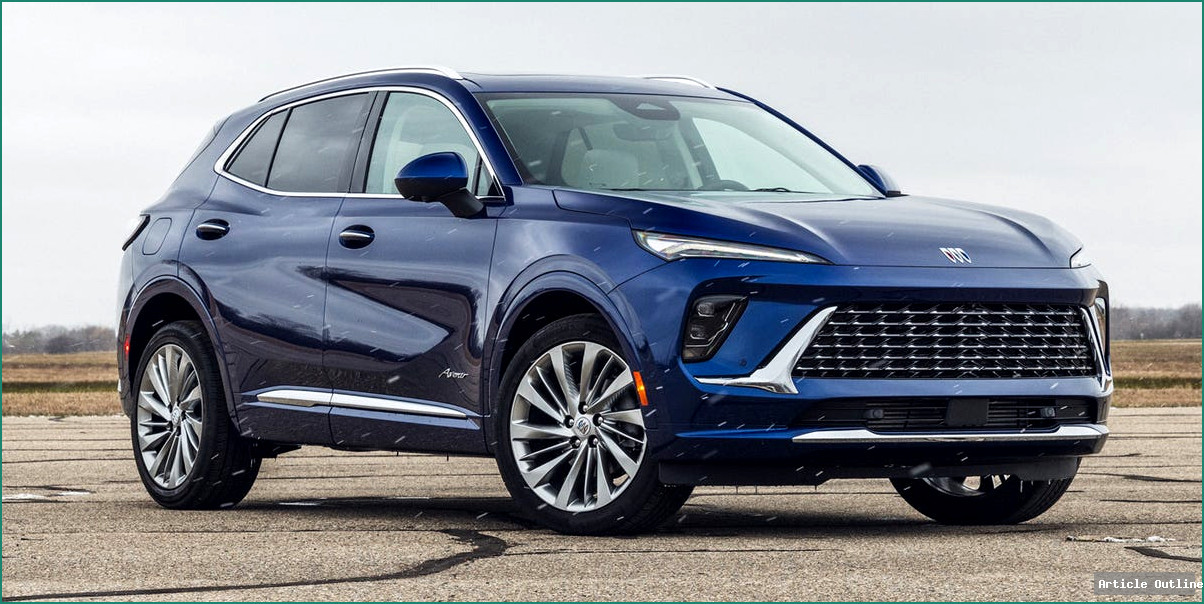
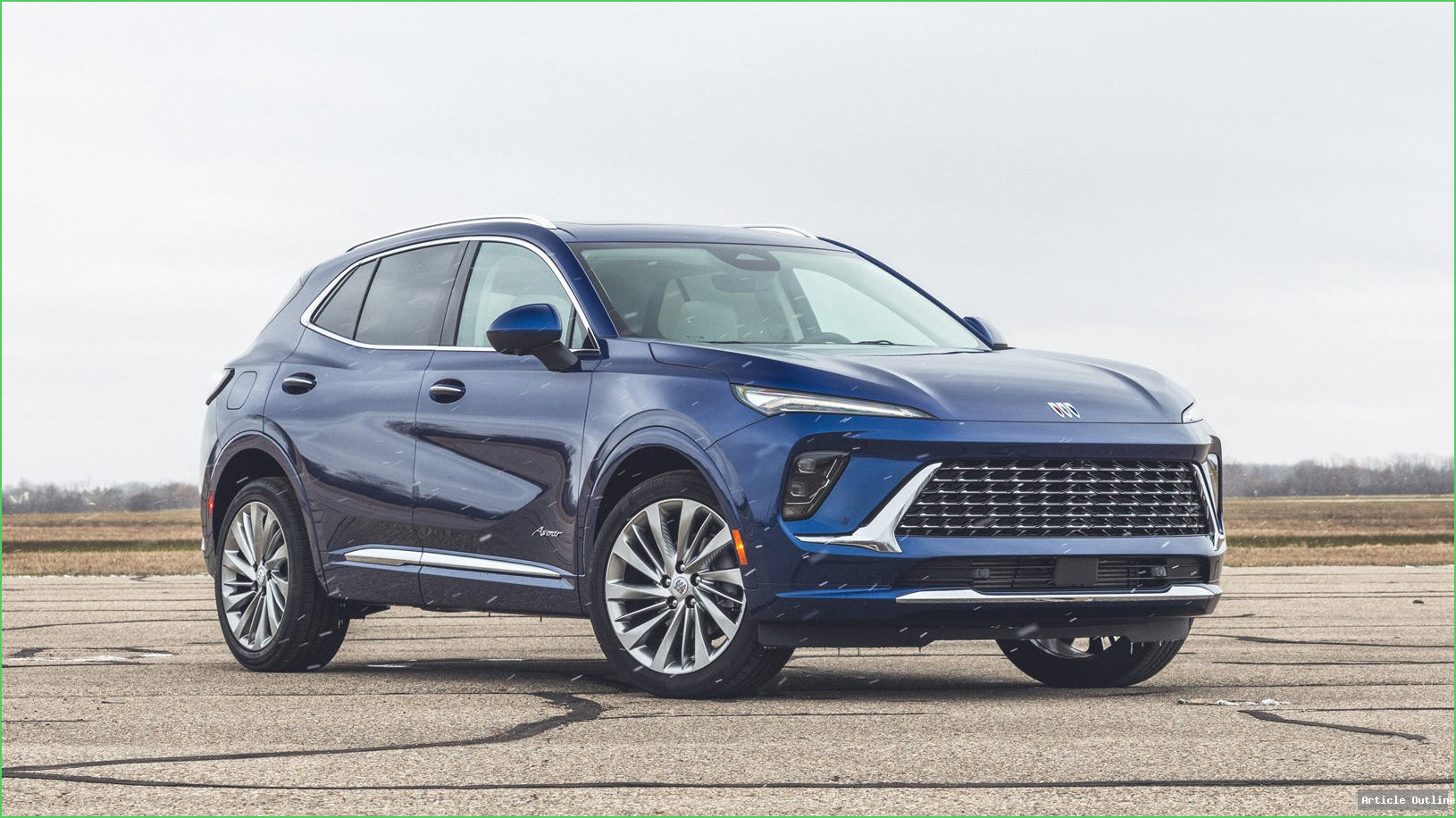
General Motors (GM) confirmed the successor to the Buick Envision will roll off the lines at the Fairfax plant in Kansas City, Kansas, starting in 2028. This new model will share its underpinnings with the Chevrolet Equinox, which itself is making the leap from Mexican to U.S. production in 2027. But why does this matter, and what could it mean for the industry?
Why This Matters
- Job Creation and Economic Impact: Bringing production stateside means more American jobs, revitalizing local economies, and strengthening the domestic auto supply chain.
- Tariff Avoidance: U.S. tariffs on Chinese-made vehicles have squeezed profits and complicated logistics for GM. Moving production home sidesteps these headaches.
- Political Optics: With trade tensions and election cycles, the optics of “Made in America” matter now more than ever—for both consumers and policymakers.
What Most People Miss
- Platform Synergy: The new Buick will share its platform with the Chevy Equinox, enabling cost efficiencies, faster innovation, and potentially improved quality.
- Brand Perception Upgrade: Buick, often associated with imported vehicles, now gets a “Buy American” marketing advantage that could resonate with skeptical buyers.
- Future-Proofing: The Fairfax plant’s pivot to both EVs (like the Chevy Bolt) and new crossovers signals GM’s strategic flexibility for whatever the auto market demands next.
Key Takeaways
- The next Buick compact SUV will be assembled in Kansas by 2028, possibly under a new name but still following Buick’s signature “En-” naming pattern.
- Despite being Buick’s third-best seller, the Envision moved over 40,000 units in each of the past three years—proof this is a high-stakes segment for the brand.
- Until domestic production ramps up, Buick will continue importing Envisions from China—highlighting the complexity and duration of automotive supply chain transitions.
Industry Context and Comparisons
- Trend: GM’s move echoes a broader industry shift. Ford and Stellantis have both announced plans to increase U.S. manufacturing, particularly for high-volume SUVs and EVs.
- Tariff Trouble: The Trump administration’s 2018 tariffs on imported Chinese vehicles (upwards of 27.5%) hit models like the Envision hard—making U.S. production a long-term necessity, not a choice.
- Platform Sharing: Automakers are increasingly leveraging shared platforms across brands (think Toyota RAV4 and Lexus NX) to optimize cost and speed to market—Buick and Chevy are following suit.
Pros and Cons Analysis
- Pros:
- Job growth in U.S. manufacturing
- Boosts “American-made” credentials for Buick
- Reduced exposure to tariffs and international trade risks
- Cons:
- Transition period means continued reliance on imports
- Potentially higher production costs compared to China
The Bottom Line
Buick’s decision to bring its next compact SUV’s production to Kansas is more than a business move—it’s a strategic pivot responding to tariffs, market perceptions, and the evolving auto industry landscape. The real winners? American workers, Buick’s brand, and consumers who value home-grown vehicles.
Timeline: Buick’s Compact SUV Production Shift
- 2024: Announcement of U.S. production for Buick’s next compact SUV
- 2027: Chevy Equinox production begins at Fairfax, Kansas
- 2028: Next-generation Buick compact SUV hits the Fairfax assembly line
Action Steps for Consumers
- If you’re considering a Buick Envision in the next few years, know it’ll still be imported from China until 2028.
- Watch for updates on the new model’s features, name, and pricing as GM reveals more details closer to launch.
- Keep an eye on incentives for American-made vehicles—these often increase as new domestic production ramps up.