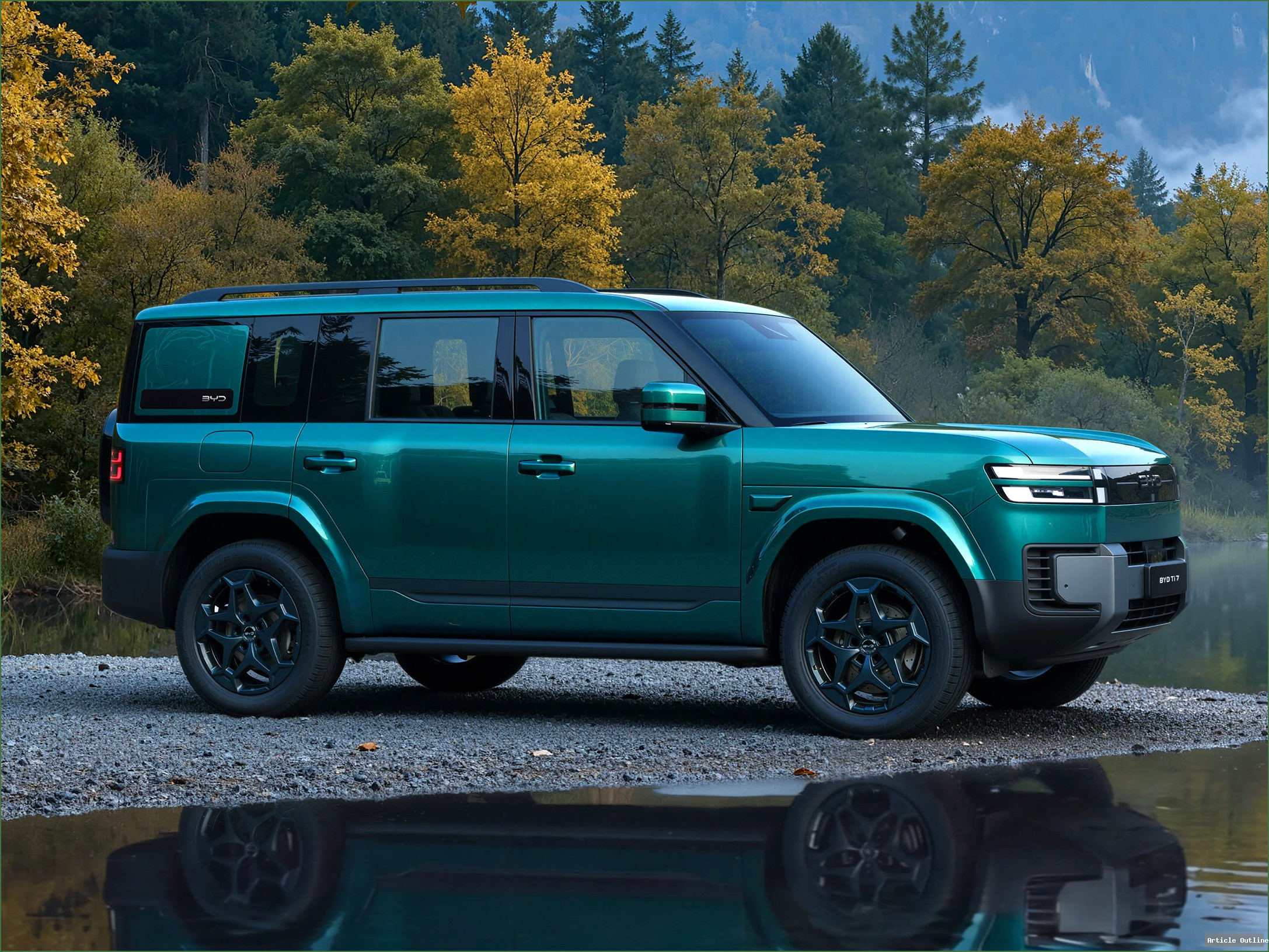
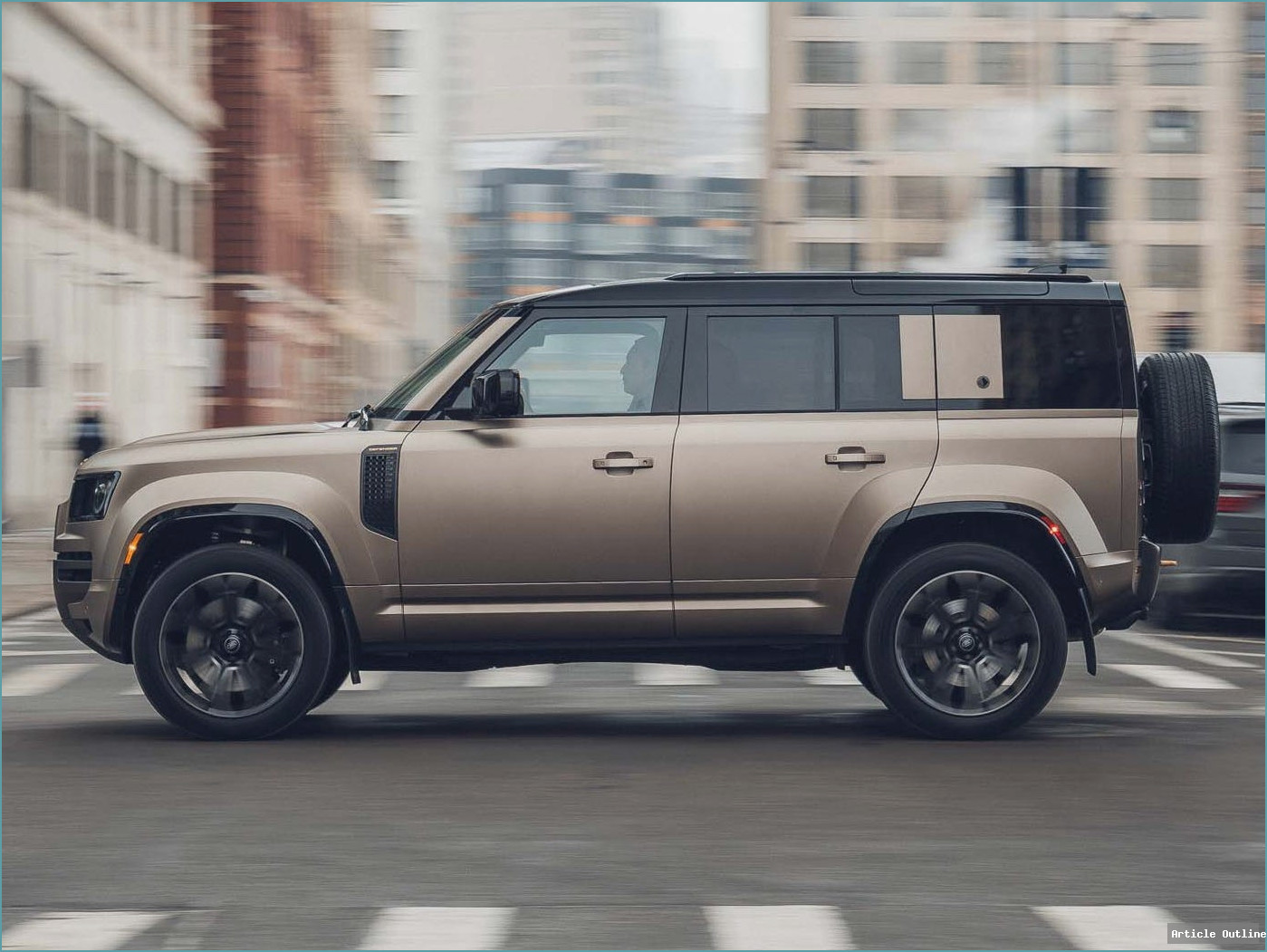
When a Dutch court recently barred Chinese automaker BYD from selling its Ti7 SUV in the European Union, citing copyright infringement against Jaguar Land Rover’s Defender, it sent shockwaves through the industry. But this isn’t just another story of a legal spat over lookalike vehicles. It’s a high-stakes skirmish in a much bigger battle: the future of automotive design, intellectual property, and the global auto market.
Why This Matters
- The ruling shows Europe is getting serious about IP protection in the face of China’s growing automotive ambitions. With Chinese brands like BYD expanding aggressively, expect more scrutiny of design and tech “borrowing.”
- It’s a precedent-setter for future copycat cases. The EU is drawing a hard line—good news for legacy brands, but a challenge for new entrants hoping to fast-track with “inspired” designs.
- The ban affects more than just BYD. It signals to all automakers that compliance with EU design protections is non-negotiable, potentially slowing the influx of fiercely competitive, affordably-priced Chinese models.
What Most People Miss
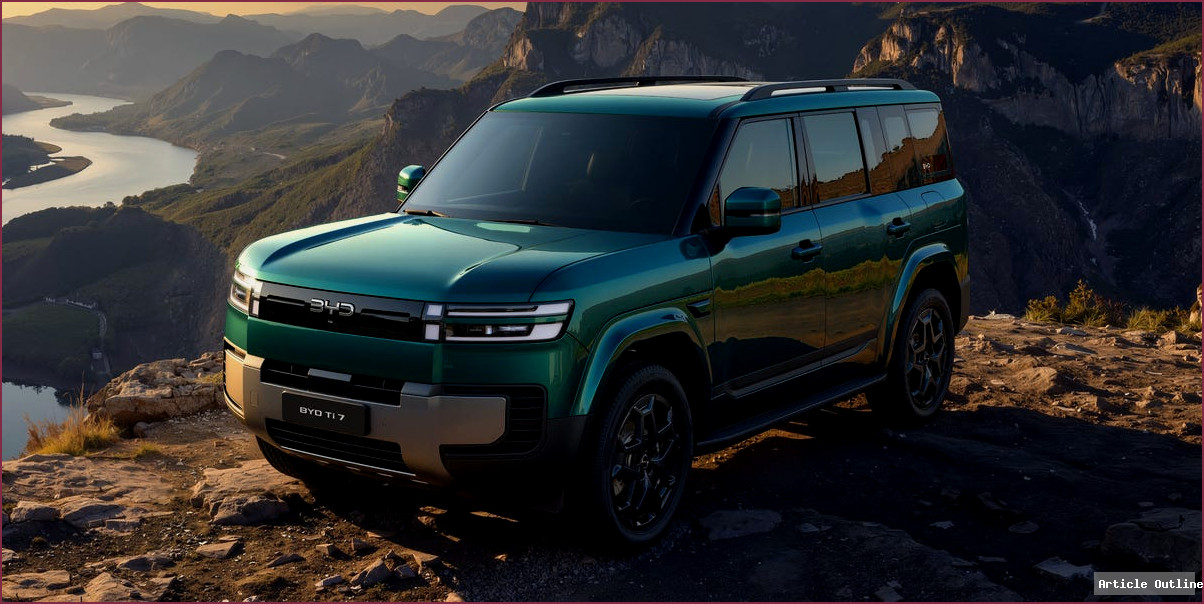
- This isn’t just about aesthetics. The court highlighted very specific “distinctive elements”—boxy shape, flat roofline, squared wheel arches, and body-colored rear-side panels—that are central to the Defender’s iconic look. That’s an unusually granular reading of design rights.
- The timing is critical. BYD was gearing up to produce the Ti7 in Hungary, marking its first big EU manufacturing push. Now, the expansion is on ice—a major setback for BYD’s European playbook.
- UK loophole? The Dutch court ruled it has no authority over BYD’s UK arm. JLR will have to fight a separate legal battle in England, underscoring the patchwork nature of IP enforcement in Europe post-Brexit.
Key Takeaways
- Jaguar Land Rover is defending more than just a model—it’s protecting its most valuable global asset. The Defender is JLR’s top seller, moving over 100,000 units last year. The stakes couldn’t be higher.
- BYD’s response is defiant, not apologetic. The company insists the Ti7’s design is original, and it will appeal. This signals that Chinese automakers aren’t retreating—and legal wrangling may become the new normal as they go global.
Industry Context and Comparisons
- Chinese automakers have a long history of “homage” designs, but as they mature, expect more legal and design innovation battles in Western markets.
- Remember the Landwind X7 vs. Range Rover Evoque in China? Jaguar Land Rover won that case too, setting a rare IP precedent in China itself.
- Global car design is converging, making IP disputes more likely and more complex.
Timeline of Key Events
- Early 2023: BYD announces European expansion including Ti7, plans for Hungary factory.
- Mid 2023: JLR files lawsuit in Dutch court alleging copyright infringement.
- November 20, 2023: Dutch court issues preliminary ruling barring Ti7 EU sales and production.
- Late 2023: BYD announces intent to appeal; JLR prepares UK legal action.
Pros and Cons Analysis
- Pros for the Industry: Stronger IP enforcement could foster more authentic innovation. European consumers get less “copy-paste” and more choice.
- Cons for Consumers: Potentially fewer affordable alternatives if Chinese brands face legal and production hurdles.
“The characteristic and distinctive elements of the design are reflected in the BYD Ti7,” the Dutch court ruled. — A clear message to automakers everywhere: originality isn’t optional in Europe.
The Bottom Line
The BYD Ti7 ban is a litmus test for how the West will handle the Chinese auto invasion. The verdict? If you want to compete in Europe, bring original ideas—not just a competitive price tag. For BYD and its rivals, it’s time to innovate or litigate.
Sources: