There’s more to automotive journalism than flashy cars and test drives—it’s a field fueled by relentless curiosity, deep expertise, and the drive (pun intended) to shape how the world sees the auto industry. Caleb Miller, Car and Driver’s Senior News Editor, embodies this new wave of young, digitally savvy auto writers who break in not through legacy connections, but sheer persistence, passion, and adaptability.
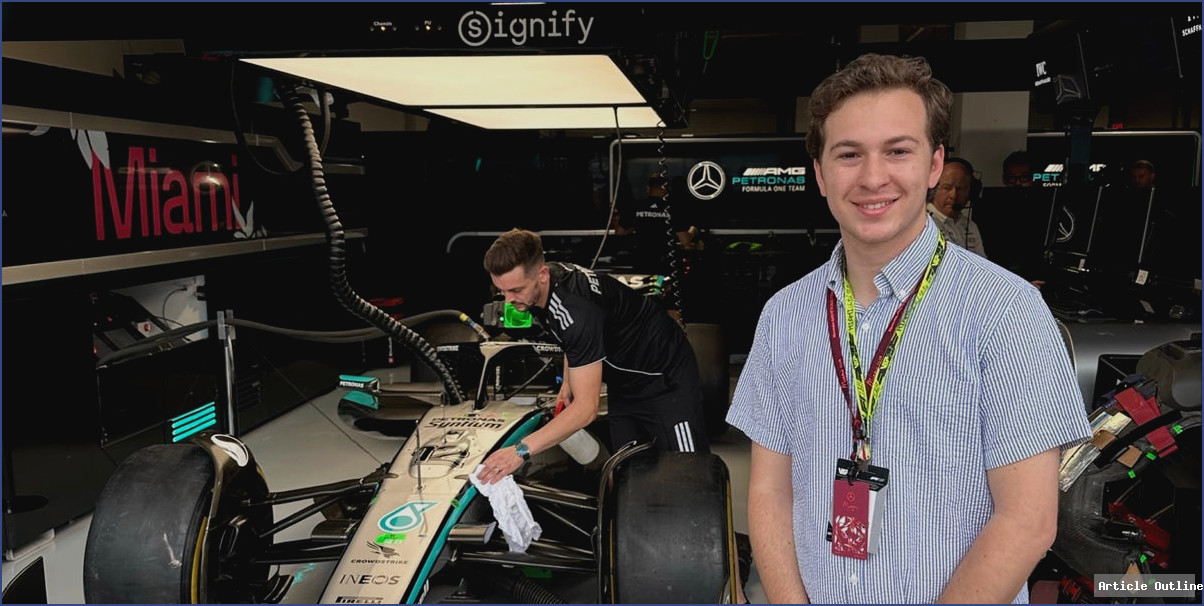
Let’s be honest: In an era where anyone can blog about cars, standing out takes more than just love for horsepower. Miller’s journey from teen blogger to industry insider is a blueprint for aspiring auto journalists—and a reflection of bigger changes in media and car culture.
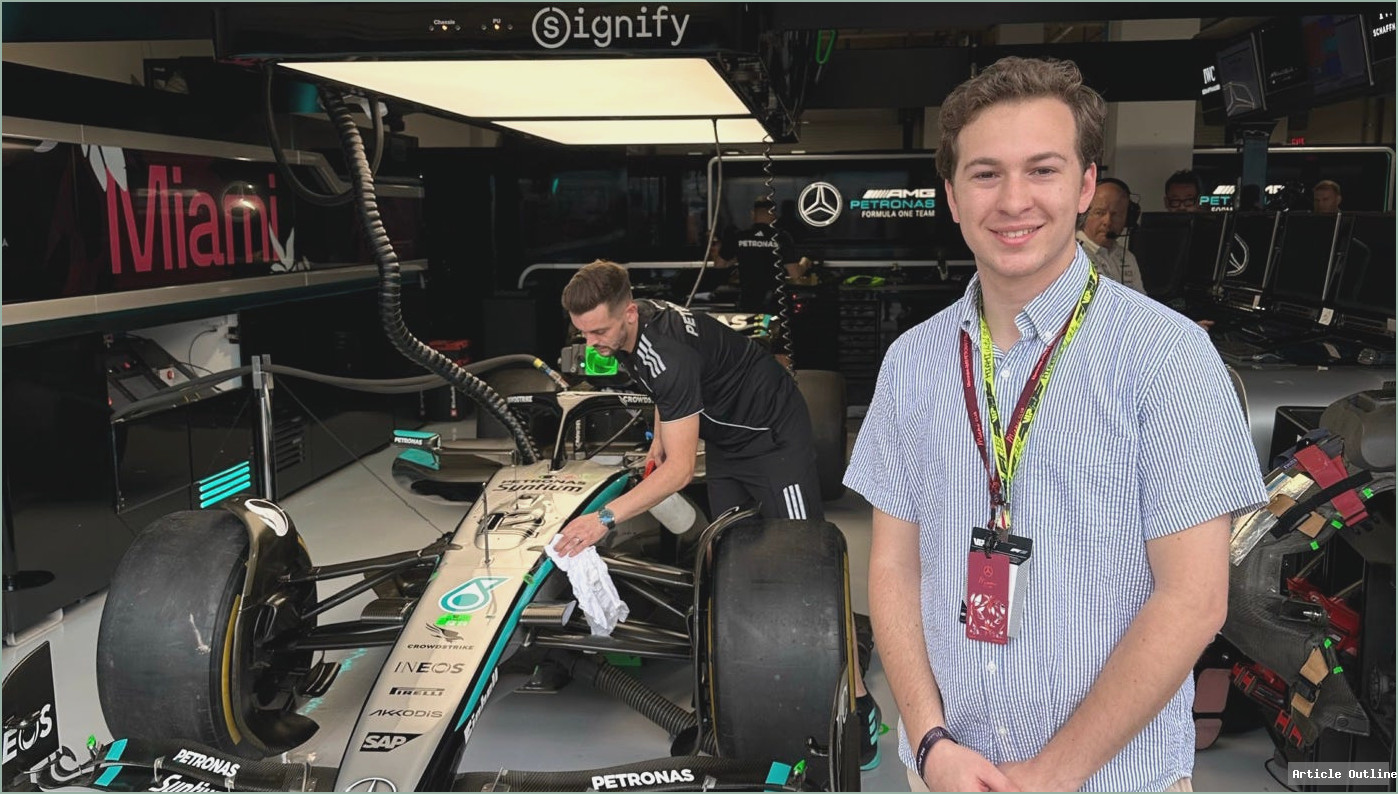
Why This Matters
- The automotive media landscape is shifting: Once dominated by seasoned veterans, it’s now increasingly influenced by digital natives who grew up online.
- Miller’s story shows how determination, early specialization, and networking can crack even the toughest industries—no “insider” family required.
- His rise highlights how new skills (like sim racing and digital content creation) are just as valuable as traditional reporting chops.
What Most People Miss
- Persistence, not just passion, is the game-changer: Miller didn’t land his gig at Car and Driver on the first try. He faced rejections, kept blogging, and leveraged every opportunity.
- Modern auto journalism is multidisciplinary: Miller isn’t just writing reviews—he’s reporting news, attending driving schools, sim racing, and building relationships with pro drivers. The days of “just reviewing cars” are over.
- His background in a “car-agnostic” family highlights that your environment doesn’t have to determine your interests; passion finds its way.
Key Takeaways
- Start early, specialize, and don’t give up: Miller began blogging at 13, kept honing his craft, and never stopped networking.
- Adaptability is essential: From learning to drive stick to sim racing, the best writers are constantly expanding their skillset.
- Networking matters: A single Instagram DM to industry pros like Christian Seabaugh helped open doors.
- Standing out requires both expertise and personality. Miller’s encyclopedic IndyCar knowledge and design sketches make him unique among peers.
Industry Context & Comparisons
- Automotive journalism has evolved from print-centric, insider circles to a more democratized, digital-first arena.
- There’s a growing trend of journalists participating in sim racing—bridging the gap between virtual and real-world motorsports experience.
- Compared to previous generations (like Rich Ceppos, who transitioned from music school to racing and editing), Miller’s path is more digital, more direct, and arguably more accessible to outsiders.
Action Steps for Future Auto Writers
- Start your own blog or YouTube channel early.
- Network relentlessly—DM industry pros, ask for advice, and keep your work visible.
- Develop a specialty (e.g., racing sims, design, motorsports) that sets you apart.
- Keep learning: Attend driving schools, review different types of vehicles, and stay updated on industry trends.
“I saw my dad doing cool stuff—the phone would ring, and it would be Ice Cube for an interview. I wanted to have that sort of experience in my area of automotive-related interest. And I have.” – Caleb Miller
The Bottom Line
Caleb Miller is proof that the future of automotive journalism is in the hands of those who combine grit, passion, and a willingness to evolve. Whether you’re dreaming of reviewing the next electric hypercar or just want to share your unique automotive perspective, his path offers a roadmap—and a dose of inspiration.