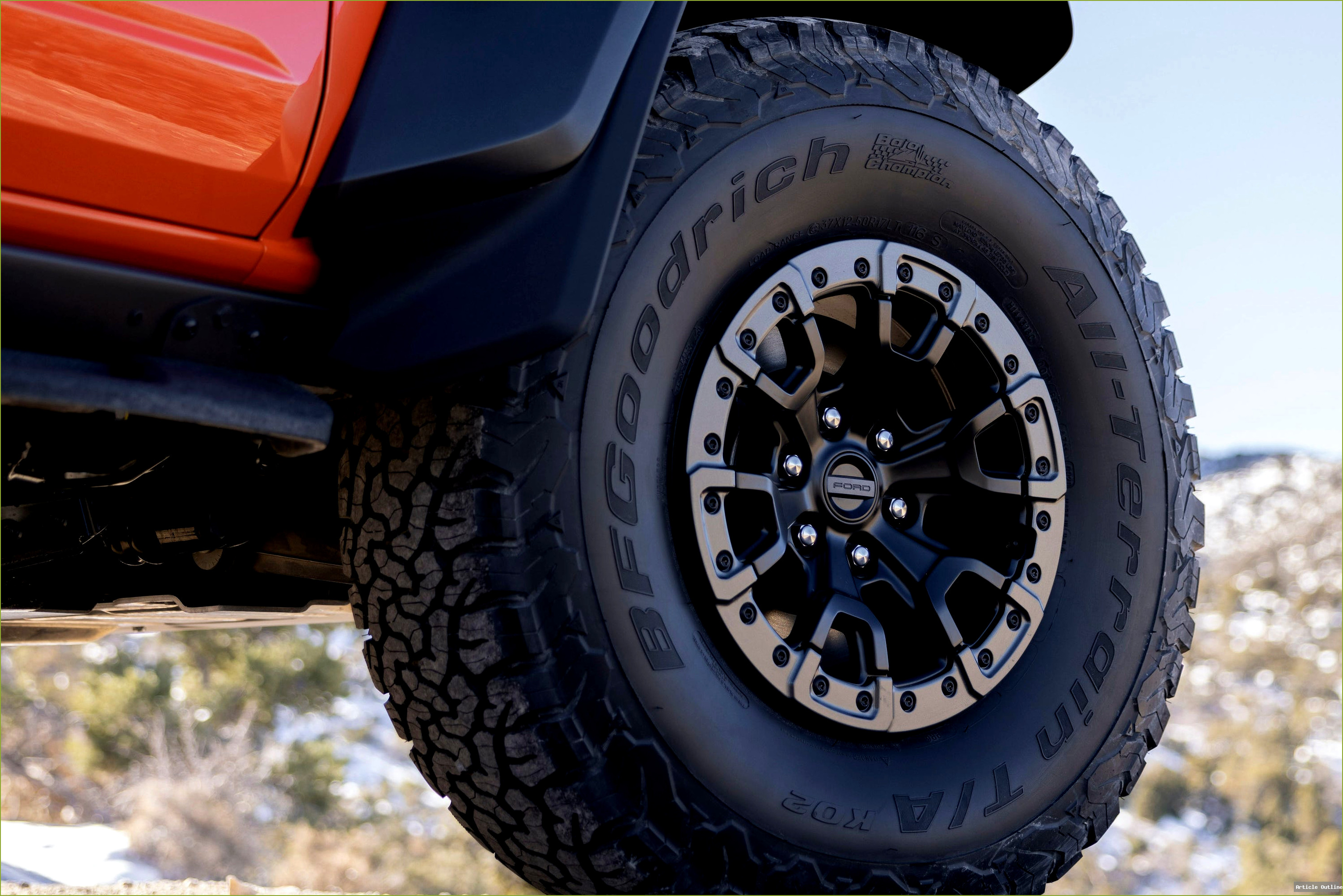
California just made history by adopting the first-ever Replacement Tire Efficiency Program (RTEP) in the US—a move that could reshape what you drive on for years to come. The rules, effective 2029, go far beyond a simple efficiency push. So, what’s beneath the tread? Let’s break down why this matters, what most people miss, and what comes next for drivers and the tire industry.

Why This Matters
- California is setting a national precedent. Tire standards have long focused on new vehicles, not the tires you buy later. This shift targets the massive aftermarket, which makes up about 75% of all tire sales in the US.
- The environmental impact is huge. Regulators estimate the RTEP could cut 2 million metric tons of CO2 emissions per year and save drivers almost $1 billion through better fuel efficiency.
- This could become the model for other states. California’s emissions rules often spread nationwide—expect other states (and maybe the EPA) to watch closely.
What Most People Miss
- The specialty tire carve-outs—like for high-performance, off-road, and winter tires—aren’t just a technicality. They were hard-won after fierce debate, keeping the car enthusiast and off-roading markets alive.
- Consumer choice is still a battleground. Groups like SEMA warn that limiting the aftermarket could mean fewer options and higher prices, especially for unique or budget tire needs.
- The timeline is crucial. The rules don’t bite until 2029, with stricter phases in 2033. That gives manufacturers time to adapt—but also means this will be a slow-motion revolution.
Key Takeaways
- California is using its market power to force change in a quiet but important area—tire efficiency.
- Industry heavyweights like Michelin and Bridgestone support the move, but with caveats around safety and innovation.
- Consumer advocates, small businesses, and car culture groups remain wary of unintended consequences—especially on affordability and choice.
- The RTEP’s success or failure will shape national policy and could even influence car design and aftermarket culture for decades.
Industry Context & Comparisons
- California’s approach echoes its earlier emissions regulations, which often become the de facto US standard.
- The European Union has had tire labeling and efficiency requirements for years—but has not banned specific types outright.
- Analysts predict the US tire market—currently worth over $40 billion annually—will need to innovate rapidly to comply.
Pros & Cons Analysis
- Pros: Lower emissions, cost savings for fuel, possible safety improvements, and a nudge toward tire tech innovation.
- Cons: Potential for higher tire prices, reduced consumer choice, and possible headaches for small businesses and car enthusiasts.
Action Steps & Practical Implications
- If you’re a California driver, watch for efficiency labels and new tire choices starting in 2029.
- If you’re a car enthusiast or off-roader, check whether your favorite specialty tires are exempt—or if you’ll need to stock up before the rules tighten.
- Small tire retailers should start discussing supply chain adjustments with vendors now.
“California should evaluate the complete consequences of replacement tire requirements,” said Dunlop, urging further collaboration to avoid impacts on “consumers, consumer choice, competition, or trade.”
The Bottom Line
California’s Replacement Tire Efficiency Program isn’t just a regulatory footnote—it’s a roadmap for state-driven climate policy, consumer behavior, and industry innovation. Whether it’s a revolution or just a bump in the road depends on how well regulators balance efficiency, safety, and choice. For now, the race to reinvent the tire is on.

Sources: