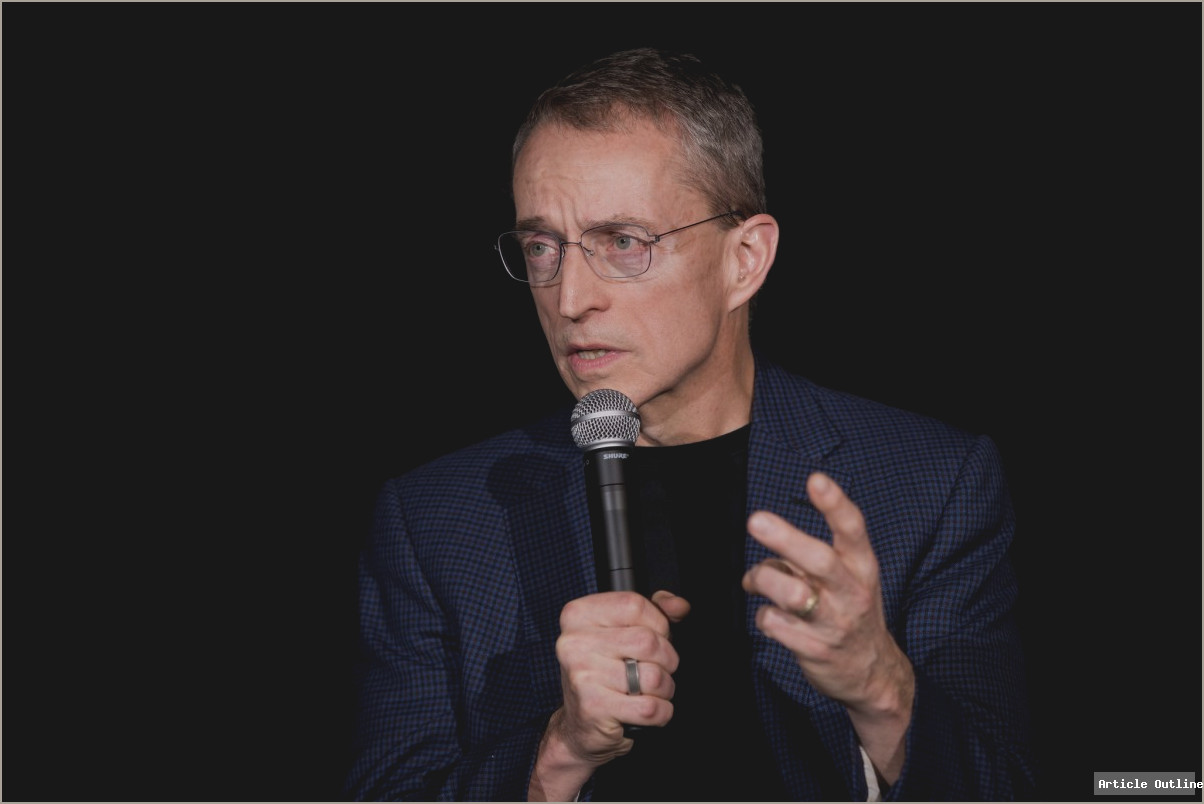
Pat Gelsinger—yes, the same one who led Intel through its ups and downs—is back in the semiconductor spotlight. Only this time, he’s not at the helm of a chip giant but steering a bold startup called xLight, aiming to crack the toughest problem in chipmaking: lithography bottlenecks. The twist? The U.S. government wants in as a shareholder, betting up to $150 million that xLight’s radical technology can help the nation regain its microchip mojo.
But why does this matter, and what’s really at stake? Let’s dig deeper—because this story is about much more than one startup, or even one industry.
Why This Matters
- Moore’s Law, the principle that computing power doubles every two years, is on life support. The industry is running out of ways to etch ever-tinier features on silicon chips, threatening progress in AI, data centers, and everything digital.
- U.S. chip manufacturing is a national security issue. America’s dependency on overseas fabrication—especially in Asia—has been called out by both industry leaders and politicians. The Biden and now Trump administrations have made “onshoring” chips a top priority, but real technological breakthroughs are needed.
- Government as investor: The U.S. Commerce Department’s proposed equity stake in xLight marks a seismic shift. Historically, Silicon Valley has championed free enterprise, not government co-ownership. California’s Governor Newsom summed up the unease: “What the hell happened to free enterprise?”
What Most People Miss
- xLight isn’t just another hardware startup. Their plan to use massive free electron lasers—machines the size of a football field—to generate extreme ultraviolet light (EUV) at 2 nanometer wavelengths could leapfrog the current industry leader, ASML, whose tech maxes out at 13.5nm.
- It’s not about replacing ASML, but empowering them. xLight is collaborating with ASML and Zeiss to integrate its technology, potentially turbocharging existing lithography platforms rather than rendering them obsolete.
- This isn’t a moonshot like fusion or quantum computing. xLight’s CEO, Nicholas Kelez, says their capital requirements are far lower. With $40M already raised and another round coming, they aim to have commercial systems online by 2029.
- The competitive landscape is heating up: Peter Thiel-backed Substrate is also gunning for next-gen lithography, but Gelsinger sees them as potential customers, not rivals.
Key Takeaways (with Analysis)
- If xLight succeeds, Moore’s Law could get a second wind. This would enable faster, smaller, more energy-efficient chips, powering the next era of AI, cloud, and edge computing.
- The U.S. is making a rare, strategic technology bet. Instead of only funding research or buying finished products, the government is betting alongside private VCs—potentially setting a precedent for future industrial policy.
- The risk is real: The $150 million commitment is only at the letter-of-intent stage and could change. And there’s always the chance that the technology hits unforeseen snags, just as ASML’s earlier attempts did a decade ago.
- Gelsinger’s play is personal. After being ousted from Intel, he’s staking his legacy on a moonshot that could reshape the industry he helped build.
Timeline: The Race to Next-Gen Lithography
- 2010s: ASML dominates EUV lithography; attempts at next-gen light sources stall due to technical maturity.
- 2021: xLight founded by Nicholas Kelez, drawing on quantum and X-ray science expertise.
- 2025: U.S. Commerce Department offers preliminary $150M investment; xLight eyes 2028 for first wafer production, 2029 for commercial deployment.
- 2029: If all goes well, the first xLight-powered system comes online—potentially marking a new era in chip manufacturing.
Pros & Cons: The xLight Vision
- Pros:
- Potential to break Moore’s Law’s current deadlock
- U.S.-based tech could reduce reliance on Asian fabs
- Collaboration, not competition, with industry incumbents
- Reasonable capital requirements compared to other deep tech moonshots
- Cons:
- Unproven at industry scale; huge technical risks
- Departs from Silicon Valley’s anti-government orthodoxy
- Political winds could change, jeopardizing funding or focus
Action Steps and Practical Implications
- Watch for finalized U.S. Commerce Department funding deals in 2025-2026.
- Keep an eye on New York’s CREATE site near Albany, where xLight’s first big machine may rise.
- Follow the competitive moves from startups like Substrate, and how incumbents like ASML adapt.
The Bottom Line
xLight isn’t just trying to build bigger lasers—it’s aiming to rewrite the rules of chip manufacturing, with the U.S. government as an unlikely partner. If Gelsinger and Kelez pull this off, we could see a return to the breakneck innovation pace that defined the last fifty years of tech. But it also marks a philosophical reckoning for Silicon Valley: Is the era of pure free-market innovation over, or is this just a necessary evolution to stay globally competitive?