Sales of Chinese-made hybrid vehicles in the European Union are no longer just a blip on the radar—they’re a seismic shockwave. The recent explosion in numbers has policymakers in Brussels scrambling, carmakers sweating, and industry analysts raising eyebrows. But what’s really happening under the hood of these market shifts? Let’s break it down with a dose of realism, a pinch of skepticism, and a roadmap for what’s next.
Why This Matters
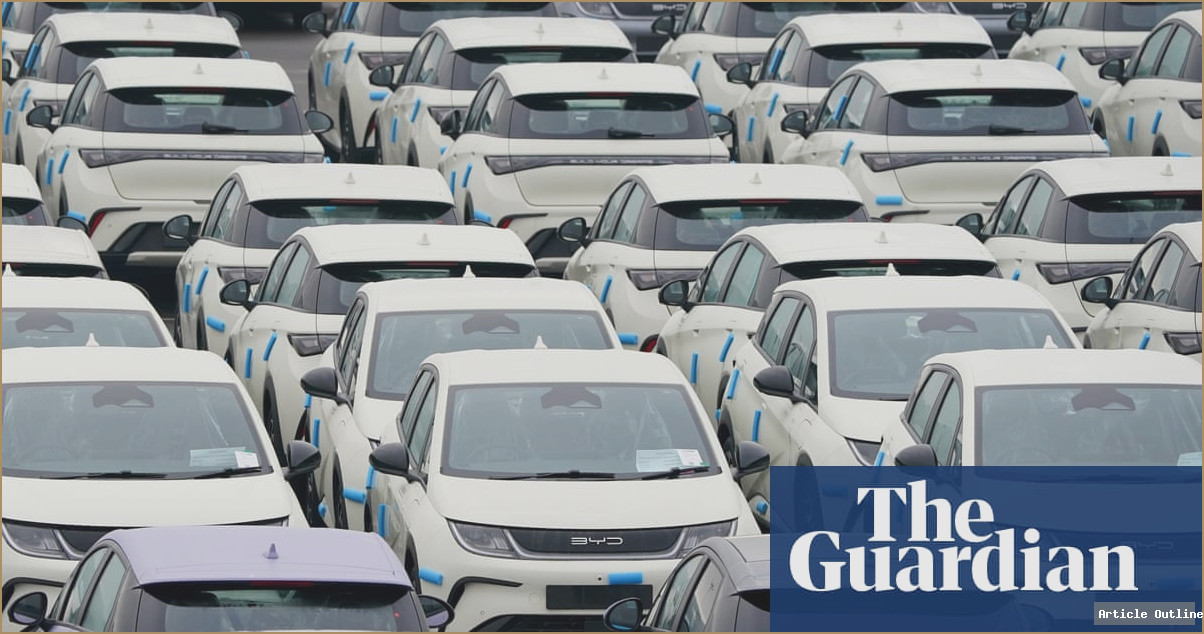
- Market Disruption: Chinese hybrids have gone from 659 units in 2022 to over 160,000 in just seven months of 2026. That’s not growth—it’s a market invasion.
- Tariff Loopholes: The EU’s anti-subsidy tariffs hit fully electric vehicles, but left hybrids largely untouched. Chinese automakers saw the gap and drove a fleet through it.
- Strategic Shift: European automakers are now forced to rethink not just their product lines, but their entire competitive strategies.
What Most People Miss
- Hybrids Are the Trojan Horse: While everyone debates electric cars, hybrids are rapidly accumulating market share—nearly 37% of EU car sales, compared to just over 21% for full EVs.
- Chinese Brand Growth Is Exponential: BYD, Chery, Leapmotor, and SAIC have all posted triple-digit growth. Geely, with its Volvo and Polestar brands, is now outselling Tesla in the EU.
- European Response Is Fragmented: Germany’s powerful car lobby is only now considering hybrid tariffs, but the EU as a whole remains divided and slow-moving.
Key Takeaways
- Regulations Shape Markets: The EU’s targeted tariffs have led to a surge in hybrids, showing how policy can have unintended (and rapid) consequences.
- China’s Adaptability: Chinese automakers are not just following trends—they’re setting them, responding to regulatory changes with lightning speed.
- Europe’s Industrial Challenge: The traditional dominance of brands like Volkswagen (2 million cars sold in 8 months) is now under real threat from agile competitors.
Industry Context & Comparisons
- Europe’s car industry is a cornerstone of its economy, employing 13.8 million people (ACEA).
- China’s auto exports to the EU have ramped up as domestic markets slow and Western demand for affordable, tech-savvy vehicles spikes.
- The EU’s €1.18bn-a-day trade deficit with China is already called “unsustainable” by Commission President Ursula von der Leyen.
- Chinese automakers are winning on cost, tech integration, and speed to market—areas where traditional EU brands have been slow to adapt.
Timeline: How Did We Get Here?
- 2022: Chinese hybrids barely register in EU sales data.
- 2024: EU slaps anti-subsidy tariffs on fully electric Chinese cars.
- 2025-2026: Chinese hybrid sales soar; EU policymakers sound alarms.
- September 2026: German car industry signals openness to hybrid tariffs; EU and China begin tense trade talks.
Pros & Cons: Tariffs on Chinese Hybrids
- Pros: Could level the playing field and protect EU jobs.
- Cons: Risk of retaliation from China, higher prices for European consumers, and possible slowdown in green tech adoption.
Expert Commentary
“The EU must also have an effective and up-to-date set of trade defence instruments…these are legitimate and tried-and-tested means of achieving a level playing field and safeguarding fair conditions of competition.” – German Association of the Automotive Industry (VDA)
Translation: Europe is running out of patience, and the gloves may soon come off.

The Bottom Line
The EU’s hybrid car surge is not a temporary blip—it’s a wake-up call. Policymakers must act fast, or risk watching a cornerstone of the European economy slip into foreign hands. Meanwhile, Chinese automakers have shown they can pivot faster than their Western competitors. For consumers, this means more choice—and possibly better prices—but also uncertainty as trade tensions rise and regulations shift.