The all-new Citroën 2CV concept has just rolled into the limelight, and it’s not just a nostalgia trip—it’s a blueprint for the future of affordable, character-packed city cars. Citroën is breathing new life into its most iconic model, and in doing so, it’s sending ripples through the auto industry. Here’s why this matters far beyond just fans of quirky French classics.
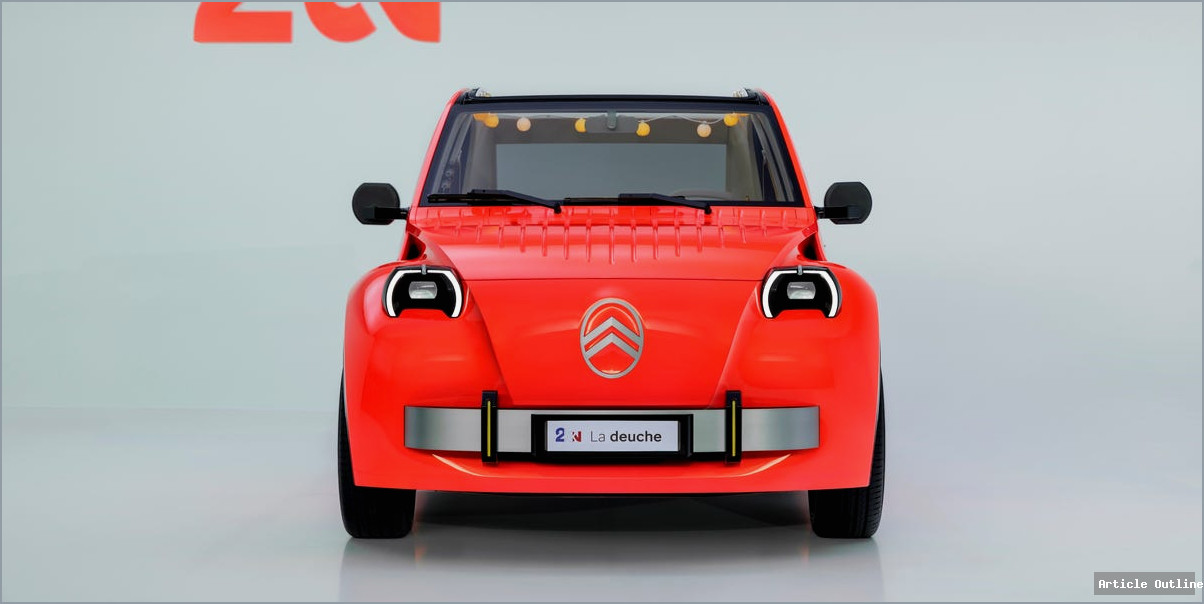
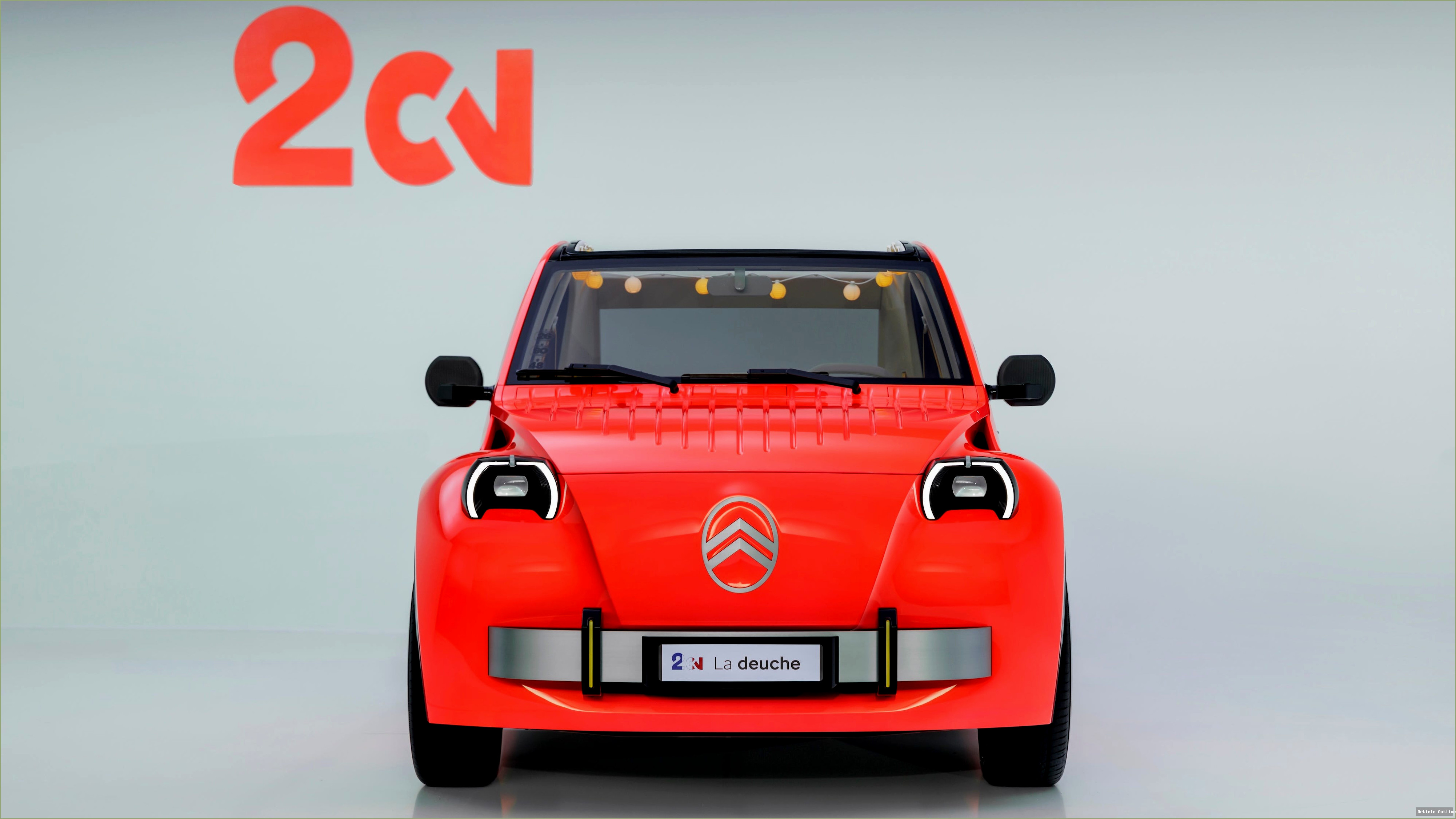
Unveiled at the Paris auto show, the 2CV concept is not just a charming, playful homage to France’s beloved “people’s car”—it’s a radical rethink of how small electric vehicles (EVs) can be affordable, light, and genuinely fun.
Why This Matters
- Affordable urban EVs are the missing link in the electrification puzzle. With an estimated price of just €15,000 (~$16,700), Citroën is targeting a segment that has been woefully underserved as most EVs become pricier and more complex.
- Design with heart and soul. In an age of lookalike crossovers, the 2CV stands out with its bubbly retro style, whimsical cabin, and comic-book-inspired interface. It’s proof that electric cars don’t have to be sterile appliances.
- A step back to move forward. By designing a car that’s small, light (targeting under 2200 pounds), and simple, Citroën challenges the industry’s trend toward larger, heavier, and more expensive EVs.
What Most People Miss
- Weight is the secret weapon. By keeping the car ultra-light, Citroën can use a smaller, cheaper battery—potentially making the 2CV the most accessible EV in Europe.
- It’s a design philosophy, not just a look. The 2CV concept isn’t just about retro aesthetics. Its minimalist interior (think: removable wicker basket, lanterns, and bench seating) is a bold rejection of tech-laden, overengineered cabins. This could spark a movement toward simplicity—blending fun, functionality, and affordability.
- The Fourgonnette van version hints at a commercial EV revolution. If produced, it could offer small businesses an affordable, eco-friendly delivery solution, something that’s sorely lacking outside a few niche vehicles.
Key Takeaways
- Citroën is betting on joy and accessibility. The 2CV concept isn’t just about selling a car—it’s about selling a lifestyle, one that celebrates playfulness and simplicity.
- Size matters (in a good way). At 148 inches, it sits between the modern Fiat 500e and the original 2CV, making it perfect for tight European streets and urban environments.
- A potential game changer for EV adoption. If Citroën delivers on its promise, the 2CV could become the “people’s EV” for a new generation.
Industry Context & Comparisons
- EVs are getting bigger and pricier: The average EV in Europe now costs over €40,000 and weighs close to 1,800 kg (4,000 lbs). The 2CV aims to cut those figures in half.
- Retro-modern success stories: Think of the reborn Fiat 500e or the Honda e. Both turned heads but carry premium prices. Citroën’s pricing strategy could democratize this segment.
- Commercial EVs: With the Fourgonnette, Citroën could disrupt the urban delivery market, much like Renault did decades ago with the original 2CV van.
Pros and Cons
- Pros:
- Ultra-affordable EV pricing
- Unique, charming design that breaks the mold
- Lightweight and city-friendly
- Potentially lower environmental impact due to smaller battery
- Cons:
- Limited range and power details released so far
- Not planned for the US market—sad trombone for American fans
- Minimalism may not appeal to everyone
Timeline
- 1948-1990: Original Citroën 2CV produced (nearly 4 million units sold)
- 2026: 2CV Electric Concept revealed at Paris auto show
- 2028: Production model to join Citroën’s lineup (targeted)
The Bottom Line
Citroën’s 2CV concept is more than a retro-futuristic city car. It’s a statement: the future of EVs can be fun, accessible, and refreshingly simple. If Citroën sticks the landing, expect other automakers to rethink their approach to small EVs. For now, the 2CV is a rolling reminder that sometimes, less really is more—and that joy should be standard equipment.