The automotive rumor mill has been buzzing for years about the possibility of a Corvette SUV, an electric Corvette, or even a four-door fastback. But according to recent reports, Chevrolet has scrapped all plans to expand the Corvette brand beyond its storied V8 sports car lineage. This is a bombshell for both fans and industry watchers—so let’s dig into the real implications, the details most people miss, and what this decision means for GM and the sports car world.
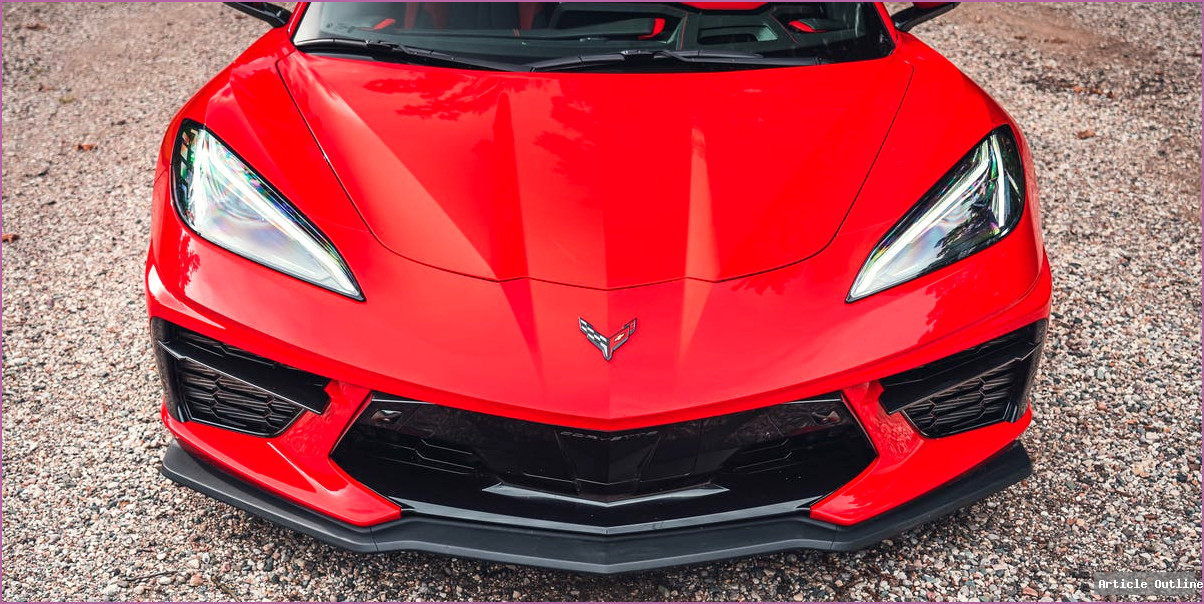
First, a quick recap: The Corvette brand was rumored to follow in the footsteps of Porsche, which found wild financial success by launching the Cayenne SUV and branching out from its 911 roots. Corvette’s mooted future included an SUV, a full EV, and even a four-door sedan. But now, it seems, Chevy is doubling down on the Corvette’s core identity.
Why This Matters
- Brand purity wins: In an era when almost every legacy sports car badge (Porsche, Maserati, Lamborghini, even Ferrari) is riding the SUV wave, Chevy’s decision is a bold stand for tradition.
- Market signals: GM’s move points to cooling consumer enthusiasm for electric vehicles (EVs) and a recognition that not every iconic nameplate can—or should—be stretched into new body styles.
- Lessons learned from others: Porsche’s SUVs now outsell its sports cars by a ratio of more than 2:1, but not every attempt at brand expansion has been met with open arms. Remember the backlash when Ford put the Mustang badge on the Mach-E?
What Most People Miss
- Corvette’s current lineup is already diverse: The C8-generation offers everything from the Stingray to the Z06 and ZR1, plus two hybrid options. It isn’t lacking for variety or performance innovation.
- Loyalty is a double-edged sword: Corvette loyalists are famously protective of the badge. Chevy risking backlash by slapping the name on an SUV could have hurt long-term brand equity—something Porsche only managed to sidestep with careful, decades-long evolution.
- EV hesitation is industry-wide: Recent data shows U.S. EV demand growth has slowed, with inventories rising and automakers recalibrating their ambitions. GM’s pivot reflects a broader strategic retreat happening across Detroit.
Key Takeaways
- No Corvette SUV, EV, or sedan is coming—at least for now.
- Expect more high-performance, V8-powered sports cars—and perhaps, in time, more hybridization.
- The next-gen Corvette (C9) is in the works, with recent concept teasers hinting at innovation, but staying true to the iconic recipe.
Industry and Historical Context
- Porsche’s Cayenne, launched in 2002, now accounts for roughly 45% of Porsche’s global sales. Ferrari, Aston Martin, and even Lotus have followed suit with SUVs.
- Chevrolet’s decision bucks this trend, prioritizing the Corvette’s legacy over potential short-term profits.
- GM’s overall EV strategy is in flux, with other models facing delays and mixed sales results in 2024.
Pros & Cons Analysis
- Pros: Maintains brand prestige; keeps long-term loyalists happy; avoids brand dilution; focuses resources on sports car excellence.
- Cons: Missed potential profits from crossover/SUV market; risk of falling behind competitors on electrification; may limit Corvette’s relevance with younger or eco-conscious buyers.
The Bottom Line
Chevrolet’s decision to keep Corvette purely a sports car brand is both a nod to tradition and a calculated business move. In an industry obsessed with SUVs and EVs, sticking to your roots can sometimes be the boldest play of all. Whether this pays off in the long run will depend on Chevy’s ability to innovate within the Corvette’s classic formula—and how the market evolves in the coming years.