Picture this: a company known for robotic vacuum cleaners suddenly straps rocket boosters to an electric hypercar concept. No, this isn’t science fiction—it’s the Dreame Nebula Next 01 Jet Edition, a wild automotive statement that has the industry buzzing for all the right (and wrong) reasons.
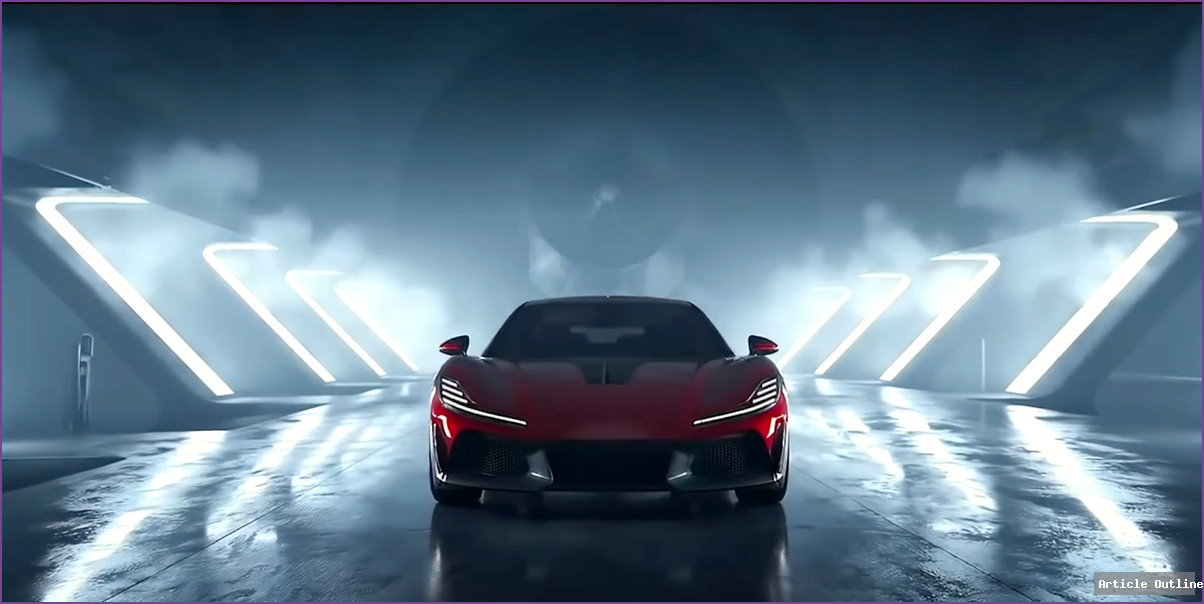
While the hypercar space has always been about pushing boundaries, Dreame’s latest move is—quite literally—out of this world. Let’s break down why this matters, what most people are missing, and what it could mean for the future of both EVs and automotive safety.

Why This Matters
- A New Challenger in Hypercars: Dreame, previously an appliance maker, is challenging the status quo in a segment ruled by legacy automakers like Bugatti, Rimac, and Tesla. This is a bold leap for a brand with no automotive pedigree.
- Pushing Performance Limits: The original Next 01 concept already boasted 1876 horsepower and a 0-62 mph sprint in 1.8 seconds. But the Jet Edition, with twin solid-fuel rockets, claims a mind-bending 0-60 mph in 0.9 seconds—potentially halving the best times from established hypercars.
- The EV Arms Race: This move highlights the escalating “numbers war” in EV performance. As batteries and motors improve, automakers are seeking ever more outrageous ways to grab headlines—and Dreame just raised the bar, or maybe launched it into orbit.
What Most People Miss
- It’s (Mostly) a Publicity Stunt: While the rocket-boosted figures are eye-popping, this car is not meant for public roads. Regulatory, safety, and practicality issues make it a non-starter for real-world use. The rocket boosters can’t be throttled—once fired, you’re committed (and so is anyone unlucky enough to be behind you).
- The Real Innovation Is in Safety Tech: Buried in the spectacle is Dreame’s next-gen lidar system, offering full-color, high-definition capture. This could push forward advanced driver-assistance systems (ADAS) and even autonomous driving tech, with genuine trickle-down potential for mass-market vehicles.
- Automotive Cross-Pollination: Appliance makers entering the high-performance automotive space is rare. This cross-industry leap signals a future where technology companies may drive as much innovation as traditional carmakers.
Key Takeaways
- Hypercar Hype: Dreame’s Next 01 Jet Edition is less about practical speed and more about capturing imaginations and headlines.
- Rocket Tech Is Not New—But It’s Still Nuts: The idea echoes wild 1960s experiments like Turbonique, whose rocket-powered dragsters were as dangerous as they were fast. The difference: today, the tech is more advanced, but just as impractical for the street.
- Safety Systems May Be the Lasting Legacy: If Dreame’s lidar advances make it into everyday vehicles, this wild concept may have a surprisingly practical impact on future road safety.
Comparisons & Industry Context
- Performance Benchmarks: The Rimac Nevera and Tesla Model S Plaid currently top EV acceleration charts at 0-60 mph in 1.85-1.99 seconds. Dreame’s claimed 0.9 seconds is nearly double the acceleration, but only via rockets—not batteries or motors alone.
- Historical Precedent: Rocket-powered cars like the Blue Flame and Kitty O’Neil’s “rocket dragsters” set land speed records but never became mainstream. Dreame’s move is a throwback to this daredevil era—with a modern, electric twist.
- Regulatory Realities: Street-legal rocket cars? Not happening anytime soon. Emissions, safety, and common sense are all formidable barriers.
Timeline of Rocket-Powered Autos
- 1960s: Turbonique and jet dragsters shock and awe at the drag strip.
- 2000s: Jet-powered exhibition cars at shows and events.
- 2024: Dreame Nebula Next 01 Jet Edition debuts, reigniting the rocket-car hype for a new generation.
Pros & Cons
- Pros:
- Unmatched acceleration (if you survive)
- Potential to advance lidar and ADAS tech
- Massive publicity for a newcomer brand
- Cons:
- Impractical and likely illegal for road use
- Extreme safety and regulatory concerns
- Single-use rocket boost—hardly practical
The Bottom Line
Dreame’s Nebula Next 01 Jet Edition is equal parts jaw-dropping and tongue-in-cheek. The rocket-powered hypercar likely won’t transform daily driving, but it’s a masterclass in capturing attention—and perhaps quietly advancing automotive safety technology for the rest of us. In a world obsessed with speed and spectacle, sometimes you need to strap a rocket to a car to get noticed. The real win may be what’s under the hood, not strapped to the back.