What happens when one of the world’s most prestigious automakers decides its cars are too beautiful to be limited to the road? Enter Ferrari’s latest move: selling actual car body panels—hand-sketched by its chief designer—as collectible art. This isn’t just memorabilia. It’s a bold statement about the fusion of engineering, artistry, and brand culture.
Let’s break down why this matters, what most people are missing, and what this trend signals for the future of automotive collectibles.
Why This Matters
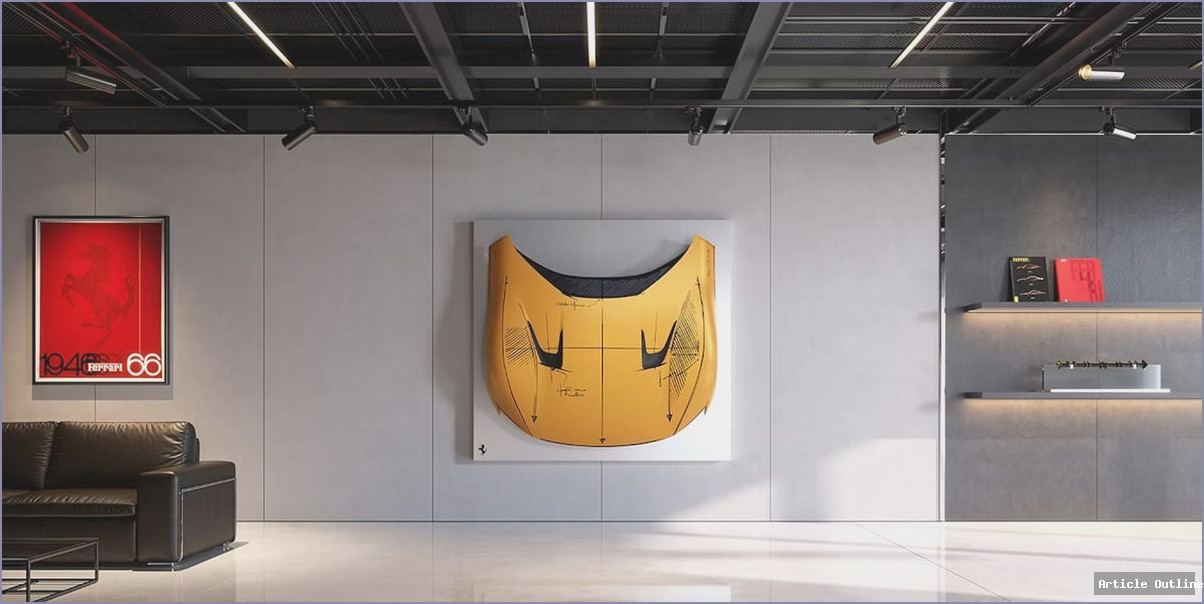
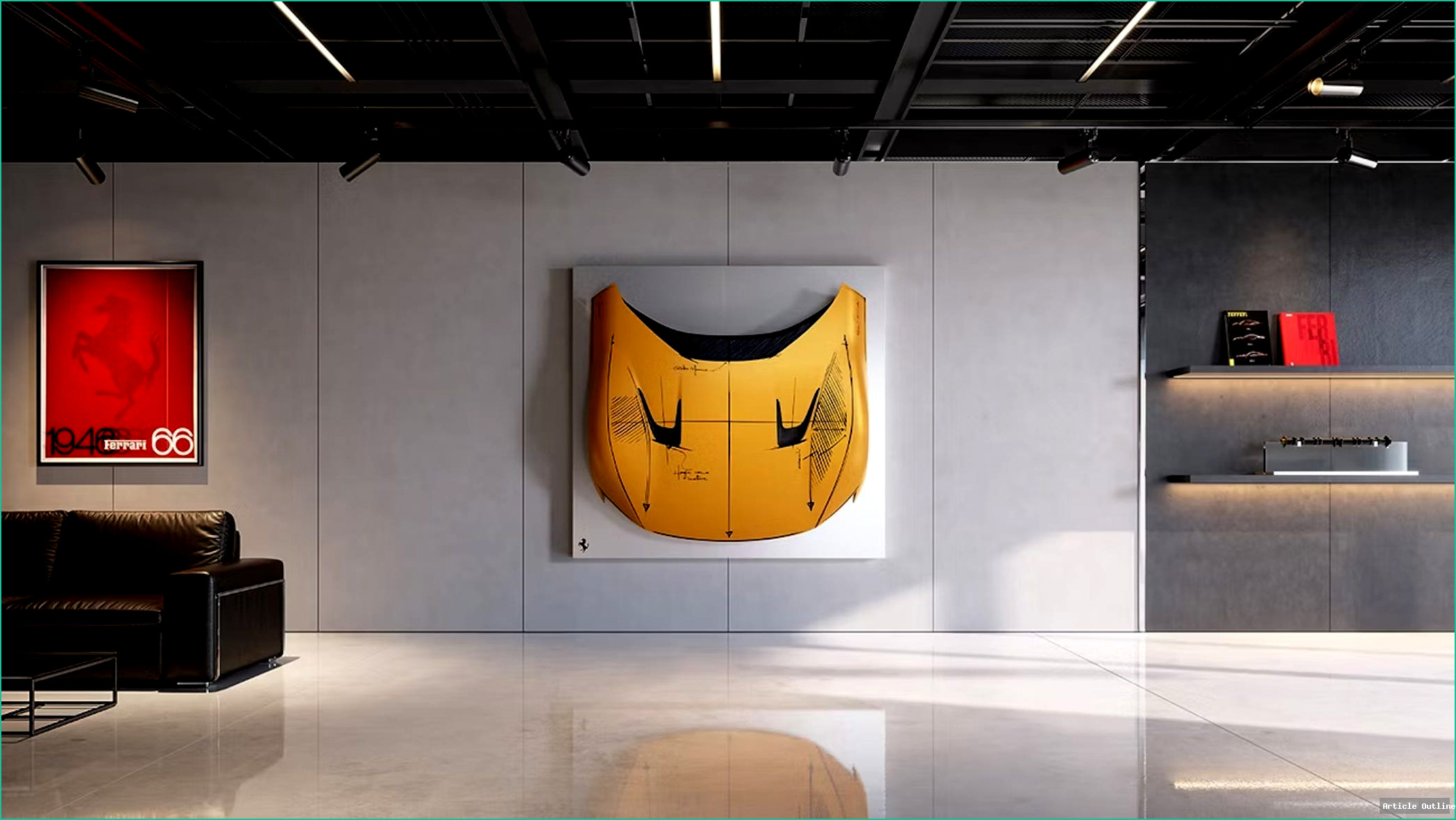
- Ferrari isn’t just selling car parts—it’s selling a story. Each Sketch Body panel becomes a tangible link to the creative process, bearing the original design marks of Flavio Manzoni, the brand’s visionary chief designer.
- This move blurs the line between industrial design and fine art. Ferrari is essentially inviting you to hang the soul of a supercar on your wall, not just a pretty hood.
- It reflects a broader trend: Luxury brands are leveraging heritage and creativity to create new revenue streams—especially for customers who want the Ferrari experience without parking a $500,000 car in the garage.
What Most People Miss
- The Sketch Body panels are customizable—owners can match the panel to their actual car, creating a unique, personal artifact.
- This isn’t Ferrari’s first foray into high-end collectibles. The company has previously sold F1 engine parts and race-used components, but this is the first time the design process itself has been so front-and-center.
- It’s a clever play on exclusivity. While many car brands offer branded merchandise, few can claim their collectibles are artifacts of creation—not just branding exercises.
Key Takeaways
- Ferrari’s Sketch Body panels elevate automotive memorabilia to fine art—and likely, fine art prices.
- This move caters to the growing population of car collectors who see vehicles as investments and status symbols, not just modes of transportation.
- It’s another example of how luxury brands are selling not just products, but experiences, stories, and creative legacy.
Industry Context & Comparisons
- Other automakers have explored similar territory, but usually with race memorabilia—think Formula 1 teams auctioning off used tires or bodywork. Ferrari stands out by focusing on the design narrative, not just the racing glory.
- In the broader luxury sector, brands like Hermès and Louis Vuitton have successfully transformed functional objects (like scarves and trunks) into high-value art pieces. Ferrari is applying this playbook to the automotive world.
- The collectibles market is booming: Classic car values have risen over 193% in the last decade (Knight Frank Luxury Investment Index). Art and memorabilia are now serious asset classes for the wealthy.
Timeline: Ferrari’s Collectibles Evolution
- 2010s: Ferrari sells race-used F1 parts (brake discs, bodywork sections, timing shafts) as collectibles.
- 2022: The one-off 812 Competizione Tailor Made art car debuts, featuring sketch marks on its body.
- 2024: Launch of the Sketch Body panel concept—body panels with original design sketches, available for current models.
Pros and Cons of Ferrari’s Sketch Body Panels
- Pros:
- Unique blend of art and automotive history
- Personalizable for owners
- Great conversation piece and status symbol
- Potential for future collectibility
- Cons:
- Likely to carry a supercar-sized price tag
- Appeals mostly to the ultra-wealthy
- Some purists may see it as more hype than substance
The Bottom Line
Ferrari’s Sketch Body panels aren’t just for decoration; they’re a bridge between the world of high art and high-octane engineering. They offer a rare glimpse into the creative process behind every Prancing Horse, while providing collectors with a new way to display their passion. And for Ferrari, it’s another masterstroke in brand storytelling and customer engagement.