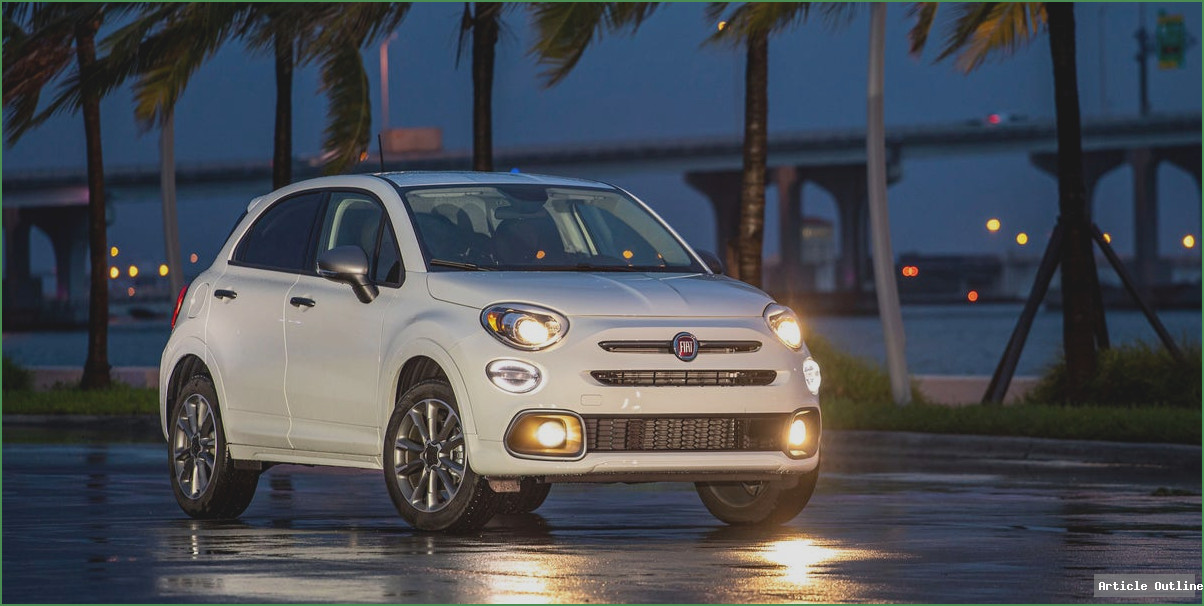
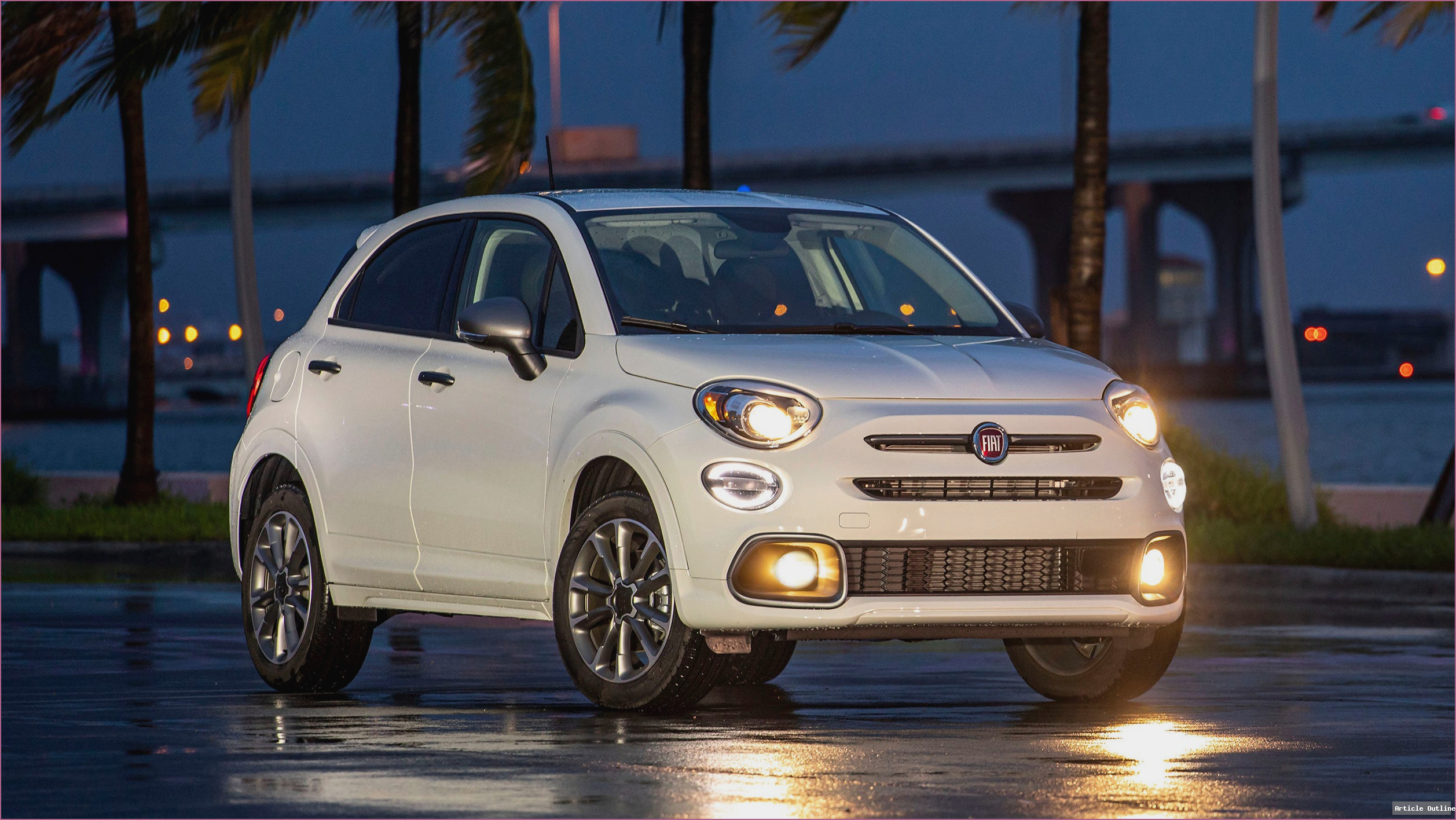
In a twist that feels straight out of a business school case study, Fiat’s best-selling vehicle in 2026 isn’t its latest tech-laden EV—it’s a discontinued SUV, the 500X. This isn’t just an oddity; it’s a sign of deeper currents shaping the auto industry and consumer tastes.
Let’s break down why this matters, what most people miss, and the big lessons for automakers and buyers alike.
Why This Matters
- Legacy matters more than hype: The 500X, last sold new in 2023, outsold Fiat’s only current U.S. model, the 500e electric hatchback, in Q1 2026. That’s not just a fluke—it’s a wake-up call for brands banking solely on shiny electric launches.
- “Zombie cars” are reshaping dealership dynamics: Stellantis (Fiat’s parent) has made an art out of clearing out discontinued inventory. The 500X’s continued sales show that unsold but “new” cars can find buyers years after being axed, especially when new alternatives aren’t resonating.
- EV struggles are real: Fiat’s 500e moved only 68 units in Q1 2026—an 85% drop from the previous year. Price ($37,695) and range (149 miles EPA) are major roadblocks, reflecting broader U.S. EV hesitancy.
What Most People Miss
- Dealership strategy: Dealers sometimes keep discontinued models on the lot as “attention grabbers”—and in slow EV markets, these familiar faces can be easier to sell than new, unproven tech.
- Not just a Fiat phenomenon: Stellantis sold 45 Dodge Challengers and 23 Jeep Renegades (both last offered in 2023) in Q1 2026. Even six new Dodge Darts (discontinued since 2016!) sold last year. This isn’t a one-off; it’s an industry oddity with real sales volume.
- Consumer priorities: Many buyers still choose tried-and-true designs over the latest EVs, especially when pricing, range, and infrastructure aren’t compelling.
Key Takeaways
- Fiat sold 71 500Xs in Q1 2026, barely down from 74 a year earlier.
- The current 500e EV sold just 68 units, marking a major year-over-year decline.
- Stellantis excels at moving discontinued inventory, making “zombie cars” a recurring best-seller theme.
- Consumer trust in familiar nameplates often outweighs the allure of new tech, especially in the cost-sensitive, range-anxious U.S. market.
Industry Context & Comparisons
- EV headwinds are growing: The U.S. electric vehicle market is showing signs of plateauing, with affordability and infrastructure lagging. Fiat’s 500e sales mirror this trend.
- Other brands, same story: Ford, Chevy, and even Tesla have seen slowed EV adoption rates in 2025-2026. Meanwhile, Toyota and Honda hybrids are flying off lots, and legacy SUVs maintain strong demand.
- Zombie inventory: a Stellantis specialty: By contrast, brands like Toyota typically clear old stock quickly, but Stellantis’s “long tail” sales strategy seems to keep revenue coming even from discontinued vehicles.
Pros and Cons: 500X vs 500e
- 500X Pros: Familiar SUV form, proven reliability, more practical for most buyers, attractive incentives on older inventory.
- 500X Cons: Outdated tech, possible resale concerns, limited parts support over time.
- 500e Pros: Modern, eco-friendly, eligible for EV incentives (in some states), quiet and zippy urban driving.
- 500e Cons: High price, limited range, low consumer awareness, EV infrastructure gaps.
The Bottom Line
Fiat’s “best-seller” being a discontinued SUV is a symptom of consumer caution, dealer creativity, and EV market realities. Watch for this trend to continue as automakers juggle new tech rollouts with legacy model sales. If you’re car shopping, don’t be surprised to see “brand new” discontinued models on lots—sometimes, the past really does outsell the future.