The Honda Accord is a legend for a reason. After fifty years and countless awards, it’s still the poster child for practical sedans with a punch of driving fun. But with fewer trim options than ever, buyers face a familiar question: Which 2026 Honda Accord gives you the most bang for your buck?
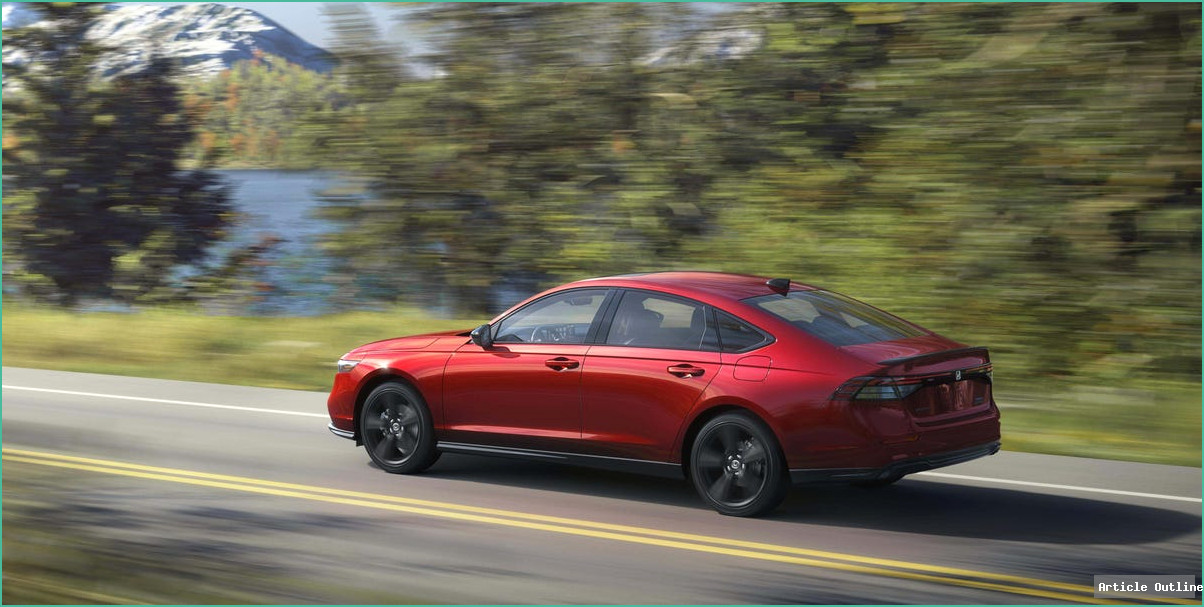
Let’s go beyond the brochure and dissect the real value in the Accord lineup. We’ll reveal why some trims are irresistible, what you might regret skipping, and how Honda’s iconic sedan stacks up against rivals in today’s sedan market.
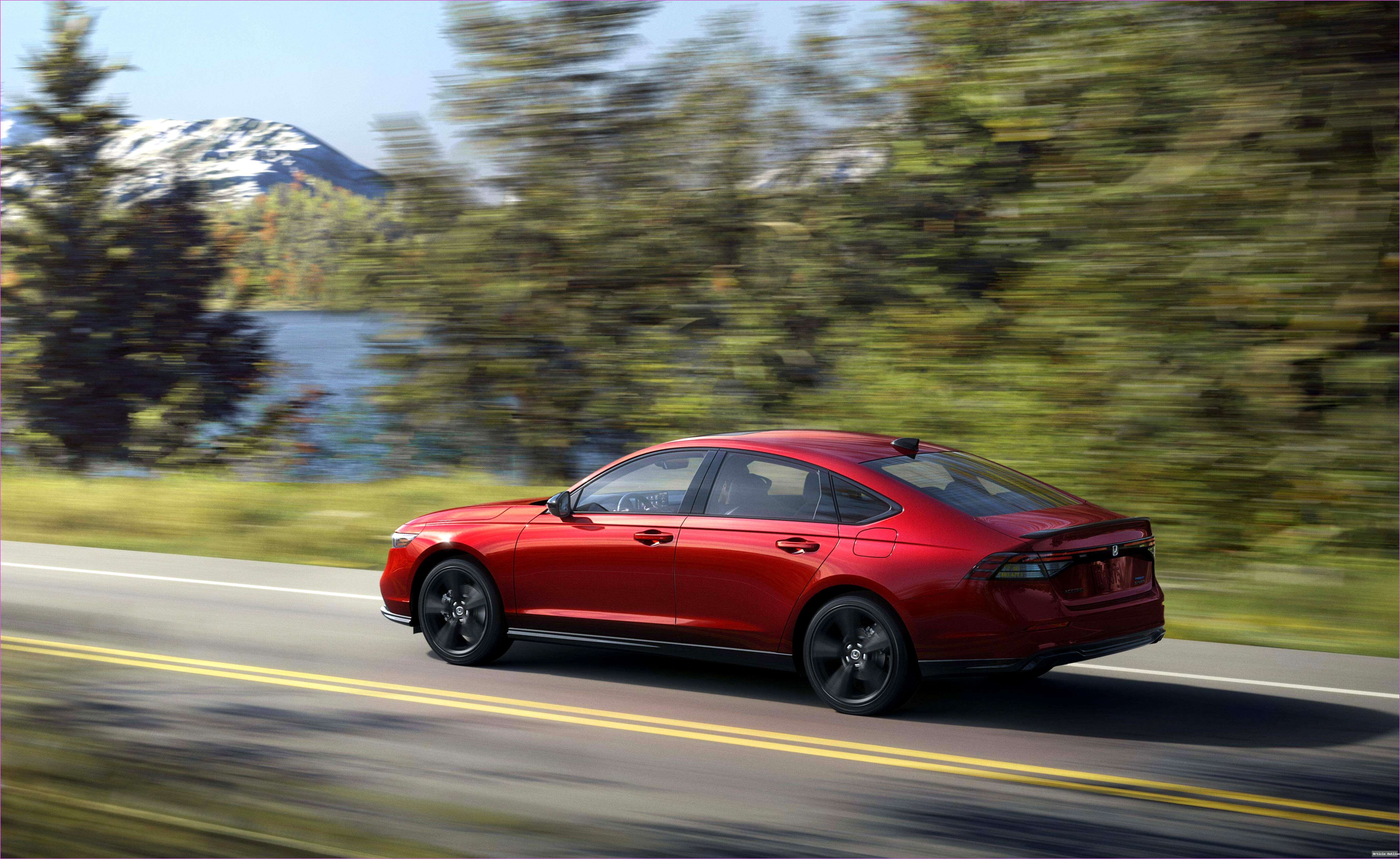
Why This Matters
- Sedans are under siege from SUVs, but the Accord continues to thrive—proving there’s still a demand for a well-rounded, fun-to-drive four-door.
- Buyers are savvier than ever, expecting not just reliability but also tech, comfort, and fuel efficiency for their money.
- The Accord’s trim walk has gotten narrower, making each choice more consequential for long-term satisfaction and resale value.
What Most People Miss
- The Sport Hybrid is a hidden gem: At $34,990, it’s the first trim offering the more powerful (204 hp) and much thriftier 2.0L hybrid engine—delivering up to 44 mpg city/41 highway. Most buyers focus on leather or gadgets, but the real sweet spot is here.
- No à la carte options: Honda’s trims are fixed, so if you want leather or ventilated seats, you’ll need to step up—potentially paying for features you don’t care about.
- Higher trims mimic luxury sedans: The Touring Hybrid, at $40,690, offers heated/ventilated seats and tech that rivals entry-level Lexus and Acura models, but with Honda’s bulletproof value and lower running costs.
Key Takeaways
- Sport Hybrid is the value champion: Sporty looks, best powertrain, and impressive efficiency—without unnecessary frills.
- Sport-L Hybrid/EX-L: Adds leather and a few creature comforts, but at a notable price bump (+$1,700 for leather alone).
- Touring Hybrid: For Accord loyalists or those cross-shopping luxury sedans—this is where Honda flexes its tech and comfort muscles.
- All trims hold their value well, thanks to Honda’s reputation for reliability and low cost of ownership.
Industry Context & Comparisons
- In 2023, sedans accounted for only 21% of new car sales in the US, yet the Accord remains a top seller—outpacing rivals like the Toyota Camry and Hyundai Sonata in key comparison tests.
- Hybrid trims in midsize sedans are hot commodities, with resale values 10–15% higher than their gas-only counterparts over five years.
- Unlike Toyota, which offers hybrid across nearly all Camry trims, Honda reserves the best powertrain for mid and upper trims, subtly nudging buyers upwards.
Timeline: Honda Accord’s Evolution
- 1976: Accord debuts, setting a new standard for Japanese sedans.
- 1983: Accord earns its first Car and Driver 10Best Award—kicking off a decades-long streak.
- 2018: Accord drops V6, pivots to turbo and hybrid power for efficiency and performance.
- 2026: Accord lineup is streamlined, with hybrids leading the charge.
Pros and Cons
- Pros: Legendary reliability, excellent fuel economy (especially hybrids), strong resale, fun-to-drive DNA, top-tier safety tech.
- Cons: No more V6 option, no manual transmission, fixed trim levels limit customization, price creep into near-luxury territory on top trims.
Expert Commentary
“For the practical enthusiast, the Sport Hybrid is the Accord’s sweet spot. It delivers the perfect blend of value, performance, and efficiency—without the badge snobbery or price tag of luxury sedans. But if you crave every bell and whistle, the Touring Hybrid is a legitimate alternative to entry-level premium brands, minus the premium headaches.”
The Bottom Line
The 2026 Accord Sport Hybrid is the smart buy for most drivers. It ticks every box that matters: looks, efficiency, power, and value. Go higher if you must have luxury touches—but know that Honda’s mainstream sedan still outsmarts the competition where it counts most: delivering more for less, year after year.