The journey of a humble 1976 Volkswagen T2 Microbus from the streets of Budapest to the global stage is more than a story about a car—it’s a testament to nostalgia, cultural legacy, and the power of storytelling in both film and toys. This VW, now immortalized as a Matchbox die-cast replica, is not just a collector’s item, but a rolling chronicle of European history, friendship, and the enduring magic of childhood play.
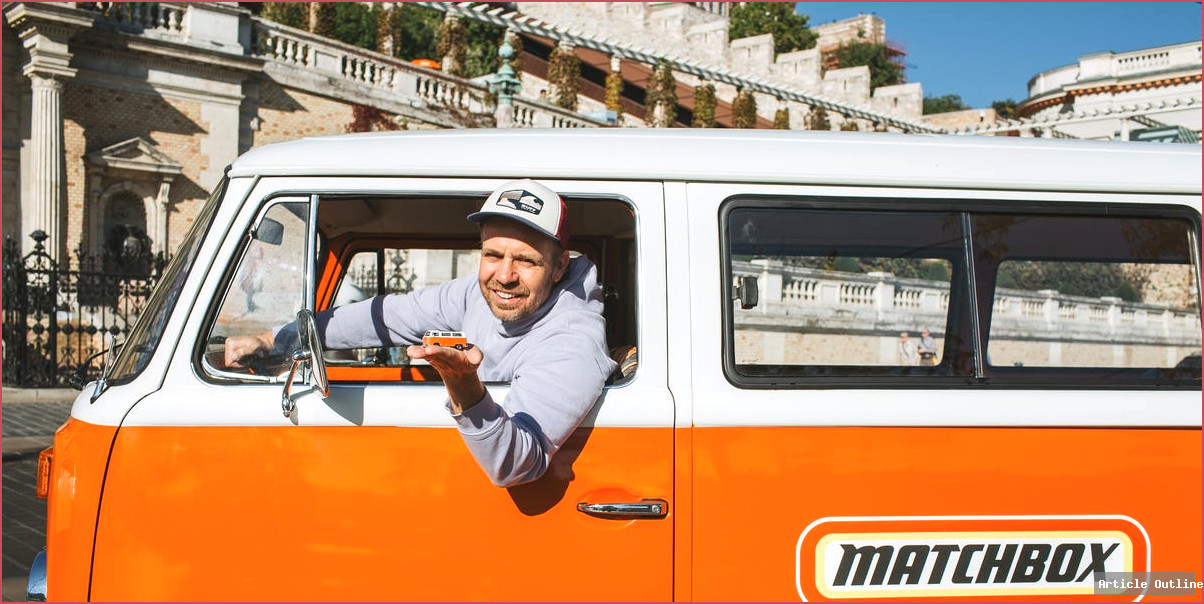
Let’s peel back the layers on why this orange bus, which first served the Hungarian Water Works, is so much more than a movie prop or a toy car. Here’s what makes its story resonate worldwide—and why it matters beyond the collector’s shelf.
Why This Matters
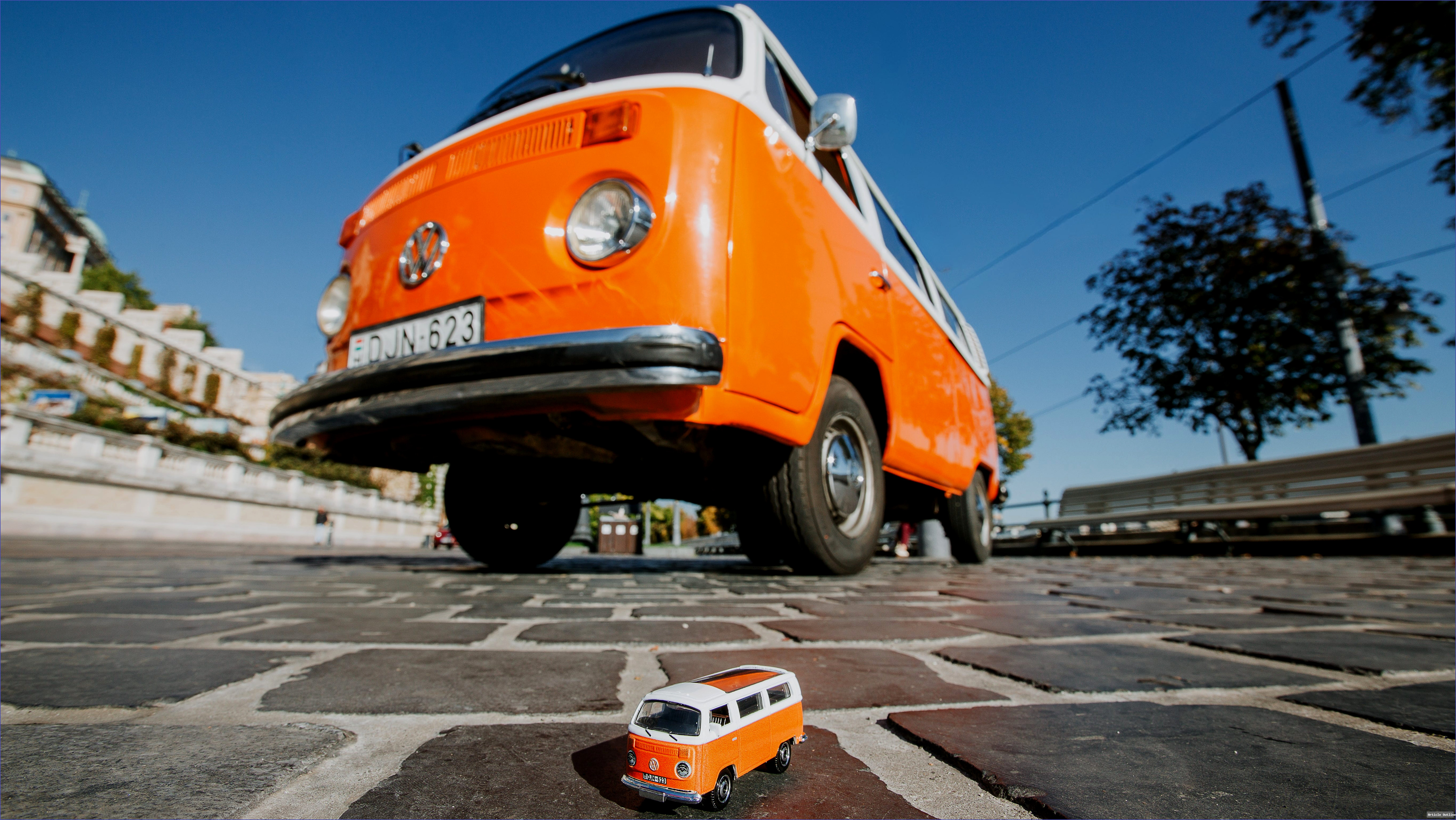
- A rare case of real-life detail in mass-market toys: Matchbox didn’t just make a generic microbus—the model mirrors the actual Hungarian license plate (DJN-623) and even the aftermarket sunroof. In a world of generic toy cars, that’s a striking nod to authenticity and personalized storytelling.
- The VW T2 as a symbol of shifting cultures: While in the U.S. the Microbus is linked to counterculture and surf culture, in Europe, it’s a workhorse—urban, utilitarian, and woven into daily life. This dual identity is rarely highlighted, yet it shapes how different generations and regions relate to the same vehicle.
- Connecting generations through nostalgia: From the original owner, Thaly, who drove it off a train in the 1970s, to grandchildren camping across Europe, to modern ad execs using it as a brand icon, the T2’s legacy is about forging bonds across time and communities.
What Most People Miss
- The ‘Chicken Tax’ impact: The U.S. “chicken tax” of 1964 led to the Microbus being sold as a passenger van in the States, while Europe continued to embrace it as a working van. This regulatory quirk deeply shaped the bus’s cultural trajectory and prevalence.
- Matchbox vs. Hot Wheels – more than just toys: Hot Wheels focus on speed and fantasy; Matchbox models, like this VW, are grounded in reality, often celebrating the ordinary vehicles that shape our world. This distinction is why the Matchbox brand feels uniquely nostalgic and relatable.
- The unsung heroism of vehicle preservation: Most movie cars are lost or forgotten, but thanks to careful stewardship, this T2 survived stunts, brand campaigns, and decades of use. Its accurate Matchbox replica is the payoff for decades of love and preservation.
Key Takeaways
- Authenticity sells: When toys reflect real stories and real vehicles, they create emotional resonance—and become more than just collectibles.
- Cars as cultural bridges: The VW T2 connects not just generations, but advertising, cinema, and hobbyist worlds, showing the power of shared icons.
- Everyday objects can achieve legendary status with the right narrative. A service van in Hungary becomes a global icon—thanks to storytelling and attention to detail.
Timeline: The Life of the Hungarian VW T2B Microbus
- 1976: Delivered by train to Budapest for Hungarian Water Works; driven by Thaly.
- 1984: Retired from fleet, purchased by Thaly for personal/family use.
- 2013: Reappears on the market, bought by Dávíd Sipos, an ad exec.
- 2023: Featured in Matchbox: The Movie; becomes a Matchbox die-cast model with its actual license plate.
Industry Context & Comparisons
- Classic car preservation is on the rise: According to FIVA (Fédération Internationale des Véhicules Anciens), interest in classic vans and utility vehicles has surged, especially among millennials and Gen Z.
- Toy authenticity matters: Brands like Matchbox and LEGO increasingly leverage real-world partnerships to appeal to adult collectors and nostalgia-driven buyers.
Pros & Cons: Real-life Movie Tie-In Cars as Toys
- Pros:
- Deeper connection for fans and original owners
- Promotes car culture and preservation
- Drives up collectible value
- Cons:
- Limited production can frustrate collectors
- May overshadow other classic vehicles deserving attention
The Bottom Line
This Hungarian VW T2 is a moving testament to how ordinary vehicles, when paired with personal histories and pop culture, transcend their utilitarian roots. The attention to detail by Matchbox, the cross-generational joy the van brings, and its journey from Budapest to the global toy aisle all underscore one thing: Objects matter most when they carry our stories.