China’s Geely Auto Group, widely regarded as the world’s fastest-growing automaker, has been flirting with the idea of entering the U.S. market. But what does this mean for American drivers, the EV landscape, and global auto competition? Let’s break down why this slow dance across the Pacific is more than just another car company expansion story—it could be a seismic shift.
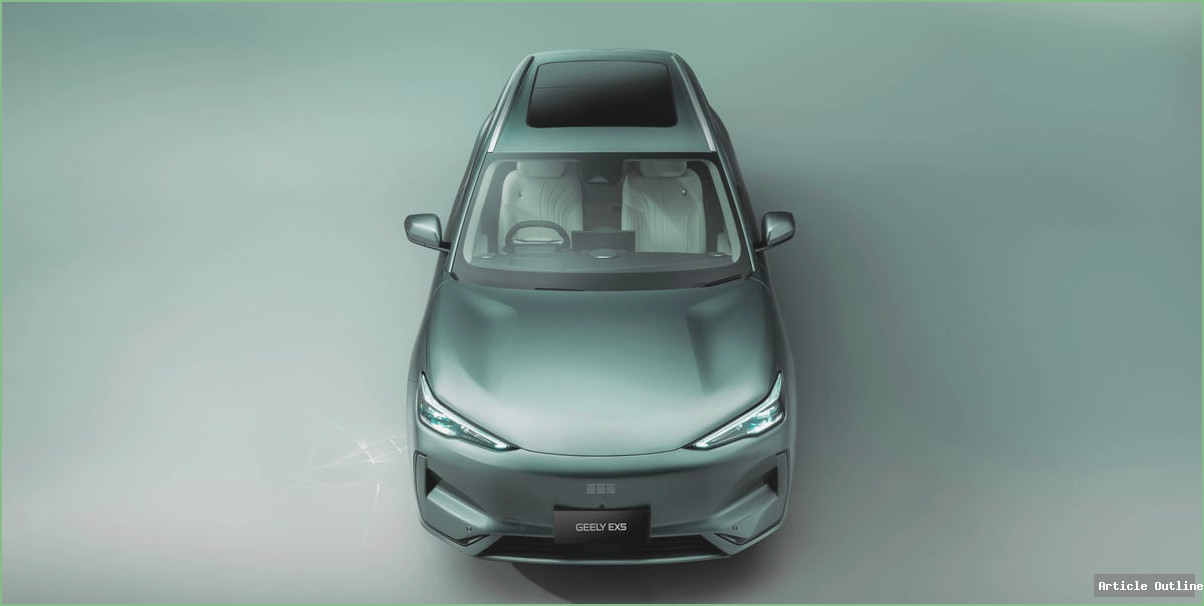
While Geely’s top brass are playing it cool about an official U.S. launch, their presence at CES and a showcase of vehicles like the Zeekr 7X and EX5 have everyone buzzing. With a track record of rapid growth (over 3 million cars sold in 2025, nearly half of them electrified), Geely’s global ambitions are impossible to ignore.

Why This Matters
- Geely’s arrival could supercharge EV competition in the U.S., driving down prices and forcing established brands to up their game.
- The company’s close ties with Volvo, Polestar, and Lynk & Co. mean their technology is proven and could quickly adapt to American tastes.
- Geopolitical and regulatory hurdles (tariffs, local manufacturing requirements, data privacy rules) could reshape not just Geely’s plans, but the entire industry’s approach to global expansion.
What Most People Miss
- Geely is already in America—sort of. Their Volvo and Polestar brands (both Geely-owned) have a strong U.S. presence and established manufacturing in South Carolina.
- Adaptability is in their DNA. Geely’s ability to reskin infotainment and tweak interfaces for different markets means a flexible approach to U.S. consumer demands.
- Pricing is the potential game-changer. The EX5’s sub-$16,000 price in China (even accounting for markups and tariffs) could massively undercut rivals if Geely finds the right formula.
- Their hybrid tech is ahead of the curve. The Lynk & Co. ‘Super Hybrid’ and Zeekr 9X offer plug-in electric ranges and charging speeds that could leapfrog what’s currently available in the U.S.
Key Takeaways
- Geely is patient but persistent: While they’re not rushing in, the groundwork is being laid via partnerships, existing manufacturing, and strategic market launches (like Mexico and Brazil).
- Tech-first, value-focused approach: Geely’s latest models, especially from Zeekr, offer luxury touches and performance at mainstream prices, targeting both the Model Y crowd and budget-conscious families.
- Brand strategy is still evolving: Will they come in as a disruptor (like Hyundai/Kia did) or play the premium game? The answer may depend on how well they can navigate U.S. regulations and consumer trust issues with Chinese brands.
Industry Context & Comparisons
- U.S. EV sales grew by 47% in 2023, but price, range, and tech remain sticking points. Geely’s competitive pricing and plug-in hybrid range could hit a sweet spot.
- Other Chinese brands (BYD, NIO) have eyed the U.S., but tariffs and political tensions have kept them at bay. Geely’s global manufacturing partnerships (with Renault, Volvo, Polestar) could provide a shortcut.
- Volkswagen’s ID.4, Tesla’s Model Y, and Hyundai’s Ioniq 5 are the current EV benchmarks. Geely’s Zeekr 7X and EX5 offer similar or better specs at potentially lower prices.
Pros and Cons of Geely’s U.S. Entry
- Pros:
- Potentially lower EV prices for consumers
- Fresh tech and plug-in hybrid options
- Increased competition = better products
- Cons:
- Tariffs and regulatory delays
- Consumer skepticism about new Chinese brands
- Possible disruption for established brands
Action Steps and Practical Implications
- Watch for announcements at major auto shows. Geely may move quickly once the regulatory dust settles.
- Compare forthcoming models’ specs and pricing to current EVs and hybrids.
- Dealers and consumers should prepare for a new wave of competition—potentially with direct sales, subscription models, or new tech features.
“We are pretty cautious, entering the U.S. market,” said Geely’s VP Li Chuanhai. That caution could be the secret to their eventual success—when they move, it’ll be strategic, not rushed.
The Bottom Line
Geely’s U.S. ambitions are a big deal. If they get the formula right—balancing tech, price, and regulatory compliance—American drivers could soon have access to EVs and hybrids that make today’s options look overpriced. The next two to three years could see a new player upend the U.S. auto market, much as Toyota and Hyundai did decades ago. Watch this space!