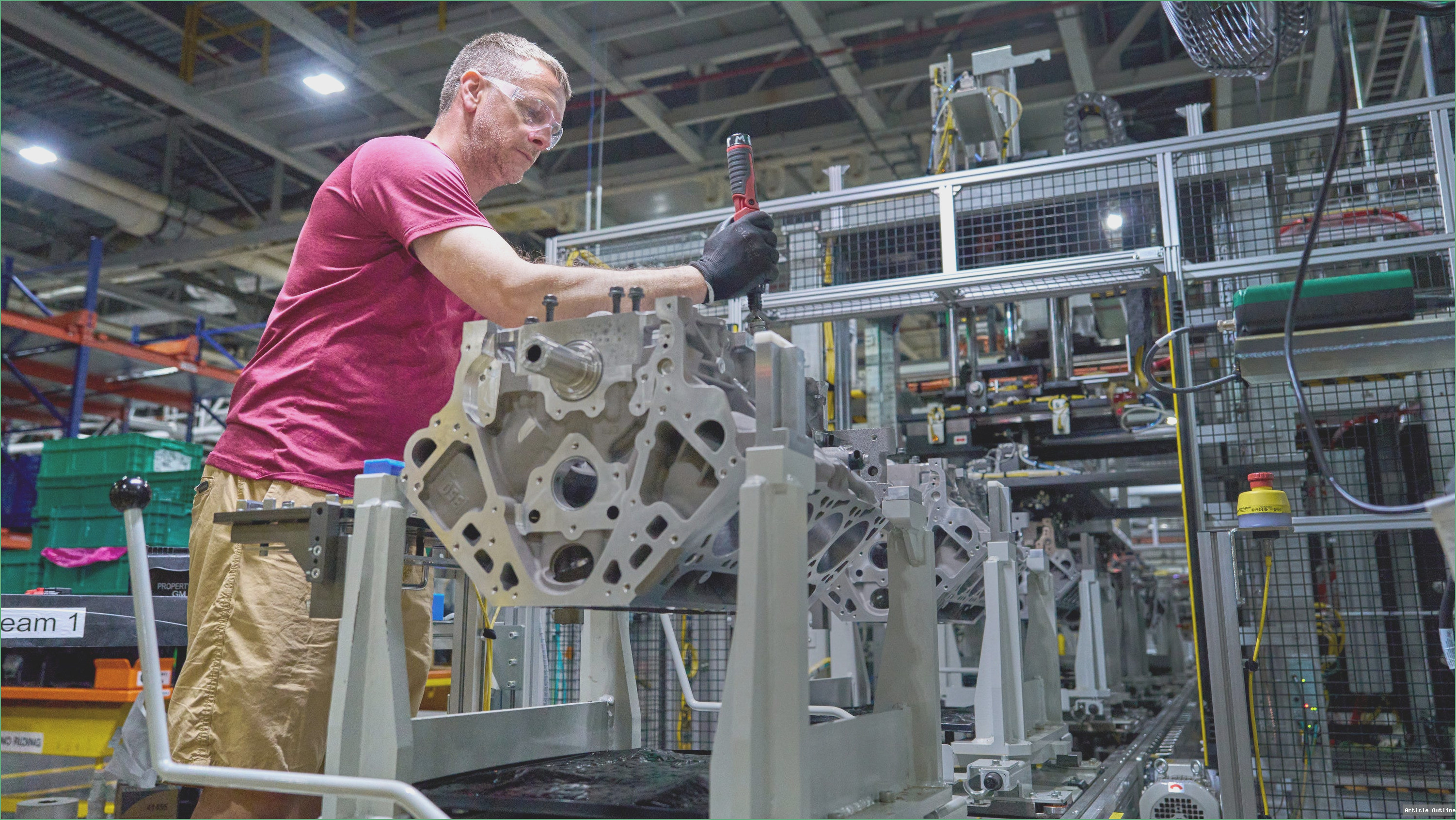
General Motors has just lifted the curtain on its sixth-generation small-block V-8s—powertrains destined for the 2027 Chevrolet Silverado 1500 and GMC Sierra 1500. But this isn’t just another incremental update. These new engines represent a major leap in power, refinement, and strategic direction for the last heavy-hitters of the internal combustion era.
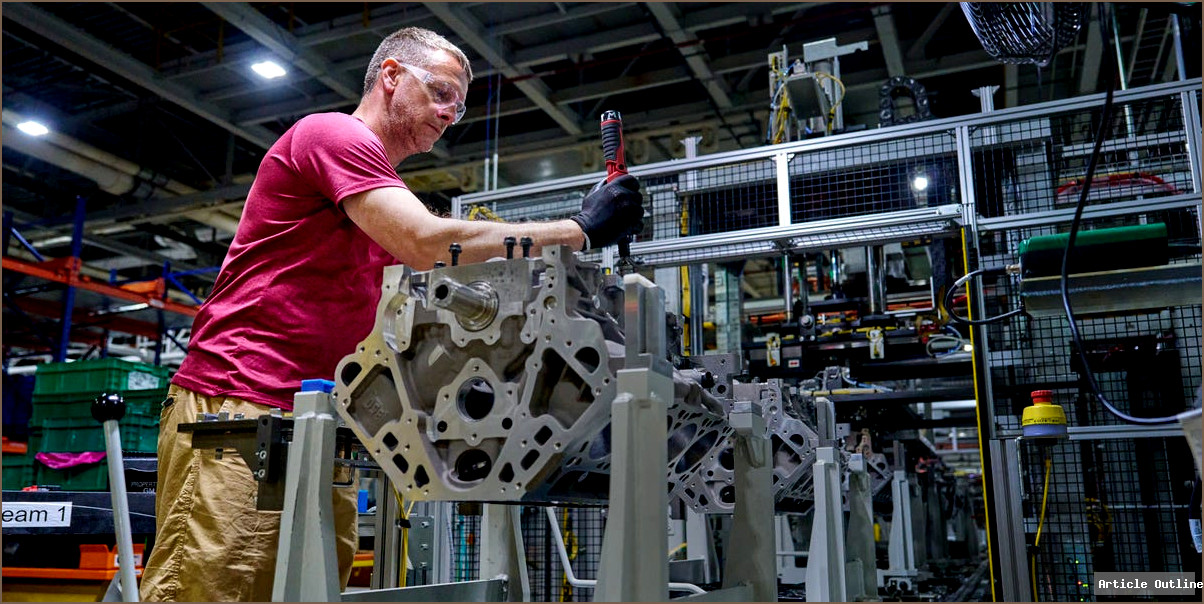
Amid a wave of EV headlines, GM is doubling down on its legendary small-block formula—proving that, for truck buyers at least, there’s still plenty of life left in big, burly V-8s. Let’s break down what most news coverage misses, why this matters for the truck world (and beyond), and what buyers should actually care about.
Why This Matters
- GM is pushing the limits of traditional V-8 tech at a time when most rivals are shrinking engines or going electric. The new 5.7L and 6.6L engines deliver 402 and 481 horsepower, respectively—both outpacing their predecessors by a wide margin.
- These engines are a key pillar in GM’s strategy to keep its light-duty trucks competitive, even as EV adoption grows slowly in the pickup segment.
- Towing and hauling remain king: The new V-8s help push max towing to up to 13,700 pounds (Silverado), besting even the outgoing models and keeping GM at the top of the full-size truck capability wars.
What Most People Miss
- The jump in output isn’t just about bragging rights. With 402 hp/428 lb-ft (5.7L) and 481 hp/501 lb-ft (6.6L), these engines close the gap with Ford’s 5.0L Coyote and Ram’s Hemi alternatives, while offering a more refined, tried-and-true architecture.
- GM kept its signature cam-in-block design (OHV) and two valves per cylinder. Why? It’s lighter, more compact, and delivers low-end grunt—traits that matter for real-world truck buyers.
- The higher compression ratio and redesigned intake mean better efficiency, not just more power. GM is eking out more from every drop of fuel, which is crucial as fuel economy targets get stricter.
- The 10-speed automatic is now standard across the lineup, pairing seamlessly for maximum torque delivery and improved drivability.
Key Takeaways
- GM’s sixth-gen small-blocks could be the last hurrah for big V-8s in mainstream trucks—and they go out with a bang.
- Both engines leapfrog their predecessors—the 5.7L replacing the old 5.3L (up from 355 hp to 402 hp), and the 6.6L outmuscling the old 6.2L (up from 420 hp to 481 hp.)
- The towing arms race continues: 13,700 lbs for Silverado, 13,500 lbs for Sierra, both higher than prior models.
- GM didn’t neglect its other powertrains: The 2.7L turbo-four and 3.0L Duramax diesel both get meaningful upgrades, keeping the lineup robust for all buyers.
Industry Context and Comparisons
- Ford and Ram have increasingly shifted to smaller, turbocharged engines and electric models. Meanwhile, GM’s focus on traditional V-8s appeals to loyal truck buyers who value reliability, simplicity, and proven power delivery.
- Despite the EV push, full-size truck buyers overwhelmingly still choose gasoline engines. In 2023, EV pickups accounted for less than 2% of full-size truck sales in the U.S. (Cox Automotive).
- GM’s move is a direct response to market data: truck owners still demand V-8 power, especially for towing and work applications.
Pros and Cons
- Pros:
- Massive power and torque increases
- Improved efficiency and towing capacity
- Proven durability and reliability of GM’s small-block design
- Broad transmission and engine choice for buyers
- Cons:
- Potentially higher fuel consumption than smaller, turbocharged rivals
- May face future regulatory pressures as emissions standards tighten
- Still no full hybrid or all-electric option for traditionalists
The Bottom Line
GM’s sixth-generation small-block V-8s are more than just new engines—they’re a statement. In a world rushing towards electrification, GM is betting that there’s still a huge market for big, brawny, and reliable V-8 power. The new Silverado and Sierra will be among the most powerful, capable, and compelling choices for truck buyers who want real muscle under the hood. Whether this is a last stand or the start of a small-block renaissance remains to be seen, but one thing is clear: the V-8 isn’t dead yet.