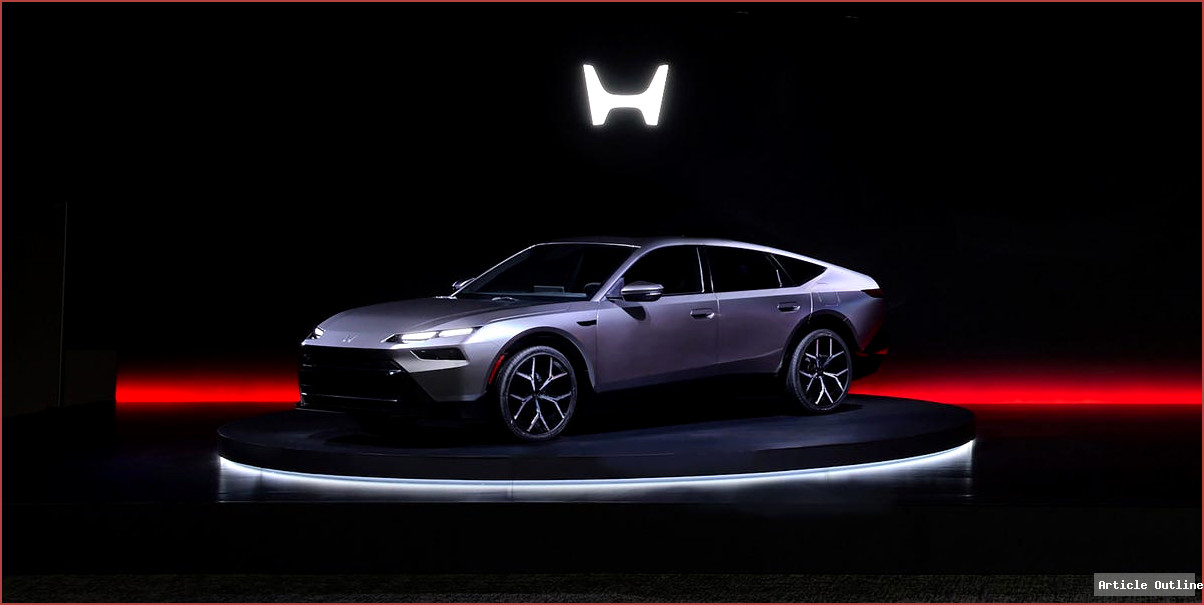
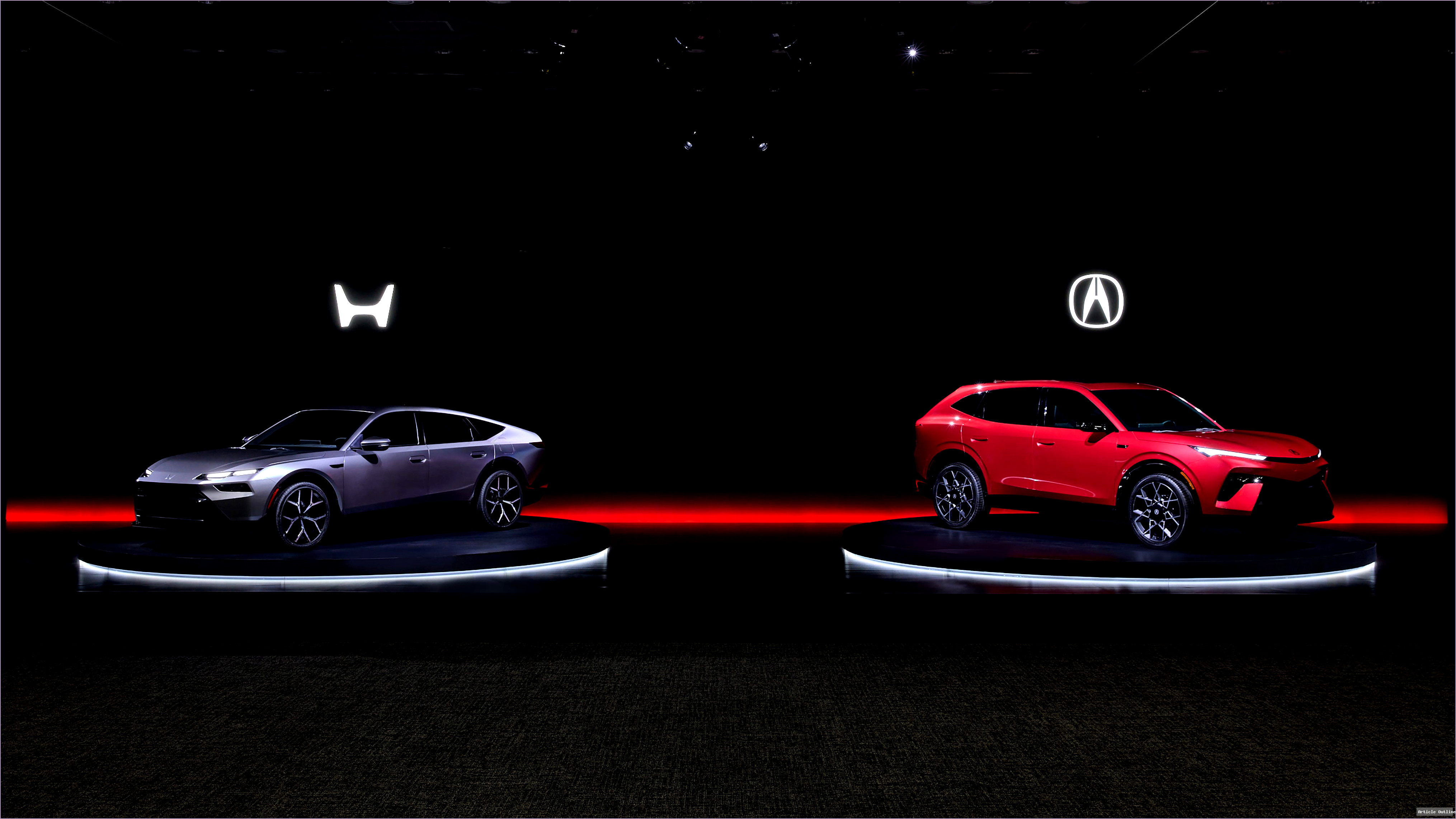
Honda has just pulled the wraps off two major hybrid prototypes—the next-generation Accord and Acura RDX—marking a fresh, strategic shift in its electrification journey. But this isn’t just another product announcement; it’s a signal flare for where mainstream automakers are steering as the EV market hits a reality check.
Why This Matters: The global race to electrification has hit turbulence. Honda, once betting big on full EVs, is recalibrating its strategy after reporting its first annual loss since 1957. With American EV demand softening and economic jitters everywhere, Honda’s move to double down on hybrids isn’t just pragmatic—it’s downright necessary. This is a pivot that could shape the next decade of automotive competition.
What Most People Miss
- Hybrid Isn’t a Step Back—It’s a Leap Forward: Many see hybrids as yesterday’s tech, but Honda’s next-gen system aims to slash costs by 30% and improve fuel economy by over 10%. That’s huge, especially when most EVs are still too pricey for the average buyer.
- Repurposing the 0-Series: Honda’s failed all-EV 0-series might sound like a sunk cost, but the company is recycling those expensive architectures and tech into these new hybrids—turning a loss into potential market advantage.
- Factory Re-Tooling: Honda is shifting its North American production muscle toward hybrids, not EVs. That’s a bet few saw coming, but it aligns with surging hybrid sales in the U.S. (up 76% year-over-year as of Q1 2024).
Key Takeaways
- Two New Hybrids, Many More Coming: The Accord Hybrid Sedan Prototype and Acura RDX Hybrid SUV Prototype are just the start—Honda says 15 new models (including fully new nameplates) will roll out globally by 2029.
- Cost and Efficiency at the Core: Honda’s new hybrid system will share batteries and electric drive units across compact and midsize models, keeping prices competitive and saving R&D dollars.
- Electric AWD, But Few Specs Yet: Honda teases a new electric AWD unit, but is tight-lipped on details. Expect more torque and possibly a competitive edge over Toyota’s hybrid AWD offerings.
- Hybrid Over EV for the Mainstream: Unlike Ford and GM, who are doubling down on EVs (despite recent slowdowns), Honda’s hybrid-first plan could position it as the go-to brand for buyers who want efficiency without range anxiety or charging hassles.
Industry Context & Comparisons
- Toyota’s Hybrid Dominance: Toyota’s RAV4 Hybrid and Prius consistently outsell most EVs in the U.S. Honda clearly wants a slice of that pie, especially as hybrid market share grows.
- EV Market Reality: Despite the hype, EVs made up just 7.6% of U.S. new car sales in 2023, while hybrids shot up to nearly 10%. Honda’s read of the room is spot-on.
- Competitive Edge: With improved fuel efficiency, lower production costs, and a familiar driving experience, these next-gen Honda hybrids could outflank not just Toyota, but also Hyundai, Kia, and even some lagging U.S. brands.
Timeline: Honda’s Hybrid Rollout
- 2024: Prototypes revealed, production plans announced.
- 2025–2026: Accord and RDX hybrid production launches globally.
- 2027–2029: 13 additional models join the lineup, including new nameplates and segments.
Pros & Cons Analysis
- Pros: Lower costs, improved efficiency, less dependence on rare EV minerals, familiar ownership experience.
- Cons: Not fully zero-emissions, may face regulatory challenges in Europe/China, could cannibalize Honda’s own EV ambitions long-term.
The Bottom Line
Honda isn’t just following the hybrid trend—they’re rewriting the playbook. With a savvy mix of cost-cutting, tech re-use, and a shrewd read of the market’s appetite, Honda’s Accord and RDX hybrids may just become the new gold standard for buyers who want greener cars without the EV headaches. Watch this space—2025 could be the year hybrids eclipse EVs in public favor.