When we think of iconic art cars, most people imagine psychedelic BMWs or Andy Warhol’s bold brushstrokes. But few realize that decades before ‘art car’ became a mainstream concept, Dr. Phyllis Yes (aka Dr. Yes) was already challenging the automotive and artistic status quo—with a lace-patterned 1967 Porsche 911S she dubbed “Por-She.” Her car is back in her hands, and that’s a much bigger deal than you might think.
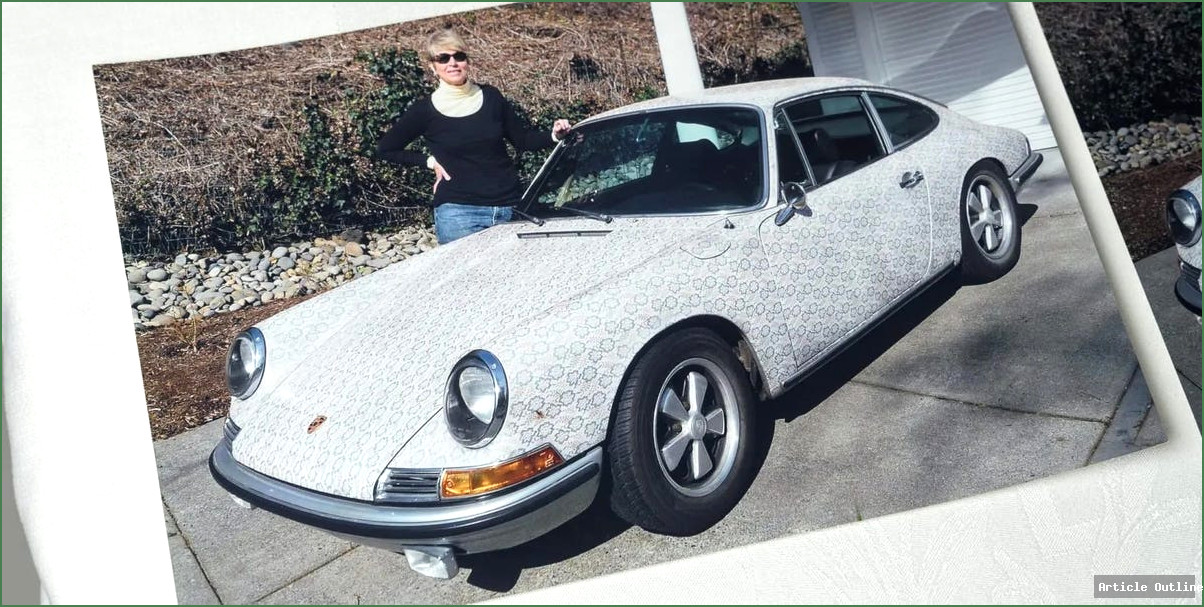
So what makes this lace-draped, air-cooled sports car matter in 2024? Let’s dig deeper than the headlines and explore the artistic, cultural, and automotive significance of Por-She’s return.
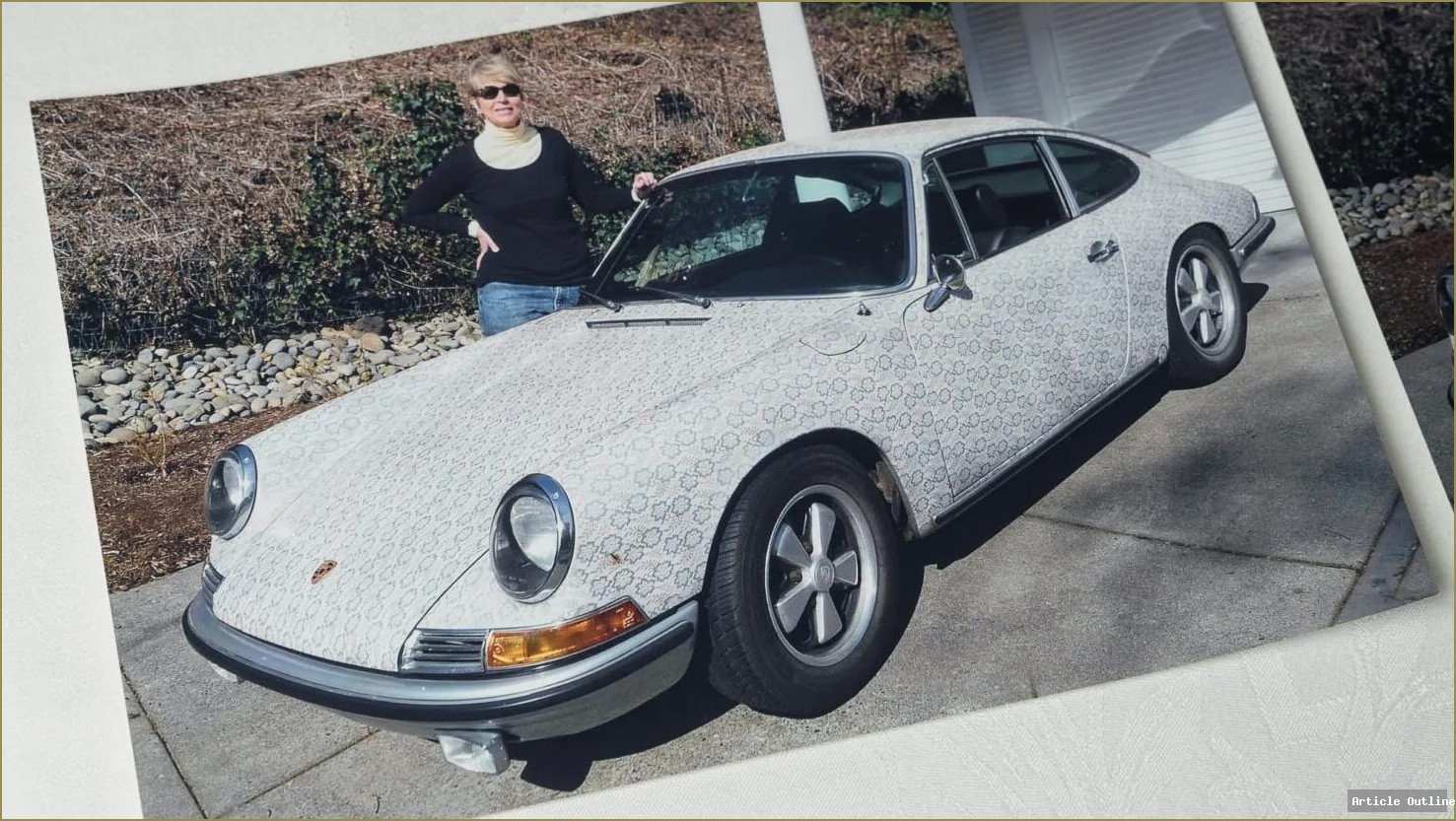
Why This Matters
- Art Meets Machine: Dr. Yes’s Porsche isn’t just a collectible classic. It’s a statement piece that questions gender roles, challenges automotive purism, and blurs the line between gallery and garage.
- Preservation of Feminist Art: By buying her own car back for $250,000, Dr. Yes ensures the preservation of a radical feminist artwork at a time when women’s contributions to both art and car culture are still overlooked.
- Rarity and Value: Air-cooled Porsche 911s are already skyrocketing in value (recent sales often top $200,000 for pristine examples), making the preservation of this unique piece both a financial and cultural statement.
What Most People Miss
- The Car Wasn’t Always Sacred: In 1984, a ‘67 911S was just a cool old car—not a holy relic. Painting it was rebellious, not sacrilegious.
- The Technique Is Art in Itself: The lace-pattern wasn’t sprayed on in an afternoon. Hundreds of hours went into using actual lace as a stencil, creating an intricate, subversive “doily” on a symbol of male-dominated performance culture.
- It’s a Rolling Exhibit: Unlike most art, this piece toured shows and events, even winning People’s Choice at Legends of the Autobahn. It’s lived a life as dynamic as any performance car.
Key Takeaways
- Art cars force us to reconsider what “originality” means in collector culture.
- The intersection of gender, performance, and art is rarely this visible—or this drivable.
- Self-repatriation by artists is rare but powerful, ensuring legacy and intent endure.
Industry Context & Comparisons
- Art Cars in History: While BMW’s Art Car program (starting in 1975) is often cited as a first, Dr. Yes’s Por-She predates most famous examples and adds a gendered lens missing from the mainstream.
- Valuation Trends: Hagerty data shows early 911S prices up 500% since the 2000s. But few, if any, are considered art-world assets—Por-She is both.
- Recent Developments: The rise of museum-worthy “rolling art” (think Mercedes’ Maybach by Virgil Abloh) means Por-She’s new museum home is right on trend.
Expert Commentary
“The world’s fastest doily”—Wall Street Journal (on Por-She’s debut)
“It’s the best possible outcome… It upsets the purists a little and stirs up conversation. It’s a car, but it’s art. And once again, it belongs to her.”
Action Steps & Practical Implications
- For Collectors: Rethink restoration—sometimes preserving “unauthorized” art makes a car more, not less, valuable.
- For Museums: Consider the value of acquiring or displaying art cars with social commentary, not just aesthetic appeal.
- For Artists: Don’t let your legacy get auctioned off without your say—if you can, reclaim your work.
The Bottom Line
Dr. Yes’s Por-She is more than a quirky Porsche—it’s a feminist manifesto on wheels, a lesson in the value of self-determination, and a reminder that art doesn’t have to sit on a pedestal to change the world. Its museum future ensures that both car lovers and art aficionados can debate, admire, and be inspired by a true original.