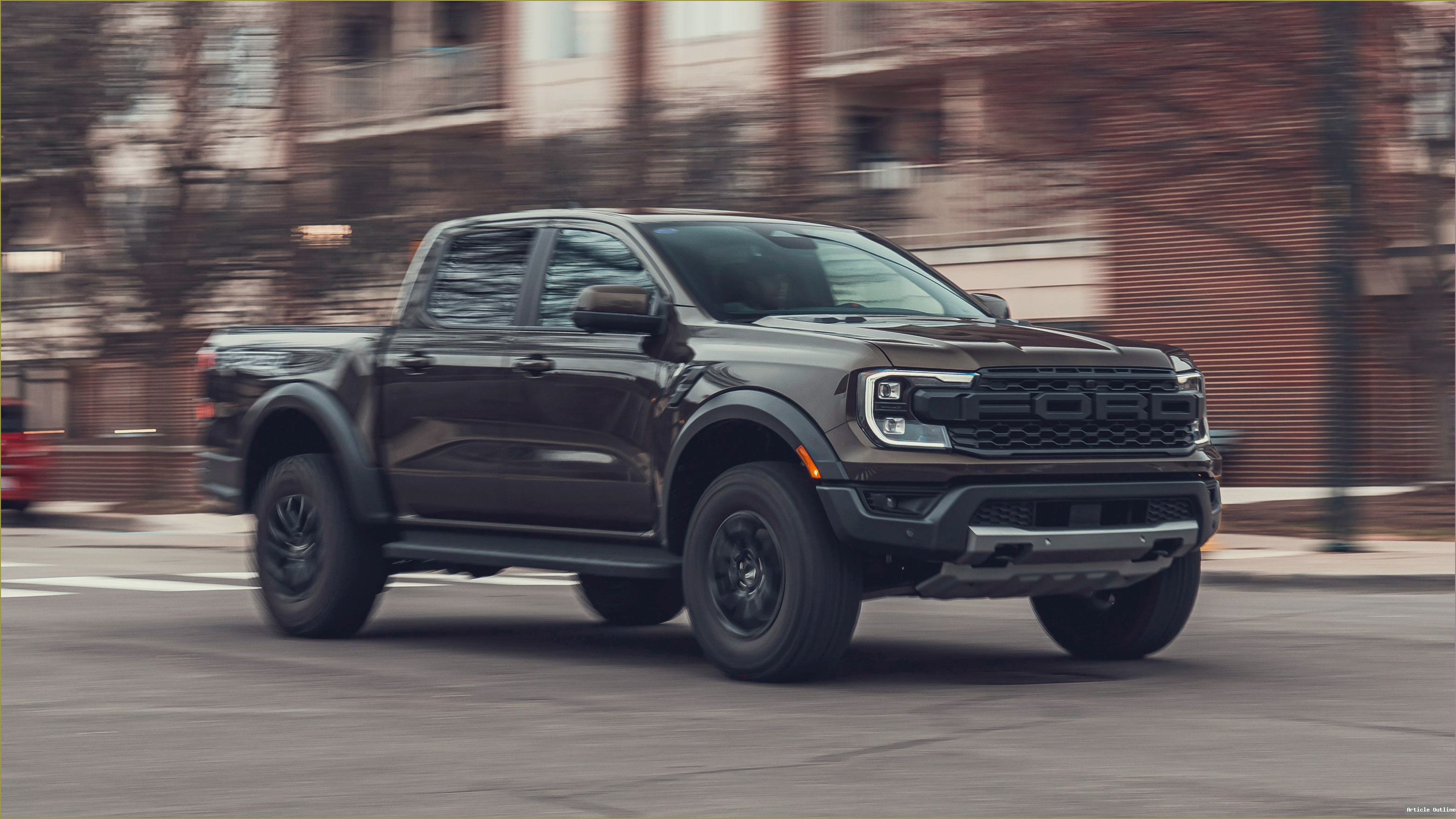
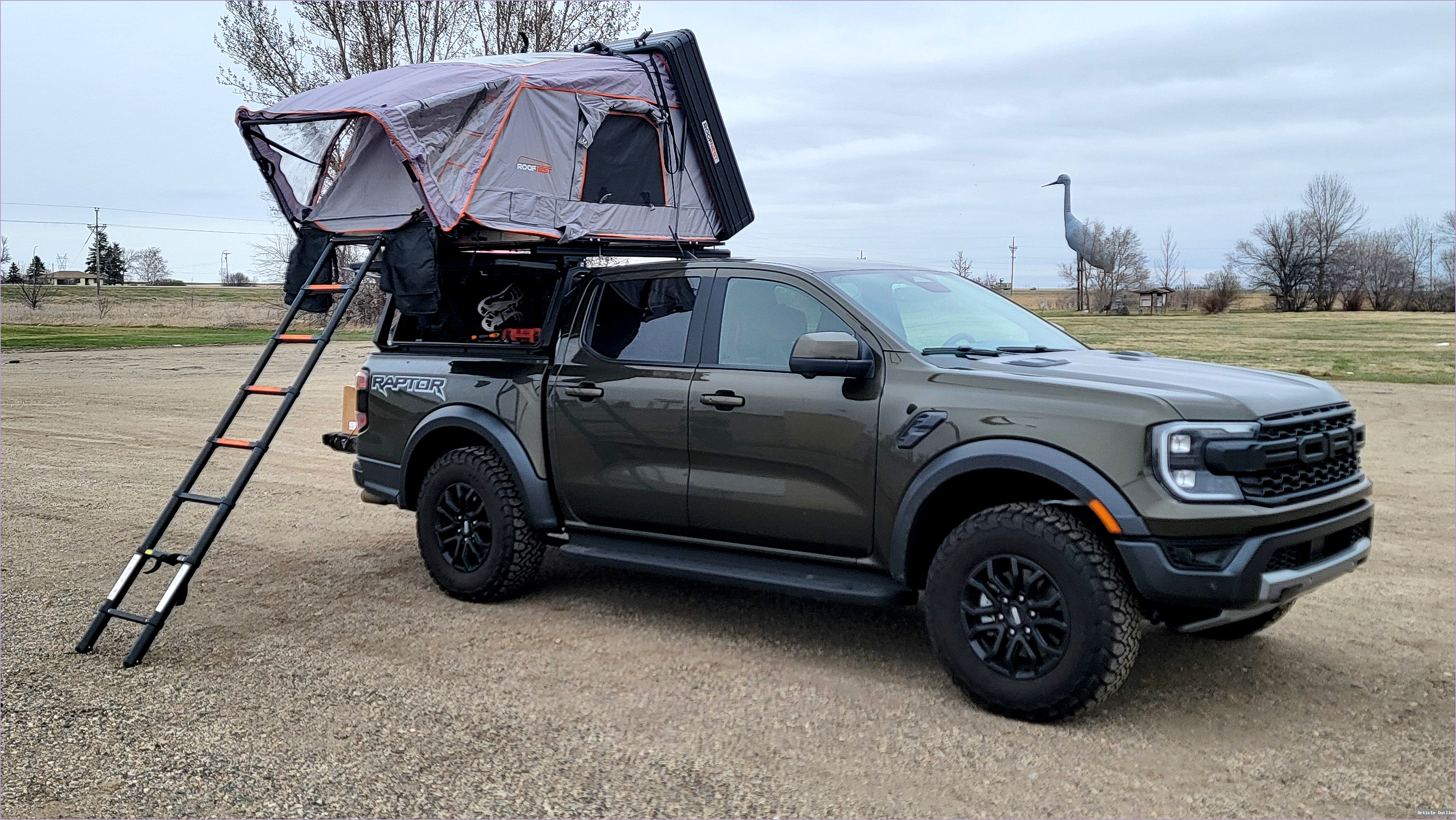
Outfitting a Ford Ranger Raptor for overlanding seems like a no-brainer for adventure seekers. But what really happens to performance when you add nearly 450 pounds of gear, a rooftop tent, and enough supplies to make Bear Grylls jealous? The recent long-term test by Car and Driver offers some surprising—and not-so-obvious—lessons for anyone considering turning their pickup into a rolling basecamp.
Why This Matters
- Overlanding is booming, but most buyers don’t understand how gear impacts performance and efficiency.
- Ford’s Ranger Raptor is a performance icon—so changes here reflect broader trends in truck culture.
- Real-world data (not just manufacturer specs) is crucial for informed buying and modification decisions.
What Most People Miss
- Added weight can actually improve braking. With a rooftop tent and gear, the Raptor’s front-to-rear weight balance shifted from 55/45 to almost 50/50, resulting in a 12-foot shorter stop from 70 mph despite the extra mass.
- Aerodynamic drag is the real fuel economy killer, not just weight. That rooftop tent isn’t just heavy—it’s like strapping a parachute to your truck. Highway fuel economy dropped from 18 to 16 mpg, a nearly 11% decline, mostly due to increased drag coefficient at speed.
- Public perception can be at odds with technical reality. The Raptor, bristling with overland accessories, earned admiring looks and comments, even as its performance numbers dipped.
Key Takeaways & Data
- 0-60 mph Time: Rose from 5.2 seconds (stock) to 5.8 seconds (with gear)
- Quarter-Mile: Slowed from 13.9 sec @ 98 mph to 14.6 sec @ 93 mph
- Braking (70-0 mph): Improved from 223 ft to 211 ft
- Highway MPG (75 mph): Dropped from 18 mpg to 16 mpg
- Total Added Weight: 446 lbs (for tent, rack, gear, fuel, water)
Pros and Cons Analysis
| Pros | Cons |
|---|---|
|
|
Broader Context & Industry Trends
- Overlanding accessories are a multi-billion-dollar industry, but very few buyers see hard data on performance trade-offs.
- Modern trucks are built with high payloads in mind, but rooftop tents and racks often tip the scales—sometimes dangerously close to the GVWR (Gross Vehicle Weight Rating).
- OEMs are responding: Ford’s own factory “overland” packages are becoming more aerodynamic and lighter, reflecting these real-world lessons.
Timeline: The Ranger Raptor’s Overland Journey
- Stock test: Impressive performance and efficiency
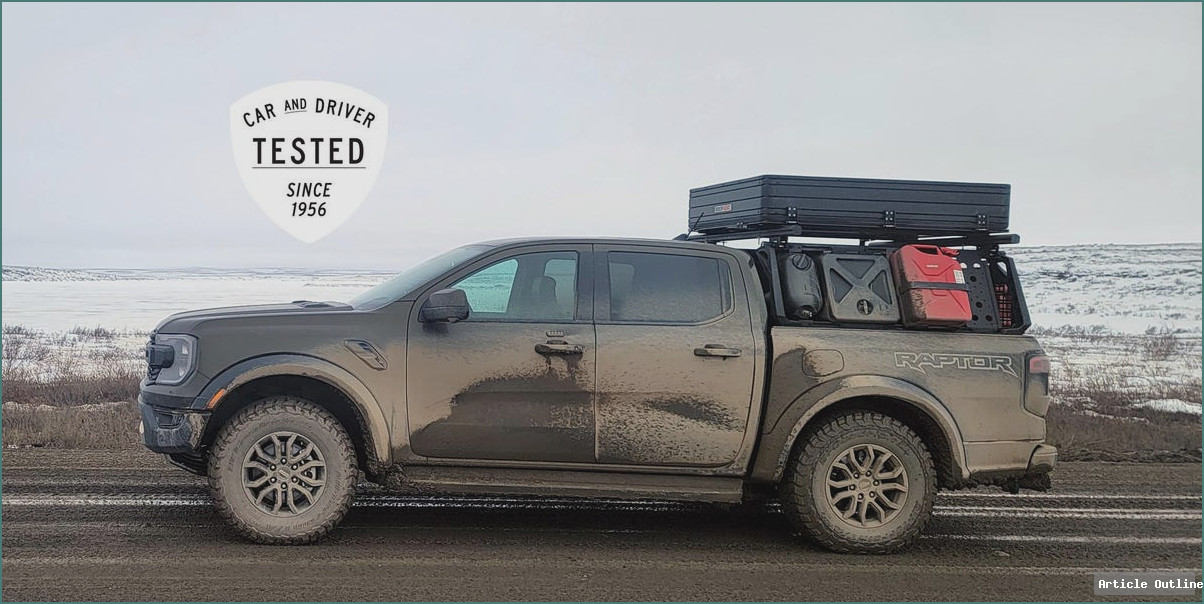
- 8,000-mile adventure: Outfitted with 446 lbs of overland gear for a trek across northern Canada
- Performance retest: Acceleration slows, braking improves, economy drops
- Public reaction: Enthusiastic, despite performance hits
- Next steps: Raptor to shed gear for a lighter, more aerodynamic setup
“This test-hub story should help explain why our Ranger Raptor’s fuel economy sucks.” — Car and Driver
The Bottom Line
Gear up, but know the cost. Overlanding turns your Raptor into a go-anywhere beast, but every accessory is a trade-off—sometimes in ways you wouldn’t expect. For most owners, the added utility, adventure, and style outweigh the hits to speed and MPG. But if you care about wringing every ounce of performance or stretching every gallon, you’ll want to rethink those racks and tents—or at least plan for their impact.

Sources: