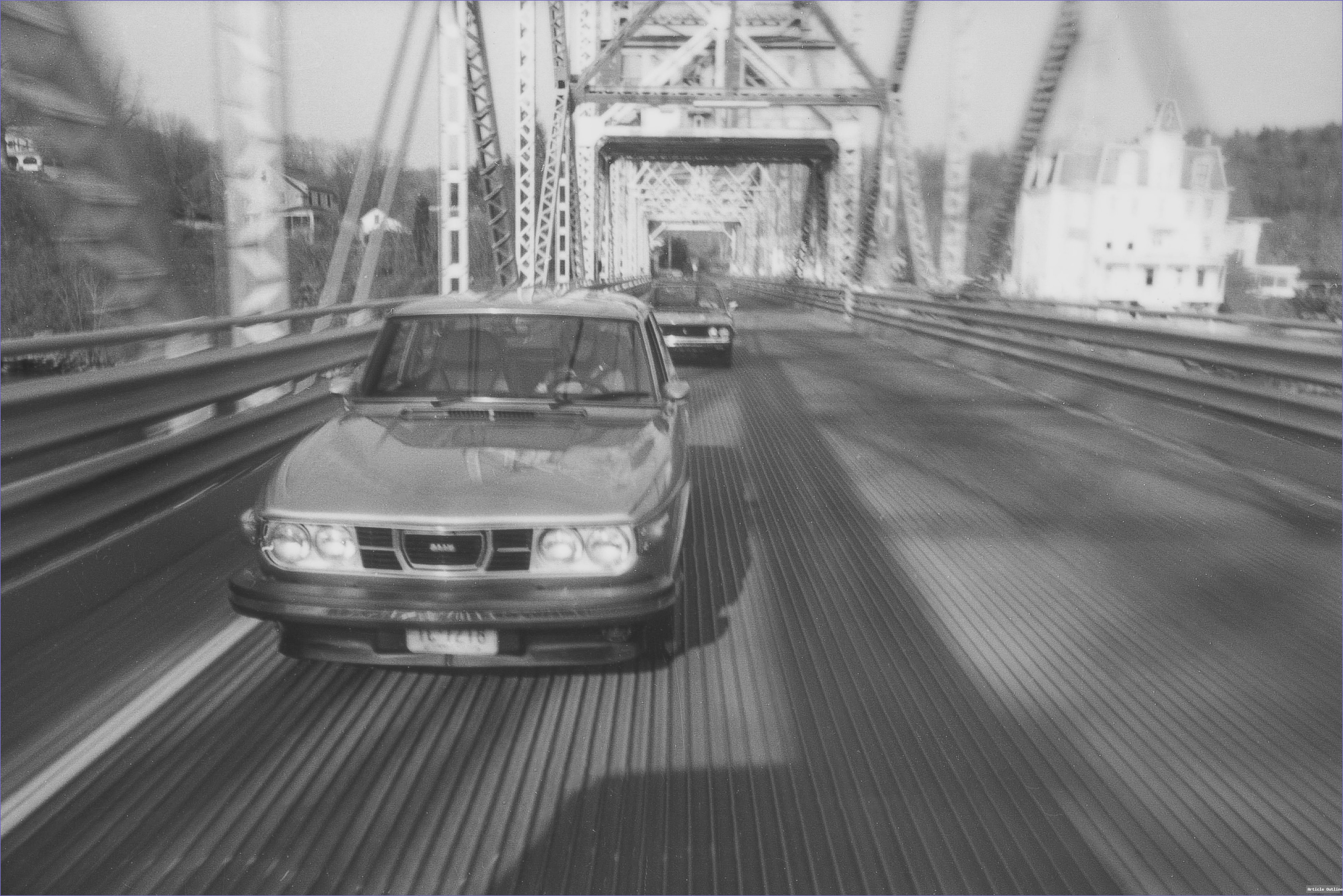
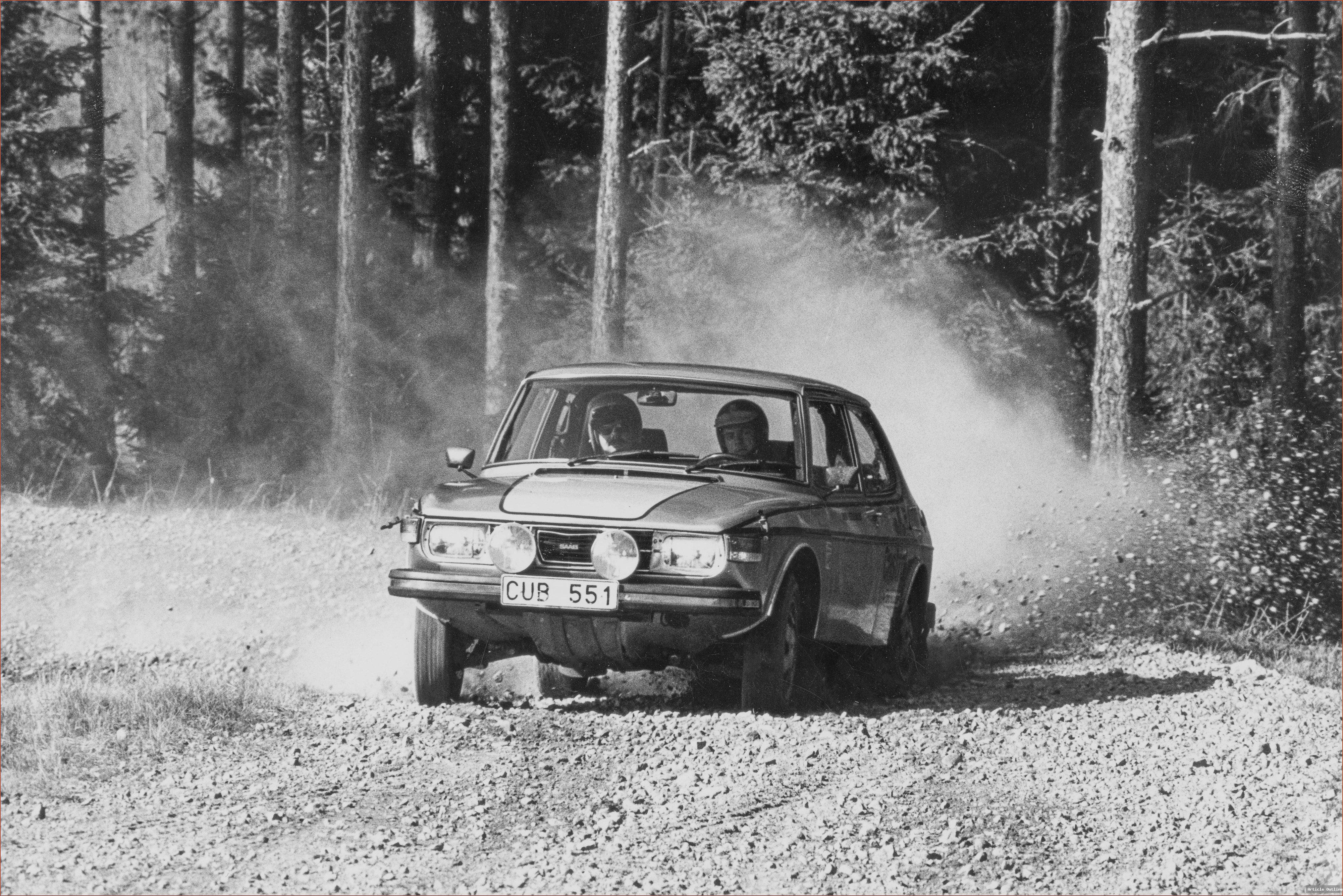
The 1976 Saab 99EMS didn’t just mark a technical upgrade for a quirky Swedish brand—it signaled a seismic shift in how performance, practicality, and personality could coexist in a European sport sedan. While most people remember Saabs for their oddball design and rally roots, the 99EMS was the model that finally brought it all together. Let’s dig into why this car mattered, what people often overlook, and why its legacy still resonates today.
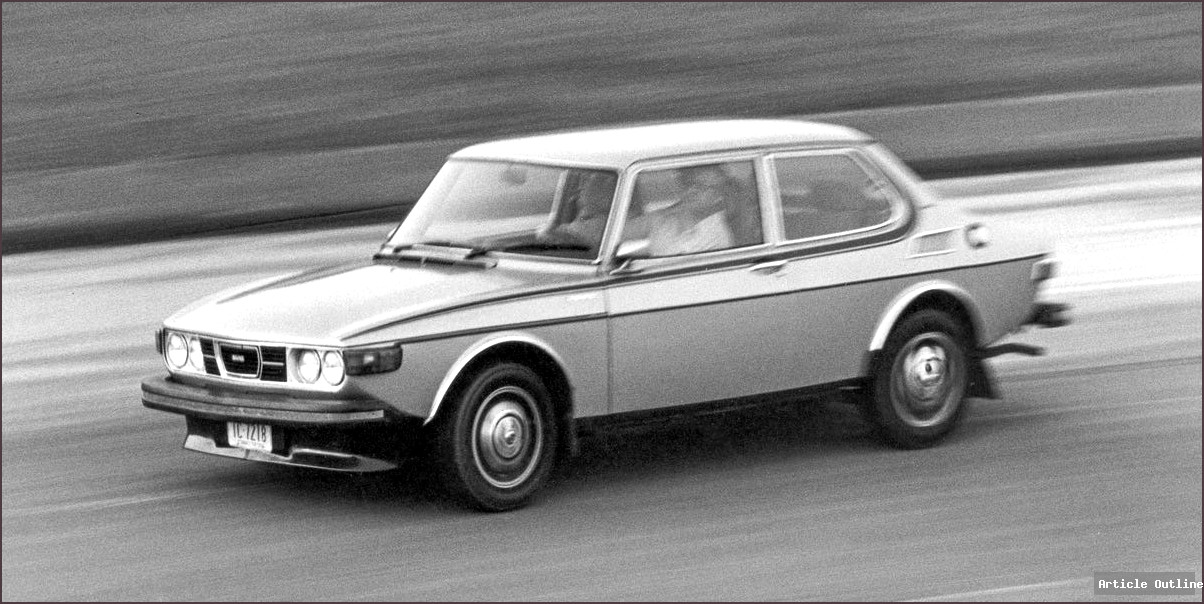
Why This Matters
- The 99EMS was a breakthrough for Saab, blending rally-honed engineering with real-world usability, years before the mainstream caught on.
- It arrived at a time when U.S. and European automakers were struggling to balance emissions mandates with driving fun.
- The 99EMS proved that you could have a catalyst-free, clean engine with sporting character—no mean feat in the mid-1970s.
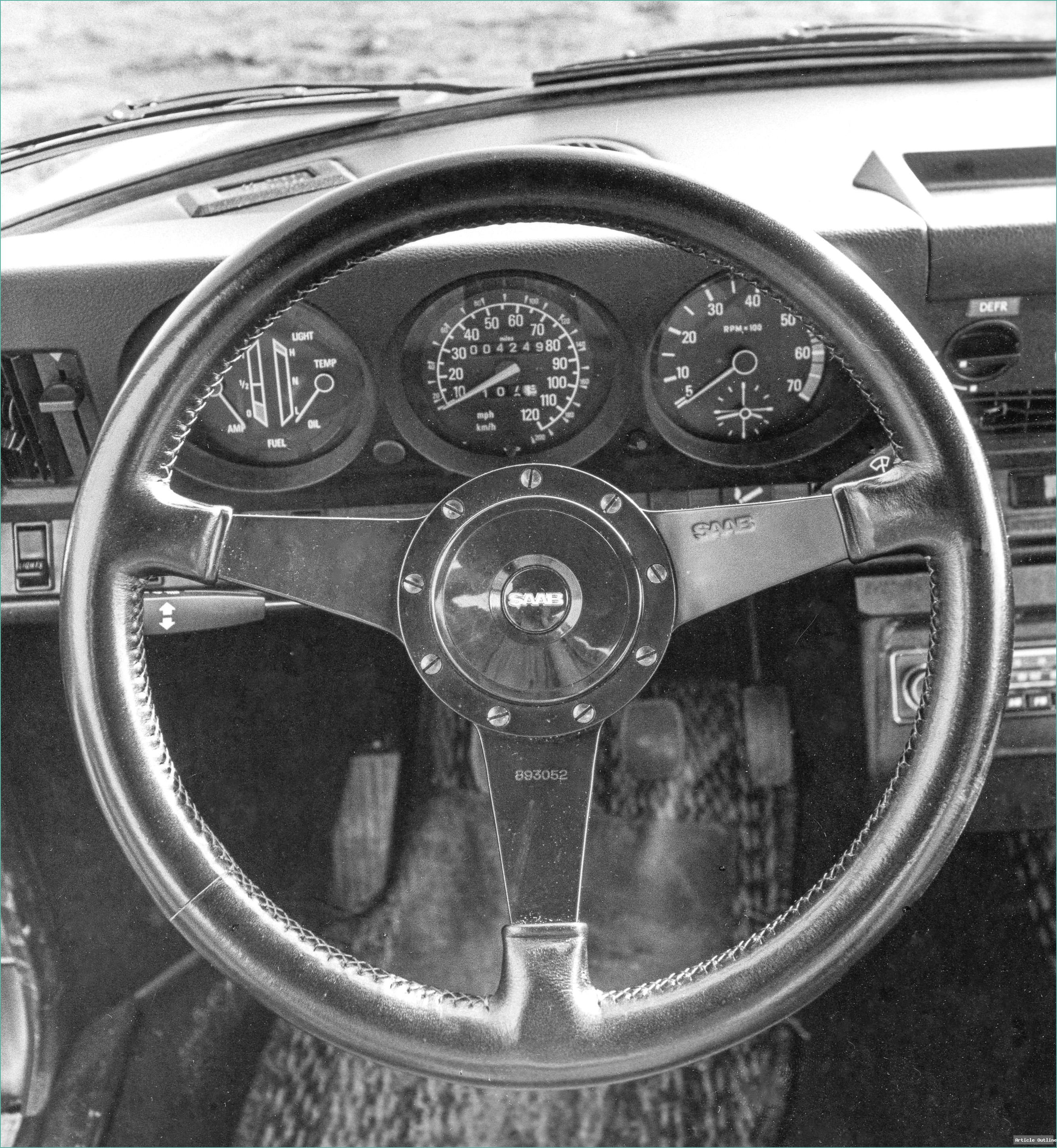
- Its design prioritized ergonomics and functionality over fleeting trends, a philosophy echoed in today’s Scandinavian brands.
What Most People Miss
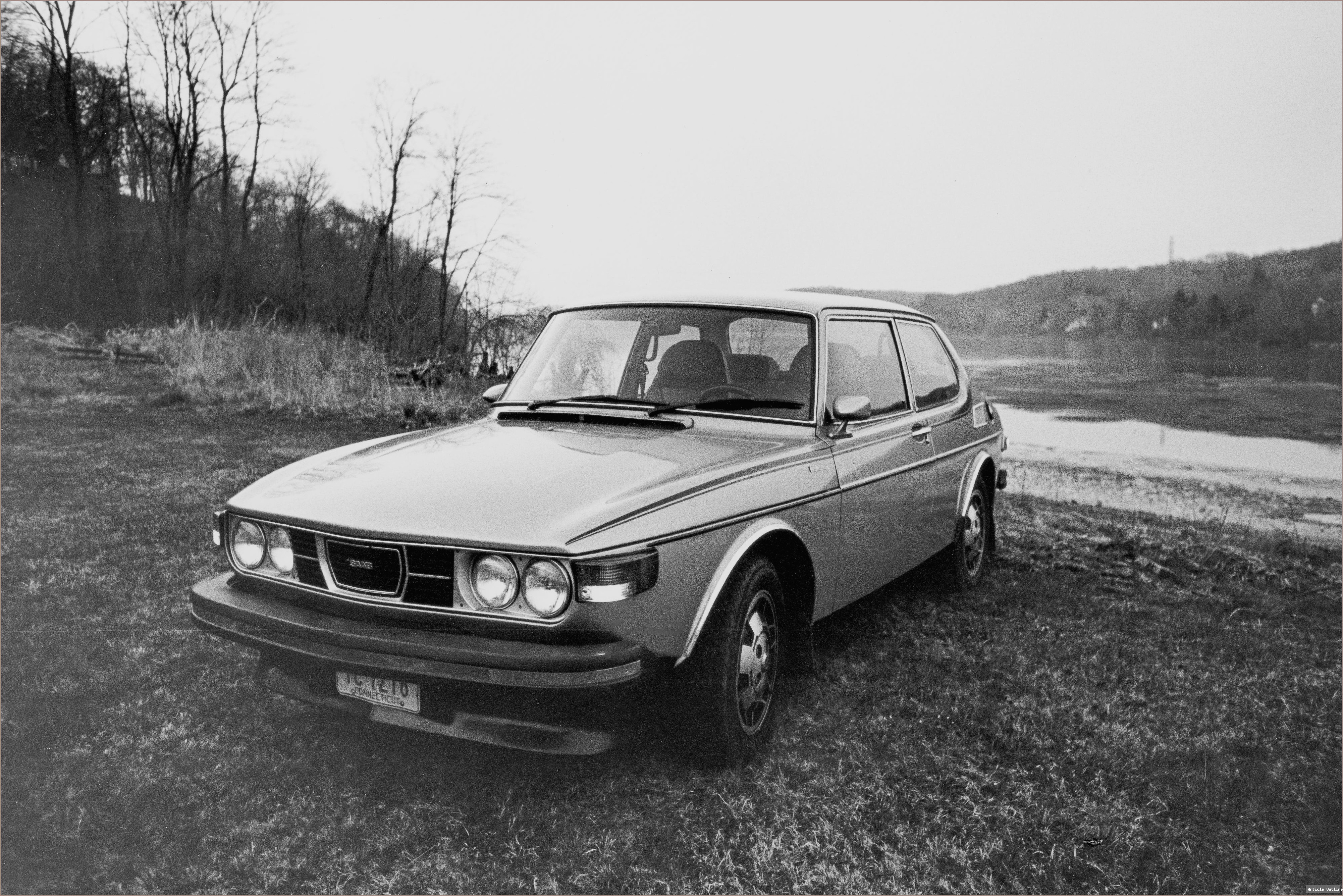
- The Saab 99EMS’s shape wasn’t about aerodynamics—it was about maximizing interior space before “space efficiency” was a buzzword.
- Saab’s relentless rally involvement wasn’t just for marketing; it directly influenced the car’s suspension, steering, and even the addition of a front air dam (after wind tunnel tests, not just for looks).
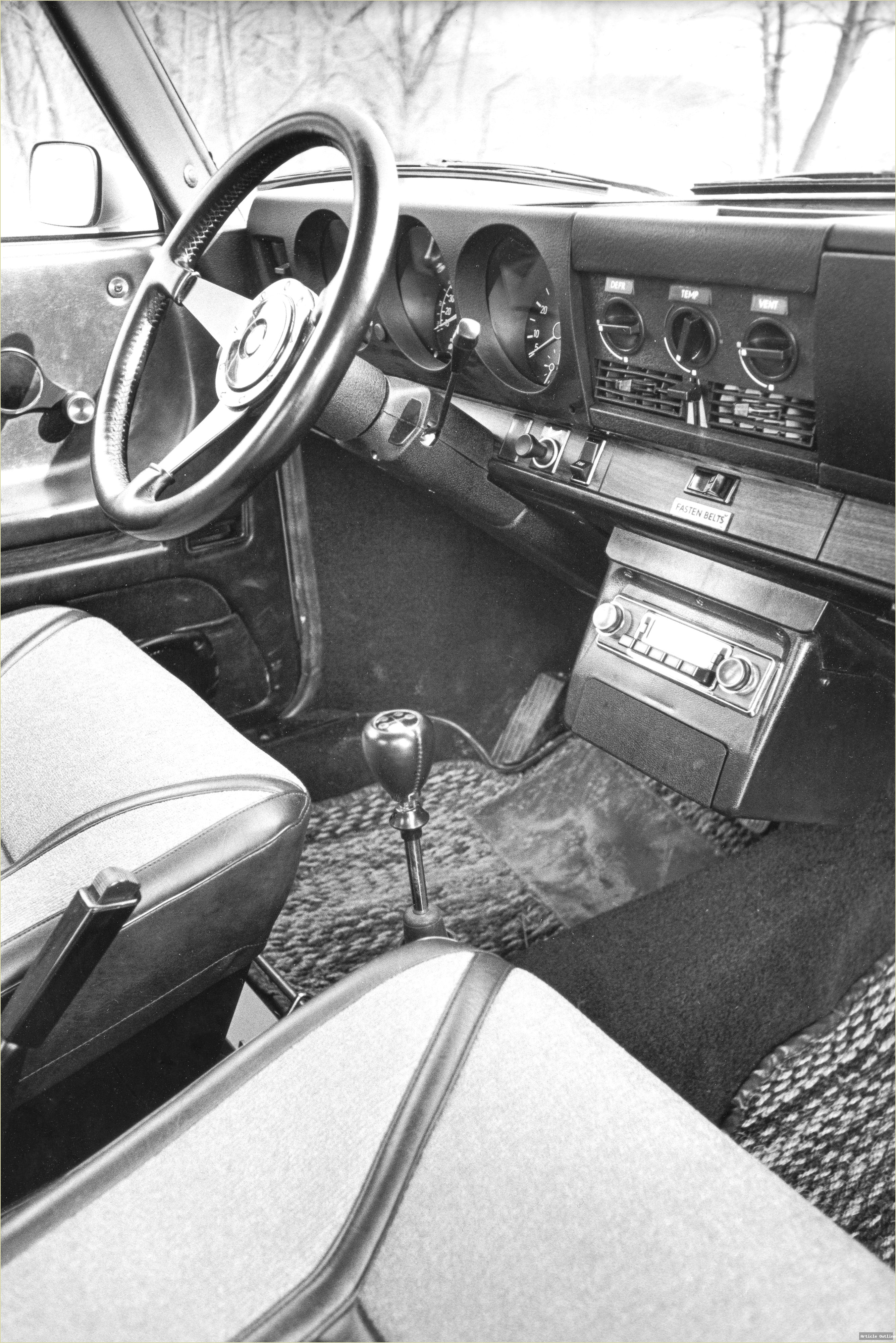
- Manual seatbelt mechanisms, ignition interlocks, and other “weird” features were early attempts at making cars safer and more theft-resistant, decades before ISOFIX and smart keys.
- The 99EMS’s engine—no longer a British castoff—was a symbol of Saab’s technical independence and laid groundwork for future turbocharged Saabs.
Key Takeaways
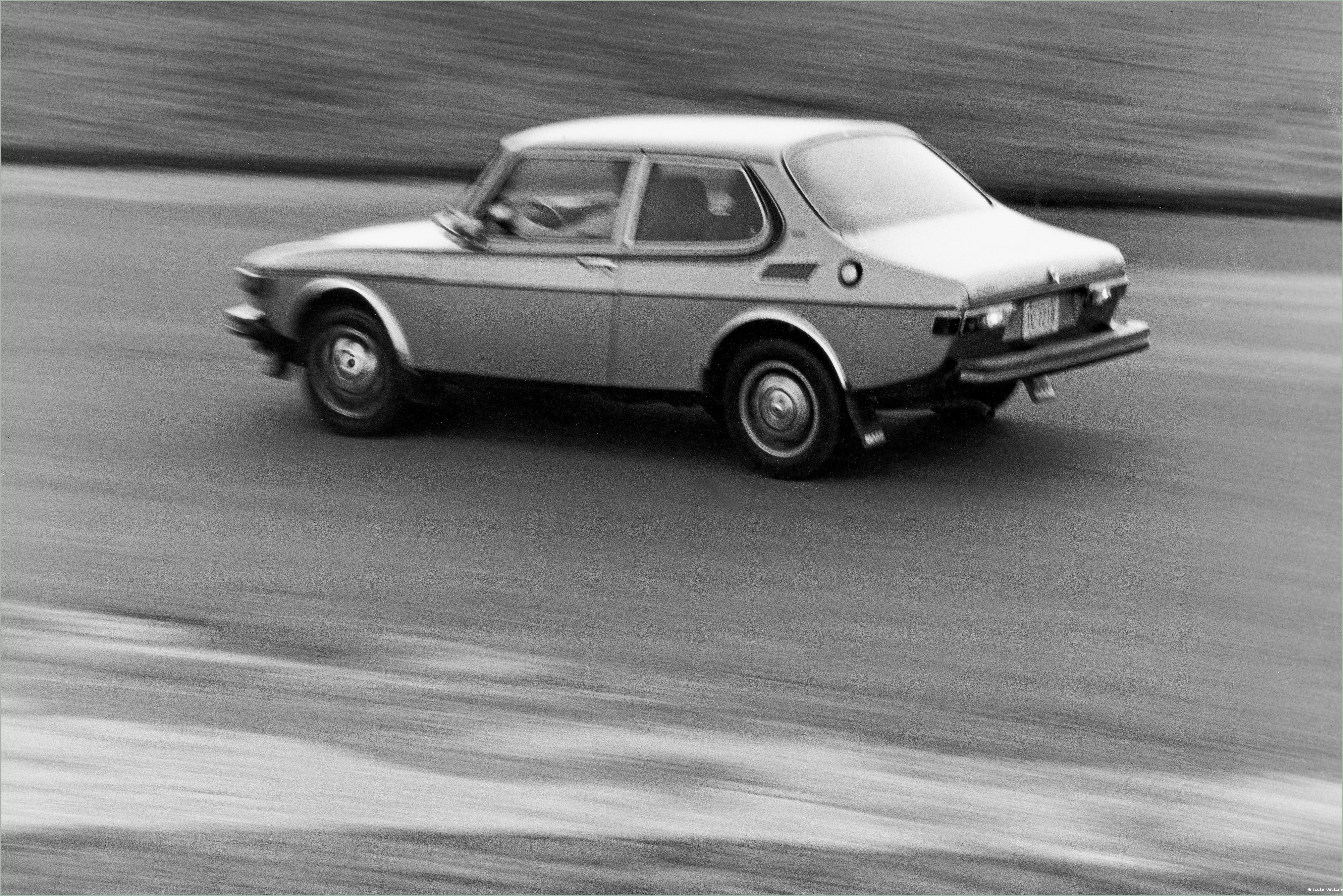
- Performance for the Real World: 0-60 mph in 9.2 seconds, 115 hp from a 2.0L engine, and 24/27 mpg city/highway. Not supercar-fast, but ahead of most economy sedans of its era.
- Rally Heritage: The 99EMS’s improvements came straight from the woods and snow banks of Scandinavia—think tougher Bilstein shocks, stiffer springs, and quicker steering.
- Uncompromising Practicality: Fold-down rear seats, upright driving position, and clever storage—features that set the template for future hatchbacks and crossovers.
- Cult Following: The EMS helped Saab win a “beachhead among enthusiasts.” Its success in rallying also turned the brand from a niche curiosity into a cult icon.
Timeline: How the 99EMS Became a Game Changer
- Late 1960s: Saab introduces the 99, drawing on aircraft design.
- Early 1970s: The 99 gains a reputation for odd looks and underwhelming performance.
- 1976: The EMS trim debuts with a new 2.0L engine, upgraded suspension, and direct rally input from drivers like Stig Blomqvist.
- Late 1970s: The 99EMS becomes a fixture in European rallying, influencing future Saab road cars and the development of the legendary Saab 900 Turbo.
Pros & Cons Analysis
- Pros:
- Superb handling for a FWD car
- Functional, spacious interior
- Clean engine with sporty character
- Rally-bred durability and upgrades
- Cons:
- Heavy steering at low speeds
- Quirky seatbelt system
- ‘Love-it-or-hate-it’ styling
Industry Context and Legacy
- The 99EMS set the stage for the Saab 900 Turbo—one of the first mass-market turbocharged cars.
- Its rally-derived DNA anticipated the rise of performance-oriented, practical family cars—think Subaru WRX or VW GTI.
- Saab’s focus on safety, ergonomics, and engineering over fad was decades ahead of its time, influencing Volvo, Audi, and even Tesla’s design thinking.
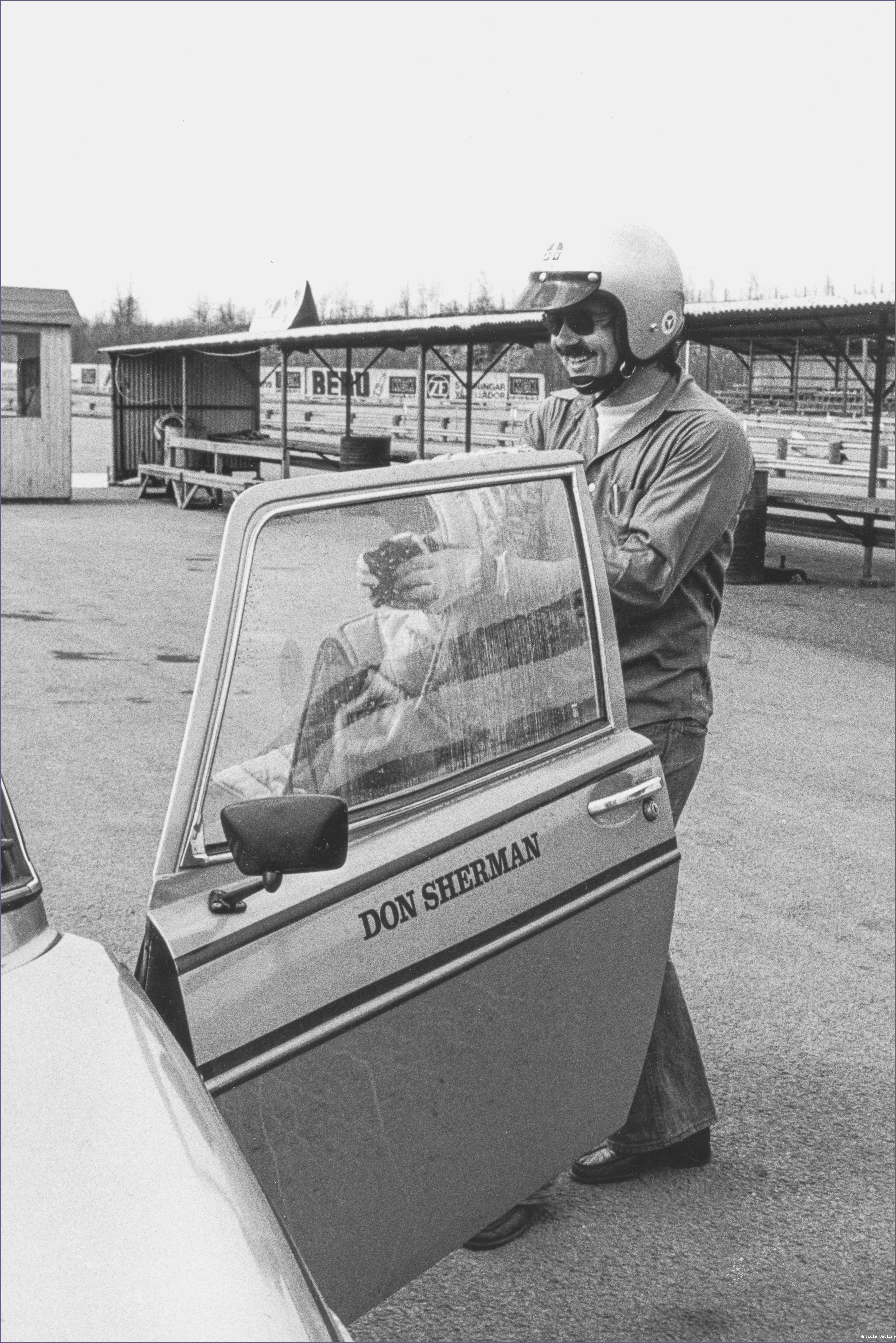
“It’s a gas to think that a Saab is a performance car.” — Don Sherman, Car and Driver
The Bottom Line
The 1976 Saab 99EMS wasn’t just a comeback—it was a blueprint for how small, focused brands could punch above their weight. Instead of chasing fleeting trends, Saab doubled down on what made it unique: rally know-how, practical design, and an unorthodox spirit that still inspires car fans today. The next time you see a quirky hatchback with a cult following, remember: the 99EMS was doing it before it was cool.

Sources: