When you think 1980s Volvo, you might picture a boxy, safety-obsessed family hauler—solid but far from sporty. But the 1984 Volvo 760GLE Turbo flipped that stereotype on its head, delivering a turbocharged punch in a conservative suit. This isn’t just a story about specs; it’s about how a group of mavericks inside Volvo changed the brand forever—by sneaking excitement into the DNA of a car better known for practicality than passion.
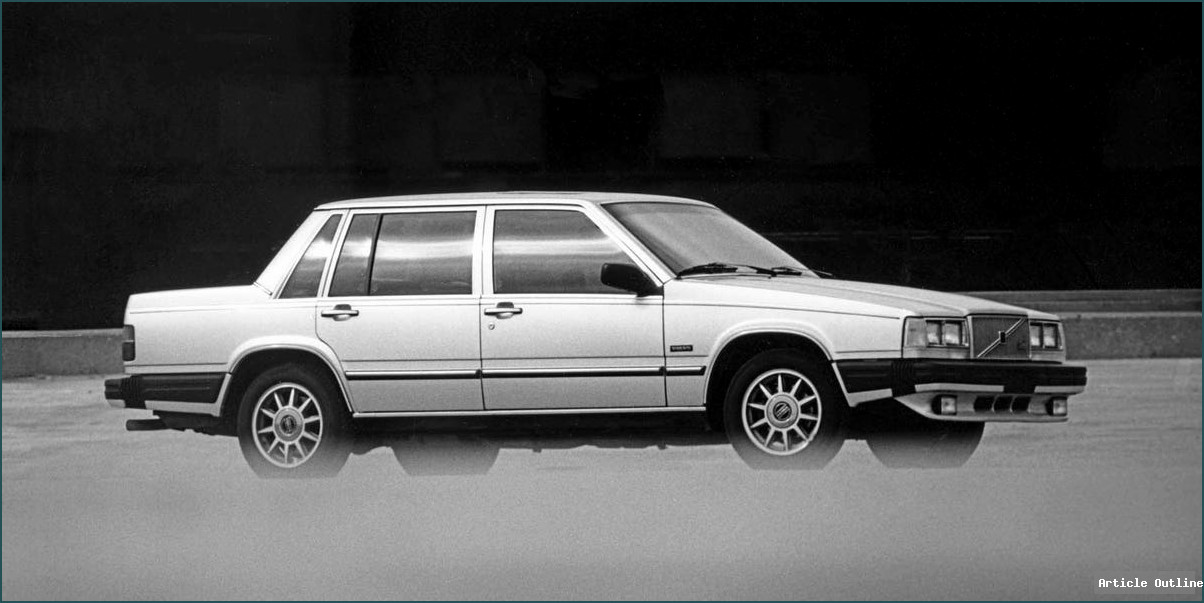
Let’s dive into why this sleeper sedan matters more than most people realize—and what its legacy still means for car enthusiasts and the auto industry at large.
Why This Matters
- Turbocharging in the 1980s was daring: Most luxury sedans then were lumbering V6s or V8s, not high-strung turbo fours.
- Volvo’s image transformation: This car marked a turning point, showing Volvo could blend safety with real performance.
- A blueprint for modern performance sedans: Today, turbocharged smaller engines are the norm. The 760GLE Turbo was a pioneer.
What Most People Miss
- Performance that embarrassed its rivals: 0–60 mph in 8 seconds—faster than the Audi 5000 Turbo and Saab Turbo of its day, and even beating Volvo’s own V6-powered sibling.
- Intelligent torque management: Volvo retuned the engine for midrange torque, making city driving more effortless and fun despite emissions constraints.
- Intercooler innovation: By cooling intake air by about 100°F, the intercooler enabled higher compression for both efficiency and punch—years ahead of mass-market adoption.
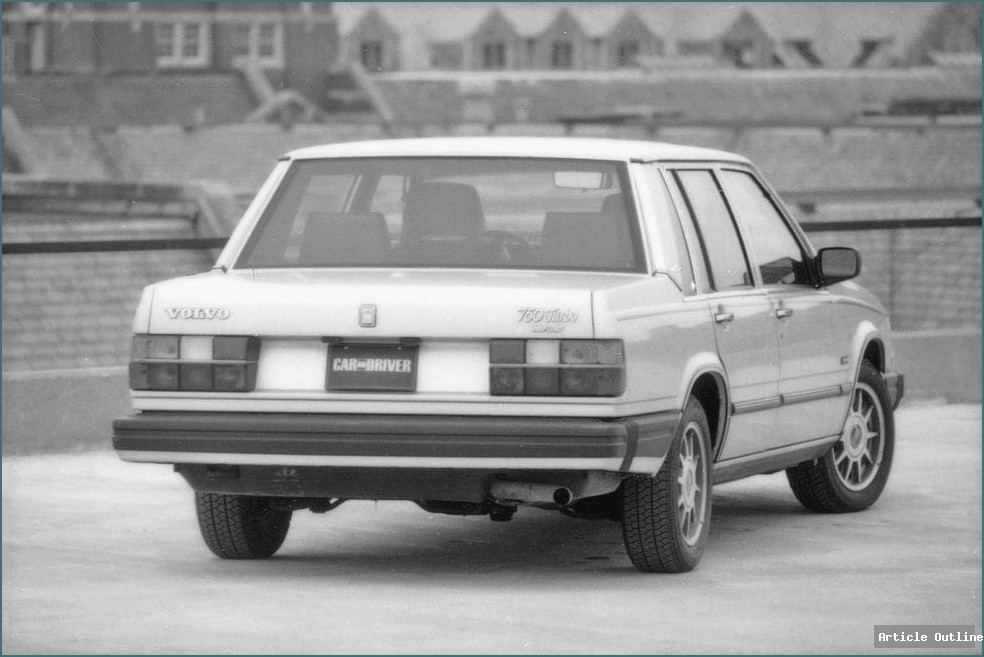
- Subtle exterior, radical heart: The only hints at the car’s power were an oil cooler, boost gauge, and a faint turbo whistle. Most would never suspect its true capabilities.
Key Takeaways and Performance Stats
- Engine: Turbocharged and intercooled 2.3L inline-4, 157 hp @ 5300 rpm
- 0–60 mph: 8.0 seconds (quicker than many rivals)
- Quarter-mile: 15.9 seconds @ 86 mph
- Top speed: 119 mph
- Torque: 185 lb-ft @ 2900 rpm (midrange focus)
- Curb weight: 3,065 lbs
- Fuel economy: Observed 16 mpg (EPA city 22 mpg)
Pros and Cons: Then and Now
| Pros | Cons |
|---|---|
|
|
Broader Context: The Turbo Revolution
- In 1984, turbocharging was still novel in sedans—Audi, Saab, and BMW were just entering the game.
- Today, virtually every luxury and performance sedan uses turbocharging for power and efficiency. The 760GLE Turbo foreshadowed this shift.
- Its understated style inspired a wave of “stealth performance” cars—think Audi S6 or modern AMG E-Class in street clothes.
- Volvo’s turbo legacy lives on: Modern Polestar models and T5/T6 engines owe a debt to the 760GLE Turbo’s trailblazing tech.
Timeline: How the 760GLE Turbo Changed Volvo
- Early 1980s: Volvo’s image = reliable, safe, but boring
- 1982: 760 introduced as a luxury sedan
- 1984: Turbo and intercooler added—performance jumps, reputation starts to shift
- Late 1980s: Volvo expands turbo offerings, cements new sporty image
- 1990s and beyond: Turbocharged Volvos become cult favorites
The Bottom Line
The 1984 Volvo 760GLE Turbo wasn’t just a faster box—it was a statement. Volvo could be thrilling and responsible, innovative yet understated. That’s a lesson the auto industry is still learning today, as brands blend power, efficiency, and safety in ways this car helped make possible.
“A spirited group has infiltrated the highest ranks of this prestigious carmaker, and its influence has only begun to be felt.” — Car and Driver, July 1984
So next time you see a vintage turbo Volvo, know you’re looking at the ancestor of today’s high-tech, high-performance sedans.
