The rise of the Jaecoo 7 in the U.K. is a case study in how disruption doesn’t have to mean revolution. In just 18 months, this mid-size Chinese SUV has gone from total obscurity to topping the British sales charts—without breaking new ground on technology or design. So, why is everyone suddenly buying the Jaecoo 7? Let’s dive into the overlooked forces driving its meteoric success—and what this means for the car industry and consumers alike.
Why This Matters
- Market Disruption Without Innovation: The Jaecoo 7 proves you don’t need to be the best—you just need to be good enough, at the right price, at the right time.
- Tariff Tactics: The U.K.’s relatively low 10% tariff (compared to up to 35% in the EU and 100% in the U.S.) has made it a soft target for aggressive Chinese automakers looking to expand globally.
- Changing Consumer Habits: With economic uncertainty and dwindling brand loyalty (except for a few premium German marques), British buyers are now more pragmatic and price-driven than ever.
What Most People Miss
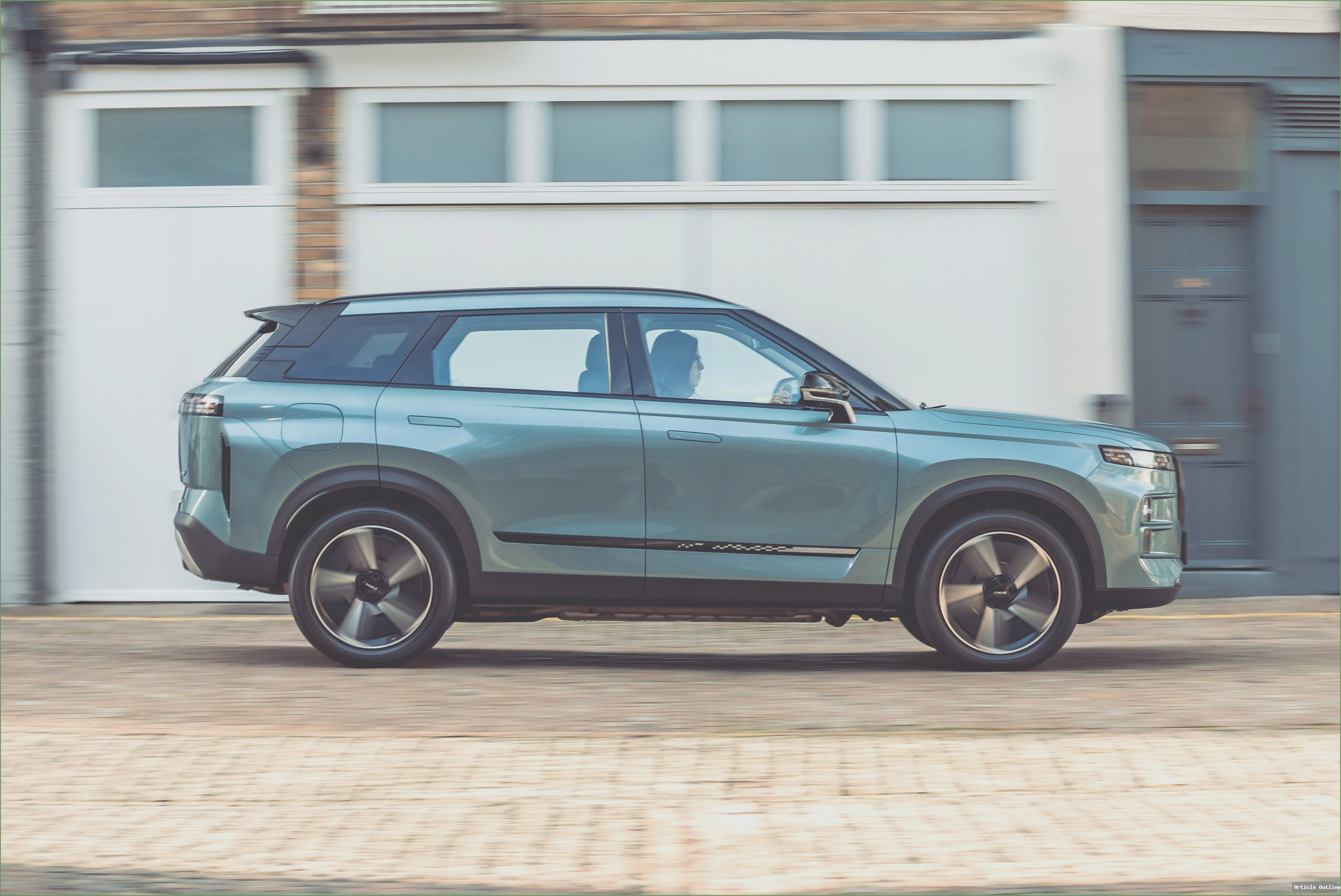
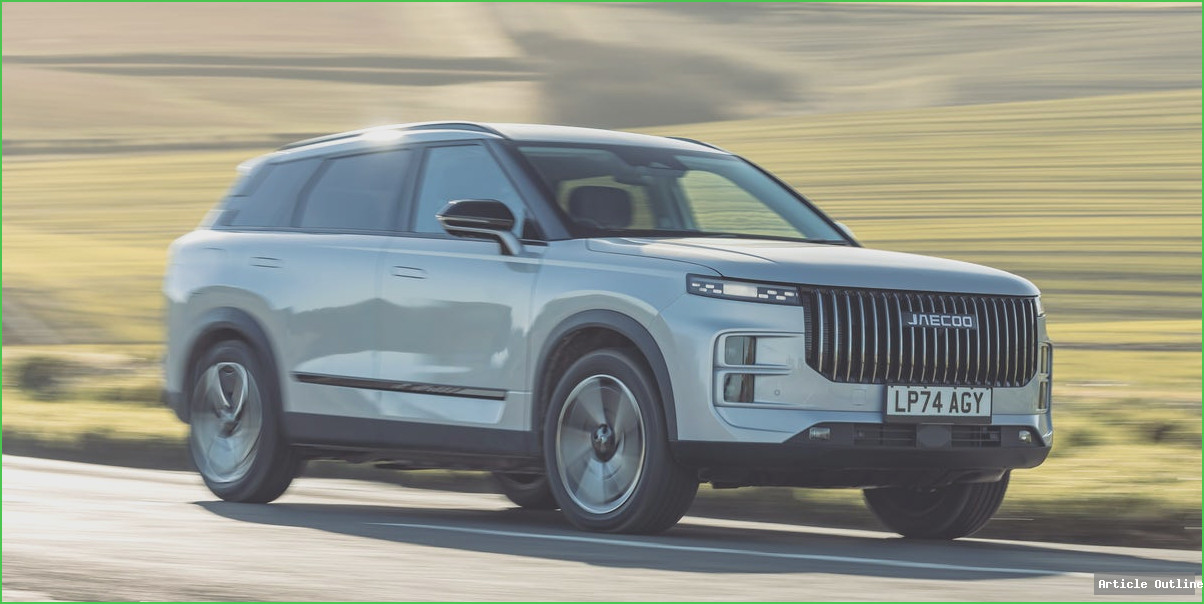
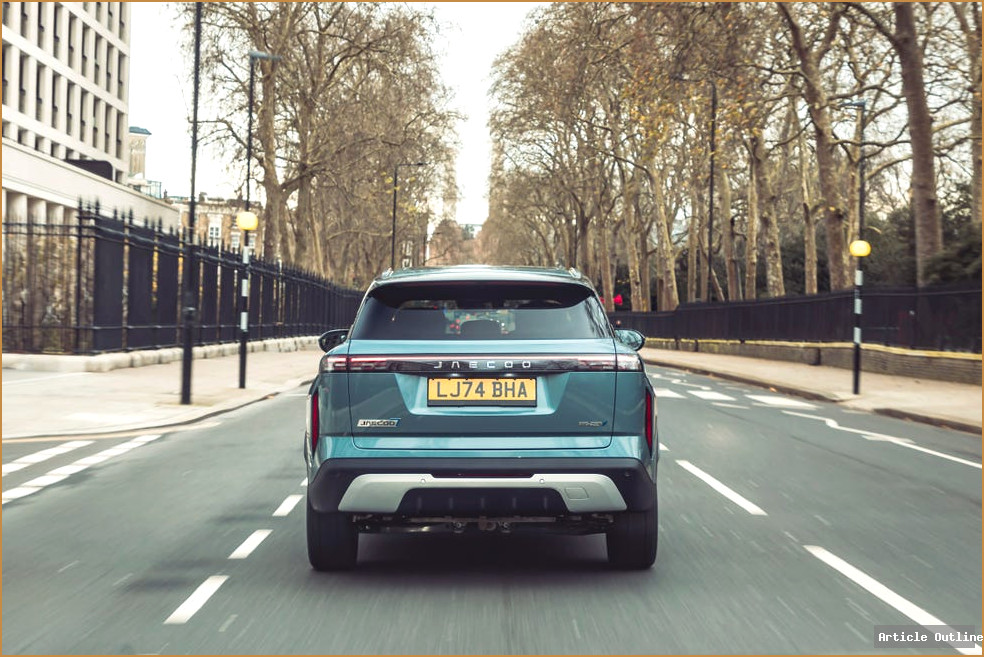
- It’s Not About the Car, It’s About the Package: The Jaecoo 7 is selling because it looks like a Range Rover for half the price, not because it drives like one. The “Temu Range Rover” nickname says it all.
- Self-Fulfilling Popularity: The more Jaecoo 7s on the road, the more buyers trust the brand. Visibility creates legitimacy in a market where many had never heard of Jaecoo a year ago.
- Lease Deals > Loyalty: Exceptional leasing offers mean buyers can drive a new, well-equipped SUV with little financial risk. Loyalty to Ford or Vauxhall? That’s history for most mainstream buyers.
Key Takeaways: Jaecoo 7 by the Numbers
- Price: Starts at £35,170 (about $47,000), undercutting rivals like Honda CR-V, Toyota RAV4, and Kia Sportage on a spec-by-spec basis.
- Powertrain Variety: Gas, hybrid, and plug-in hybrid (PHEV) available—but no full EV yet.
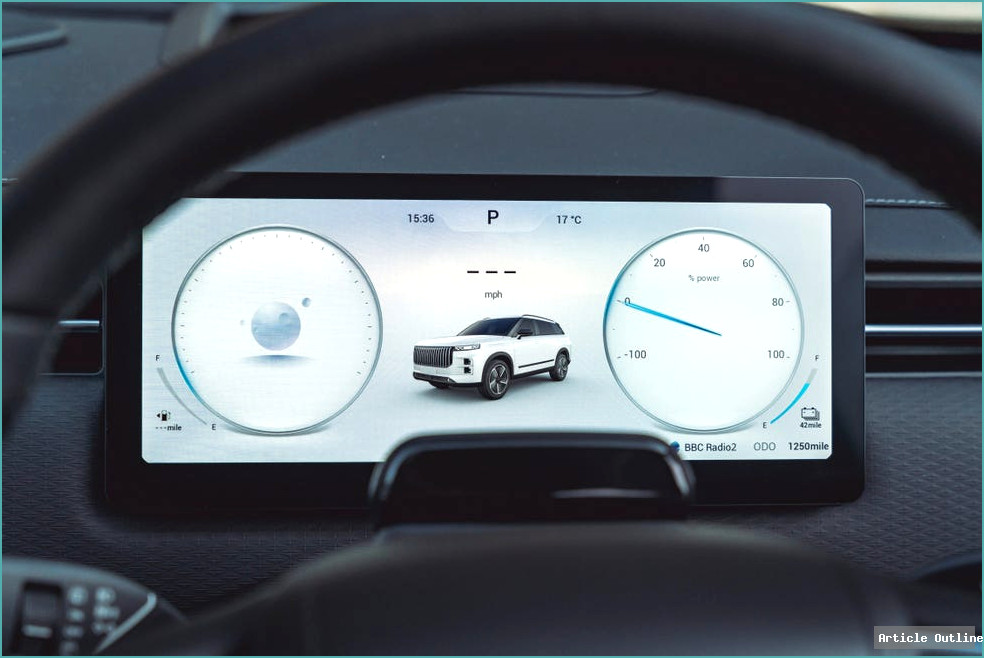
- PHEV Specs: 201 combined horsepower, 229 lb-ft torque, 16-kWh battery, up to 50 miles electric range, 0-62 mph in 8.5 seconds.
- Range: Over 600 miles combined (fuel + battery). 40-kW fast charging and V2L (use the car as a power bank) are standout features.
- Sales: ~10,000 Jaecoo 7s sold per month in the U.K.—an astonishing figure for a newcomer.
Comparisons & Industry Context
- Chinese Automakers on the Move: With the U.S. market largely closed, Chinese brands are storming Europe—especially markets like the U.K. with less protectionism. BYD and Omoda are also making moves, but Jaecoo’s “good enough and cheap enough” formula is winning.
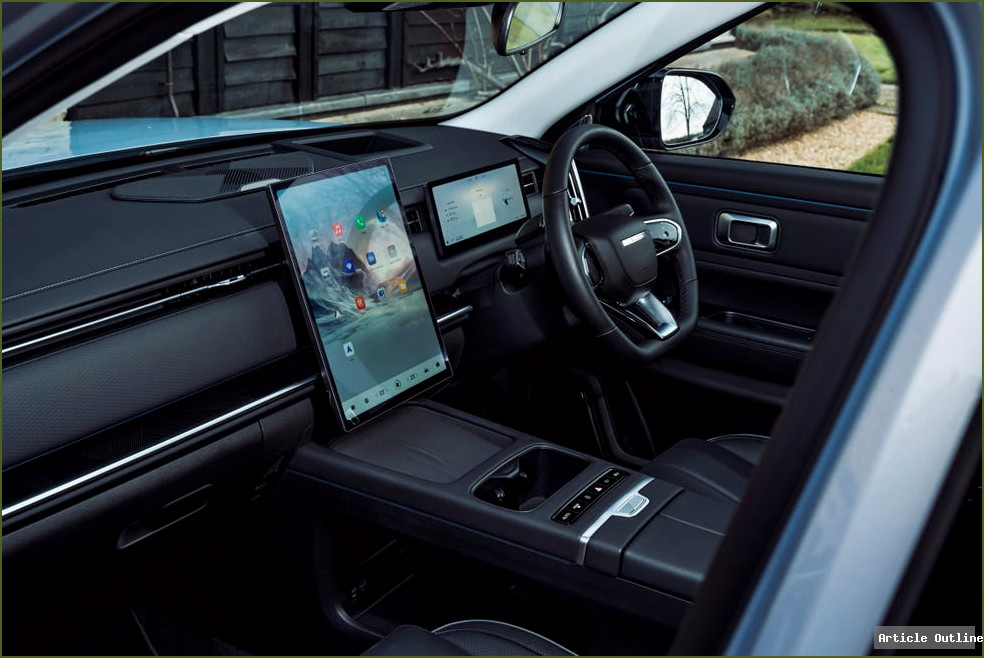
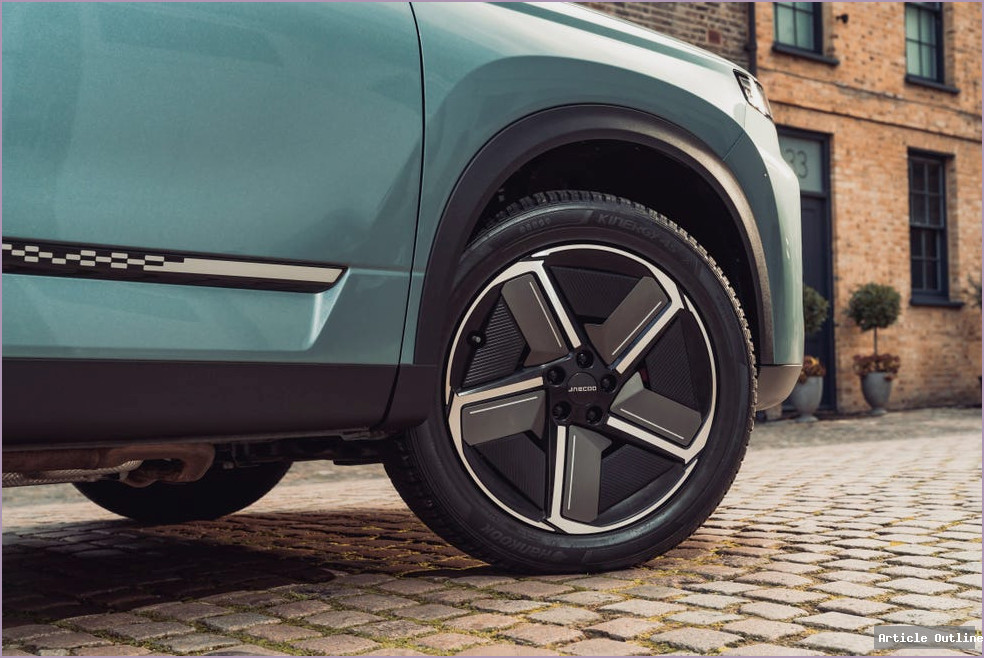
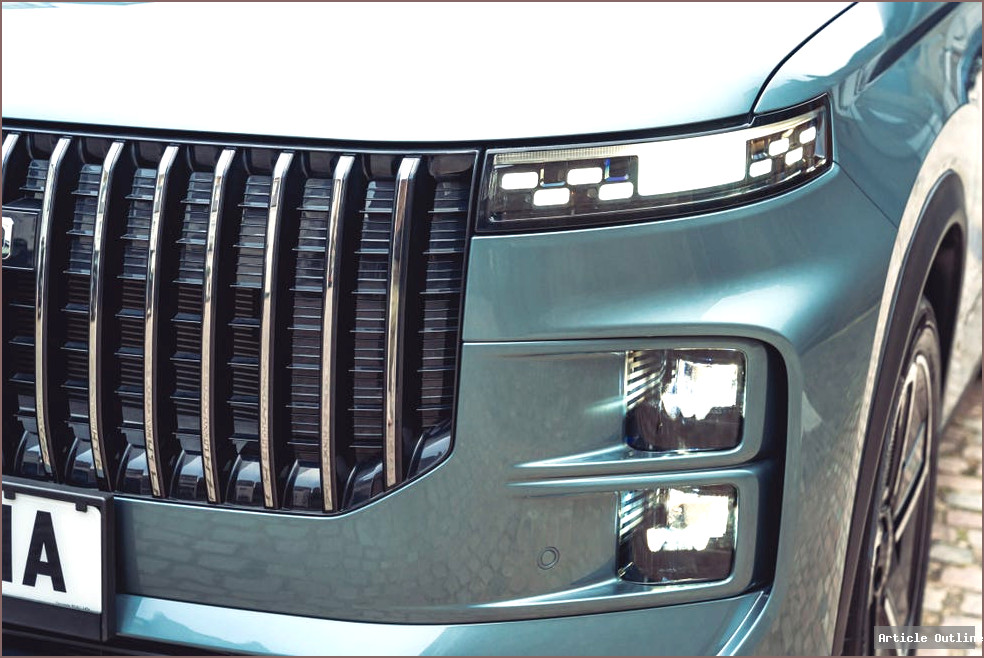
- Design Cues: The Jaecoo 7’s styling borrows heavily from the Range Rover Evoque and Tesla’s minimalist interior. This isn’t innovation, but it’s what the market responds to.
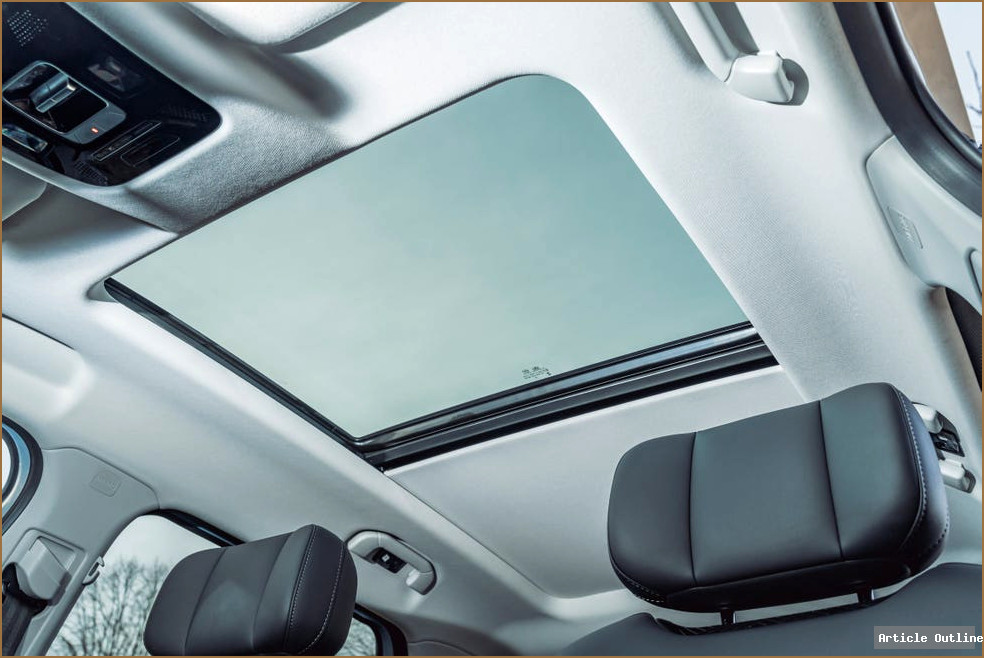
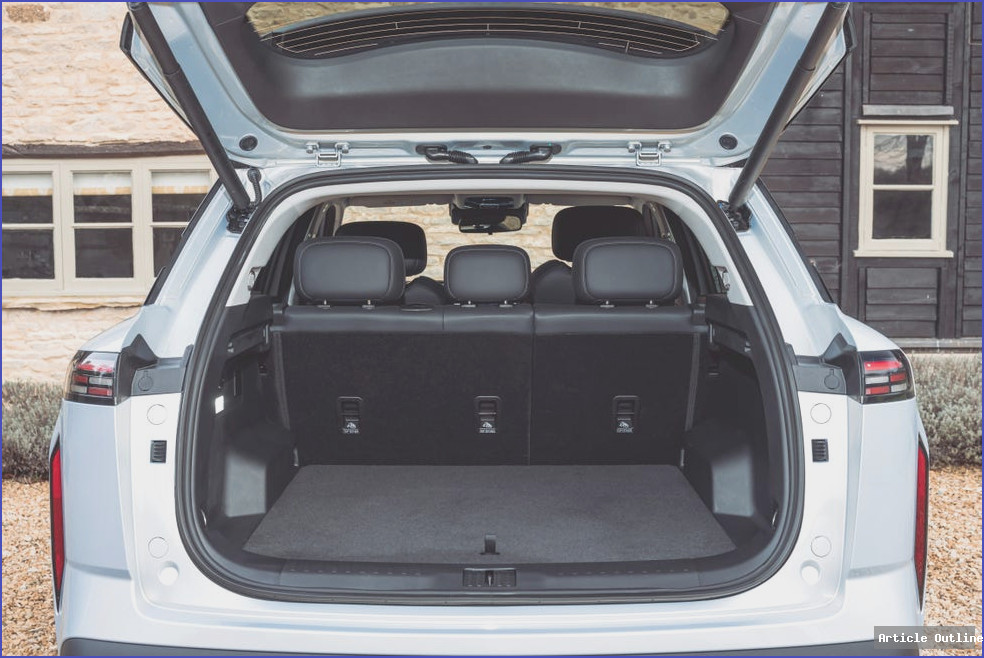
- Bargain Basement, Not Bare Bones: Generous standard equipment (panoramic roof, wireless Android Auto/Apple CarPlay, Sony sound system), yet some cheap materials in the cargo area betray the cost-saving measures.
Pros and Cons Analysis
- Pros:
- Excellent value for money
- Quiet, comfortable ride
- Strong electric-only range for a PHEV
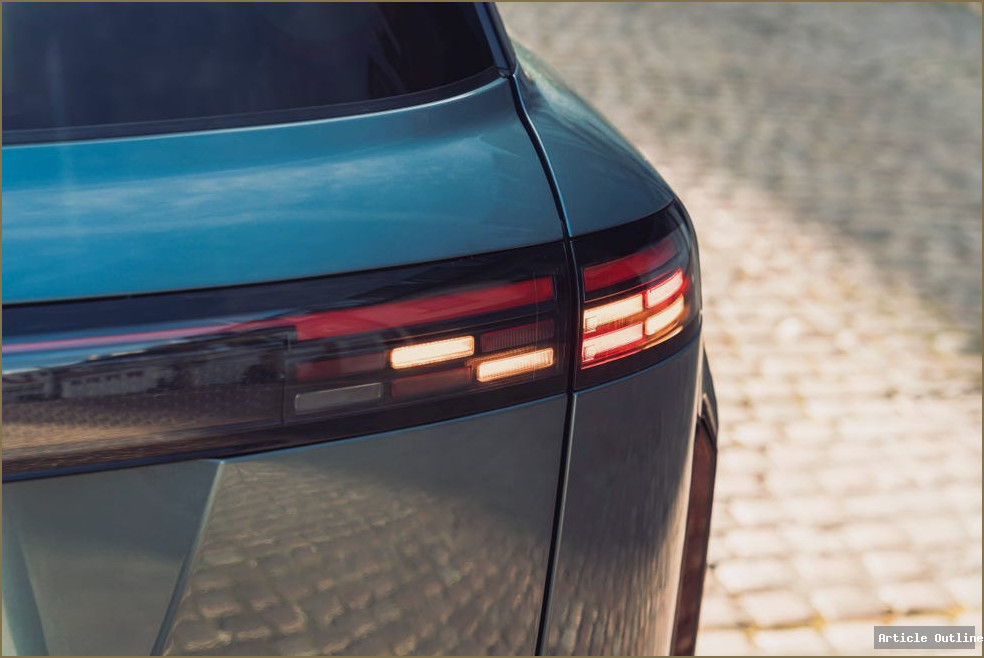
- Attractive, premium-looking design
- Low cost of entry thanks to aggressive leasing
- Cons:
- Questionable long-term quality, especially in rear/cargo areas
- Front-drive only for PHEV (torque steer and traction issues)
- Bland, copycat interior design
- Lane-keeping assist is more hindrance than help on narrow roads
- Brand trust still developing—resale value unknown
The Bottom Line
The Jaecoo 7’s success isn’t about being the best. It’s about being the right product, at the right price, at a moment when British buyers are looking for a deal and willing to try something new. For the U.K., this is both an opportunity and a wake-up call. Without strong domestic brands to protect, the market is wide open—and Chinese automakers like Jaecoo are rushing in with competent, aggressively priced vehicles. The real question: As Chinese brands become household names, will they eventually build locally, or will they keep exporting on the cheap? And what does this mean for European and Japanese rivals?
Action Steps for Consumers
- Don’t dismiss “new” brands—if value and features matter, cars like the Jaecoo 7 are worth a look.
- Understand the tradeoffs: low price often means some compromises, especially in perceived quality and long-term resale.
- Watch for shifting lease deals—these often drive sales more than outright purchase prices.
Sources: