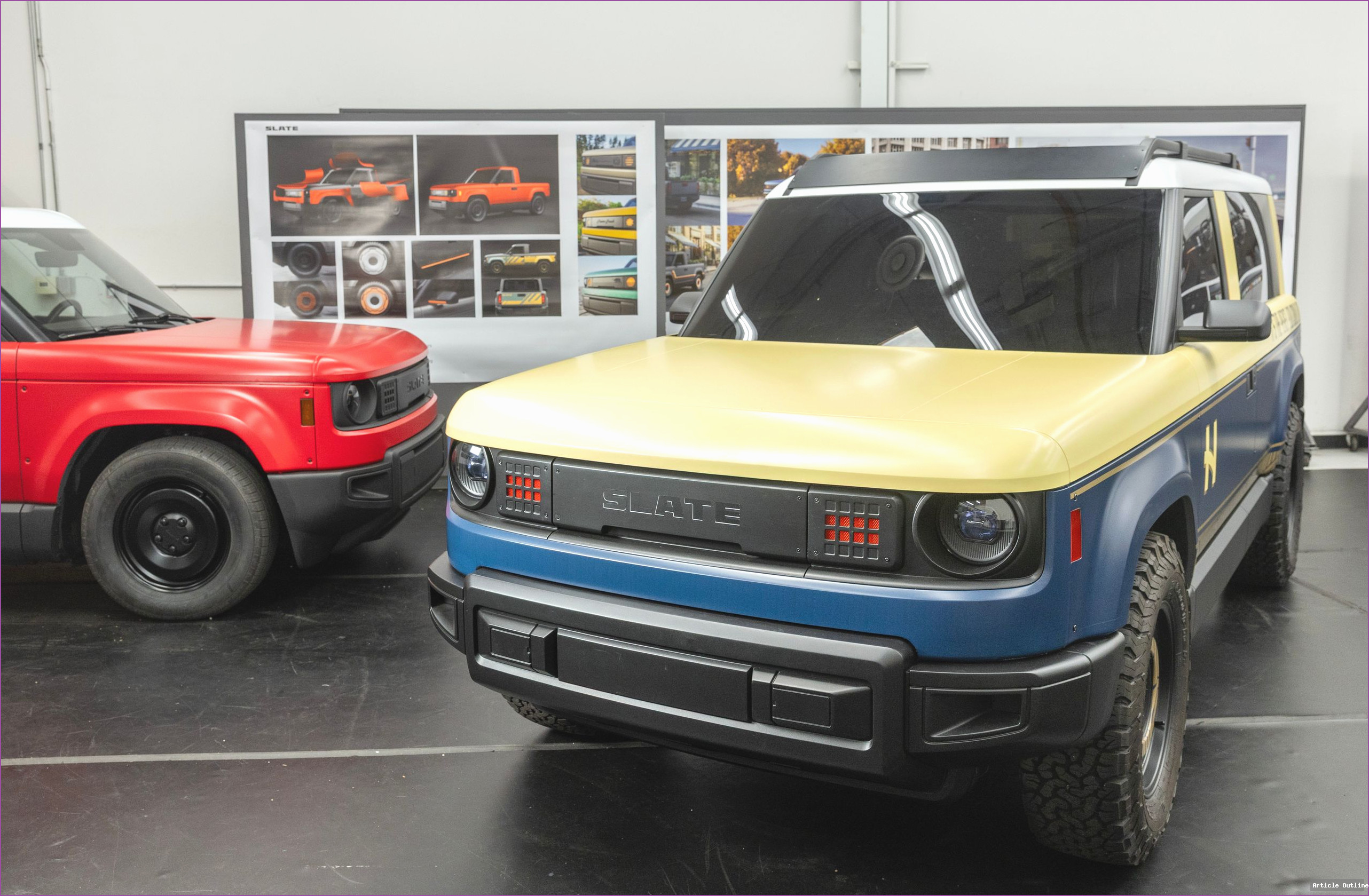
America’s newest, cheapest electric truck isn’t just a win for budget-minded drivers—it’s a case study in how global politics and supply chains shape what’s under your hood. The Slate truck, a bare-bones modular EV that comes in under $25,000, marks a dramatic pivot for U.S. automakers toward Chinese battery technology. But why, and what does it mean for the future of American EVs?
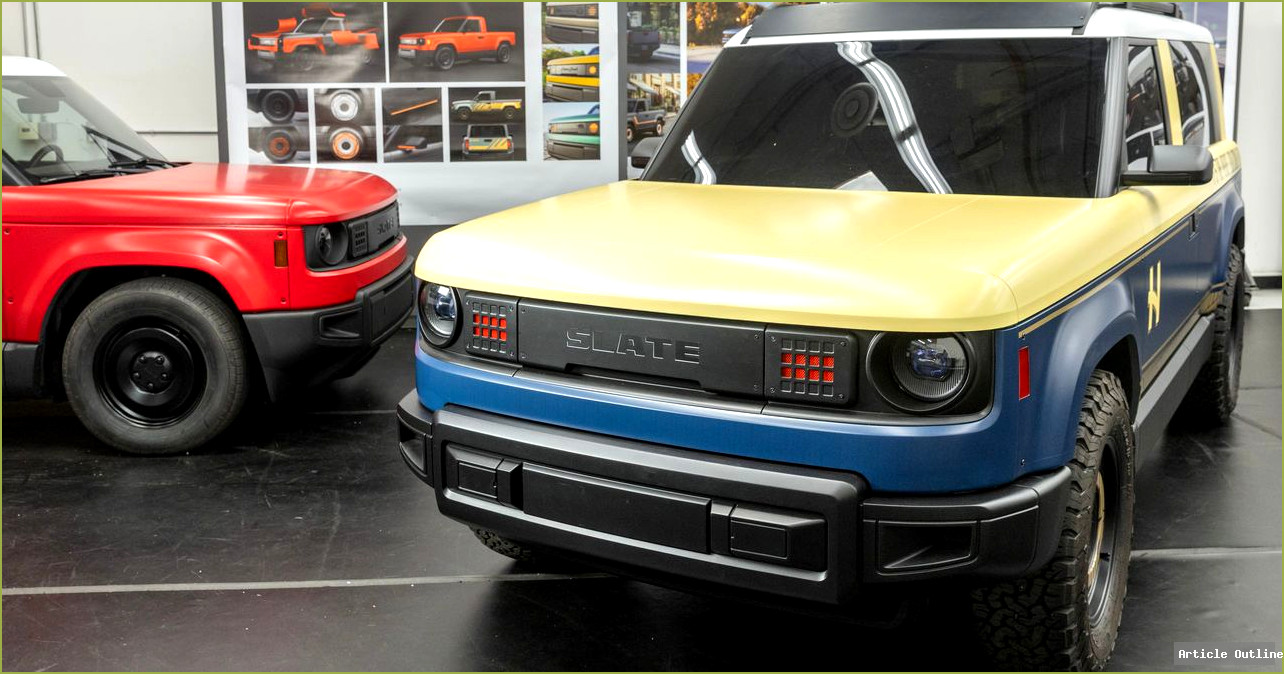
Let’s dig into why policy reversals, market realities, and China’s dominance have converged to put Chinese tech at the heart of America’s most affordable EV.
Why This Matters
- Policy drives the market: The repeal of U.S. EV tax credits, once meant to encourage American-made batteries, has ironically made it easier—and cheaper—for automakers to use Chinese battery tech.
- China’s global battery grip: Nearly 98% of lithium iron phosphate (LFP) cathodes are made in China. Even as U.S. automakers scramble to localize, China’s head start is daunting.
- Affordability vs. industrial independence: The push for cheaper EVs is colliding with the political desire for domestic manufacturing. Consumers might win in the short term, but strategic questions linger.
What Most People Miss
- Batteries are the real ‘engine’ of the EV revolution. While headlines focus on car brands, battery chemistry and sourcing are the hidden battlegrounds.
- The U.S. discovered LFP; China perfected (and commercialized) it. American scientists invented LFP battery tech in the 1960s. But when U.S. and Asian firms pivoted to other chemistries, China doubled down, creating a supply chain juggernaut.
- Policy whiplash hurts more than helps. Automakers need steady rules to plan billion-dollar factories. Wild swings from one administration to the next make long-term investment risky.
Key Takeaways
- Slate’s $25K truck is possible thanks to LFP batteries, which are cheaper, more stable, but heavier and less energy-dense than traditional NMC batteries.
- Trump-era policies, including the scrapping of EV tax credits, removed incentives for U.S.-sourced batteries—making it easier for automakers like Slate to use Chinese-sourced LFPs.
- Most U.S. LFP battery production is still focused on stationary storage, not cars. Automakers are only beginning to repurpose lines for EVs, and China’s lead is massive.
- Big names like Tesla, Ford, and GM are turning to LFP for lower-cost models, but often rely on Chinese tech or imports as they ramp up domestic capacity.
Timeline: How We Got Here
- 1960s: LFP battery chemistry discovered by U.S. scientists.
- 2010s: China invests heavily in LFP, builds supply chain dominance.
- 2022: U.S. introduces tax credits for domestic batteries; automakers scramble to comply.
- 2023-2024: Trump’s campaign promise becomes law; EV tax credits are repealed, removing incentives for U.S. sourcing.
- 2026: Slate launches its affordable truck, powered by U.S.-assembled (but Chinese-designed) LFP batteries.
Industry Context: The Real Impact of China’s Battery Dominance
- According to Benchmark Mineral Intelligence, 97.8% of LFP cathode production is in China. For all cathodes, China’s share is 85%.
- Automakers like Ford and GM have tried to partner with Chinese firms (e.g., CATL, Gotion) or temporarily import batteries as they build out U.S. capacity.
- BloombergNEF projects a 19% dip in U.S. EV sales for 2026, largely due to policy reversals and market uncertainty.
Pros & Cons: The LFP Battery Pivot
| Pros | Cons |
|---|---|
| Lower cost per vehicle | Heavier, less energy-dense |
| Improved stability and safety | Still reliant on Chinese supply chains |
| Longer lifespan for batteries | Limited U.S. manufacturing expertise |
Expert Commentary
“Sometimes even simple metal parts, stamping parts—you don’t have all the manufacturing where we are, so we have to import these things.”
—Bob Lee, President, LG Energy Solution North America
“The most important element to ensure US manufacturers thrive may not be a return of tax credits, but certainty that things won’t change wildly from administration to administration.”
—Bob Lee, LGES
Action Steps for Stakeholders
- Automakers: Hedge bets—invest in domestic battery production, but remain nimble to policy swings.
- Policymakers: Provide stable, long-term incentives and clear direction to attract investment.
- Consumers: Recognize that ‘American-made’ EVs may still depend on global supply chains—for now.
The Bottom Line
The Slate truck is a symbol of how policy, market forces, and global supply chains intersect in unexpected ways. America raced to localize EV tech, but abrupt policy changes opened the door for Chinese dominance—ironically, making China the silent partner in America’s most affordable electric vehicles. Stability, not just subsidies, may be the ultimate key to a truly competitive domestic EV industry. Until then, expect more ‘Made in the USA’ EVs with Chinese power under the hood.