The Hyundai E3W three-wheeler isn’t just another oddball prototype—it might be a signpost for where urban mobility is headed. Forget everything you know about traditional cars, and get ready for a vehicle that challenges the very definition of practical, efficient, and sustainable city transportation.
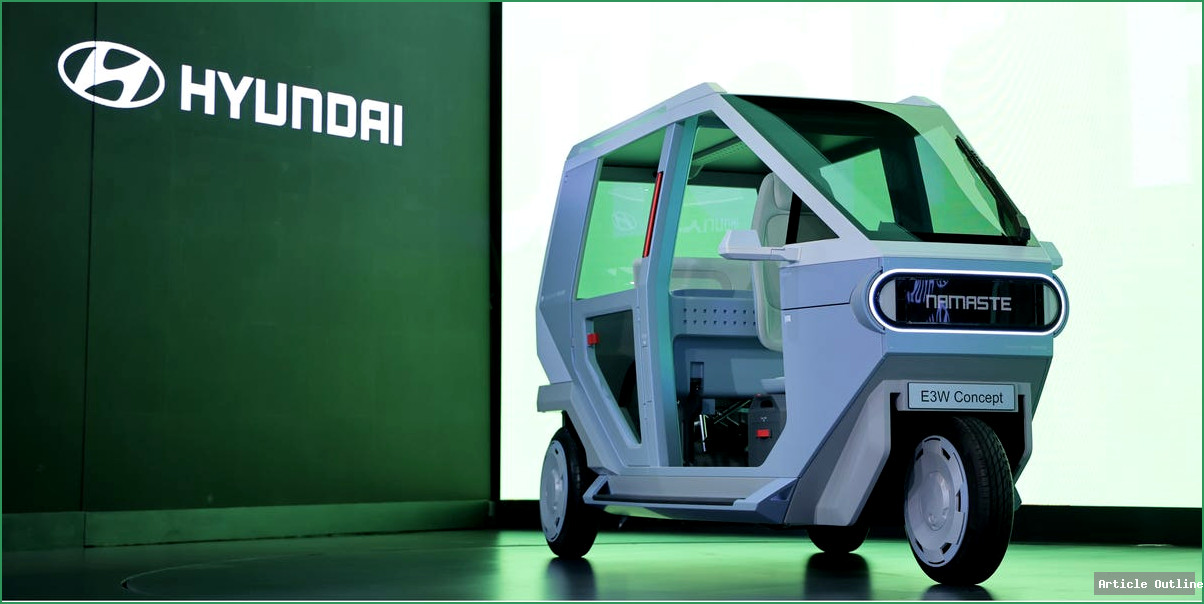
While the original article simply provides a collection of photos, let’s dive into what makes the Hyundai E3W such a fascinating departure from the norm—and why you should care, even if you think three wheels are two too many.
Why This Matters
- Urban congestion is skyrocketing—by 2030, over 60% of the world’s population will live in cities. Space (on roads and in parking lots) is at a premium.
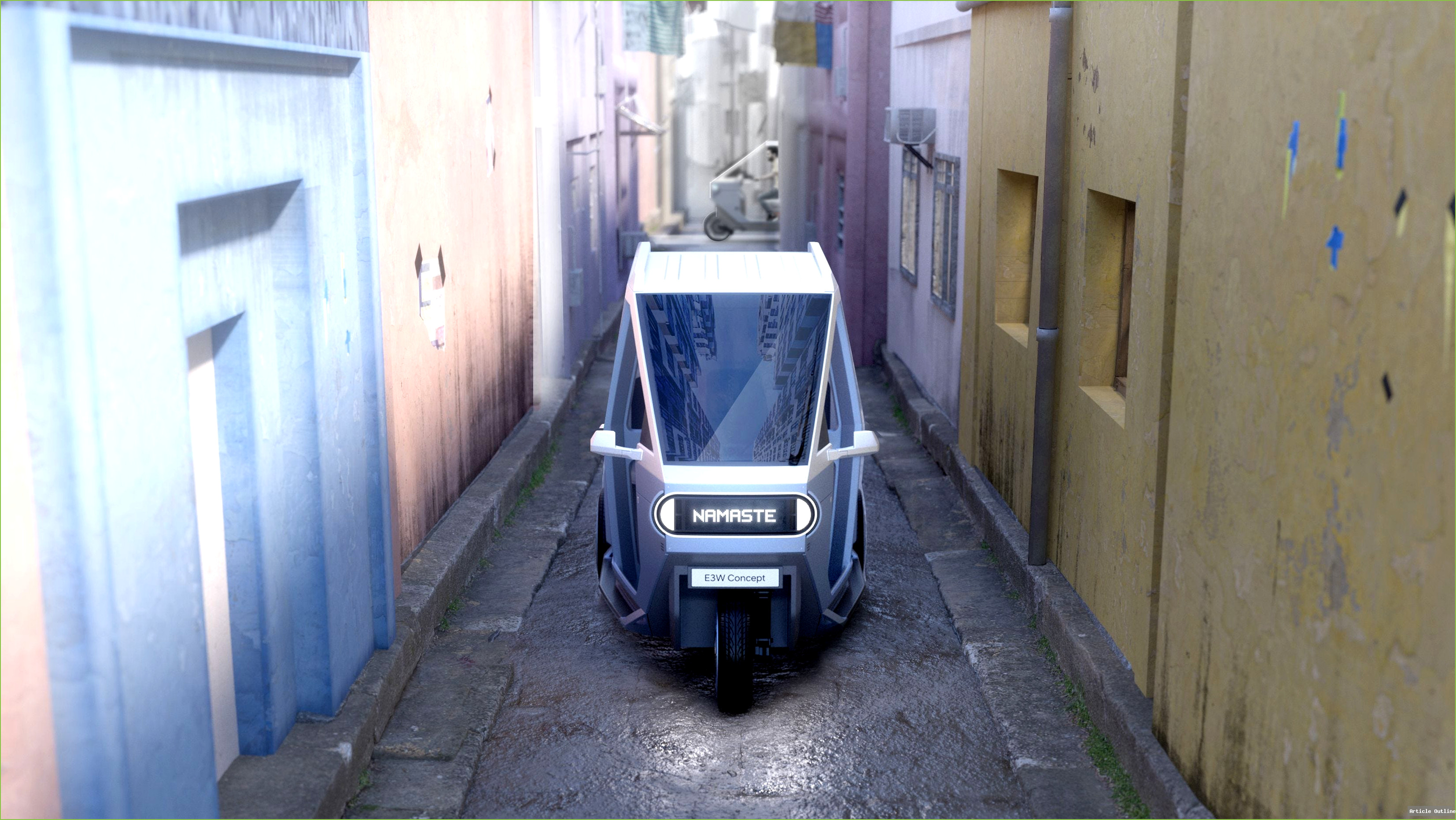
- The E3W’s compact footprint directly addresses this, offering a nimble solution for last-mile transport, ride-hailing, or even small cargo delivery.
- Electrification isn’t just for full-size cars. Smaller EVs like the E3W use far less energy per mile, making them a logical step for dense urban environments, especially in markets like India, China, and Southeast Asia where three-wheelers already dominate.
What Most People Miss
- This isn’t Hyundai’s first foray into alternative urban vehicles. The company’s been experimenting with micro-mobility solutions for years—including the Ioniq Scooter and Concept SEVEN minivan. The E3W slots into a broader future-facing strategy.
- Three-wheelers are often dismissed in the West as quirky or unsafe, but globally, they’re a backbone of affordable urban transport. India alone has over 1.5 million registered auto-rickshaws.
- The E3W’s likely price point (if produced) could undercut traditional cars, making EV adoption accessible to millions who can’t afford a new sedan or crossover.
Key Takeaways
- The E3W is a design exercise that could have real-world impact—especially in emerging markets.
- Its minimalist, modern styling is a signal: Hyundai wants to shed the “cheap and cheerful” stereotype of three-wheelers and make them aspirational.
- Don’t expect to see it on U.S. highways, but do expect its technology and design cues to influence Hyundai’s global urban EV strategy.
Timeline: The Rise of Urban Micro-Mobility
- Early 1900s: Three-wheelers appear in Europe for cheap, light transport.
- 1950s–2000s: Explosive growth in Asia—auto-rickshaws become the urban workhorse.
- 2010s: Electrification begins, but mostly via small startups.
- 2020s: Major automakers (Hyundai, Mahindra, Piaggio) enter the fray, seeing both environmental and business potential.
Pros and Cons of the Hyundai E3W Concept
- Pros:
- Ultra-compact and maneuverable
- Zero emissions—especially vital for smog-choked cities
- Potentially lower cost of ownership versus cars
- Modern design could remove social stigma
- Cons:
- Limited range and speed (specs not released, but typical for class)
- Safety concerns compared to four-wheeled vehicles
- Unlikely to appeal to traditional car buyers in Western markets
The Bottom Line
Hyundai’s E3W is more than a photo op—it’s a bold statement about where urban mobility is going. As cities get denser, and sustainability pressures mount, expect more major automakers to embrace the three-wheeler formula, especially for emerging markets. The real revolution? Making these vehicles not just practical, but desirable.