When two sibling SUVs battle for dominance, the real winner is often the buyer. The 2026 Hyundai Palisade and the 2027 Kia Telluride are more than just corporate cousins—they’re the flagships redefining what mainstream three-row SUVs should be. But don’t be fooled by the similar DNA; the differences run deeper than you might think.

Most comparisons focus on trim lists, horsepower, or leather quality. Let’s dig deeper: What does the Palisade vs. Telluride rivalry really mean for shoppers, and what might you miss if you only skim the surface?
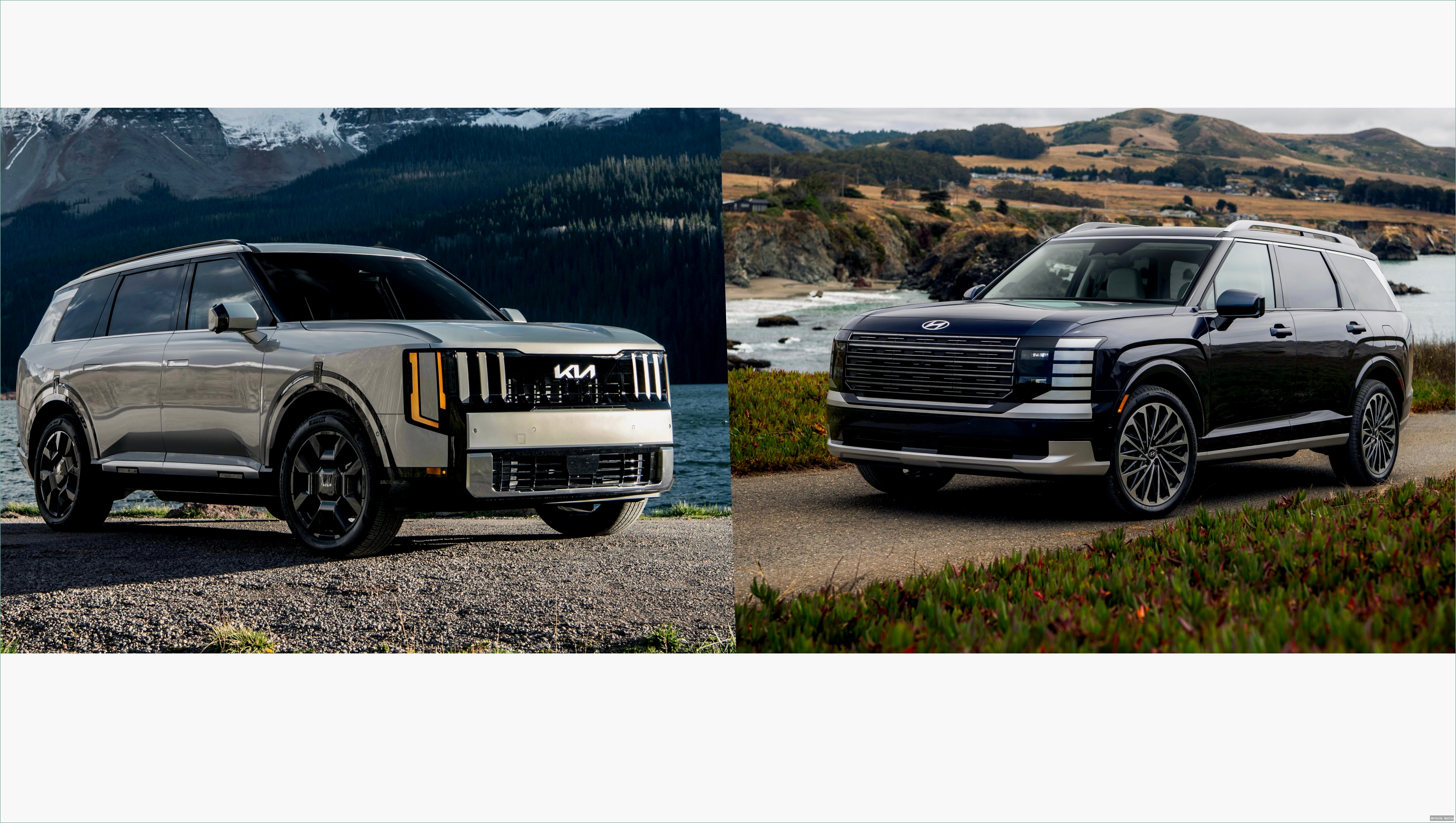
Why This Matters
- Korean brands are shaking up the SUV hierarchy: By offering distinct personalities under the same corporate roof, Hyundai and Kia are outmaneuvering aging American badge engineering. This forces legacy automakers to rethink their formula.
- Hybrid powertrains are now mainstream: The availability of hybrids in both models signals a shift in consumer expectations. If you want a three-row SUV with real efficiency, you no longer have to settle for a niche option.
- Design and brand identity trump badge: Buyers no longer default to Honda or Toyota. Hyundai and Kia’s bold styling and tech-forward interiors have become major selling points for younger families.
Key Takeaways
- Cargo and passenger space are nearly identical, but the Telluride ekes out a small win in max cargo (89 vs 87 cubic feet) and standard cargo (22 vs 19 cubic feet).
- Engine strategies diverge: The Palisade sticks with a V6 (287 hp), while Telluride goes turbo-four (274 hp, but 311 lb-ft torque). Both offer a new 329 hp hybrid, but the Palisade’s hybrid has published MPG (up to 33 city/35 highway) while Telluride’s is still TBA.
- Towing and off-road chops are close, with a max 5000 lbs (gas) and slightly less for hybrids. The Telluride X-Pro has a bit more ground clearance, but neither is a rock-crawler.
- Pricing is virtually neck-and-neck: $40k–$58k for both, but the Telluride offers more trims to fine-tune your pick.
What Most People Miss
- Powertrain philosophy: Kia’s move away from a V6 to a torquey turbo-four isn’t just about numbers—it’s about future-proofing for emissions, efficiency, and possibly electrification.
- Interior tech and ambiance: Both SUVs push the envelope, but Hyundai’s Caligraphy trim blurs the line between mainstream and luxury. Kia counters with a broader range of trims, appealing to both budget and premium shoppers.
- Resale and reliability trends: Historically, both models have held value well. However, the introduction of new hybrid tech could shift long-term reliability perceptions—watch this space.
- The real-world MPG gap might not be as big as EPA numbers suggest, especially when loaded with people and gear. Always test drive both!
Pros and Cons Analysis
| Palisade | Telluride | |
|---|---|---|
| Base Engine | V6, 287hp | Turbo-4, 274hp/311lb-ft |
| Hybrid MPG (est.) | 33/35 (FWD) | TBA |
| Max Cargo Space | 87 cu ft | 89 cu ft |
| Off-Road Model | XRT Pro, 8.4″ clearance | X-Pro, 9.1″ clearance |
| Trim Variety | 7 (gas), 7 (hybrid) | 10 (gas), 5 (hybrid) |
| Pricing | $41k–$58k | $41k–$58k |
Timeline: Recent Evolution
- 2026: Hyundai rolls out the new-generation Palisade.
- 2027: Kia debuts the second-gen Telluride with turbo-four and hybrid options.
Action Steps for Shoppers
- Test drive both models—pay close attention to engine feel and interior ambiance.
- Compare hybrid vs. gas models for your real-world driving needs.
- Evaluate trim levels by needs, not just price—tech and luxury features can differ.
- Ask about hybrid battery warranties and dealer service support for new powertrains.
“The real battle isn’t on paper. It’s in the driveway—where brand, styling, and tech win hearts more than cubic feet or MPG.”
The Bottom Line
Hyundai and Kia have set a new standard for what a family SUV can be—bold, efficient, high-tech, and (finally) fun to look at. The Palisade vs. Telluride rivalry isn’t just about picking a winner; it’s about how far the segment has come. If you’re shopping in this category, you’re spoiled for choice—and that’s a very good thing.