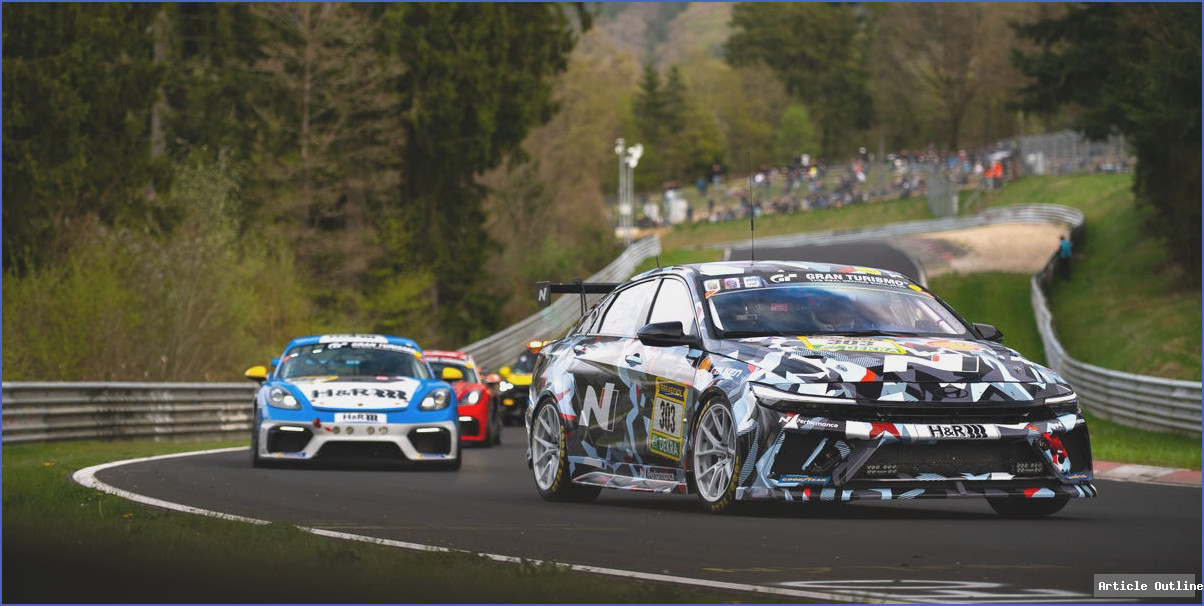
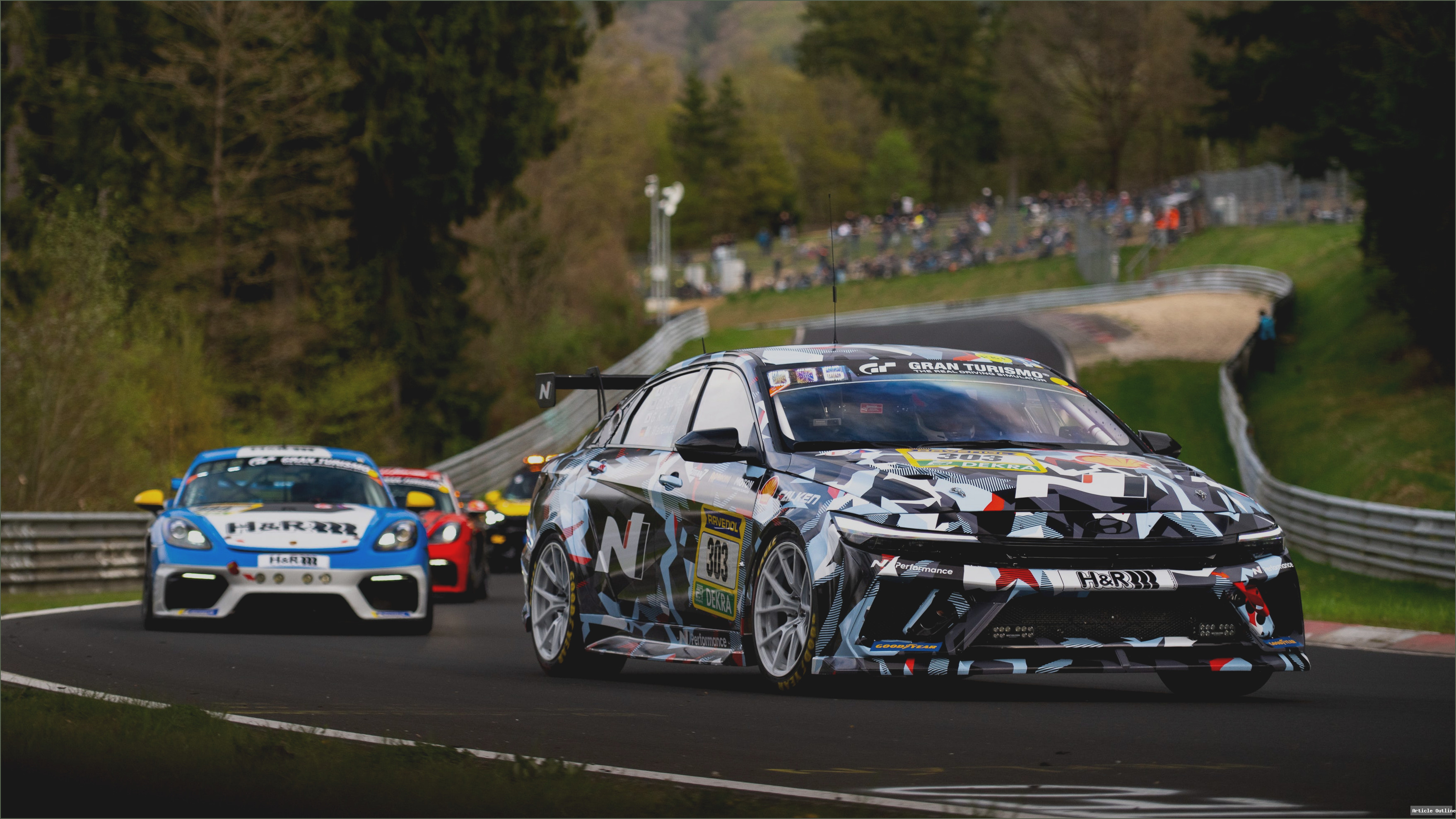
Hyundai is making waves in the performance car world once again, but this time with a bold move that goes far beyond the usual press release. The automaker is pushing the limits of its next-generation gas engine by subjecting it to the ultimate torture test: the grueling 24 Hours of Nürburgring. This is more than just PR—it’s a statement about Hyundai’s commitment to performance, innovation, and, interestingly, internal combustion’s future in a rapidly electrifying world.
Why This Matters
While most automakers are racing toward electrification, Hyundai’s move signals that the internal combustion engine (ICE) isn’t dead yet—at least not for enthusiasts. By validating this new engine under the punishing conditions of the Nürburgring 24-hour race, Hyundai is ensuring that its N cars will deliver the kind of reliability, responsiveness, and sheer fun that the modern performance driver demands.
- The next-gen engine is said to be more powerful and more responsive than the current 2.0-liter turbo four.
- It will meet modern emissions standards, addressing regulatory pressures while keeping ICE alive in the performance segment.
- This approach mirrors Hyundai’s 2016 strategy with the original i30N, whose prototype engine was also endurance-tested before hitting the streets.
What Most People Miss
Endurance racing isn’t just about speed—it’s a crucible for engineering. Many forget that innovations we see in production cars often start on the track. The fact that Hyundai is using its Elantra N1 RP race cars as real-world test beds means the eventual street version will inherit technology proven under the harshest conditions.
- Continuous high-rev stress tests reveal flaws long before they hit the consumer market, leading to higher reliability.
- Race data offers invaluable feedback for calibrating performance and refining emissions systems—something lab tests alone can’t match.
Key Takeaways
- Hyundai is doubling down on its N division, betting that petrolheads still crave the excitement only a well-tuned ICE can provide.
- Endurance racing isn’t just spectacle; it’s the backbone of real-world testing for future street cars.
- Hyundai’s track record (pun intended) shows this isn’t just a marketing stunt. The i30N’s success story started the same way—and that car became a cult favorite among hot hatch fans.
Industry Context & Comparisons
- While Toyota, Honda, and others are exploring hybrid or full-electric platforms for their performance lines (e.g., Toyota GR Corolla, Honda Civic Type R), Hyundai is uniquely prioritizing ICE development for enthusiasts—and not just in the lab.
- According to S&P Global, global ICE vehicle sales are projected to decline by 25% by 2030. Yet, performance sub-brands like Hyundai N are bucking the trend, continuing to invest in petrol power where it matters most: the experience.
- This approach echoes the strategy of Porsche, which continues to refine its flat-six engines for the 911 lineup, balancing heritage with regulatory compliance.
Pros & Cons of Hyundai’s ICE Endurance Testing
- Pros:
- Real-world validation ensures durability and reliability.
- Builds credibility with performance enthusiasts.
- Helps refine emissions and performance balance.
- Cons:
- Significant R&D costs for a shrinking ICE market.
- Potential regulatory hurdles in certain markets post-2025.
The Bottom Line
Hyundai isn’t just building another engine—it’s making a statement. In an era where many brands are hedging their bets on electrification, Hyundai’s endurance racing gambit keeps the flame alive for petrol-powered performance. If history is any guide, enthusiasts should be excited: what survives 24 hours of Nürburgring hell is likely to thrive on the street—and maybe even in your garage.
