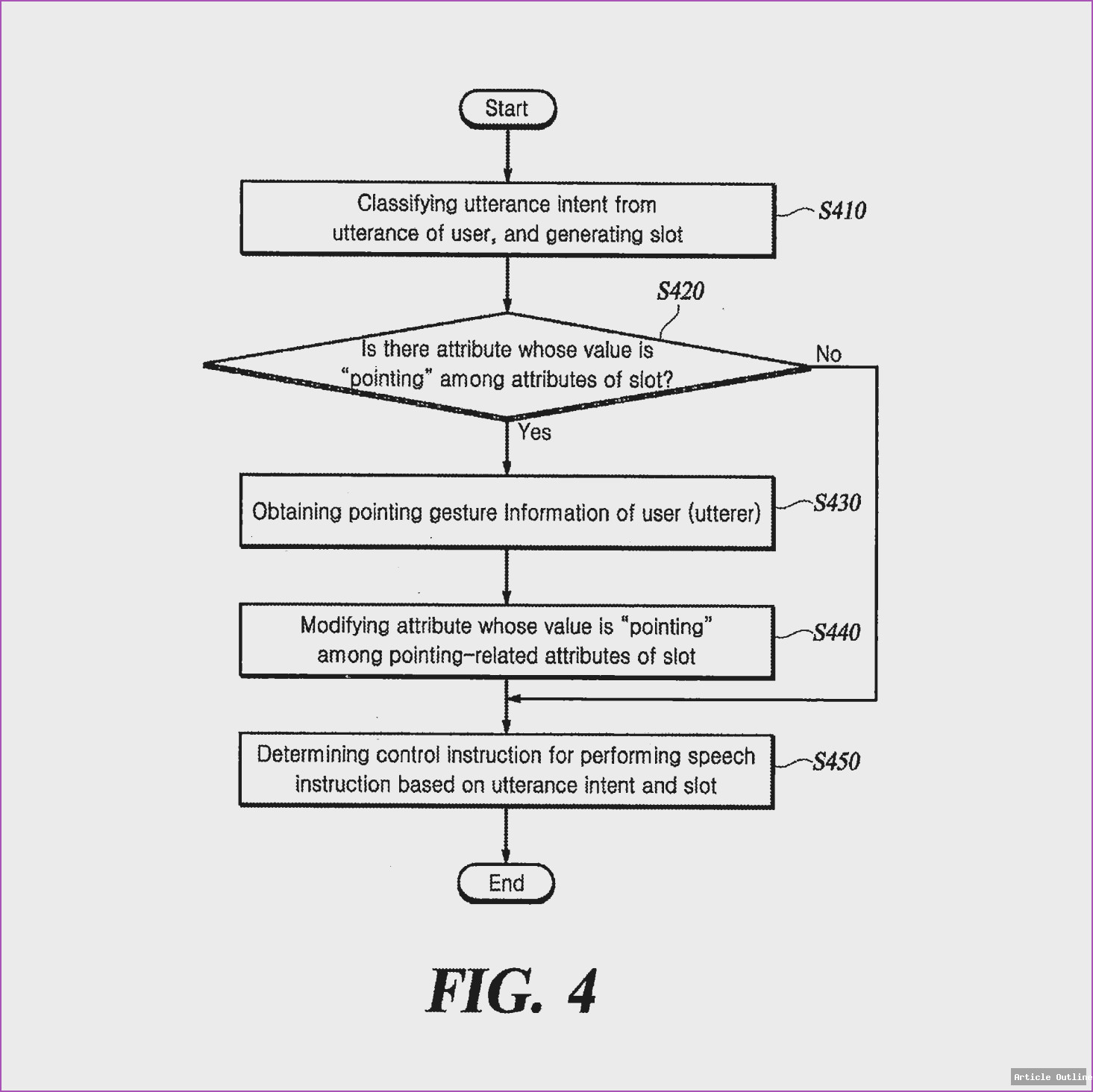
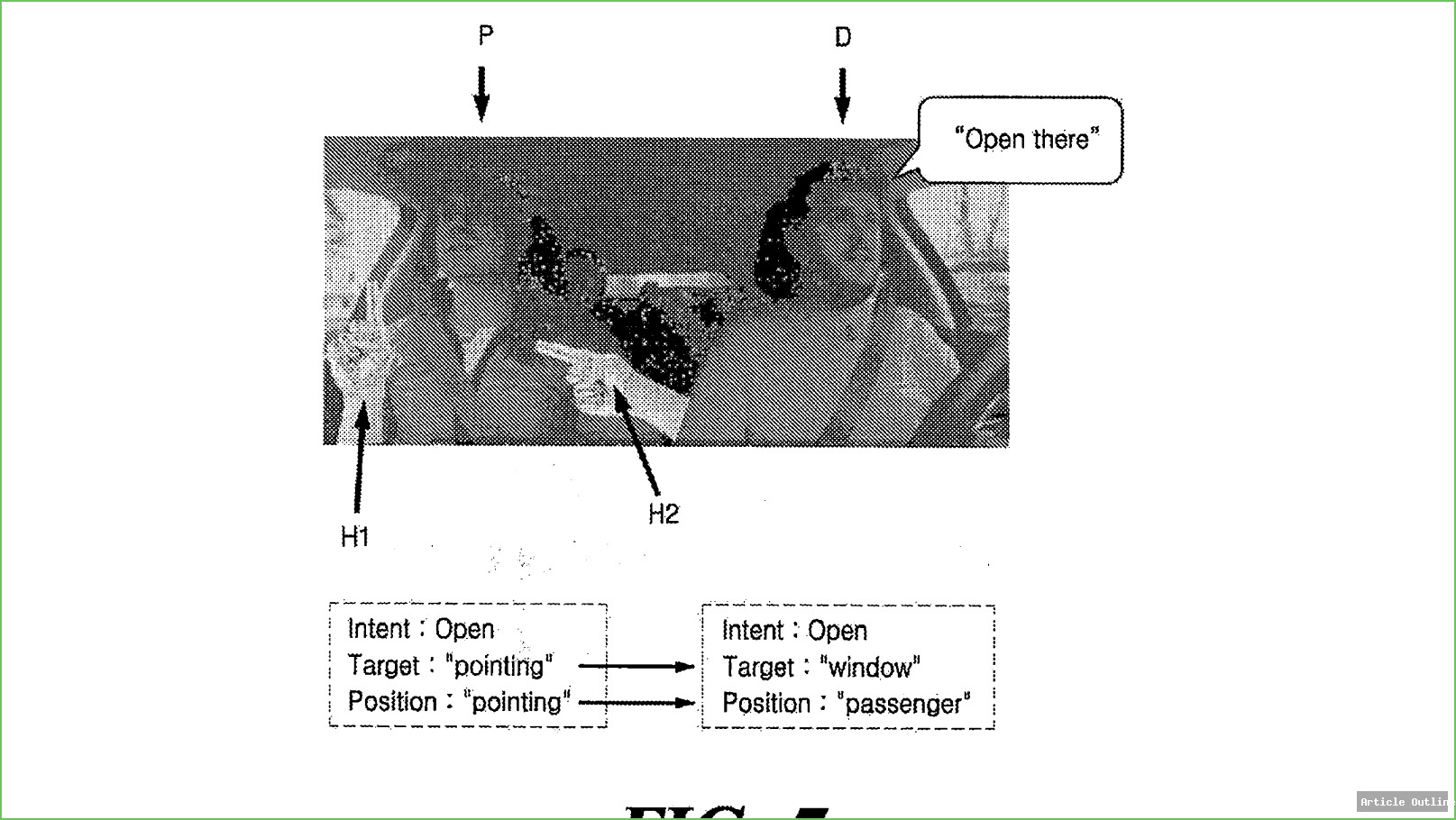
Imagine rolling down your car window by simply pointing at it and saying, “Open.” Hyundai’s latest patent application suggests this could soon be a reality, blending intuitive gestures with voice commands to create a smarter, safer, and more natural way to interact with your vehicle. But what does this really mean for drivers—and the future of car technology?
Why This Matters
- User Experience Revolution: Forget fiddling with confusing touchscreens or searching for tiny buttons. This system promises to bring a new level of ease and accessibility, especially important as car dashboards get increasingly complex.
- Enhanced Safety: By reducing the cognitive load and physical distraction, drivers can keep their eyes on the road and hands closer to the wheel, potentially reducing accident risk.
- Accessibility: For drivers with limited mobility or dexterity, point-and-speak control could be a game-changer, opening up new possibilities for independent mobility.
What Most People Miss
- Precision Occupant Recognition: The patent isn’t just about pointing. It details how sensors and cameras can identify which passenger is making the request, even distinguishing overlapping gestures in crowded cabins. That’s a big leap over previous clunky gesture controls.
- Contextual Intelligence: The system can interpret vague commands based on your gesture—so “open this” or “what’s this for?” finally make sense, reducing the need for memorizing specific terms.
- Potential for Playful Customization: While not explicitly mentioned, the idea of customizing command names (“Lumos!” for headlights, anyone?) could make car interactions more fun and personal.
Key Takeaways
- Hyundai’s patent application (U.S. 2026/0260654 A1) describes a system where cameras and microphones track gestures and voices to execute commands—no more guessing which window to open or button to press.
- This builds on—and aims to fix—the failures of past gesture control attempts by BMW and VW, which often felt more like party tricks than practical features.
- While there’s no guarantee this technology will hit showrooms soon, the trend toward natural, multimodal interfaces is accelerating across the auto industry. Mercedes’ MBUX and Tesla’s voice controls are already paving the way.
Industry Context & Comparisons
- Gesture Controls So Far: BMW and VW tried purely gesture-based systems, but users found them unreliable and unintuitive. Hyundai’s approach combines the best of both words—gesture and voice.
- Voice Assistants in Cars: Mercedes-Benz’s MBUX, Ford’s SYNC, and Tesla’s voice features are improving, but they’re often tripped up by vague commands or noisy cabins. Pointing adds clarity.
- Accessibility Push: As regulations and social demand grow for accessible tech, this system could make Hyundai and Kia leaders in inclusive vehicle design.
Action Steps & Practical Implications
- Drivers should watch for increasingly sophisticated controls in upcoming Hyundai and Kia models—this patent signals where the industry is heading.
- Expect competitors to accelerate their own development of intuitive, multimodal controls.
- If you’re tech-savvy, prepare for an era where cars understand not just what you say, but what you mean—and where you point.
“Perhaps the deep-learning models baked into the system would be able to understand your meaning.” — That’s the holy grail of car interfaces: making the machine understand you, not the other way around.
The Bottom Line
Hyundai’s point-and-speak patent could mark the start of a new era in the way we interact with our cars. It’s not just a cool trick—it’s a thoughtful response to the growing complexity of in-car tech, with the potential to improve safety, accessibility, and driving enjoyment. Will it make it to production? Time will tell, but the roadmap for next-generation car controls just got a lot clearer—and a lot more exciting.
Sources: