If you think Nissan’s legacy is limited to the Skyline GT-R or the 240Z you’ve seen in games and movies, think again. The Nissan Heritage Collection in Japan isn’t just a museum—it’s a time capsule showcasing how Nissan didn’t just follow trends, but set them. Let’s go beyond the magazine covers and YouTube highlights to uncover unique insights from this treasure trove of automotive history.
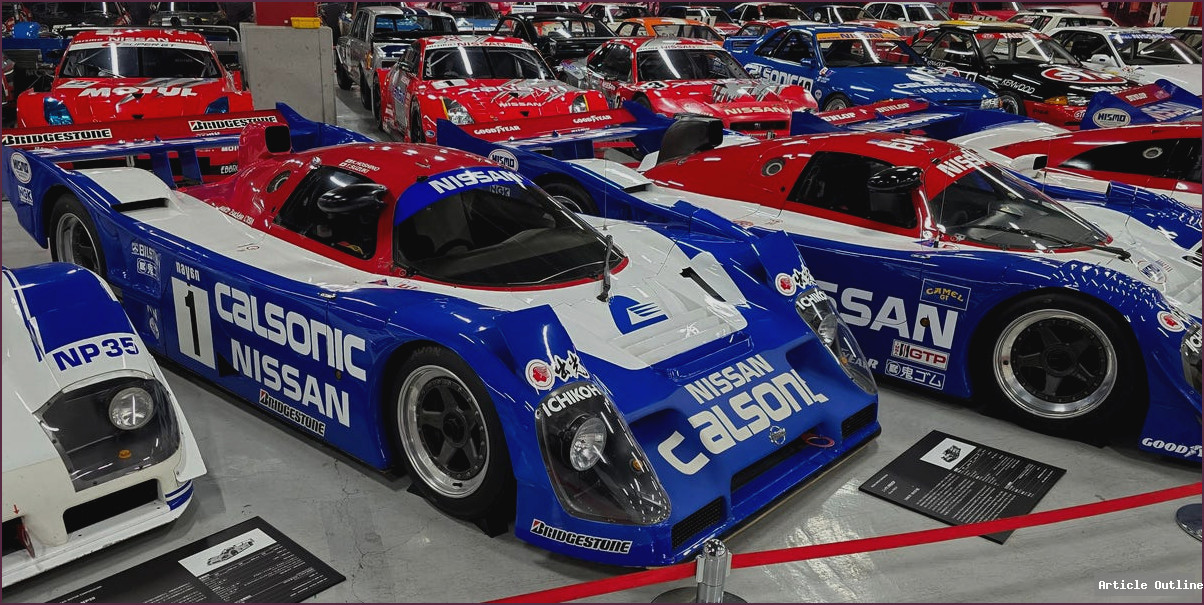
From wild race cars to quirky electric concepts, Nissan’s collection is a living lesson in how innovation, ambition, and sometimes just pure guts, have shaped not only the brand but the very landscape of the automotive world.
Why This Matters
- Nissan’s collection isn’t just nostalgia—it’s a blueprint for how carmakers adapt, experiment, and sometimes fail spectacularly in the pursuit of greatness.
- Many of these cars were ahead of their time in tech, design, and even social context: from early EVs to safety-focused kid-mobiles, Nissan was thinking decades ahead.
- Understanding these milestones gives perspective on why Nissan still dares to innovate in an industry that often punishes risk.
What Most People Miss
- Evolution, not Revolution: Iconic models like the Skyline and Z didn’t just appear—they were iterative, with each generation or concept car testing new tech (think HICAS steering, turbocharging, or all-wheel drive) before it became mainstream.
- Nissan’s Early Electric Gambit: The 1947 Tama EV had battery swapping before Elon Musk was even born. The 1991 FEV concept was already mulling over fast-charging and sporty electric driving, foreshadowing today’s Nissan Leaf.
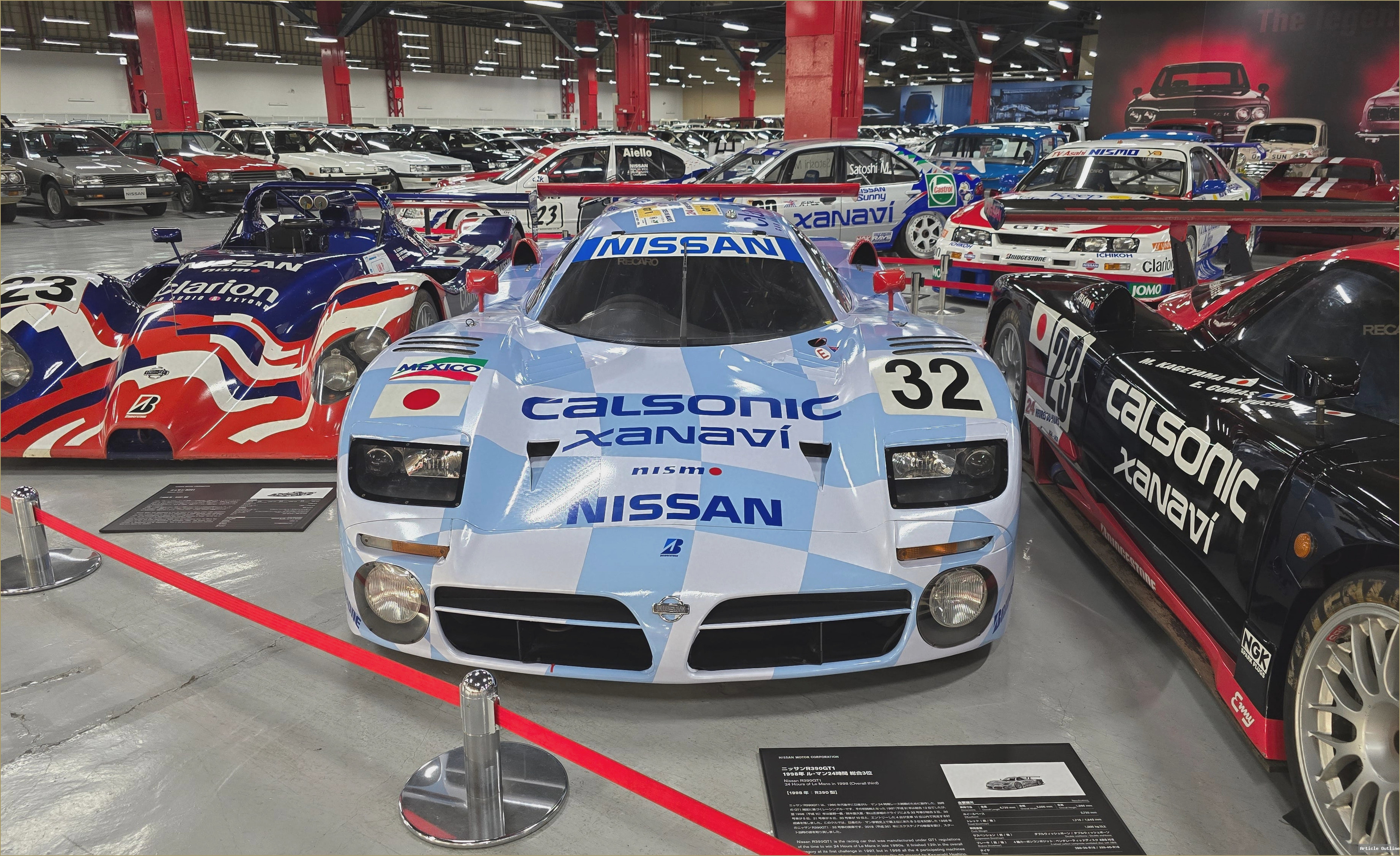
- Motorsports as Innovation Labs: The R390 GT1’s Le Mans success wasn’t just for trophies. These cars pushed powertrain and aerodynamic boundaries that filtered down to road cars, especially in turbocharging and chassis dynamics.
- Oddballs With a Purpose: From the Datsun Baby (a kid’s car for traffic safety!) to the Sunny Pickup, Nissan’s ‘weird’ cars reveal a pragmatic approach to solving social and commercial needs.
Key Takeaways
- Innovation isn’t always pretty—or successful. Concepts like the MID4 never made production, but their tech lives on in today’s Nissans.
- Nissan’s motorsport legacy is deeper than most realize. With cars winning in WRC, Le Mans, and BTCC, Nissan built its brand on international racing success—long before GT-Rs became drift icons.
- The future was always on Nissan’s mind. Long before Tesla, Nissan experimented with electric and hybrid vehicles, showing a commitment to sustainability that continues today.
Timeline: Nissan’s Trailblazing Moments
- 1947: Tama EV – One of the world’s first production electric cars, with swappable batteries.
- 1965: CSP311 Silvia – Stylish, rare, and hand-built, setting the stage for Silvia’s drift legacy.
- 1971 & 1973: Datsun 240Z – Safari Rally victories cemented Nissan’s credentials in endurance and toughness.
- 1982: Skyline Super Silhouette – Over 560 hp in a wild Group 5 body; a video game and motorsport legend.
- 1991: FEV (Future Electric Vehicle) – Fast-charging, electric sports vision decades before it became cool.
- 1998: R390 GT1 – Third at Le Mans, proof Nissan could take on the best from Europe.
Expert Perspective: Nissan’s Risk-Taking Pays Off
“Nissan’s willingness to throw wild ideas at the wall—kid-sized safety cars, mid-engined turbos, or battery-swap EVs—means they occasionally land on something brilliant. The Skyline’s racing domination, the Z’s global cult following, and even the mainstreaming of Japanese performance in the West owe a debt to this fearless experimentation.”
– Auto historian and JDM culture expert
Pros & Cons Analysis: What Makes Nissan’s Heritage Special?
- Pros:
- Celebrates the full spectrum—from race monsters to quirky economy cars.
- Shows how motorsports tech trickles down to road cars.
- Highlights Nissan’s early commitment to electrification and safety.
- Cons:
- Some innovations never reached the public—missed opportunities?
- Many legendary models were never sold outside Japan, frustrating global fans.
Action Steps & Practical Implications for Car Enthusiasts
- Look beyond the obvious icons: Nissan’s oddballs and prototypes are where the magic starts.
- Follow the tech: Features like turbocharging, rear-wheel steering, and EVs started as wild ideas in Nissan’s labs.
- Global car culture owes much to Japanese innovators like Nissan—visit a heritage collection if you can!
The Bottom Line
Nissan’s Heritage Collection is a masterclass in daring to be different. It’s a reminder that the cars we love—whether for their style, speed, or quirkiness—often come from brands not afraid to experiment. Nissan’s legacy is more than just the sum of its legendary models; it’s the story of a company willing to take risks, challenge conventions, and shape the future of driving—sometimes decades before anyone else even thought to try.