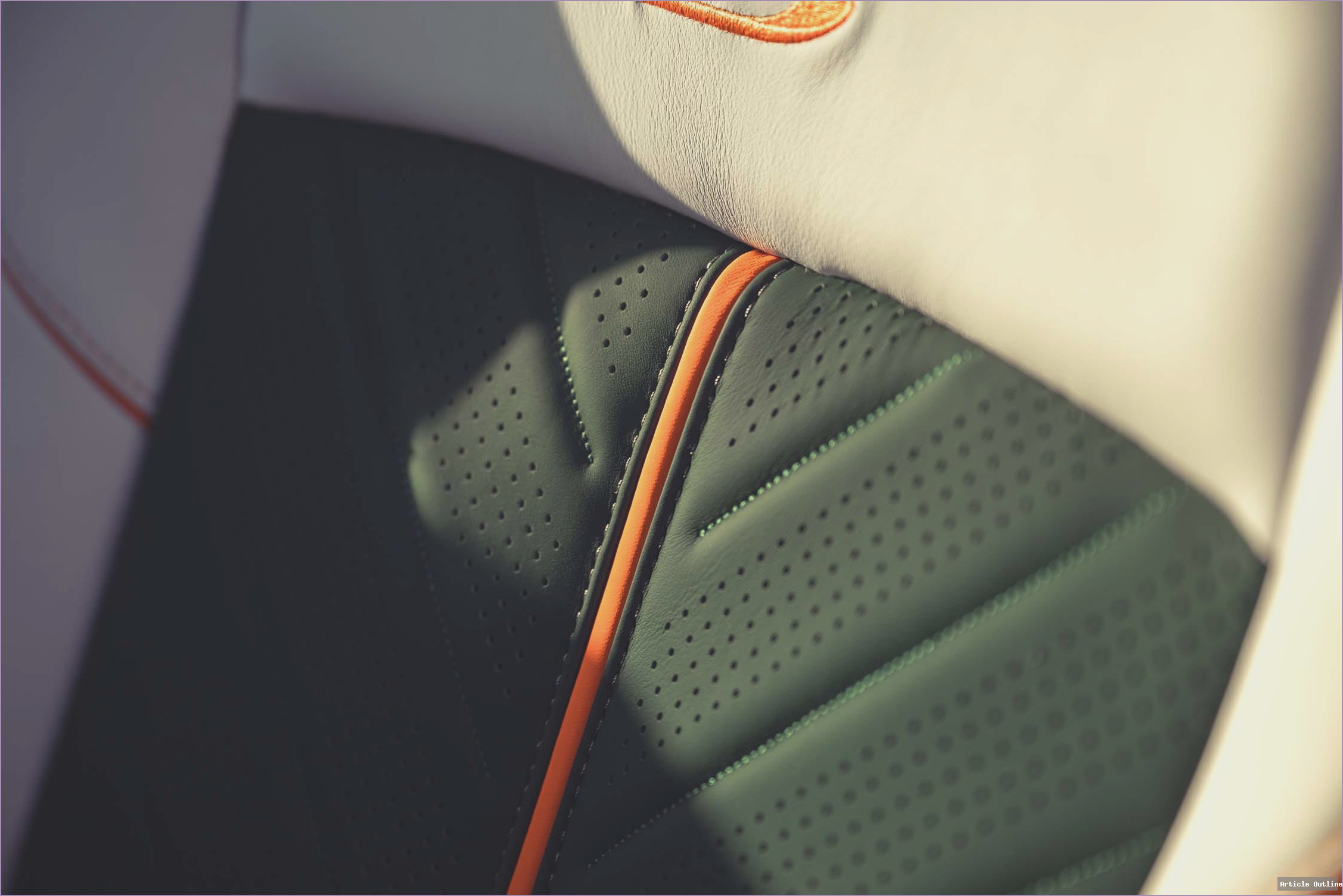
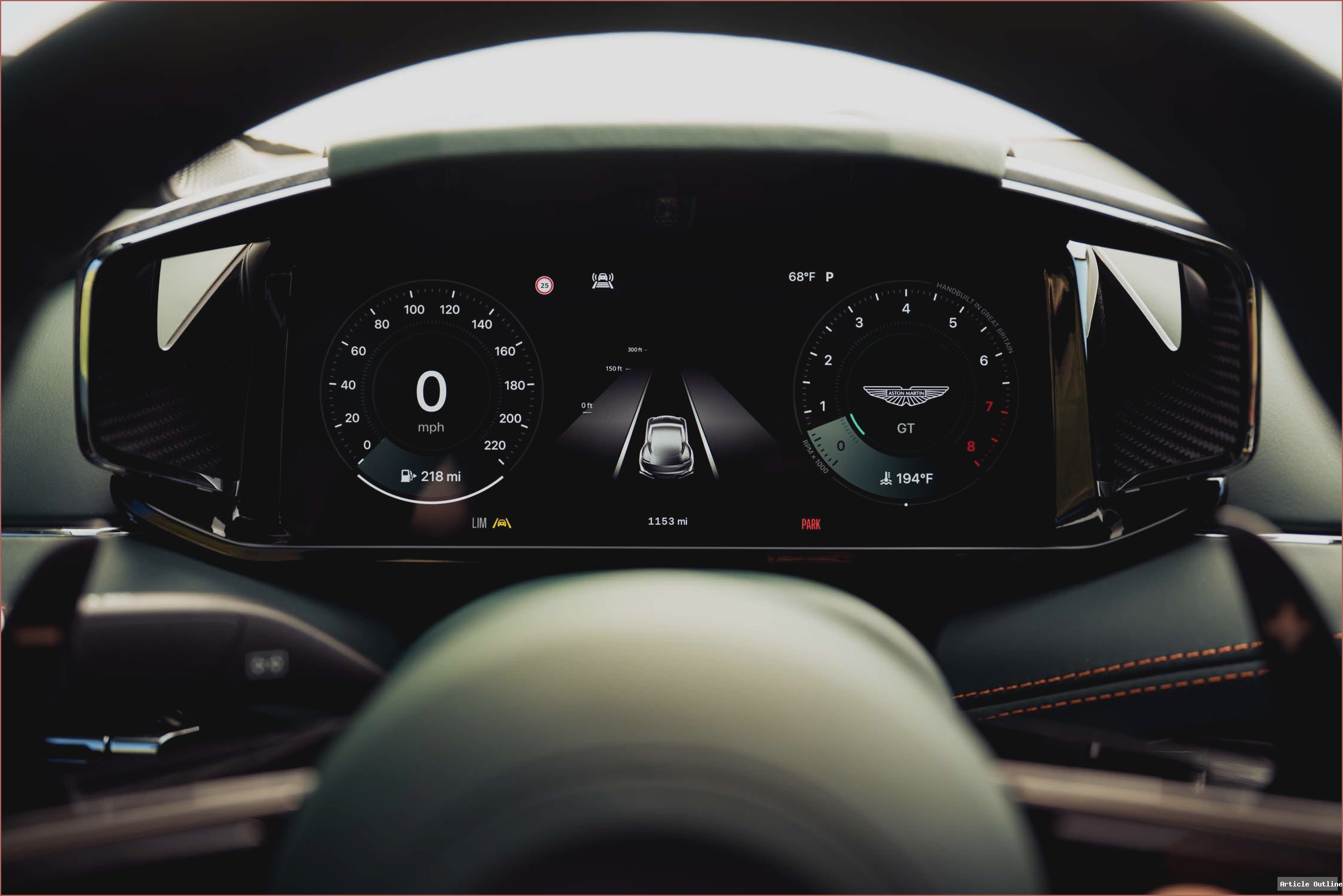
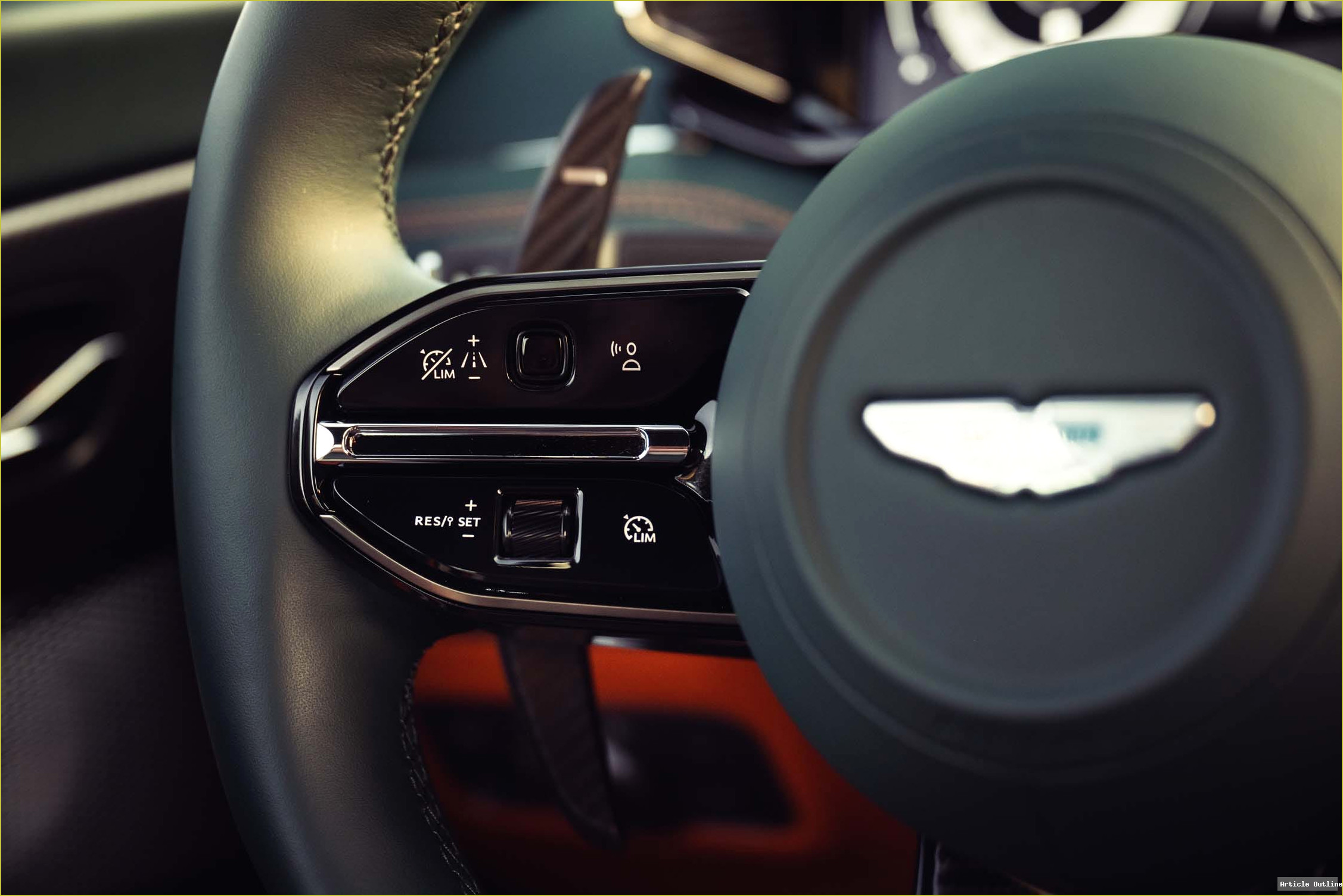
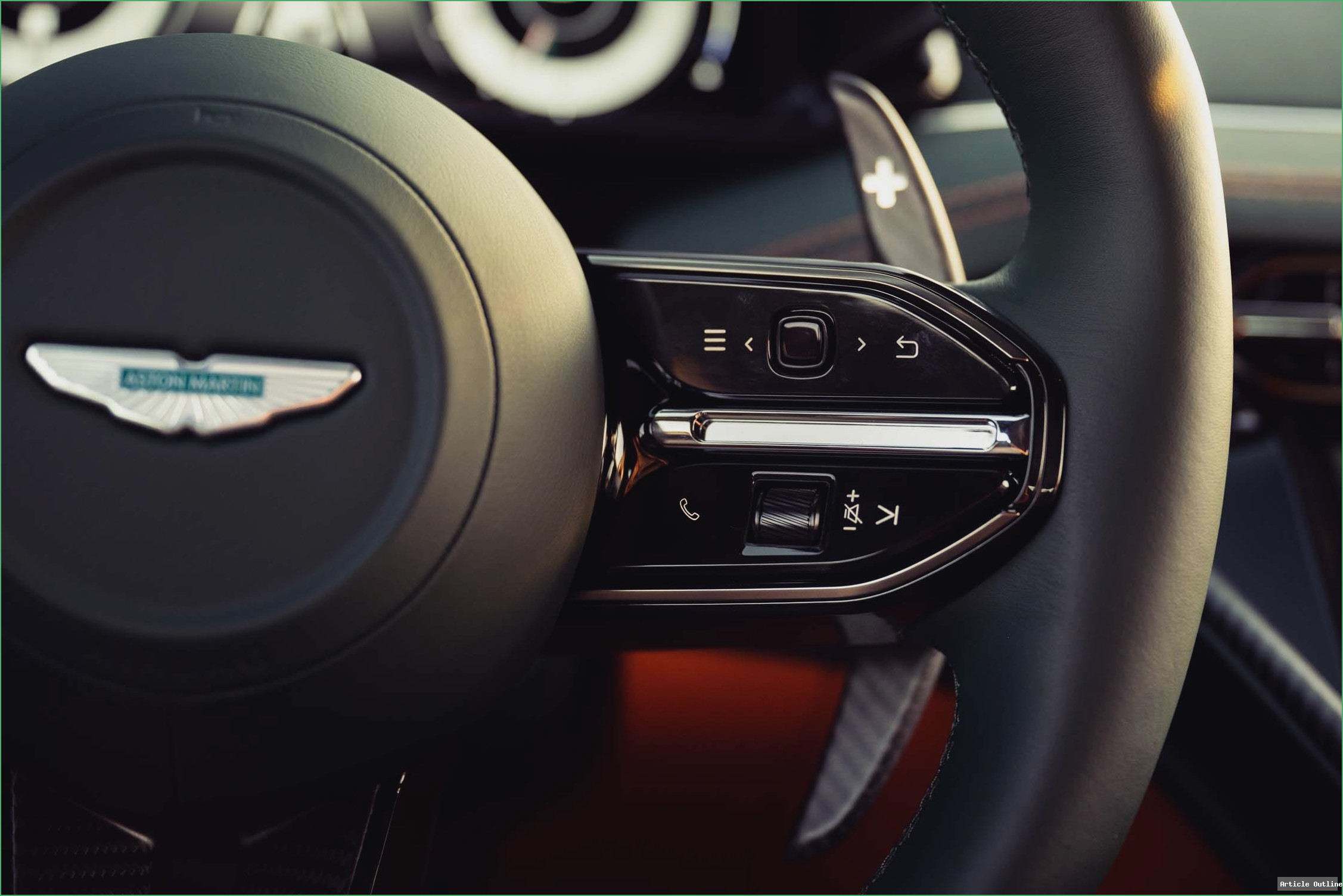
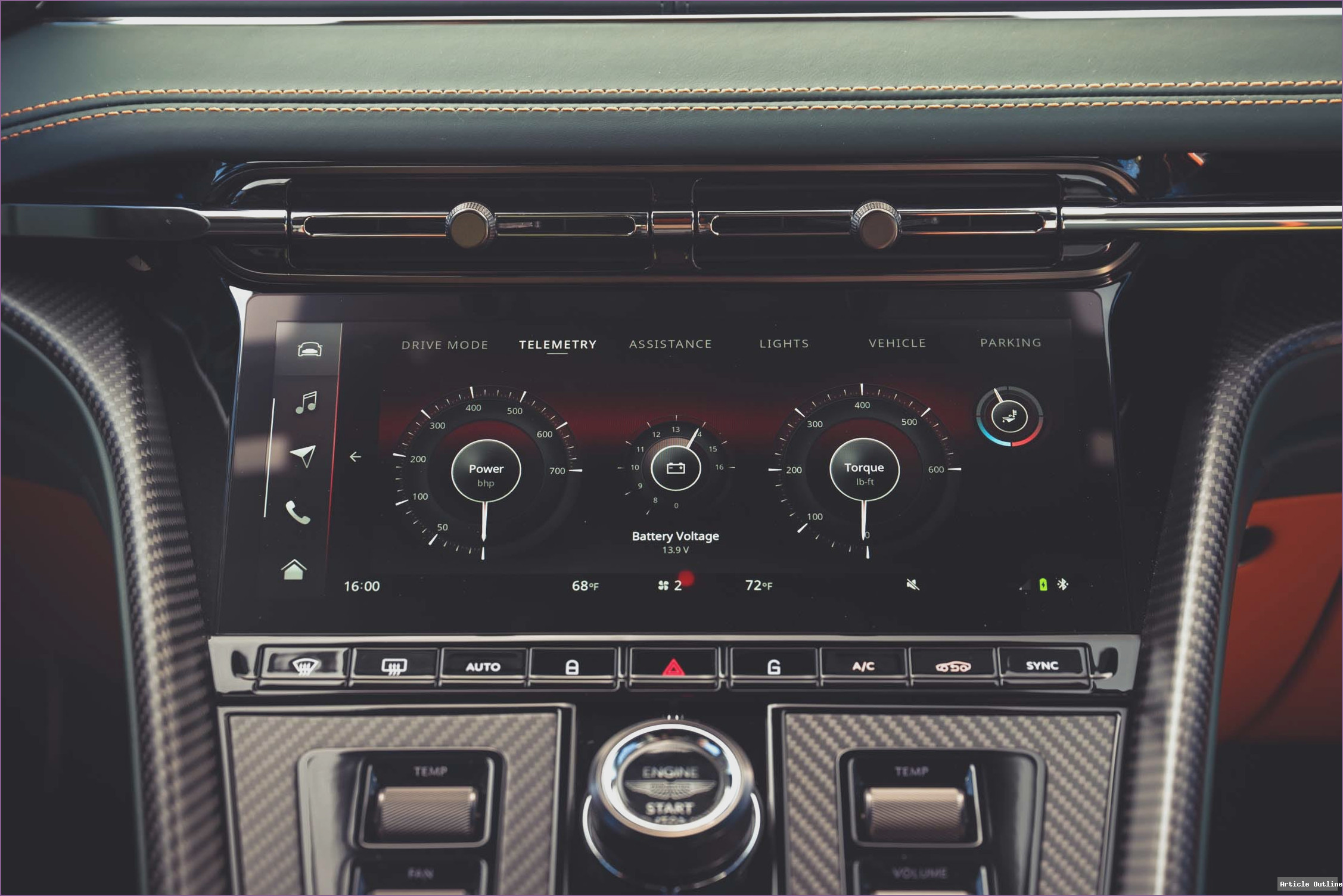
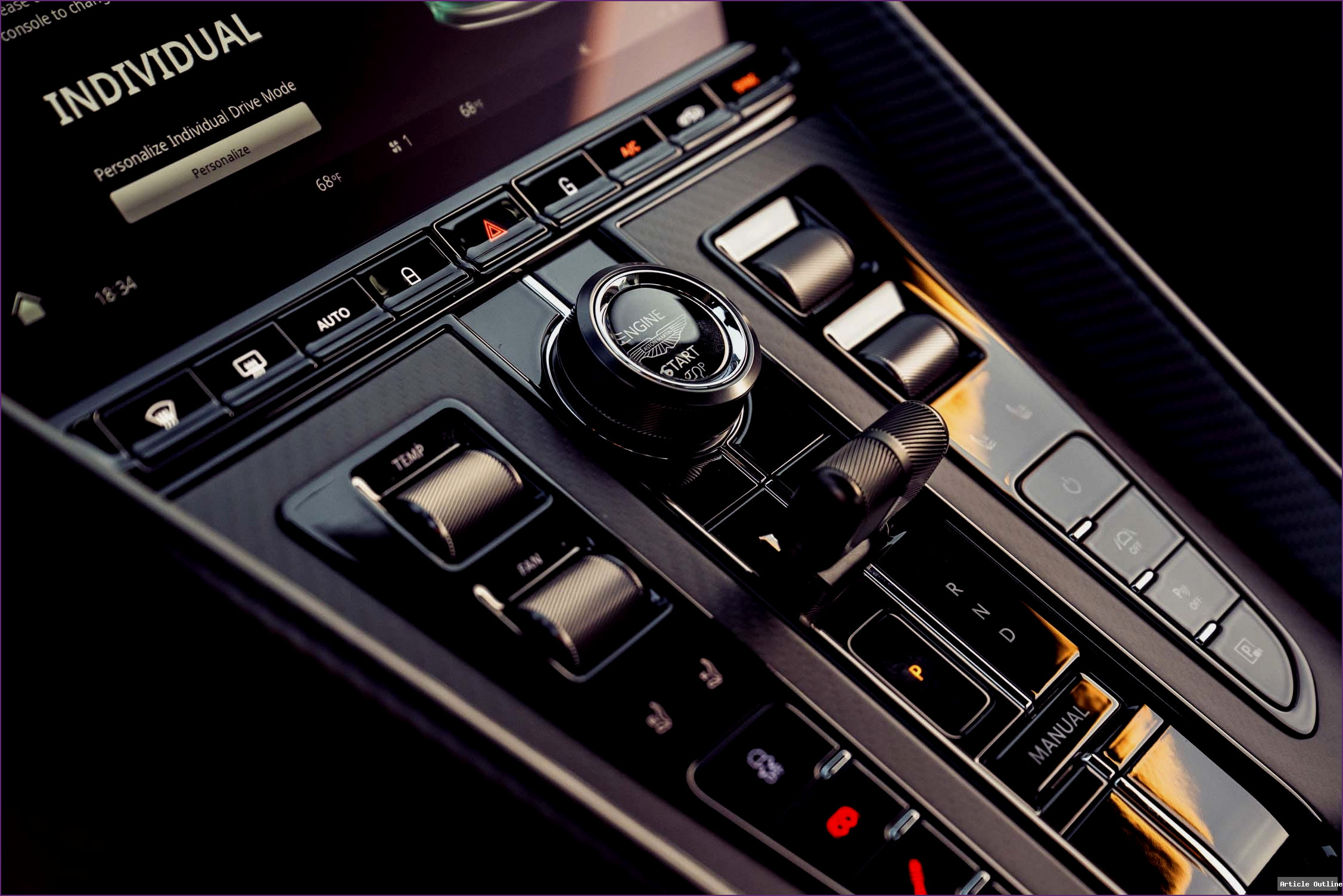
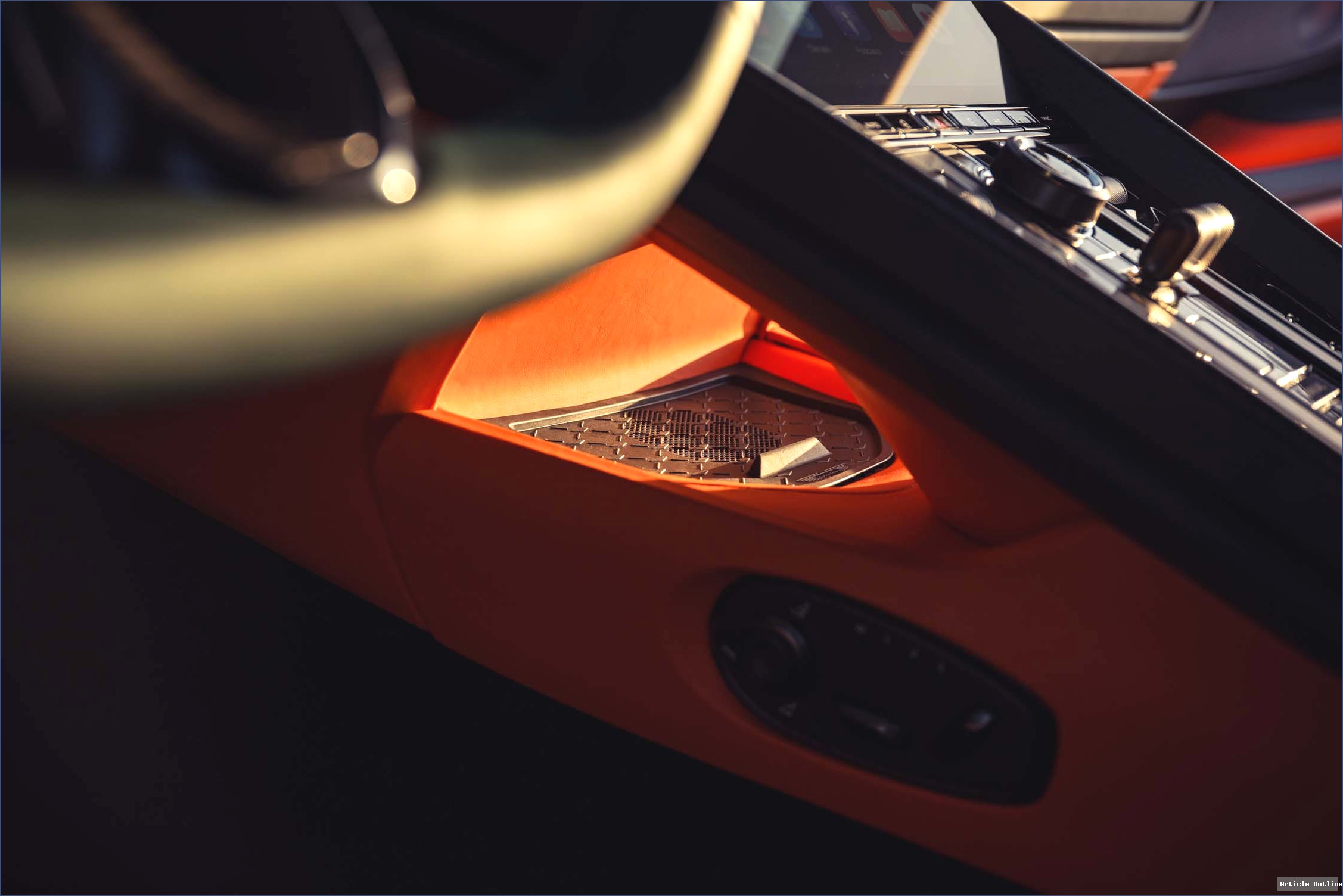
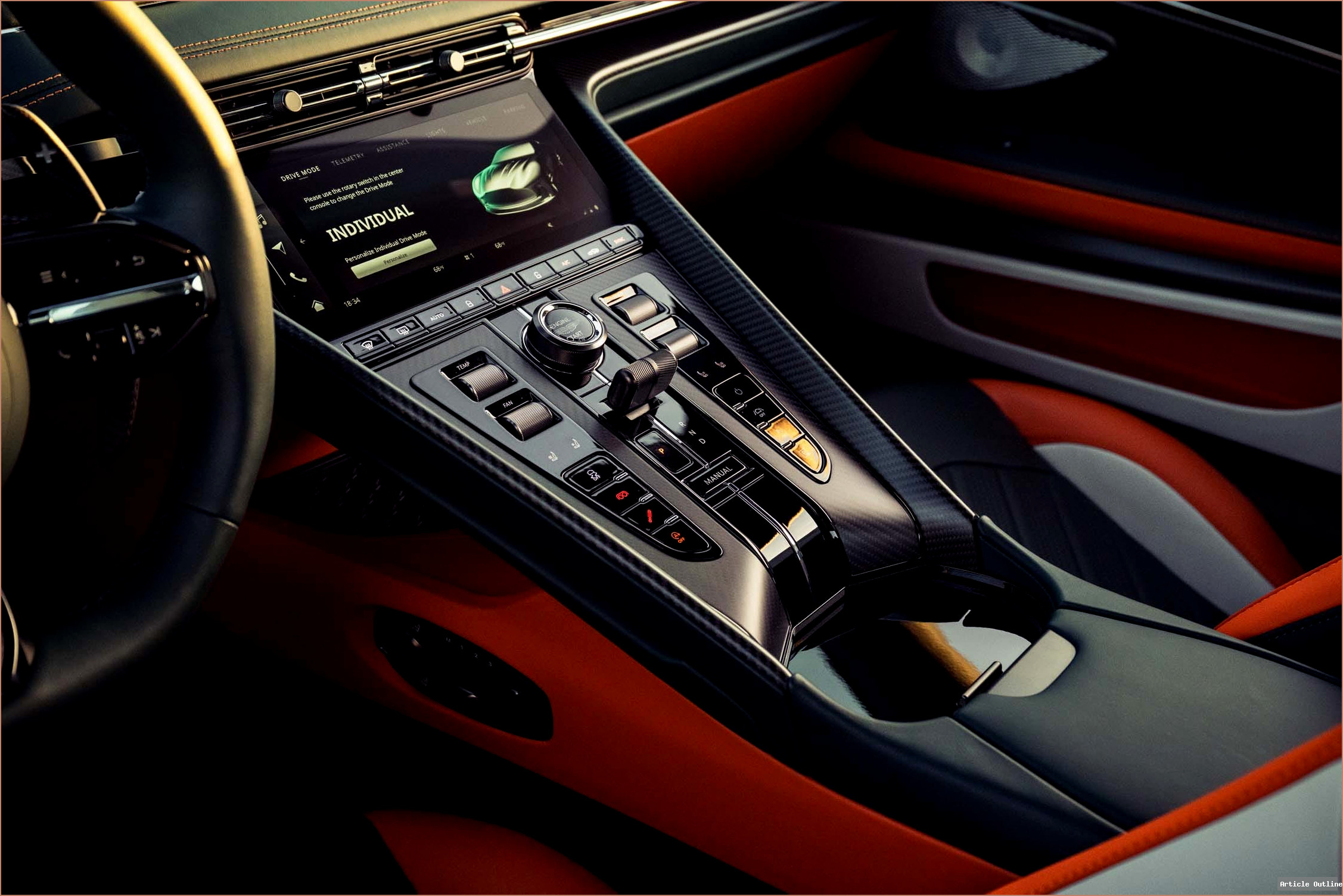
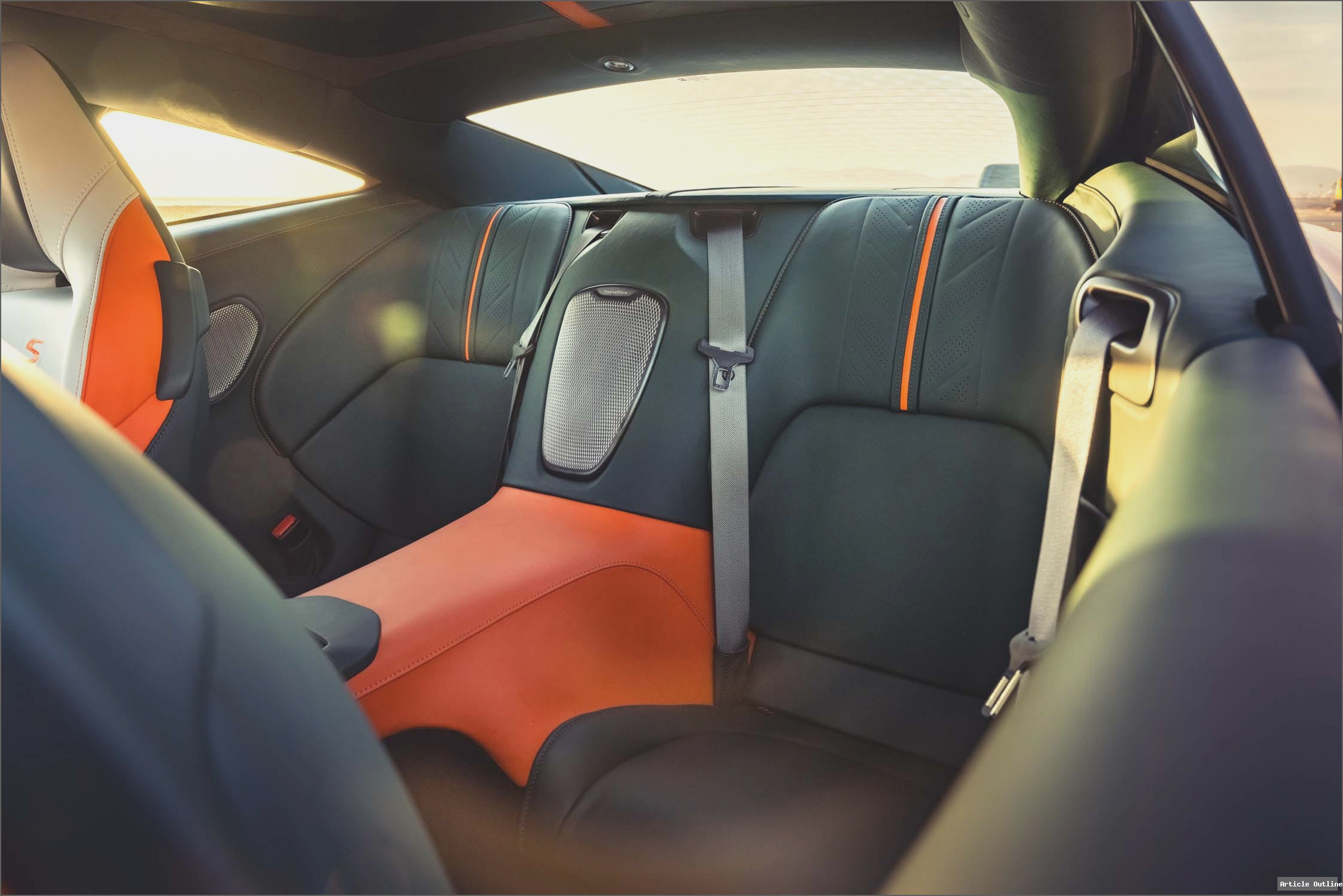
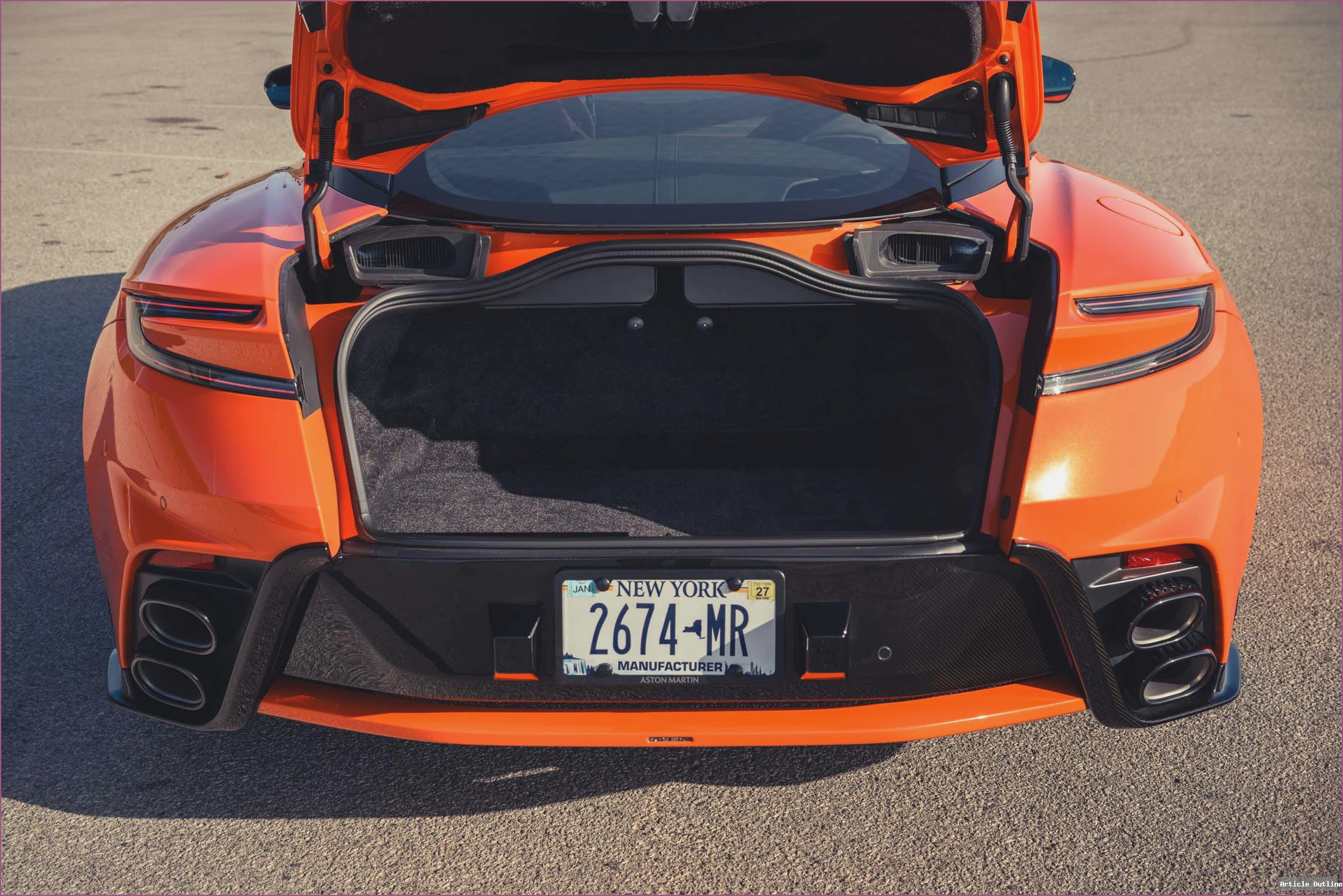
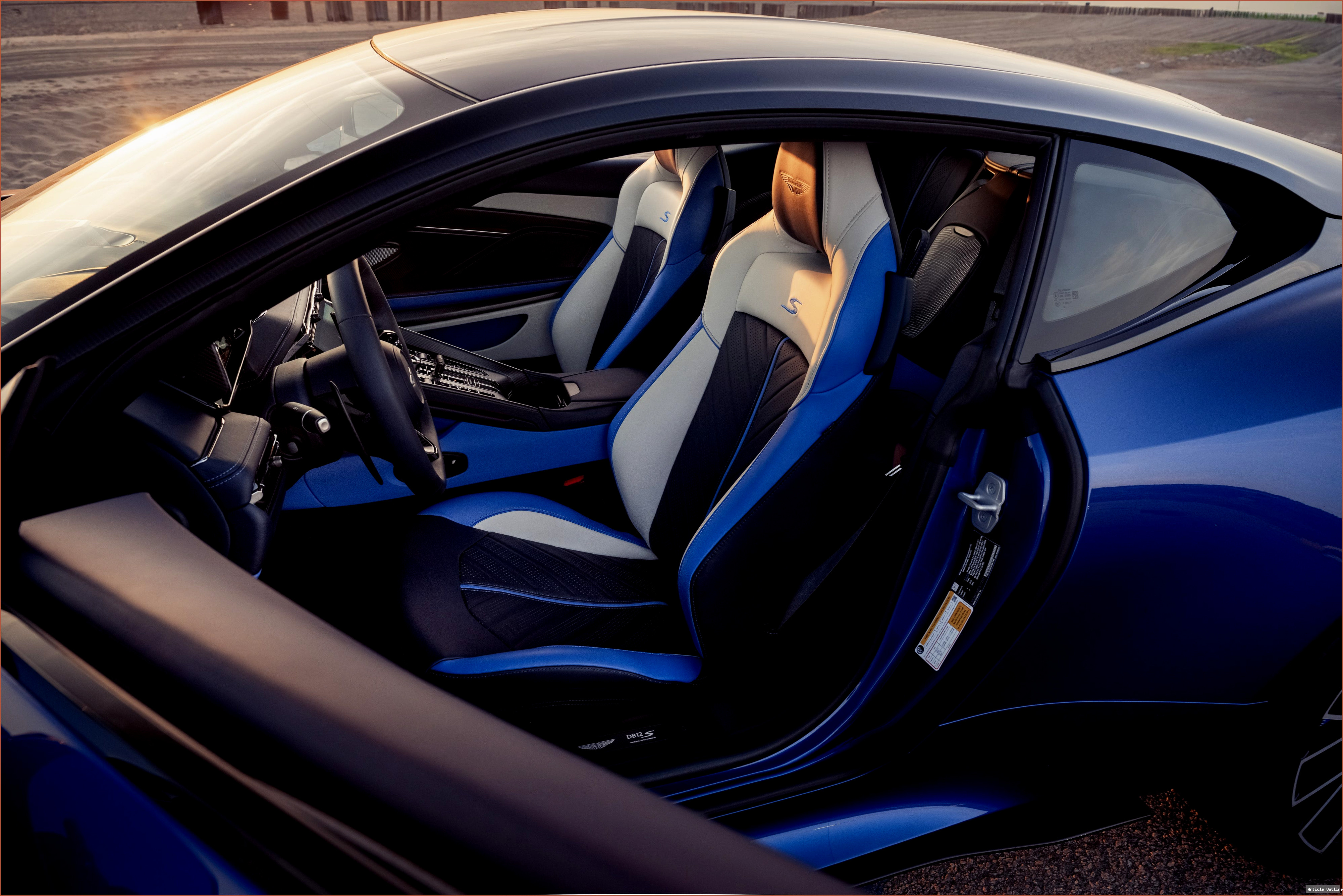
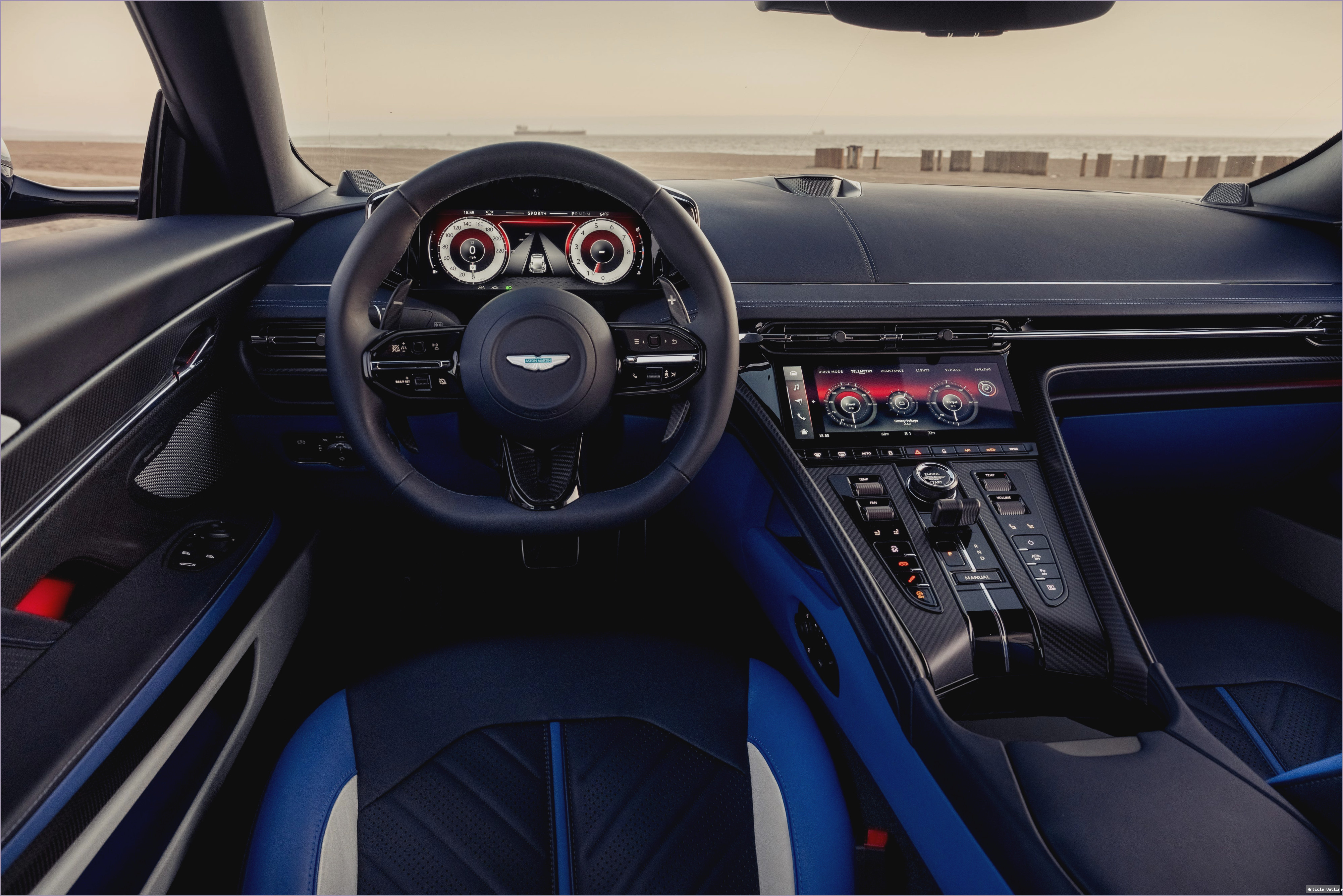
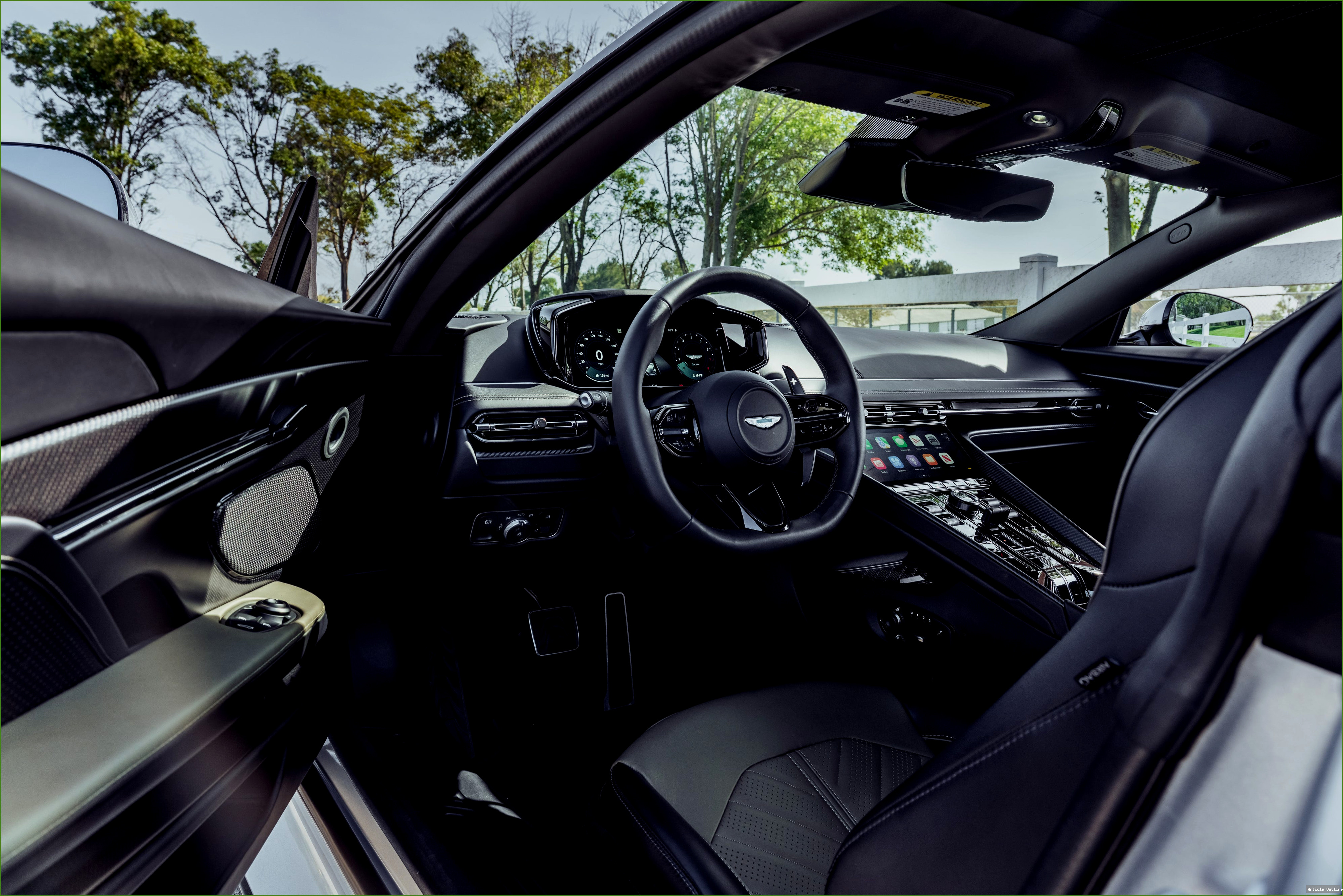
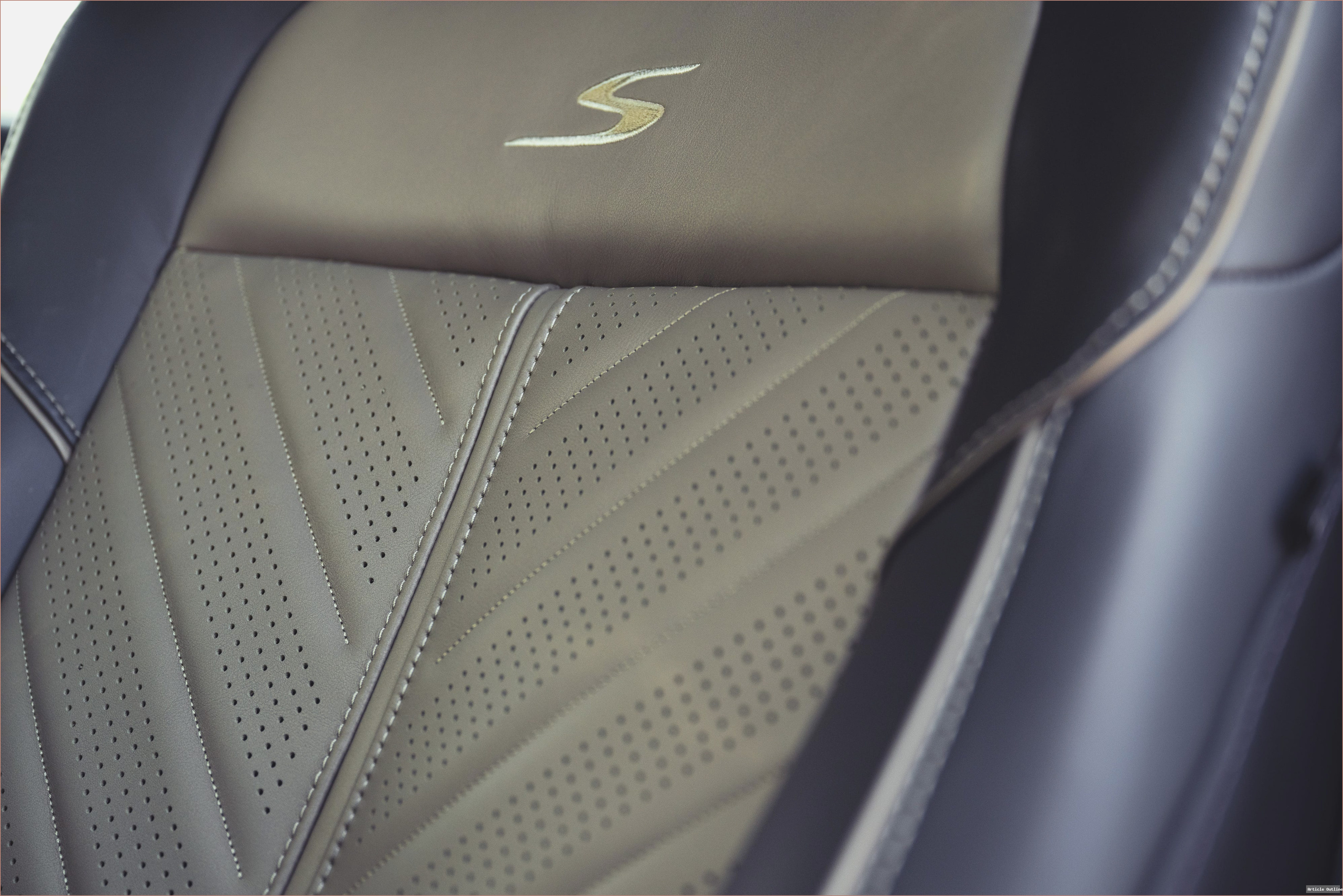
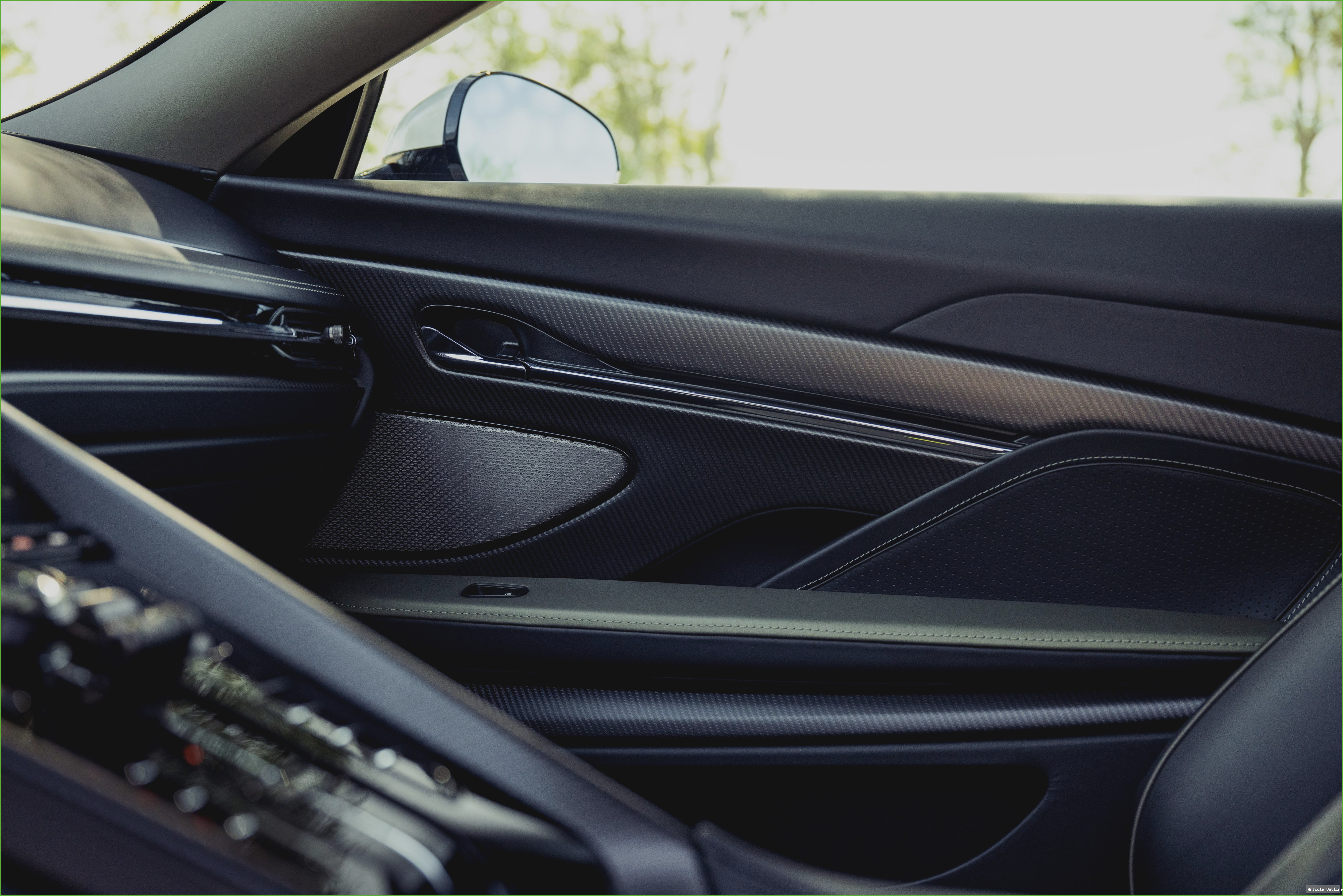
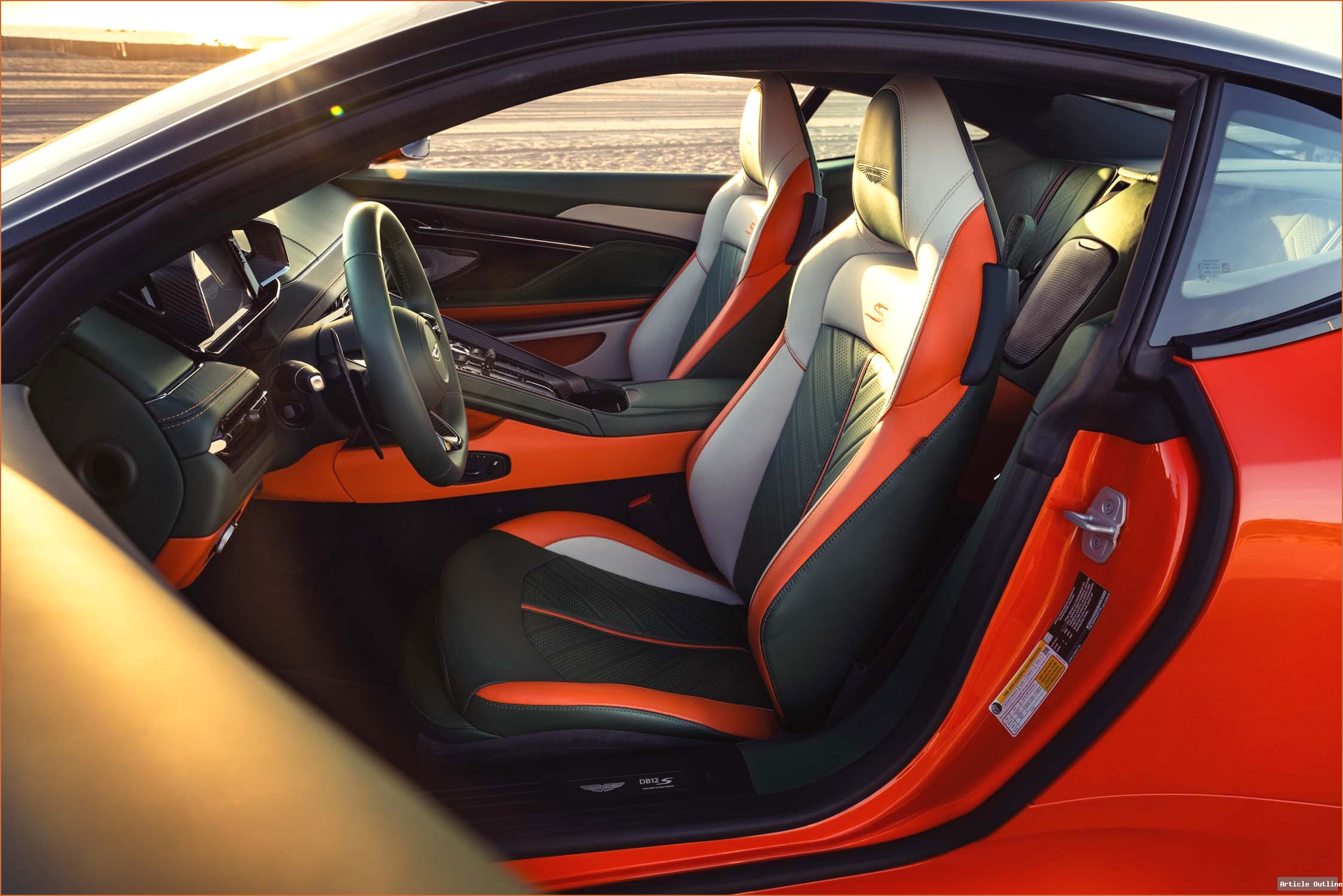
The 2026 Aston Martin DB12 S interior is a masterclass in blending traditional luxury with cutting-edge technology. But beyond the obvious visual drama, there’s real innovation and a few surprises lurking beneath the surface. Let’s dive into what sets this grand tourer’s cabin apart—and why it matters for the future of high-end automotive interiors.
Why This Matters
- Luxury automakers are under pressure to keep up with rapidly evolving in-car tech—while retaining the tactile opulence their customers expect.
- Aston Martin’s approach shows how heritage brands can modernize without losing soul.
- As EVs and hyper-digital dashboards become the norm, the DB12 S stands as a blueprint for blending analog charm with digital convenience.
What Most People Miss
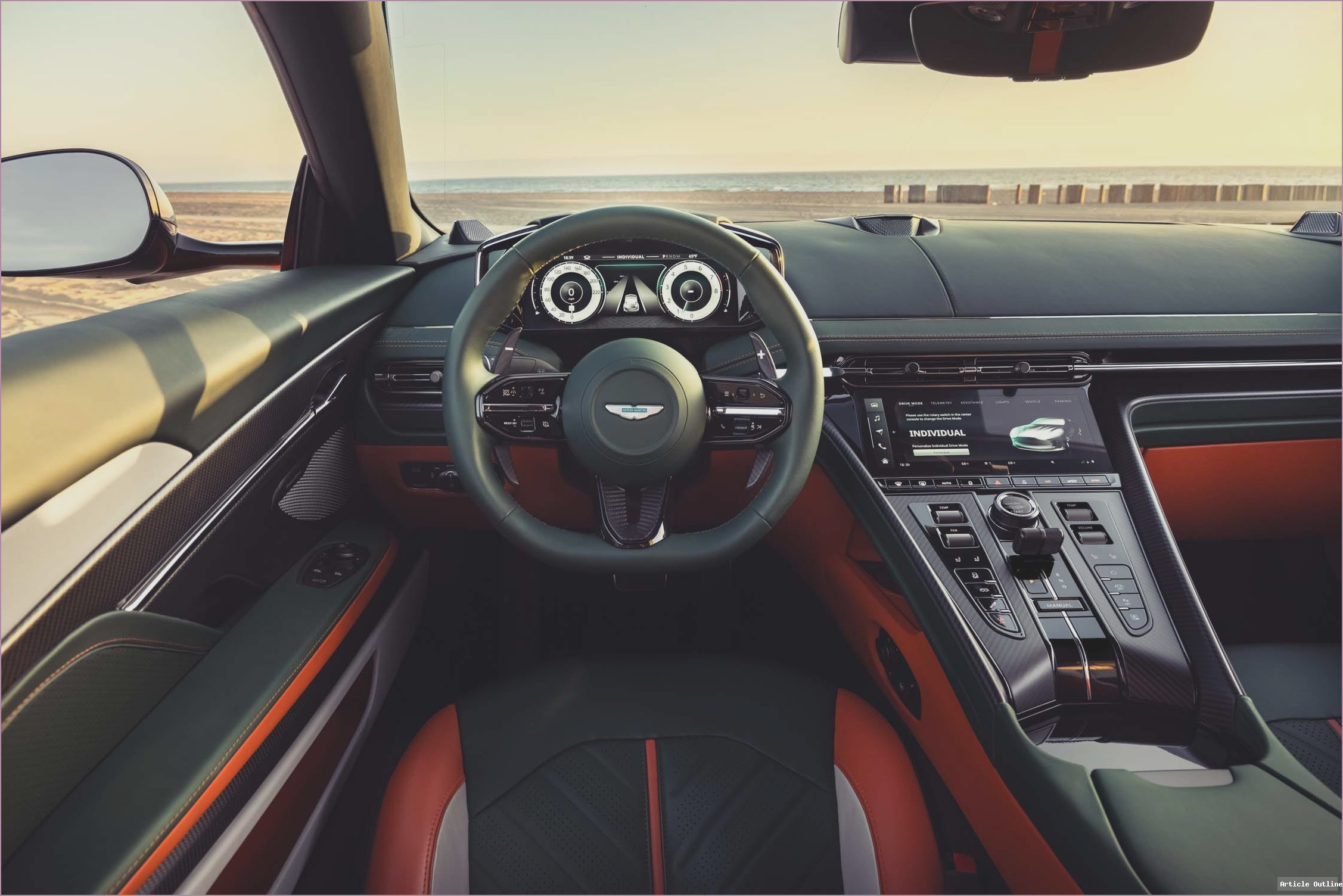
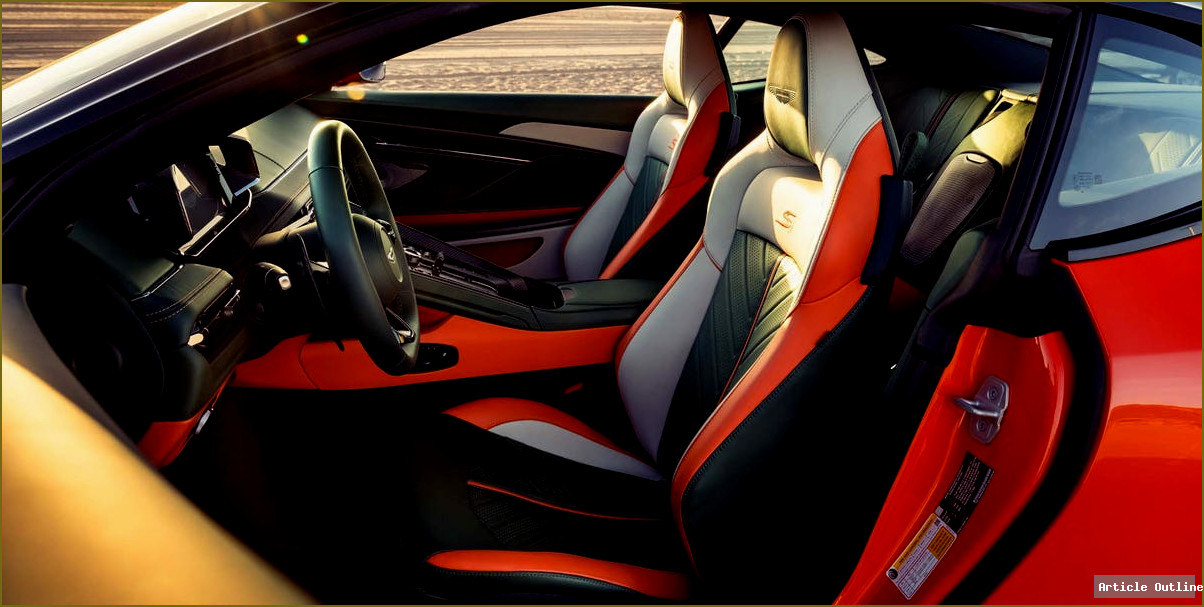
- The bold Californian Poppy orange trim isn’t just about flash—it’s a strategic move to make the DB12 S stand out in an increasingly crowded luxury coupe segment.
- Twin 10.3-inch displays run Apple CarPlay Ultra natively, a leap ahead of the laggy, tacked-on smartphone integrations found in many rivals.
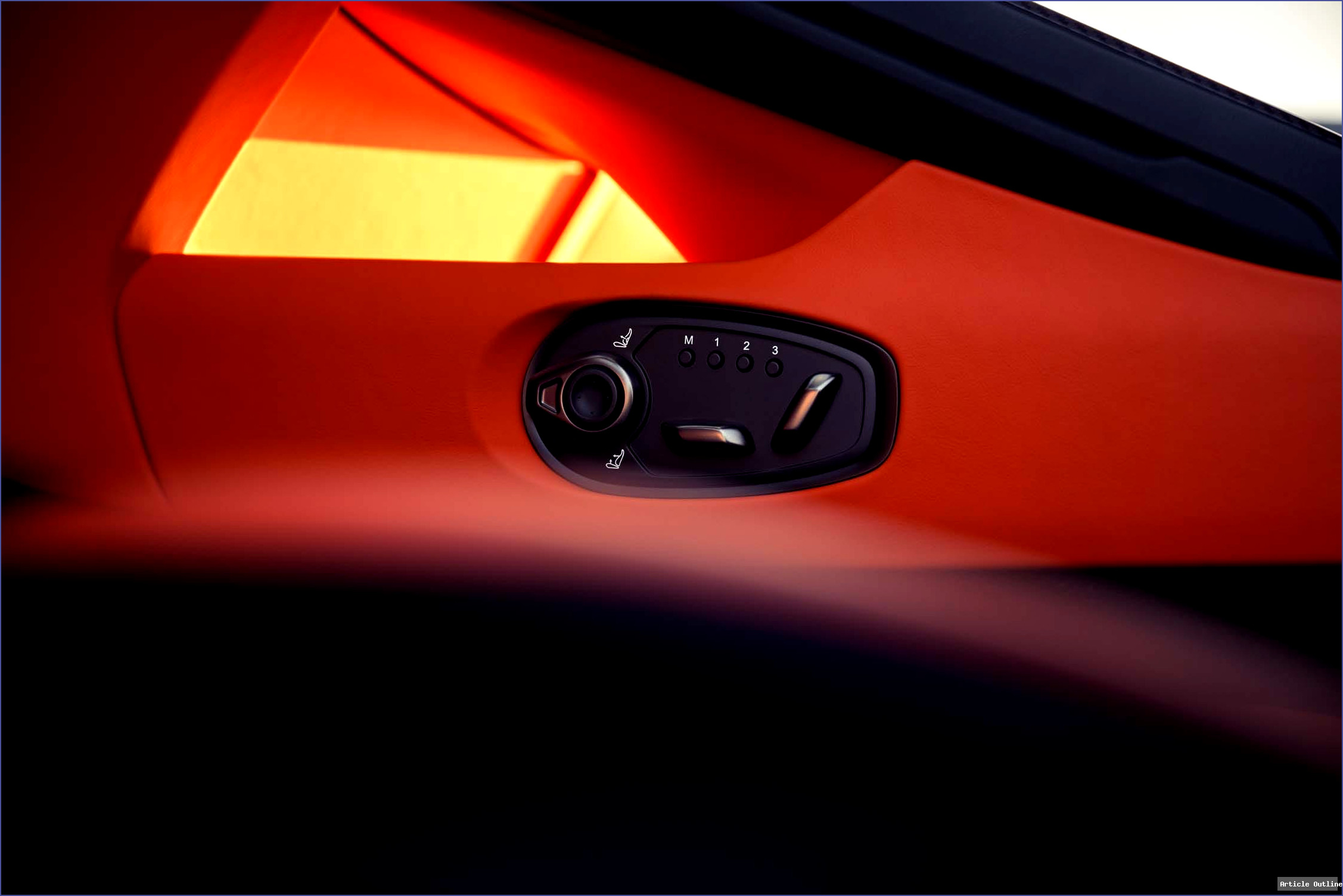
- Ergonomics get real: seat controls placed on the center console may look sleek, but drivers with short arms will have to stretch if the seat isn’t perfectly set. Call it a design flex—or a minor irritant.
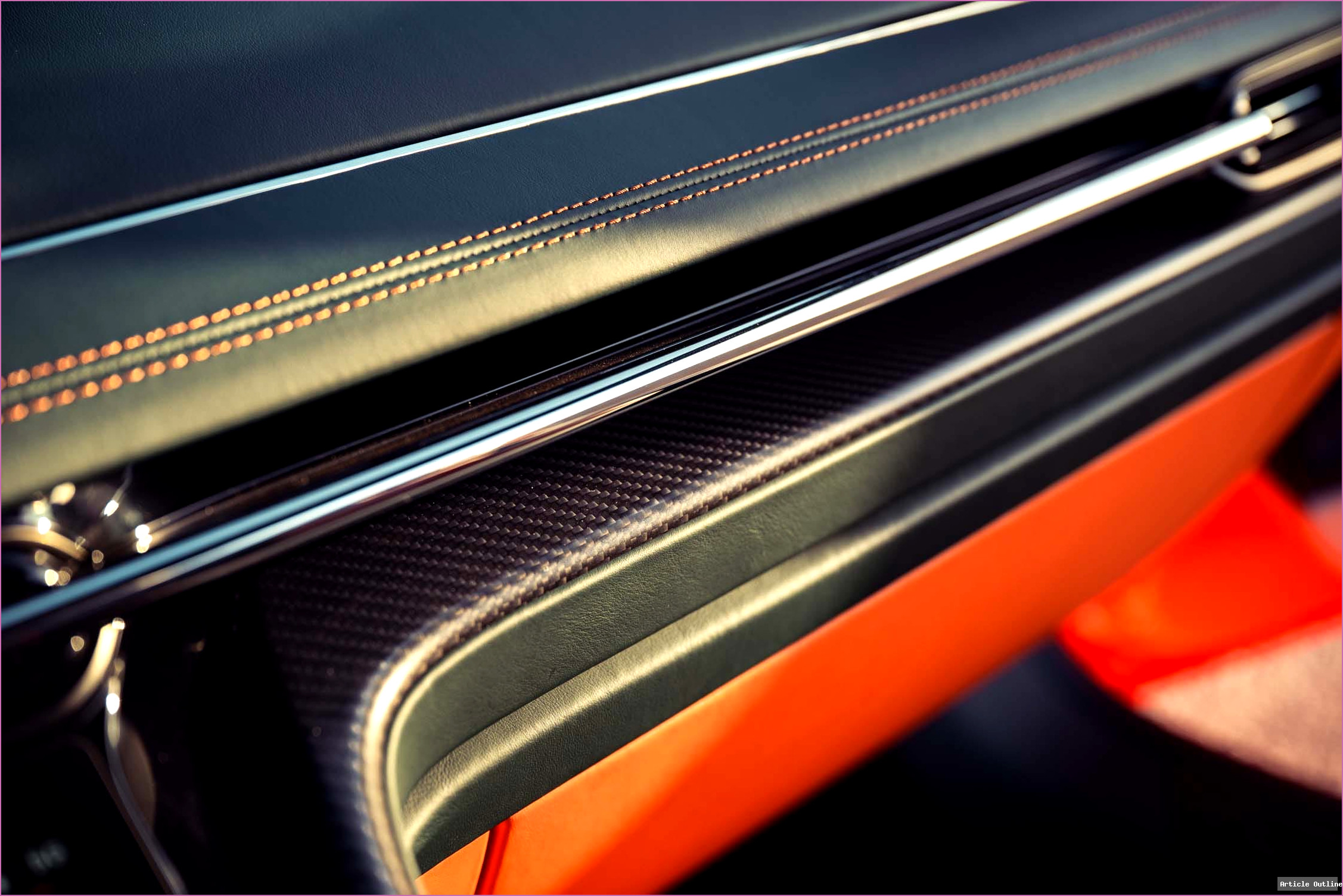
- Optional 2×2 Twill carbon fiber isn’t just for looks; it’s part of Aston Martin’s subtle shift to lighter, stronger materials throughout its lineup.
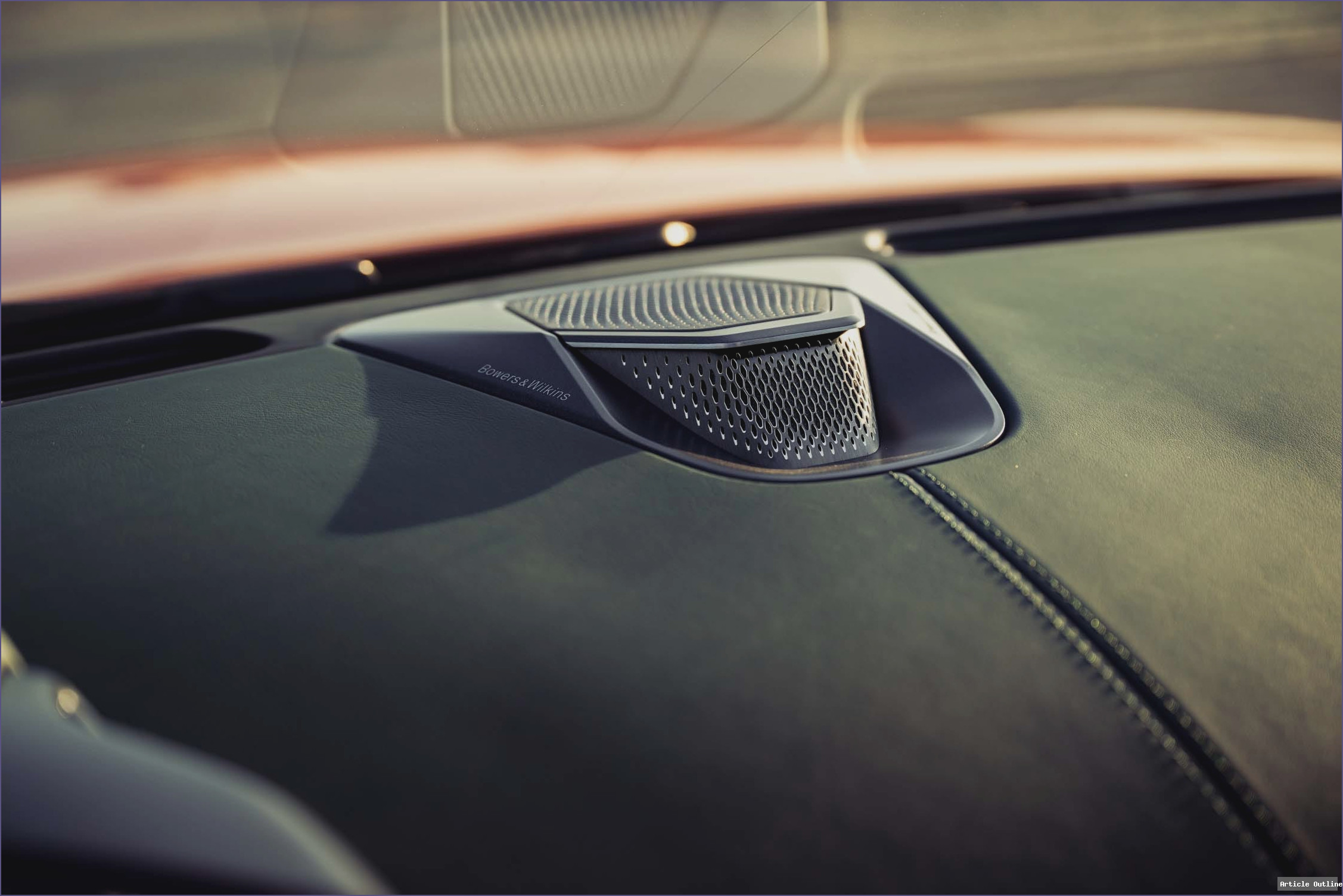
- The $10,000 Bowers & Wilkins audio system may sound excessive, but in this price bracket, it’s almost expected—and a major selling point for audiophiles.
Key Takeaways
- Visual Drama, Functional Luxury: Aston Martin’s interior color play and material choices make the DB12 S feel both modern and unmistakably British.
- Tech That Doesn’t Distract: Unlike some German competitors, Aston Martin keeps button clutter to a minimum while still offering real physical controls for essential functions—a move enthusiast drivers will cheer.
- Personalization is King: Nearly every surface of the DB12 S can be trimmed, stitched, or finished to the buyer’s taste. The cabin is as much a work of art as it is a cockpit.
Industry Context
- According to Statista, the global luxury car market is expected to grow 6% annually through 2028, driven by demand for both performance and digital features.
- The DB12 S faces stiff competition from the likes of the Bentley Continental GT and the Mercedes-AMG SL, both of which have recently overhauled their interiors for more tech and more wow factor.
- But Aston Martin’s blend of tactile materials (think carbon fiber, leather, and aluminum) and next-gen tech (Apple CarPlay Ultra, high-end audio) hits a sweet spot that few rivals manage.
Pros and Cons
- Pros:
- Stunning materials and color options
- Dual high-res displays with seamless smartphone integration
- Optional Bowers & Wilkins audio is truly next-level
- Physical controls for essential functions
- Cons:
- Seat controls placement could annoy some drivers
- High cost of options (but, let’s be honest, if you’re here…)
The Bottom Line
The 2026 Aston Martin DB12 S interior isn’t just a pretty face; it’s a bold statement about how luxury and technology can—and should—coexist. It’s a rolling lounge for those who want their grand tourer to be as thrilling to sit in as it is to drive.
Sources: