The Jackson Racing supercharged Ford Focus ZX3 isn’t just another bolt-on fantasy—this is a rare case where tuner ambition and real-world results don’t quite align as you’d expect. Let’s break down why this matters, what’s overlooked, and the true implications for enthusiasts considering a jump into Tunerland.
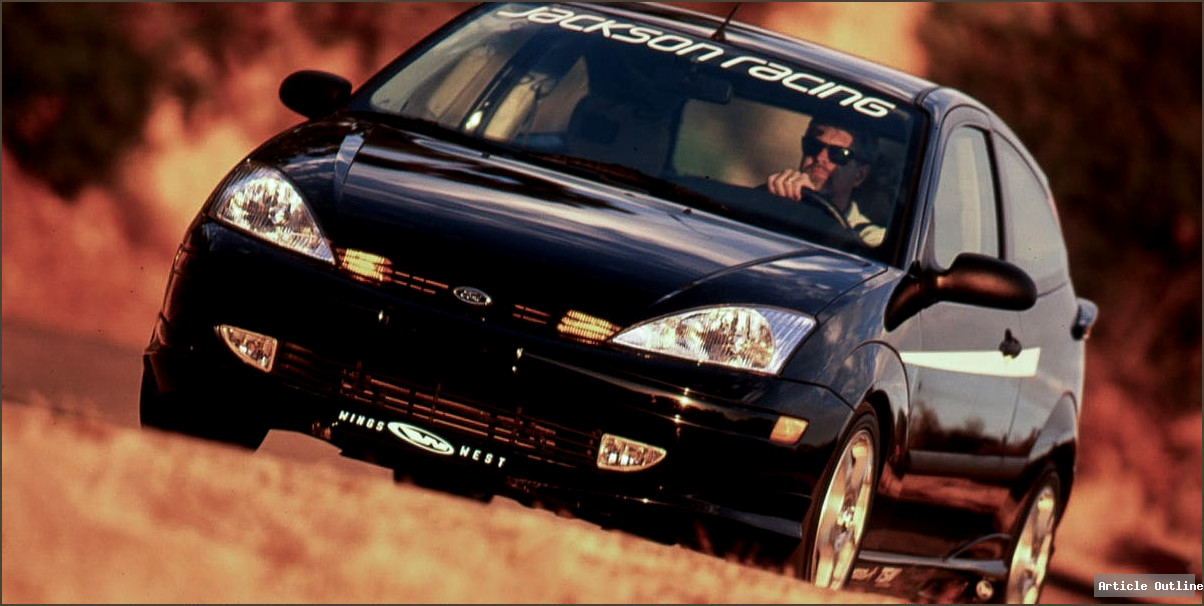
In the world of modified cars, hype often outpaces reality. The common formula—more power equals more speed—doesn’t always add up, especially when you factor in the cost, the baseline car’s strengths, and how the upgrades deliver their power.
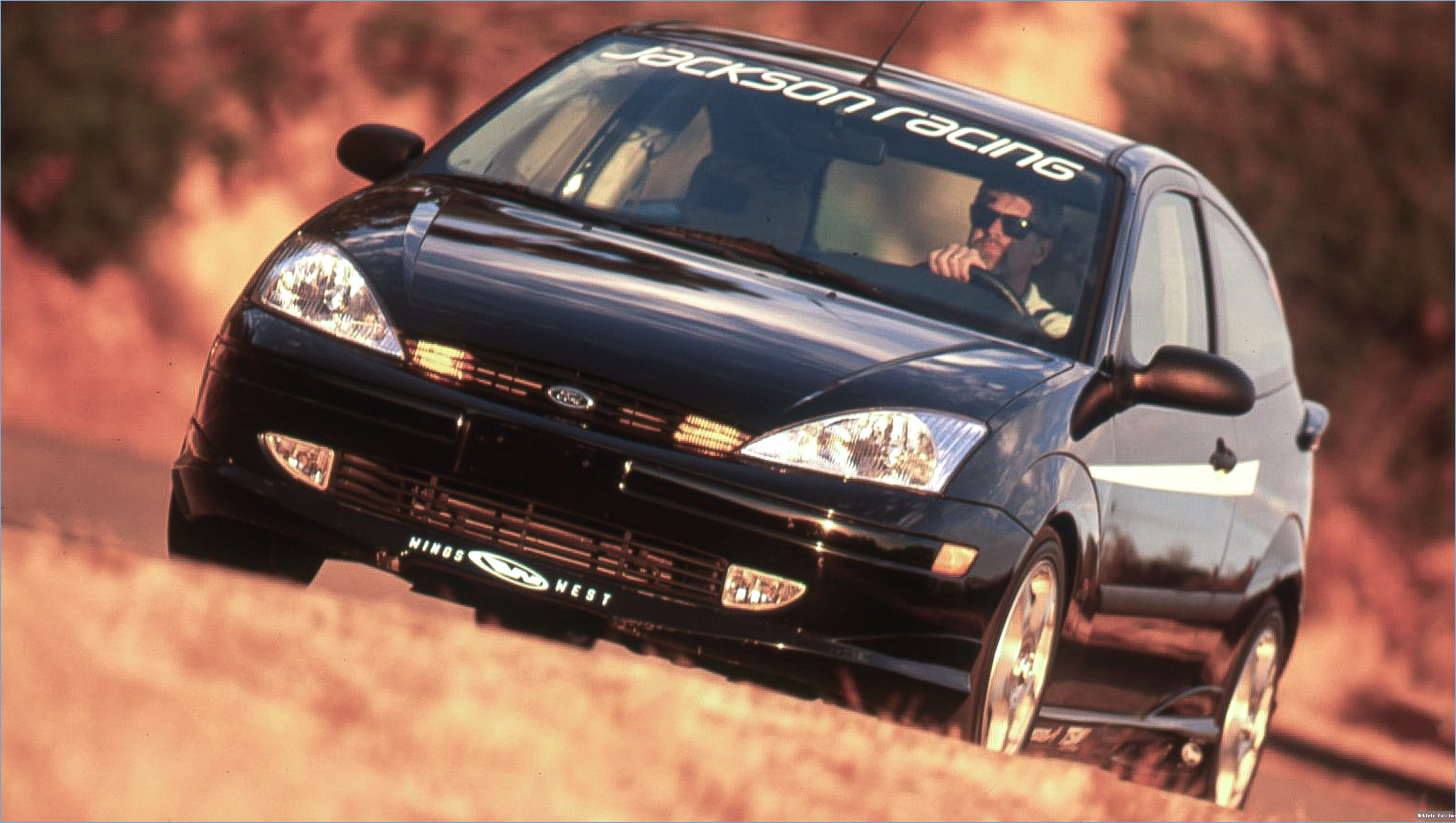
Why This Matters
- Performance mods are often sold as shortcuts to sports car thrills, but real-world numbers tell a more nuanced story.
- Jackson Racing’s approach is mature and street-focused: less about wild horsepower, more about usable, everyday performance.
- The economics of tuning vs. buying factory performance: The cost of this build pushes it into factory hot hatch territory, raising big questions about value.
What Most People Miss
- Power curves matter. The ZX3’s supercharger delivers its punch at the top end (near 7000 rpm), not where most daily drivers need it. Result: 0-30 mph times are identical stock vs. supercharged (2.7 sec)—so in traffic, don’t expect to leave GTIs in the dust.
- Factory upgrades are tough competition. The Ford SVT Focus (170 hp, 6-speed) is actually quicker in most metrics, and for less money, with a more refined chassis and warranty.
- The tuner’s dream often ignores the total cost: $3295 for the blower, but add headers, exhaust, suspension, wheels, and you’re north of $7,000—before labor.
Key Takeaways
- The Jackson Racing supercharged ZX3 is quick, but not a giant killer. 0-60 in 8.4 seconds is solid, but the SVT Focus does it in 7.8.
- Top-end power comes at the expense of low-end grunt. This means the car feels stock-like around town, only waking up at high revs.
- Reliability and driveability are strong: Starts, runs, and drives like a factory car—something many tuner builds cannot claim.
- For true value, factory performance models are hard to beat. The SVT Focus’s base price ($17,995) undercuts a heavily modified ZX3, with less hassle.
Industry Context & Comparisons
- Supercharging isn’t new: Roots-type Eaton blowers (used here) also power Mercedes SLK230s, F-150 Lightnings, and Jaguar XJRs—but those cars are engineered around forced induction from the start.
- Aftermarket vs. OEM: Factory hot hatches (VW GTI, Honda Civic Si, SVT Focus) deliver balanced, warranty-backed performance, often with superior chassis tuning and resale value.
- Stats Snapshot:
- Jackson Racing ZX3: 150.2 whp, 8.4s 0-60, 16.6s @ 84 mph 1/4 mile
- Stock ZX3: 103.4 whp, 9.1s 0-60, 16.9s @ 81 mph 1/4 mile
- SVT Focus: 170 hp (factory), 7.8s 0-60, 16.1s @ 87 mph 1/4 mile
Pros & Cons
- Pros:
- Factory-like reliability and driveability
- Noticeable top-end performance gain
- Looks and sounds subtle—not a cop magnet
- Cons:
- Pricey when fully built
- Low-end torque barely improved
- Still outgunned by factory SVT variant
Action Steps for Enthusiasts
- Determine your priorities: Do you want streetable reliability or max speed?
- Crunch the numbers: Compare cost of mods vs. simply upgrading to a performance model—the SVT Focus or a used GTI may be a smarter buy.
- Consider resale and warranty: Factory hot hatches hold value and offer peace of mind that most tuner builds can’t match.
The Bottom Line
The Jackson Racing supercharged Focus ZX3 is a lesson in real-world tuner math: horsepower gains don’t always translate to everyday speed, and the cost-to-performance ratio rarely beats factory performance variants. If you crave a unique project with factory-grade reliability, it’s a compelling path—but if you want the biggest bang for your buck, the SVT Focus (or modern equivalents) remain the smarter play.