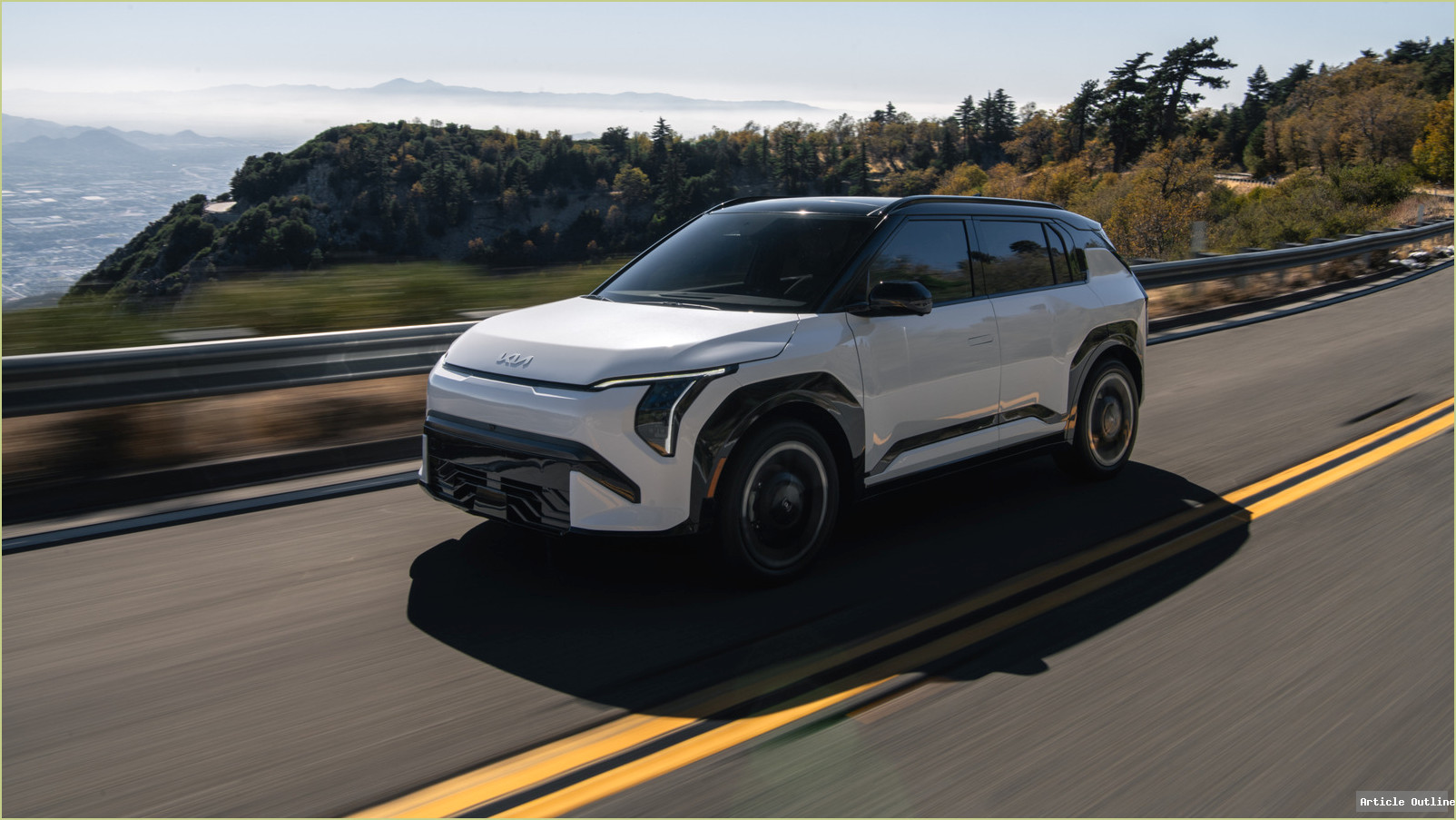
Kia is shaking up the electric vehicle landscape with the announcement of the EV3, a compact SUV set to start at just $29,450 (plus $1,495 destination fee)—making it the most affordable EV in their US lineup. But the real story goes far beyond price tags and specs.
What’s driving this move? And what does it say about the future of affordable electric cars in America? Let’s dive into the details and implications.
Why This Matters
- The market is desperate for affordable EVs—most new models hover well above $35,000. The EV3’s aggressive pricing could pressure rivals to rethink their own pricing strategies.
- Policy uncertainty is rampant: With upcoming rollbacks of federal tax credits (expected in July 2025), many automakers have delayed or cancelled new EV launches. Kia’s move bucks that trend, betting on sustained consumer demand and state-level incentives like California’s new $3,500 instant rebate for first-time buyers.
- Charging infrastructure just got easier: The EV3 supports Tesla’s NACS port, opening up the vast Supercharger network to Kia owners—a major convenience upgrade.
What Most People Miss
- The EV3 bridges the gap between mainstream and premium EVs. It borrows design cues from the higher-end EV9 but comes in a size comparable to the popular Kia Niro, making it city-friendly yet family-ready.
- Real-world range is competitive: 321 miles is impressive for this price point, especially considering rivals like the Chevy Bolt EUV (259 mi) or Nissan Leaf (up to 212 mi) fall short.
- Kia is betting on quick charging: 10-80% in just 31 minutes with a 350kW charger is a gamechanger for daily usability—no more range anxiety on road trips.
Key Takeaways
- Kia EV3 is poised to become the go-to entry-level EV for American drivers who want value, range, and versatility.
- Affordability is back on the table, but only if more automakers follow Kia’s lead—or if government incentives keep pace with policy shifts.
- Expect competitors to respond: Ford’s Fathom EV truck, slated for 2027, is already aiming for a similar price point. The race for America’s wallet is on.
- State-level rebates could be the real wild card: As federal incentives waver, local programs like California’s may tip the scales for buyers.
Timeline: The Affordable EV Resurgence
- April 2024: Kia announces plans to bring the EV3 to the US.
- Mid-2024: US pricing for EV3 revealed—well below expected figures.
- July 2025: Major federal tax credits set to expire, threatening EV affordability.
- August 2024: Ford teases sub-$29K Fathom EV truck for 2027 launch.
- Ongoing: California and other states introduce new rebate programs.
Pros and Cons Analysis
- Pros:
- Lowest base price among Kia EVs
- Impressive range for its class
- Access to Tesla Supercharger network
- Fast DC charging capabilities
- State rebates can make it even cheaper
- Cons:
- Federal incentives may disappear soon
- Still pricier than some used EV options
- Charging speed depends on availability of 350kW chargers
- Real-world range may vary with driving conditions
The Bottom Line
The Kia EV3 isn’t just another affordable electric car—it’s a bold statement in a market that desperately needs disruption. If you’re looking for value, range, and flexibility without the premium price tag, this compact SUV could be a gamechanger. But watch the policy landscape: incentives can make or break the deal.
As EV choices expand and prices drop, keep your eyes on brands that innovate—because the future of affordable electric mobility in America is just getting started.