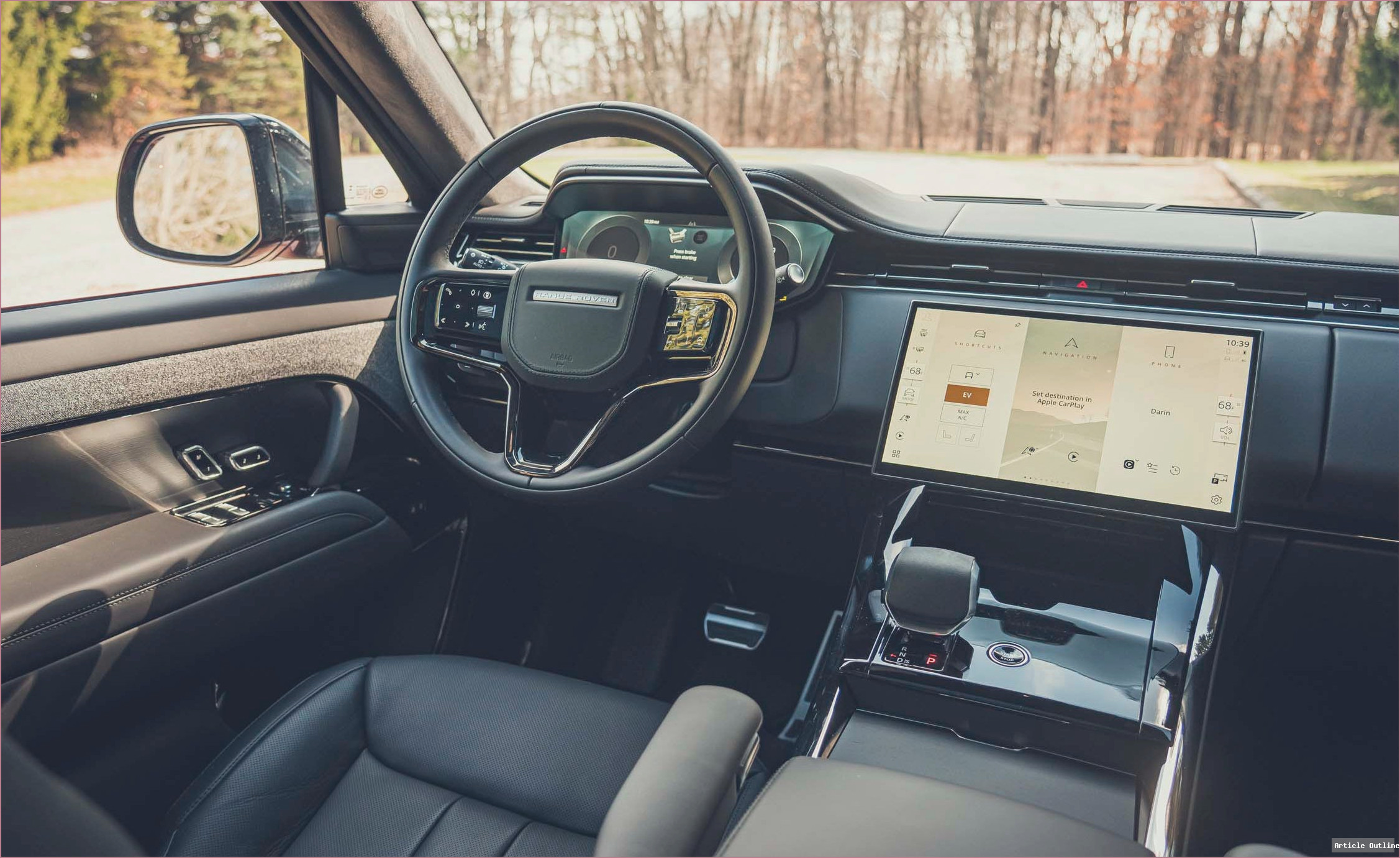
Land Rover’s recent recall of over 250,000 Defender, Discovery, and Range Rover SUVs is making headlines—and not just because of the sheer numbers involved. This event has far-reaching implications for drivers, automakers, and the broader auto industry.
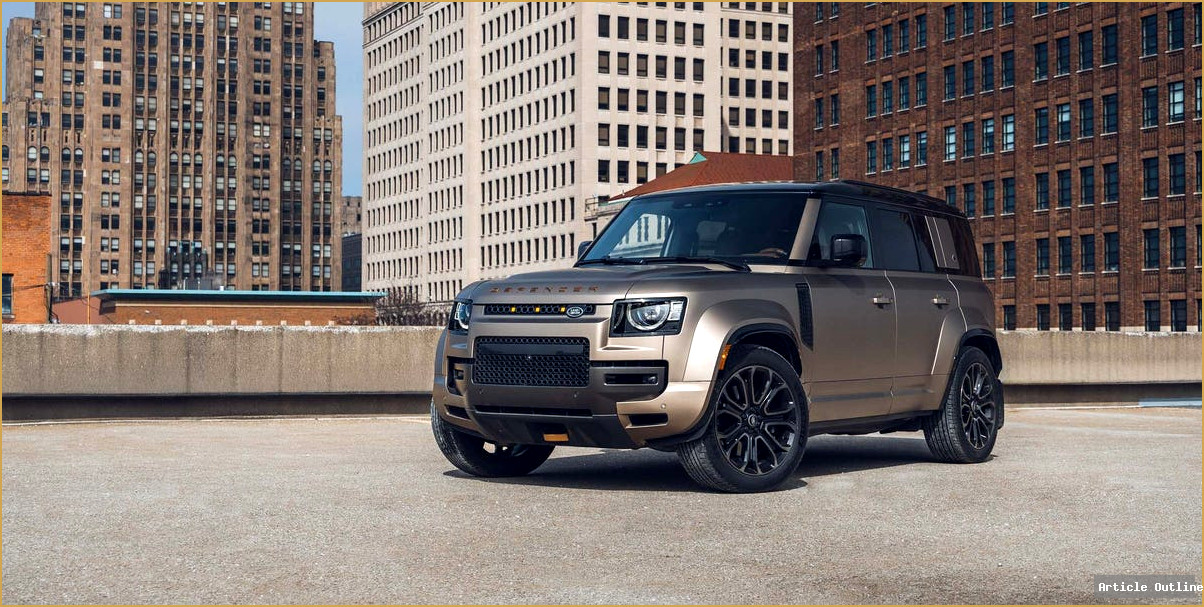
Why This Matters
- Safety at the Core: Airbags are a last line of defense in an accident. If they don’t deploy, the consequences could be catastrophic. The fact that the recall affects flagship models from 2020 to 2026 means a significant portion of Land Rover’s recent customer base is at risk.
- Trust and Brand Reputation: Recalls on this scale can erode consumer confidence—not just in Land Rover, but in luxury SUV brands overall. It’s a reminder that even high-end engineering isn’t immune to basic component failures.
- Industry Impact: This recall shines a harsh light on the supply chain and quality control processes across the automotive industry. Clockspring connectors, a small but vital part, have now become a major talking point for safety regulators everywhere.
What Most People Miss
- The Warning System Worked—Sort Of: Land Rover’s engineering analysis found the airbag warning lamp would light up 300–400 miles before the system became fully compromised. That’s actually a silver lining, providing drivers with a window to seek service. But it also means drivers need to take dashboard warnings seriously—ignoring them could have dire consequences.
- No Reported Injuries—Yet: At the time of the recall, Land Rover had not reported any airbag-related injuries or deaths. This is a crucial detail, but it’s also a narrow miss. The proactive move is commendable, but it’s a reminder that recalls often come just in time.
- A Simple Fix—But a Big Headache: The remedy? Dealerships will apply a protective lubricant to the connector terminals. It’s a straightforward fix, but coordinating repairs for a quarter-million vehicles is a logistical marathon—and a costly one for Land Rover.
Key Takeaways
- Recall Scope: 250,857 Land Rover SUVs (Defender 2020–2026, Discovery 2021–2026, Range Rover 2022–2026) are affected by a clockspring connector corrosion risk.
- Immediate Action: Owners will be notified by mail starting August 7. Remedy is free and involves a simple protective treatment.
- Precedent: This isn’t the first airbag-related recall in recent years. The infamous Takata recall affected over 67 million vehicles across multiple brands, showing that even minor component failures can have a massive impact.
- Consumer Advice: Always heed warning lights. If you own an affected model, check your VIN with the NHTSA and book a service appointment ASAP.
Timeline of Events
- 2020–2026: Vehicles with potential connector issue produced.
- Early 2026: Issue discovered, NHTSA notified.
- August 7, 2026: Recall notifications begin.
- Ongoing: Dealerships apply fix and update production process.
Expert Commentary & Industry Context
“This recall underscores the complexity of modern vehicles—one small part can become a critical point of failure. Automakers must continuously monitor not just their flagship innovations, but also the nuts-and-bolts components that keep people safe.”
With the industry moving toward even more complex systems—think EVs and advanced driver assistance—robust quality control at every level is more important than ever. Land Rover’s quick action may avert tragedy, but it also highlights the need for vigilance as tech becomes more integral to our vehicles.

The Bottom Line
- Don’t ignore dash warnings! They’re there for a reason.
- Recalls happen—even to luxury brands. What matters is how quickly and transparently companies respond.
- This is a wake-up call for the whole industry to double down on component reliability and rapid response when things go wrong.
Sources: