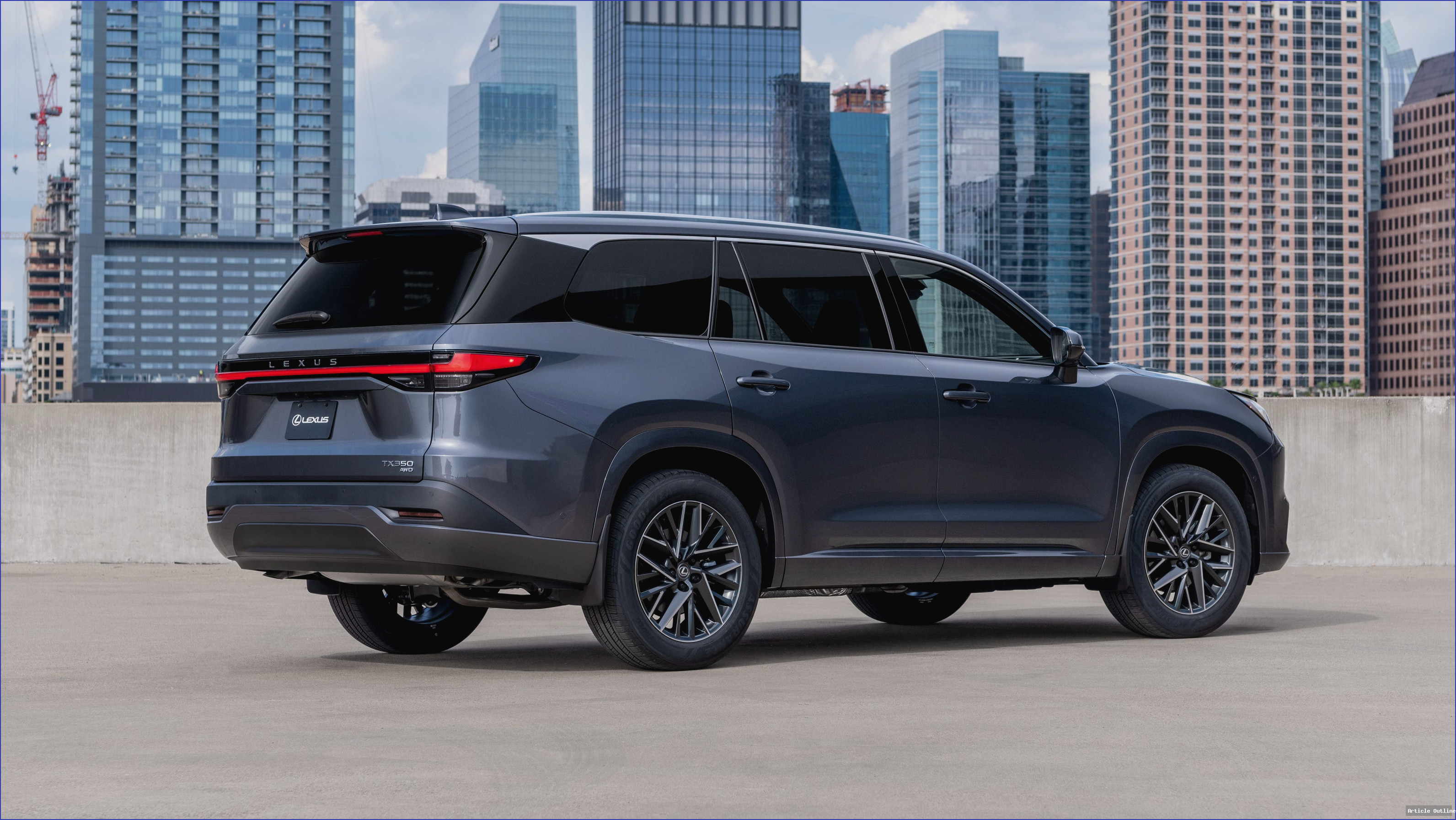
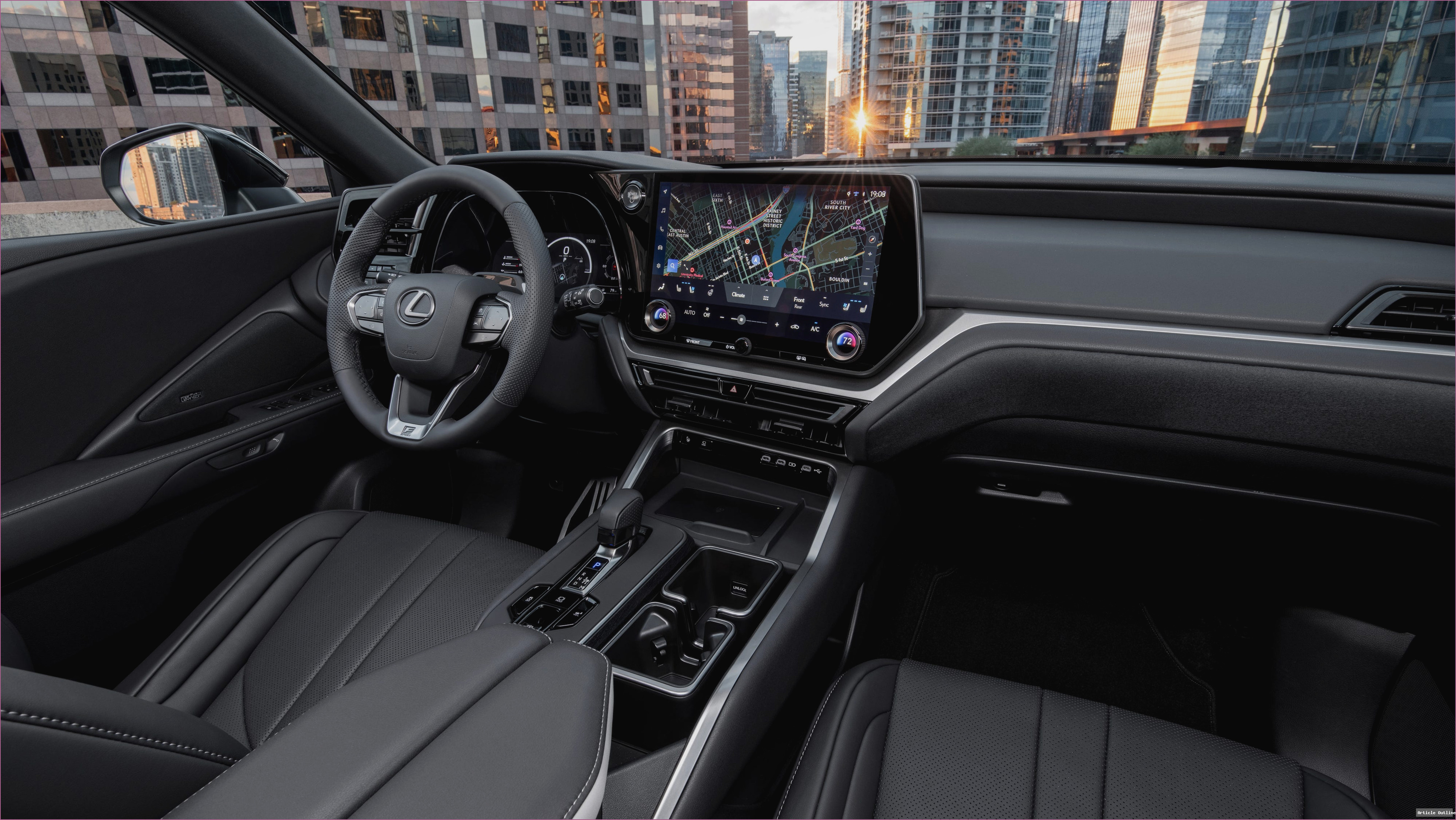
The automotive world just got a wake-up call: Lexus is pulling the plug—literally—on the TX550h+ plug-in hybrid SUV after the 2026 model year. While some might see this as just another model getting the axe, seasoned industry watchers know moves like this often signal much broader shifts. Let’s unpack why this matters, what’s truly behind the decision, and what it might mean for the SUV landscape moving forward.
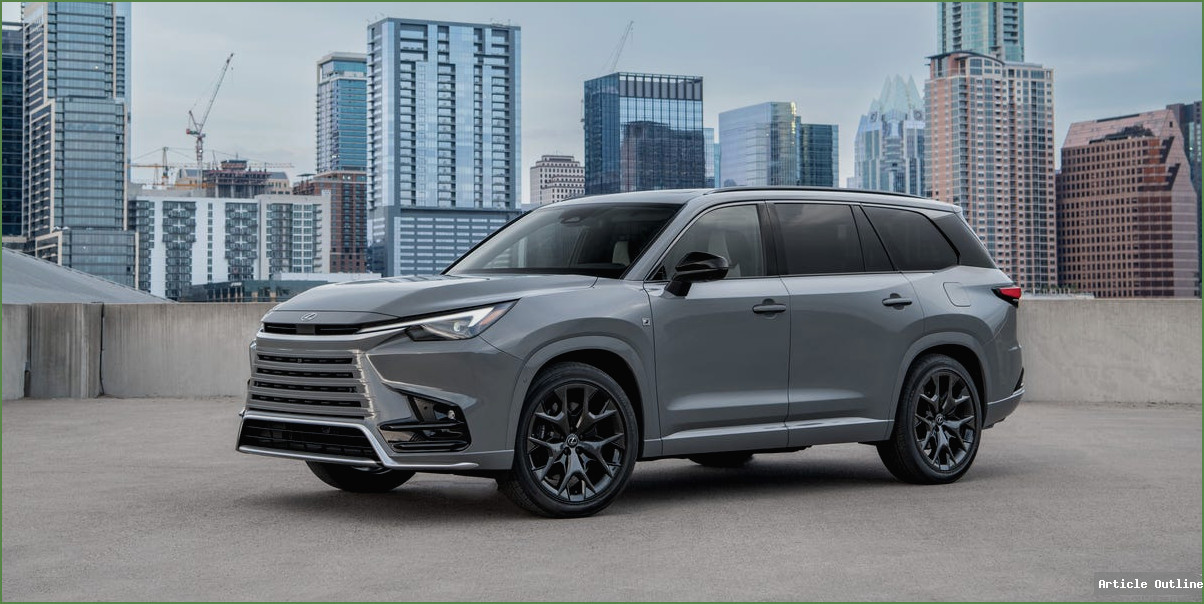
Why This Matters
- Plug-in hybrids are often seen as the bridge to full electrification. When a major luxury brand backs away, it’s worth asking: is the bridge collapsing, or have consumers simply found a better route?
- Consumer demand dictates innovation—and the numbers don’t lie. In 2025, only 953 out of 57,346 Lexus TX buyers chose the PHEV. That’s less than 2%.
- This isn’t just about one model or brand. The TX550h+’s demise is part of a larger pattern: plug-in hybrids are struggling to gain traction in the U.S. luxury SUV market, even as EVs and traditional hybrids remain hot.
What Most People Miss
- Price, not technology, killed the TX550h+. With a starting point well above $70,000, the PHEV was sandwiched awkwardly between the more affordable TX350 and the more popular TX500h hybrid. For many buyers, the fuel savings and electric-only range didn’t justify the premium.
- Infrastructure and incentives matter. Unlike EVs, plug-in hybrids don’t always qualify for the most generous tax breaks, and many buyers lack easy access to home charging—making a PHEV’s electric range less relevant.
- Lexus is not abandoning electrification. The hybrid TX500h remains, and Lexus continues to expand its EV and hybrid offerings globally. This is a tactical retreat, not a surrender.
Key Takeaways & Industry Context
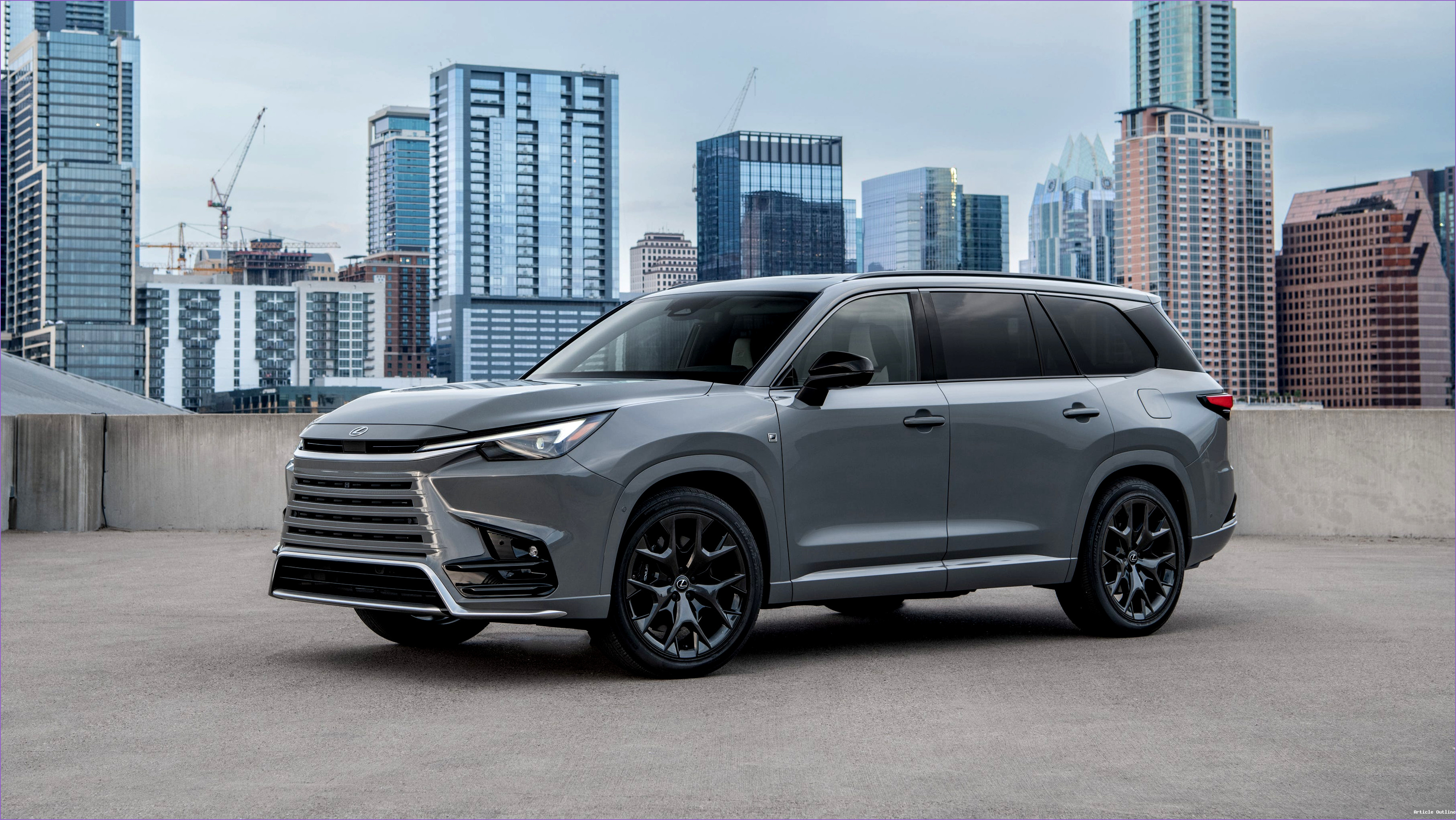
- The TX lineup will now focus on the TX350 (gas, from $58,890) and TX500h (hybrid, from $72,410)—both carrying over for 2027 with minor updates like new paint options and simplified badging.
- Plug-in hybrid SUVs are struggling across brands: Ford recently discontinued the Escape PHEV, and Toyota’s RAV4 Prime is perpetually in short supply, showing a supply-demand mismatch.
- According to the U.S. Department of Energy, plug-in hybrid sales accounted for just 1.5% of all U.S. new car sales in 2025, compared to 7% for full hybrids and 9% for pure EVs.
- Luxury buyers want simplicity and status, not complexity. The hybrid TX500h offers excellent power and economy without the hassle of plugging in, making it the obvious choice for many.
Pros and Cons: Plug-In Hybrids in the Luxury Market
- Pros: Lower emissions, potential for electric-only city driving, government incentives (sometimes), no range anxiety.
- Cons: Higher upfront cost, limited electric range, complexity, less perceived value for luxury buyers, charging infrastructure gaps.
The Bottom Line
The discontinuation of the Lexus TX550h+ is less about failure and more about market realities. Plug-in hybrids may continue to thrive in specific niches, but for now, the mainstream luxury buyer is voting with their wallet—and that vote favors conventional hybrids and full EVs. Expect more automakers to recalibrate their lineups as the transition to electrification continues to evolve.
Sources:
- Source
- Lexus TX Overview
- Lexus TX500h Hybrid
- U.S. Department of Energy: Plug-In Hybrid Vehicle Market Share