The Lotus Emira is about to undergo its most radical transformation yet, dropping its beloved Toyota and AMG engines for a brand-new, hybrid V-6. But this isn’t just another engine upgrade—it’s a seismic shift for Lotus, performance enthusiasts, and the future of analog sports cars in a world gone hybrid.
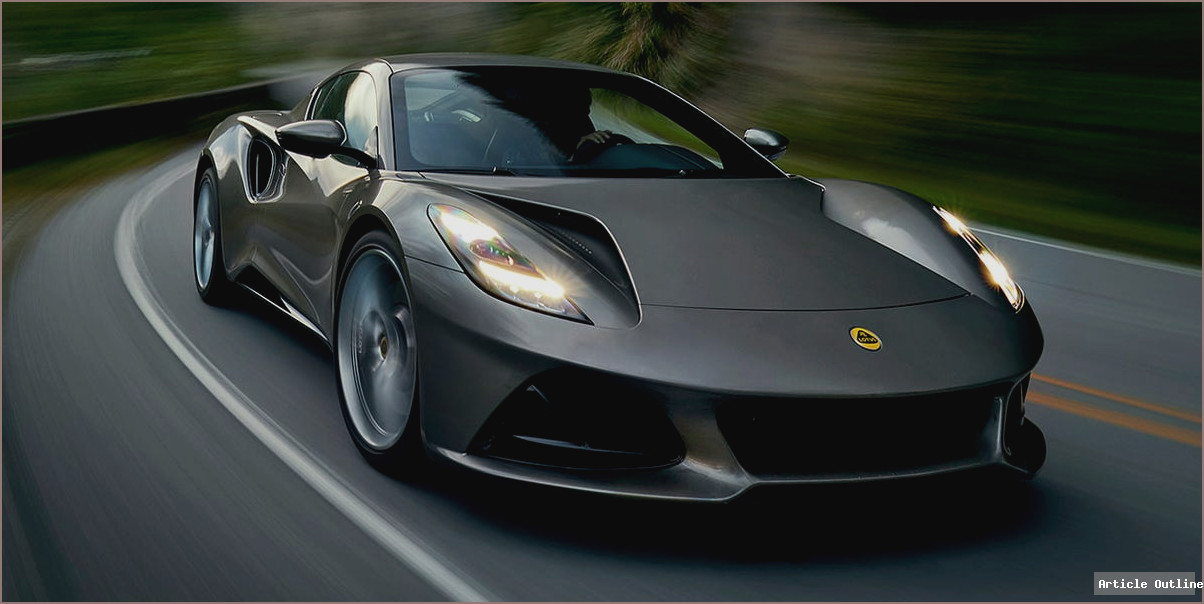
So, what’s really going on beneath the surface? Let’s dig into why this matters, what most people are missing, and what it signals for the industry at large.
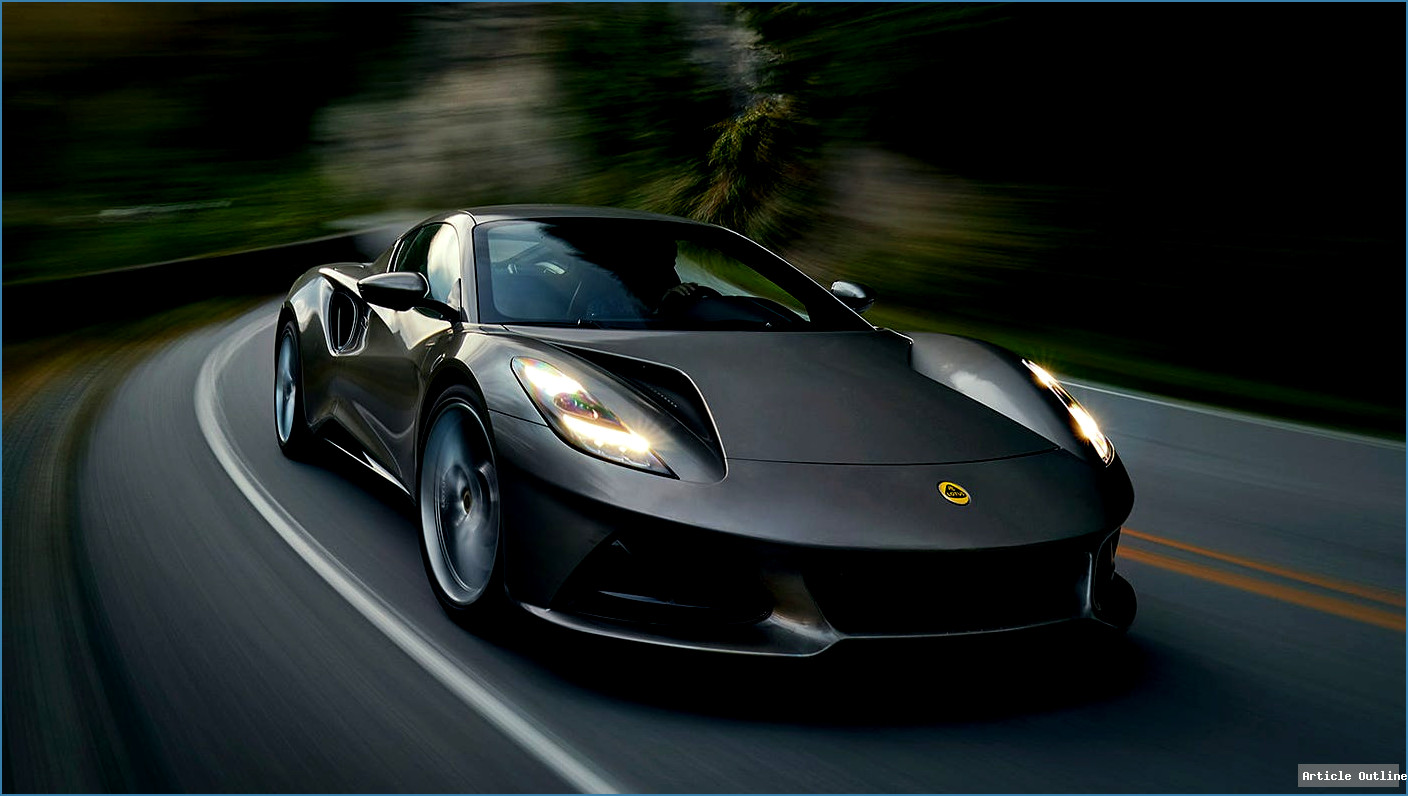
Why This Matters
- The Emira’s shift to a hybrid V-6 isn’t just about more power; it’s about survival in a rapidly changing regulatory and market landscape. The outgoing Toyota V-6 couldn’t clear upcoming EU emissions standards, and Lotus’s earlier electric-only ambitions failed to find a viable market. Enter the hybrid—a middle ground that keeps the combustion flame alive longer for purists.
- This is the first Lotus to use a powertrain from Horse Powertrains, a Renault-Geely joint venture, marking a huge pivot away from supplier diversity to vertical integration within the Geely family.
- Performance is up dramatically: The new turbocharged 3.0L V-6 hybrid produces up to 536 hp and 516 lb-ft—over a 30% jump versus the outgoing engines. That’s supercar territory for what’s always been a more accessible Lotus.
What Most People Miss
- Manual transmission fans, brace yourselves: The new setup is automatic-only, likely signaling the end of the manual Emira. For many, this loss is bigger than the engine swap itself.
- Weight is up, but not as much as you’d think: The Horse W30 V-6 weighs just 353 pounds, lighter than most rivals. Even with the hybrid system, Lotus is working hard to keep the Emira’s legendary agility alive.
- This isn’t a full EV backtrack: Lotus isn’t ditching electrification; they’re recalibrating. The Emira hybrid is a bridge for Lotus to attract purists and new buyers alike, while the all-electric Type 135 supercar is being reimagined for a later debut.
Key Takeaways
- The new hybrid Emira is more powerful, more complex, and more future-proof.
- It’s also more “corporate Lotus” than ever—a Geely-Renault engineered heart instead of boutique Toyota or AMG engines.
- The move is driven by both emissions regulation and American market demand—U.S. buyers love the V-6, and Lotus is listening.
- Manual gearboxes are (almost certainly) dead in the Emira, shifting the driving experience toward a new era.
Industry Context & Comparisons
- Porsche, Ferrari, and McLaren have all embraced hybridization at the top of their sports car lines. Lotus joining this club is both a nod to performance tech and a necessity for global market access.
- Unlike some rivals, Lotus isn’t just adding weight for the sake of electrification. The new powertrain aims to keep the Emira nimble, a core brand value.
- This move signals the end of affordable, lightweight, analog sports cars—at least in Europe. The Emira hybrid may be the last of its kind before full electrification sweeps the class.
Timeline of Key Developments
- Lotus Emira launches with Toyota and AMG engines (2021-2023)
- Lotus announces all-electric future (2023)
- Lotus pivots: hybrid V-8 supercar and hybrid Emira confirmed (2024)
- Horse Powertrains (Renault-Geely) unveiled as new engine source (2024)
- Manual transmission dropped; automatic-only hybrid Emira expected (2025+)
Pros and Cons
- Pros: Huge power boost; future-proof for emissions; keeps combustion alive; advanced tech.
- Cons: Manual transmission likely gone; added complexity; risk of alienating purists.
The Bottom Line
The Lotus Emira’s shift to a hybrid V-6 is about more than numbers—it’s about Lotus carving a path between nostalgia and necessity. The next Emira will be faster, cleaner, and more high-tech—but it may also mark the end of a beloved era for fans of pure, manual-driving joy. If you want a manual, lightweight Lotus, this might be your last call.