Autonomous vehicles (AVs) aren’t new—Waymo, Tesla, Amazon’s Zoox, and others have been testing robotaxis in cities for years. But the collaboration between Lucid, Uber, and Nuro to turn the Lucid Gravity SUV into a robotaxi, officially revealed at CES 2026, signals a seismic shift in how we’ll hail rides in the near future—and why the stakes are higher than most people realize.
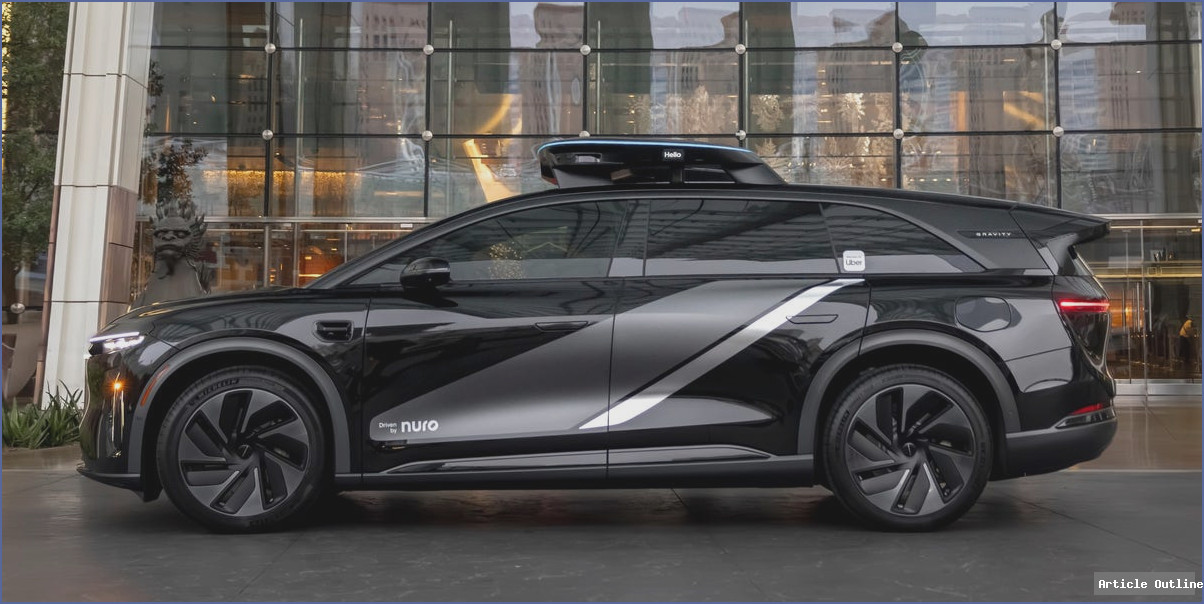
This isn’t just another tech demo. The Gravity is set for production in Arizona this year, with Uber planning public robotaxi launches in San Francisco by late 2026. Here’s why this matters, what’s sneaky-genius about the partnership, and what it could mean for cities, riders, and the entire auto industry.

Why This Matters
- AVs at scale—finally? Most self-driving pilots have been limited in scope or geography. Uber’s integration and Lucid’s manufacturing muscle could help AVs cross the chasm from novelty to mainstream urban transport.
- Industry convergence: This marks a rare convergence of a luxury EV manufacturer, a delivery robotics company (Nuro), and the world’s largest ride-hailing platform. It’s not just about tech—it’s about business model synergy.
- Implications for human drivers: With Uber’s fleet poised to go driverless, the gig economy’s future is in question. Expect heated debates about regulation, labor, and urban mobility.
What Most People Miss
- The “Halo” isn’t just a design gimmick. The Gravity’s roof module houses high-res cameras, lidar, radar, and an LED light system that signals vehicle status—a clear bid to make AVs feel less alien and more approachable for everyday riders.
- Uber’s in-cabin UX overhaul: Riders will get interactive screens for climate, music, and real-time visualizations of the vehicle’s planned path. Subtle? Yes. But it’s a vital trust-builder for first-time AV passengers, reducing anxiety by making the ride’s logic transparent.
- Nvidia’s Drive AGX Thor platform: This isn’t just another computer in a car. Thor is designed for high-reliability, real-time decisions—think of it as the AV brain that can handle split-second urban chaos.
Key Takeaways
- The Lucid Gravity robotaxi puts a luxury, six-passenger EV at the heart of Uber’s AV ambitions, with full autonomous capability powered by Nuro’s systems.
- This move is timed right as other players—Waymo, Tesla, Zoox—are scaling up. The Bay Area will become an AV battleground in 2026.
- The focus on rider experience (screens, visual cues, customer support) shows Uber knows AV adoption hinges not just on safety, but on comfort and rider trust.
- Early testing (with safety drivers) is already underway, and full-scale production is starting soon. This isn’t vaporware—it’s happening.
Industry Context & Comparisons
- Waymo: Operating since 2018 in Phoenix and now San Francisco, but still geographically limited and with some public wariness after recent incidents.
- Tesla: Pushing “Full Self Driving,” but without the regulatory green light or the full suite of Lidar sensors (which Lucid, Nuro, and Waymo all use for redundancy and safety).
- Amazon Zoox: Focused on Las Vegas, with a custom shuttle design but no ride-hailing integration as seamless as Uber’s app.
- Unique Twist: Lucid brings premium EV cachet, Uber brings scale and network, Nuro brings AV expertise. It’s a triple threat competitors will be forced to address.
Pros and Cons of the Lucid Gravity Robotaxi Approach
- Pros:
- High passenger capacity (up to 6)
- Luxury ride and advanced safety features
- Seamless Uber app integration
- Clear visual cues and transparent AV behavior for riders
- Cons:
- Potential job losses for human drivers
- Unanswered regulatory hurdles in dense cities
- Public trust still unproven at scale
Action Steps & What to Watch For
- Monitor regulatory developments in California and other states—city councils and state lawmakers will play a huge role in AV rollout speed.
- Watch Uber’s rider adoption rates—will passengers choose robotaxis over human drivers when given the option?
- Keep an eye on labor negotiations—Uber drivers may push for new protections or alternative work as AVs scale up.
The Bottom Line
The Lucid Gravity robotaxi isn’t just another shiny tech launch—it’s a bold move that could redefine how we think about urban mobility, the gig economy, and the future of luxury EVs. With actual production and real-world pilots on the horizon, the Uber-Lucid-Nuro partnership is set to shape the next phase of the autonomous vehicle revolution. Buckle up—the robotaxi wars are just getting started.