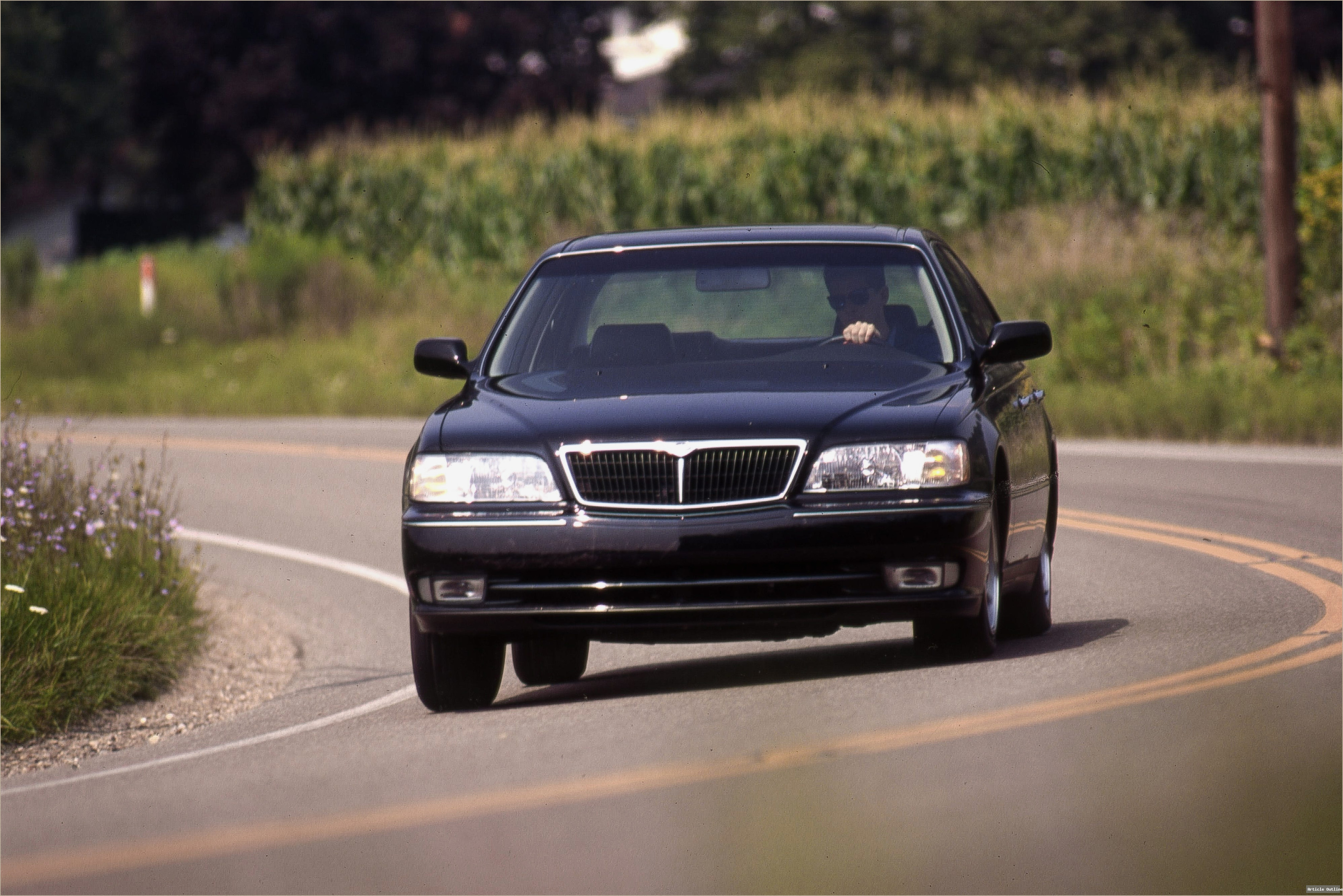
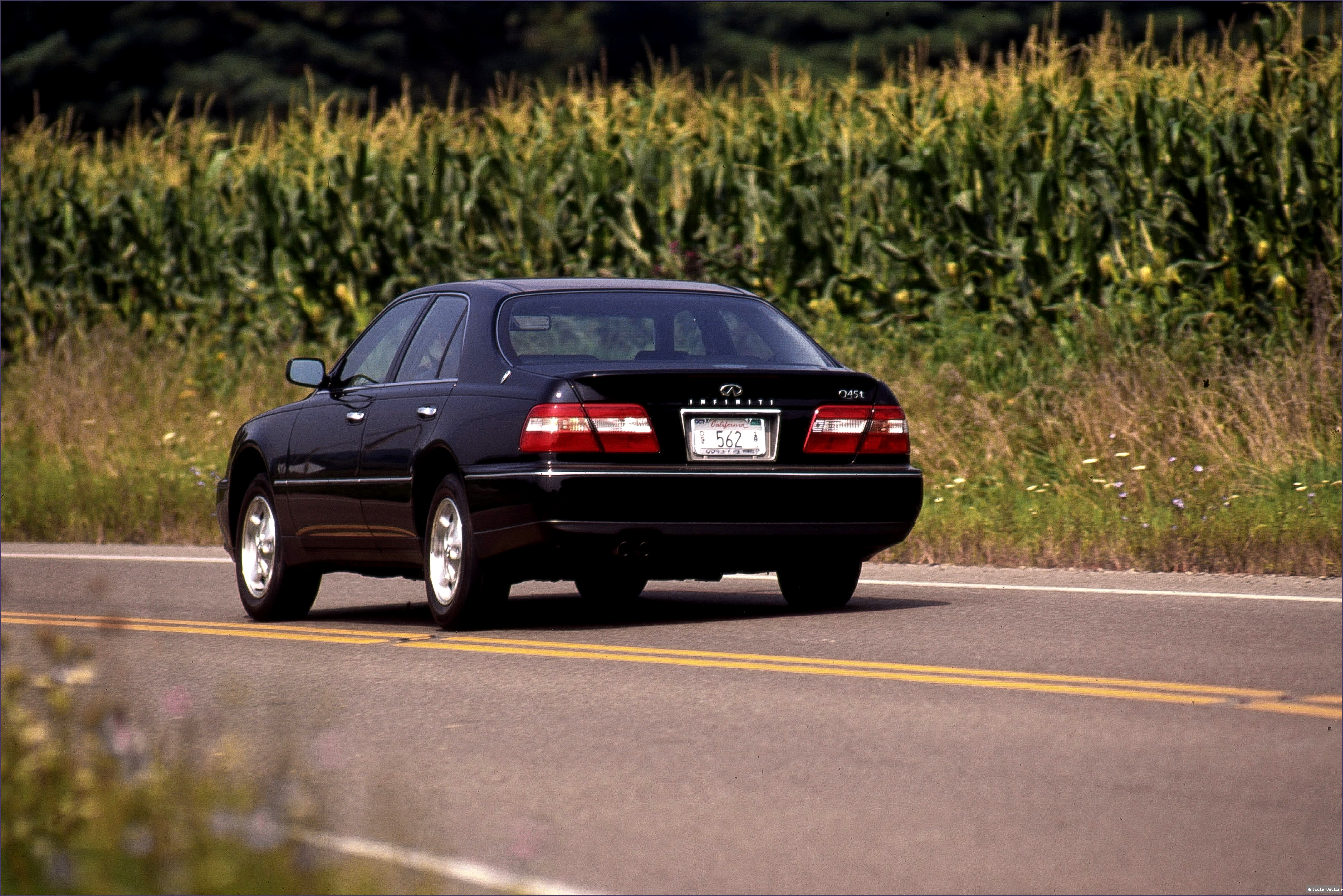
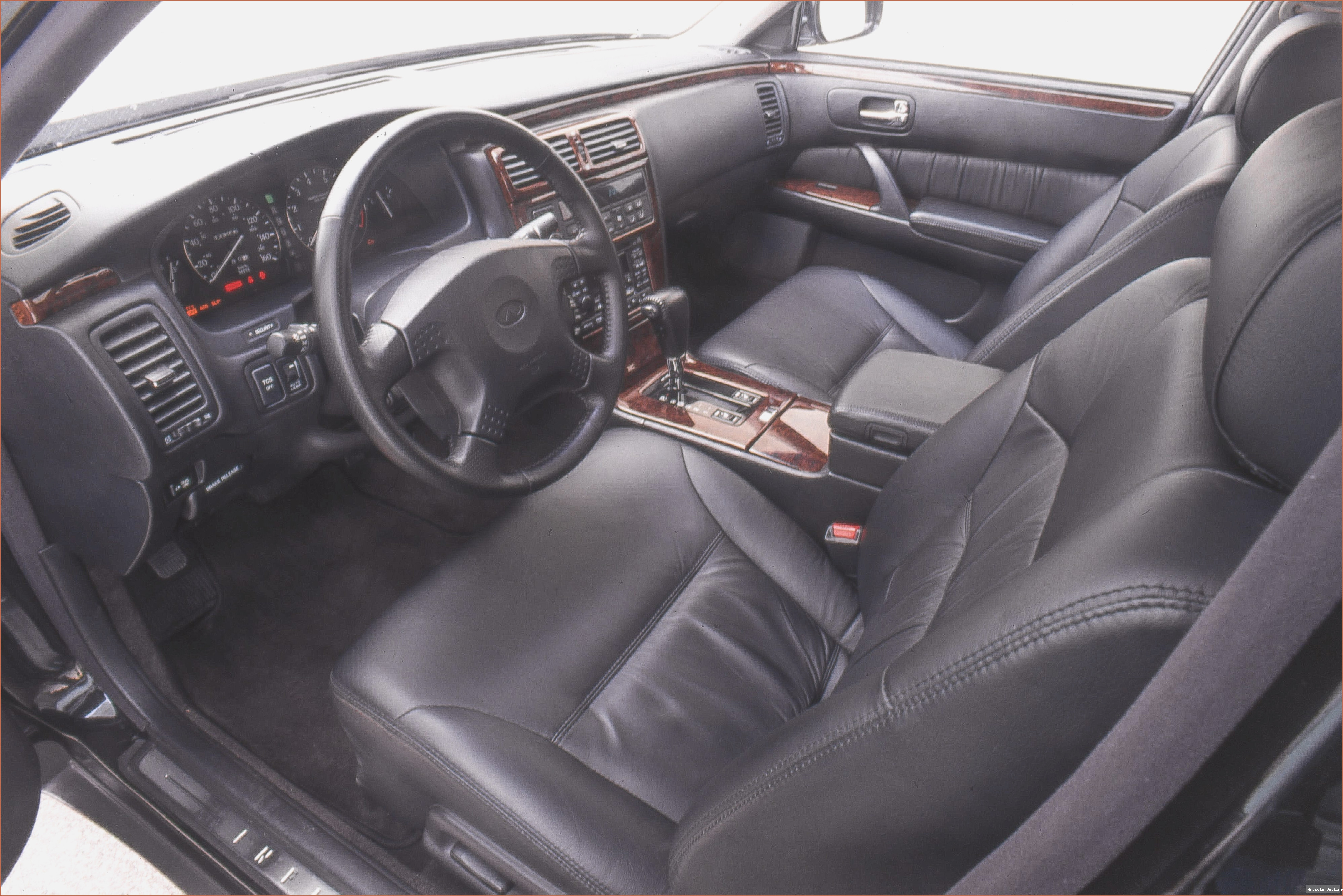
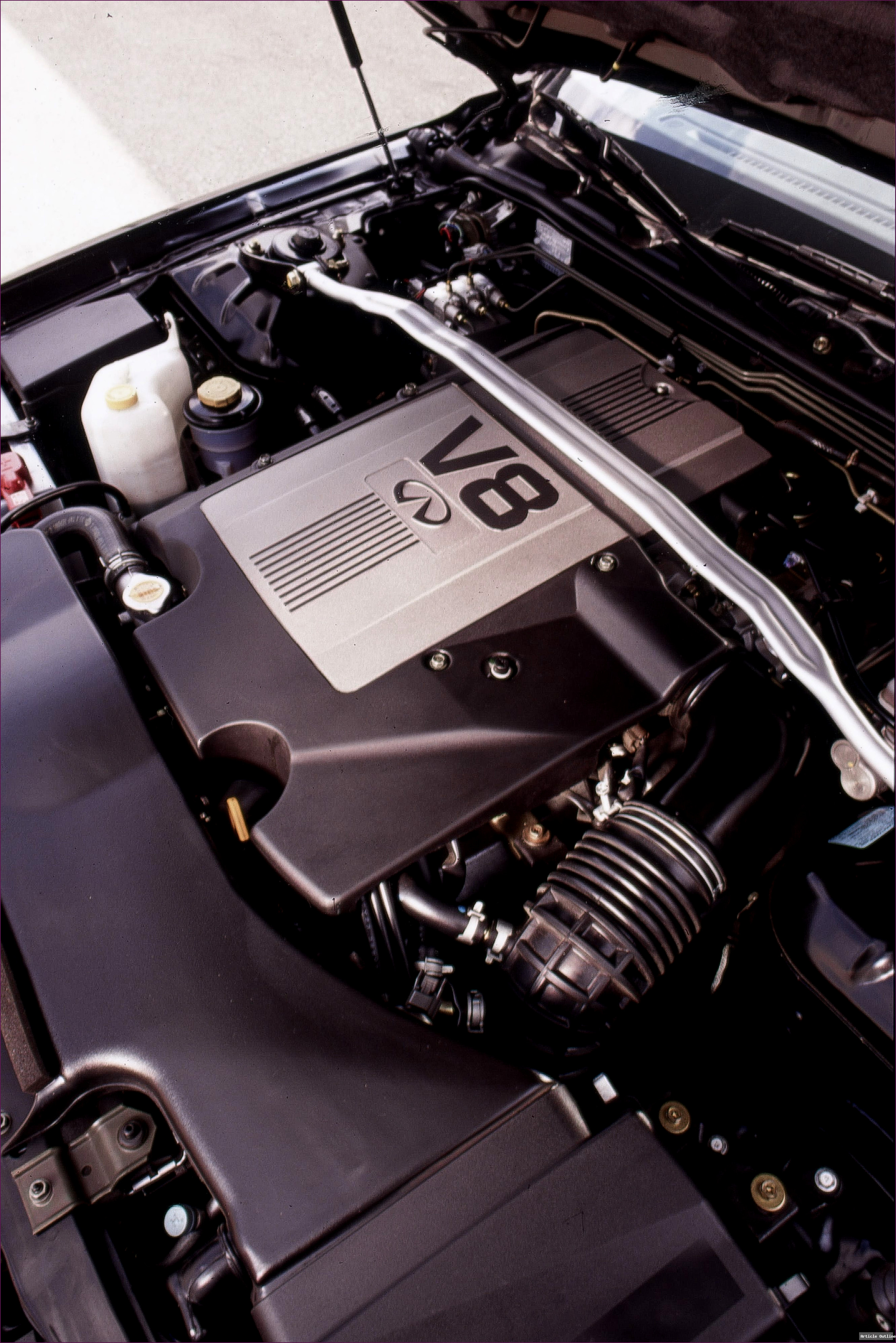
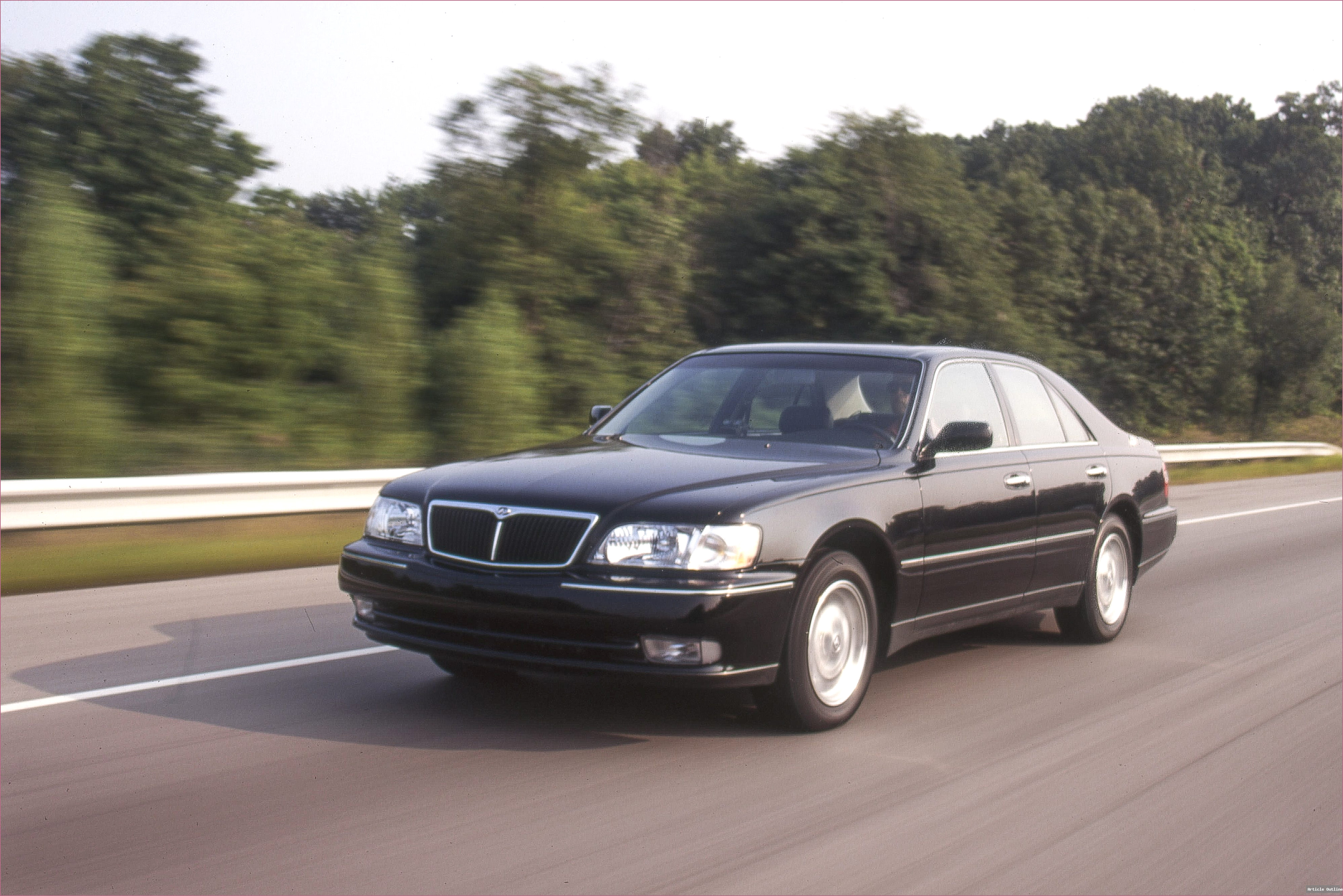
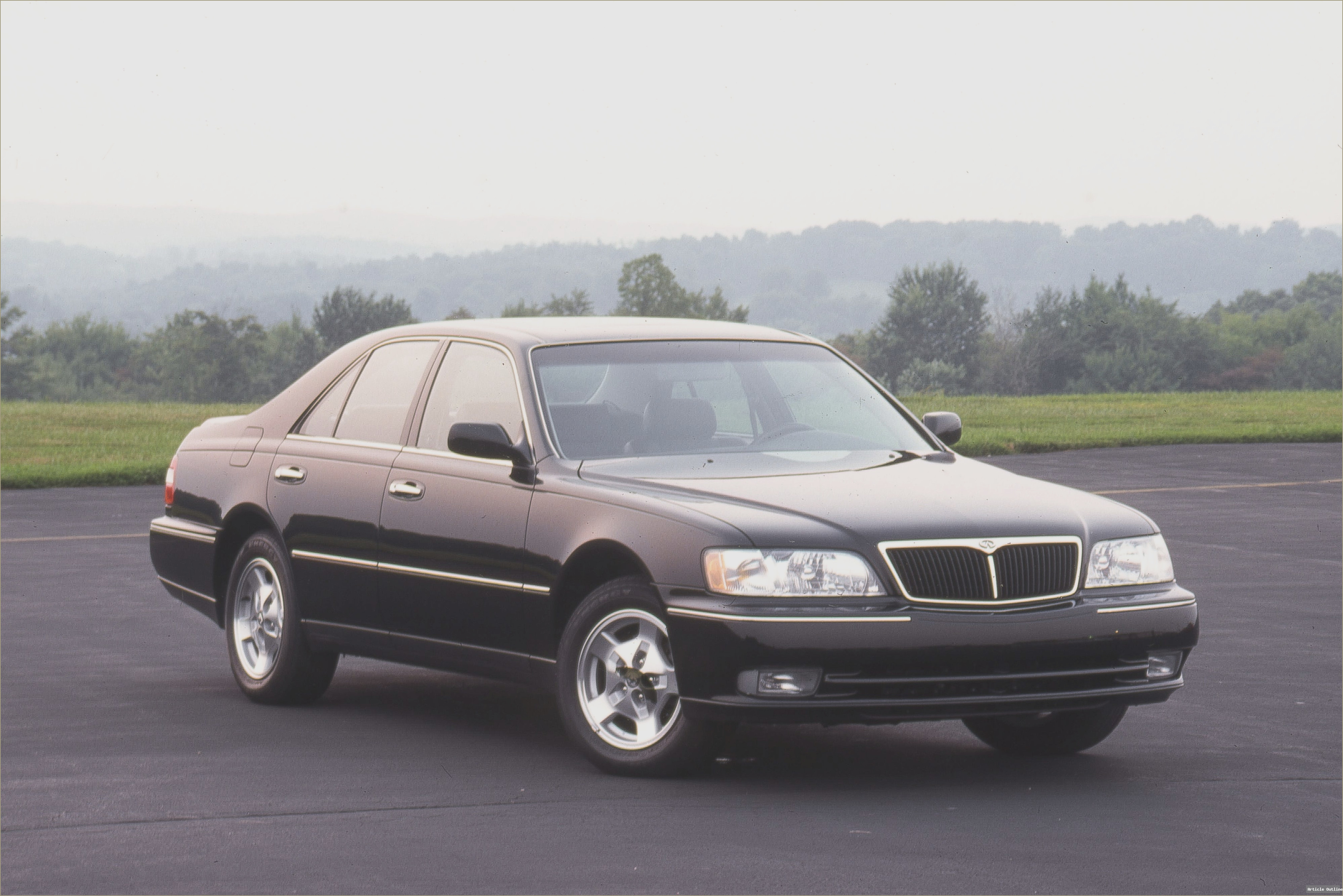
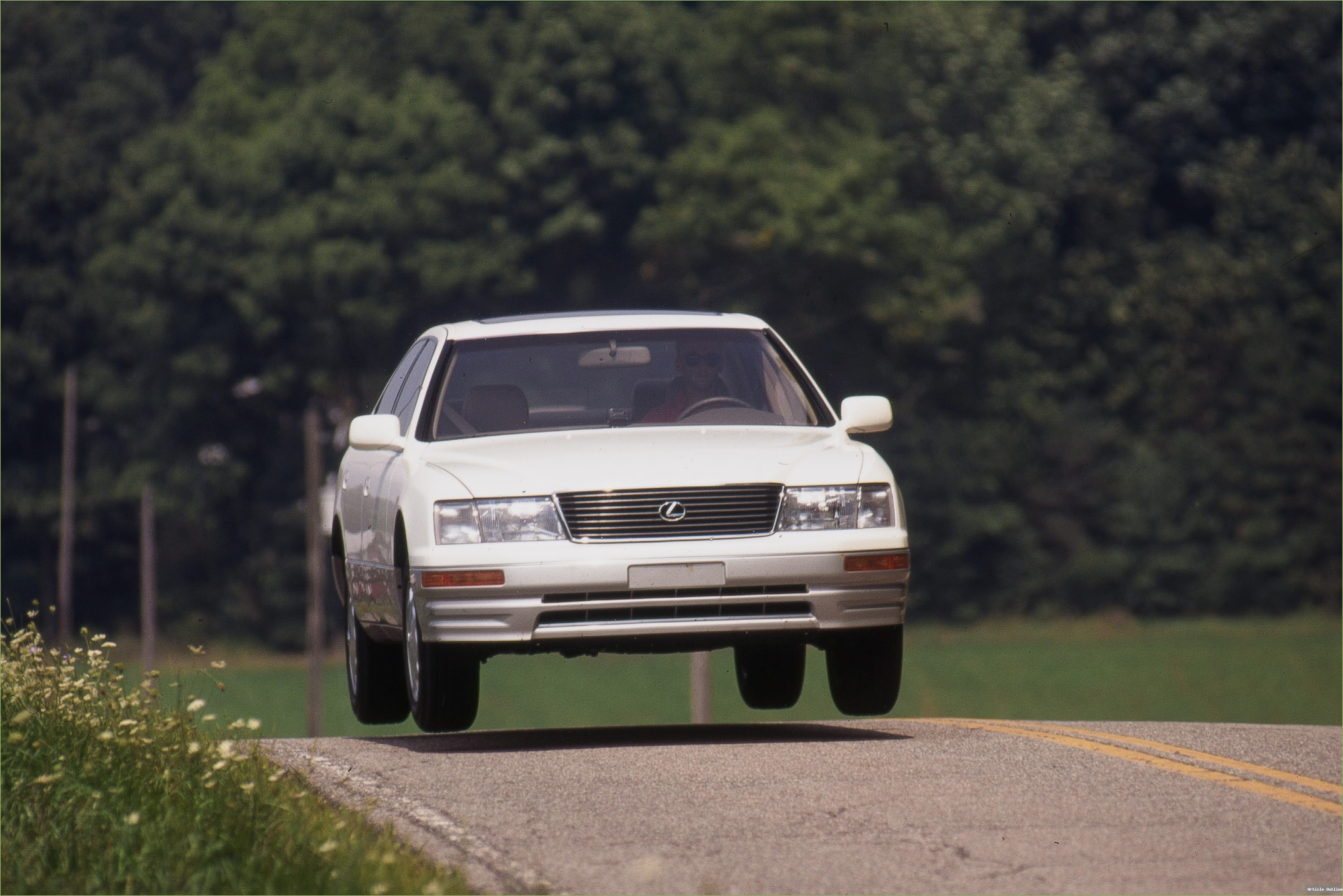
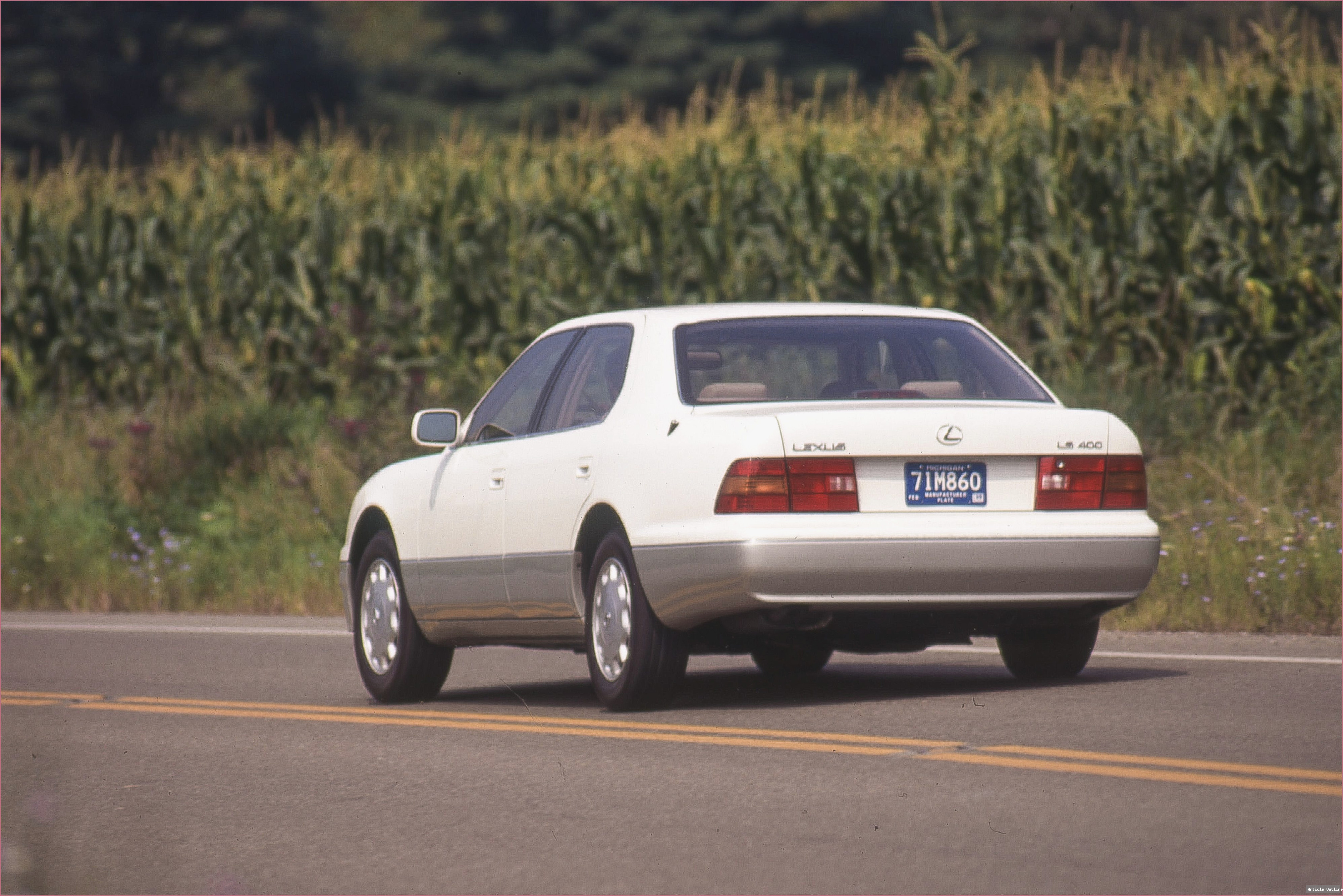
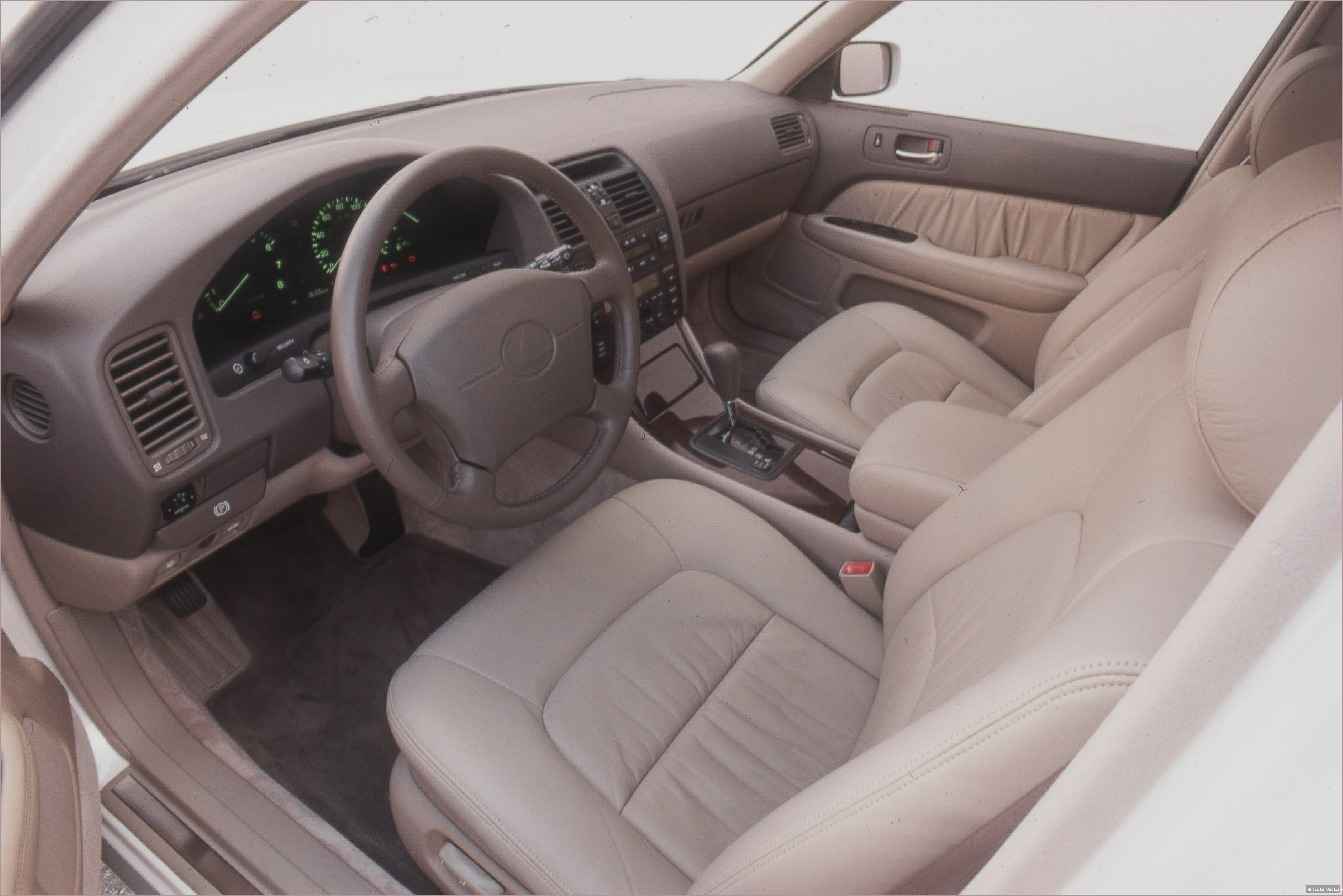
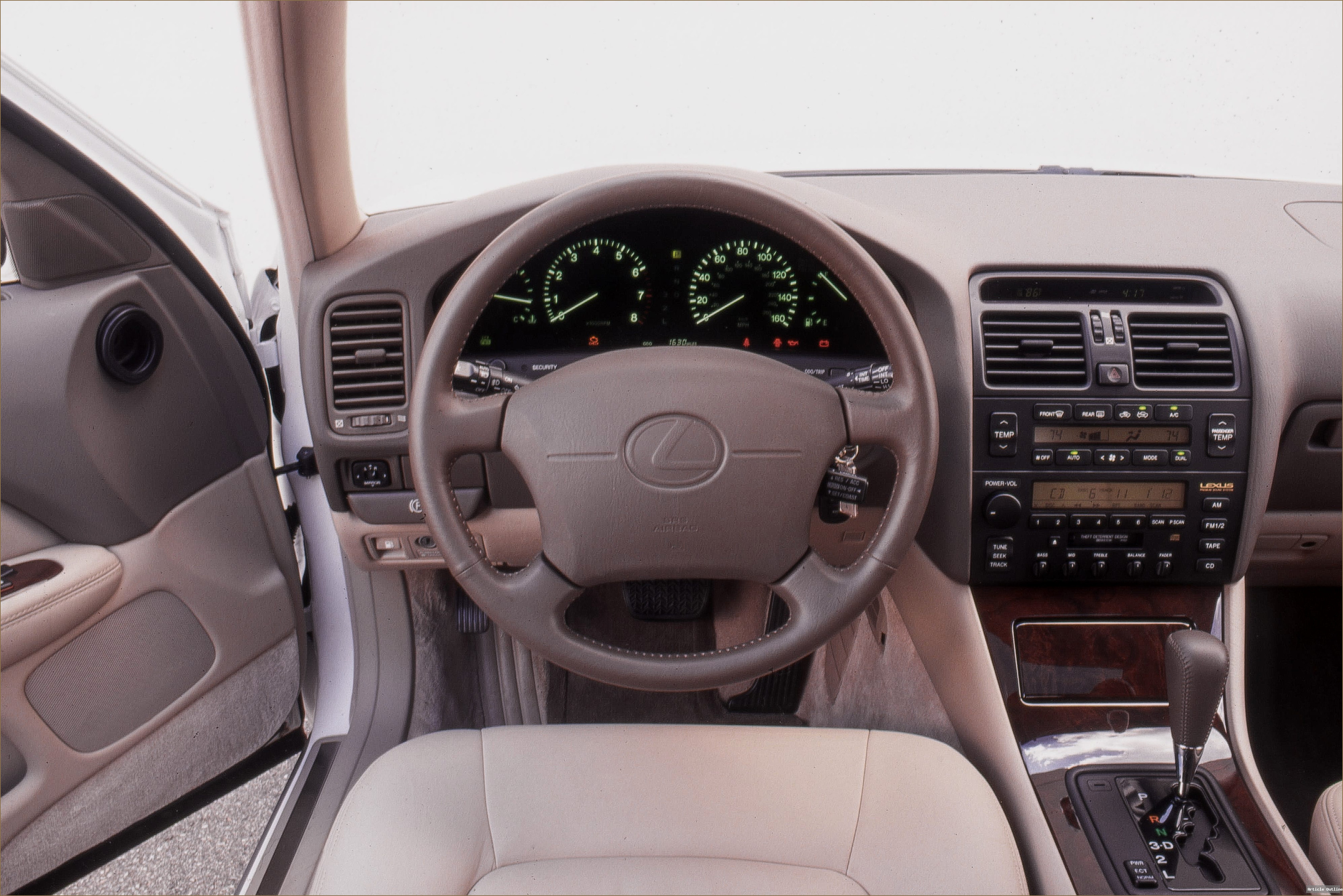
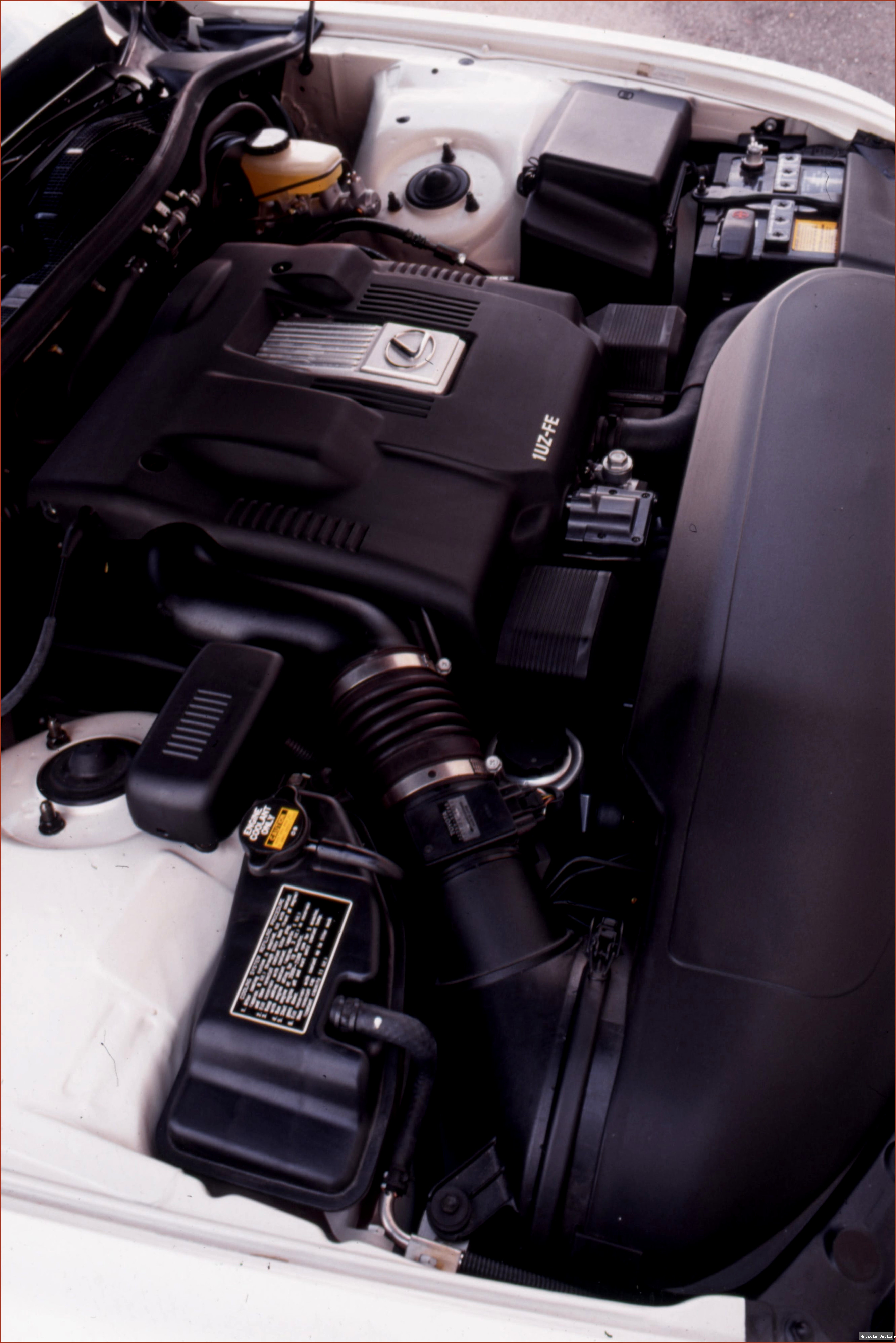
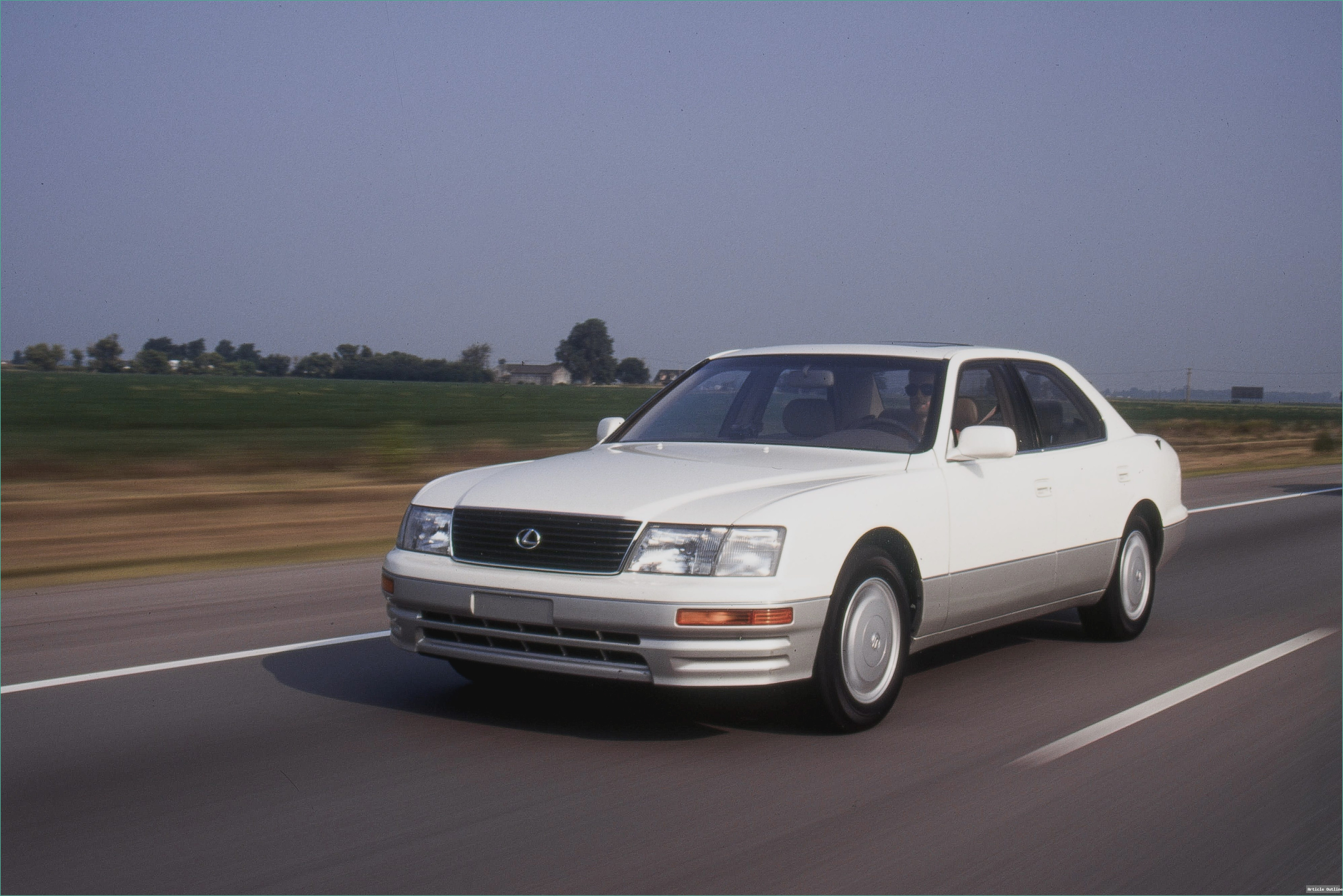
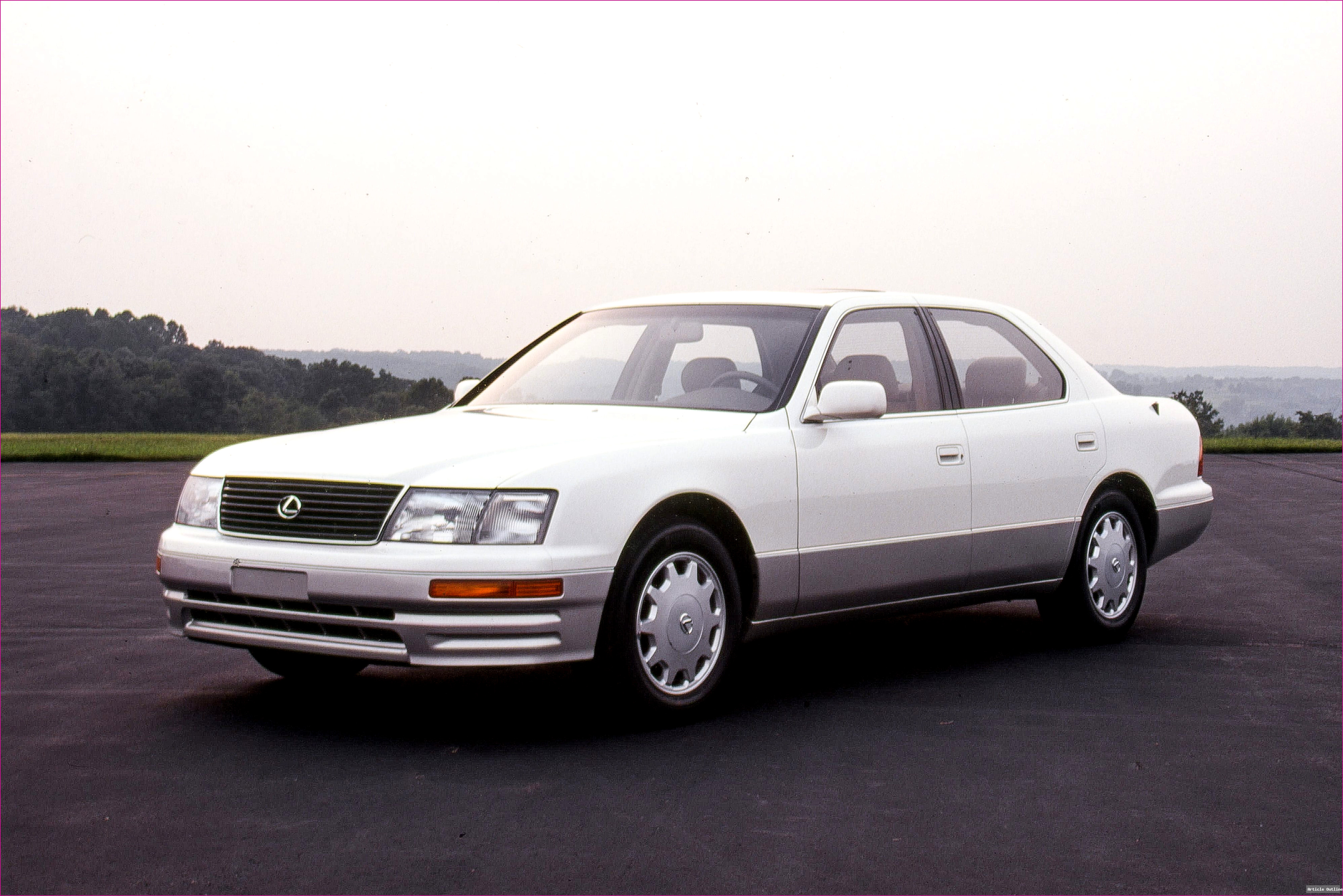
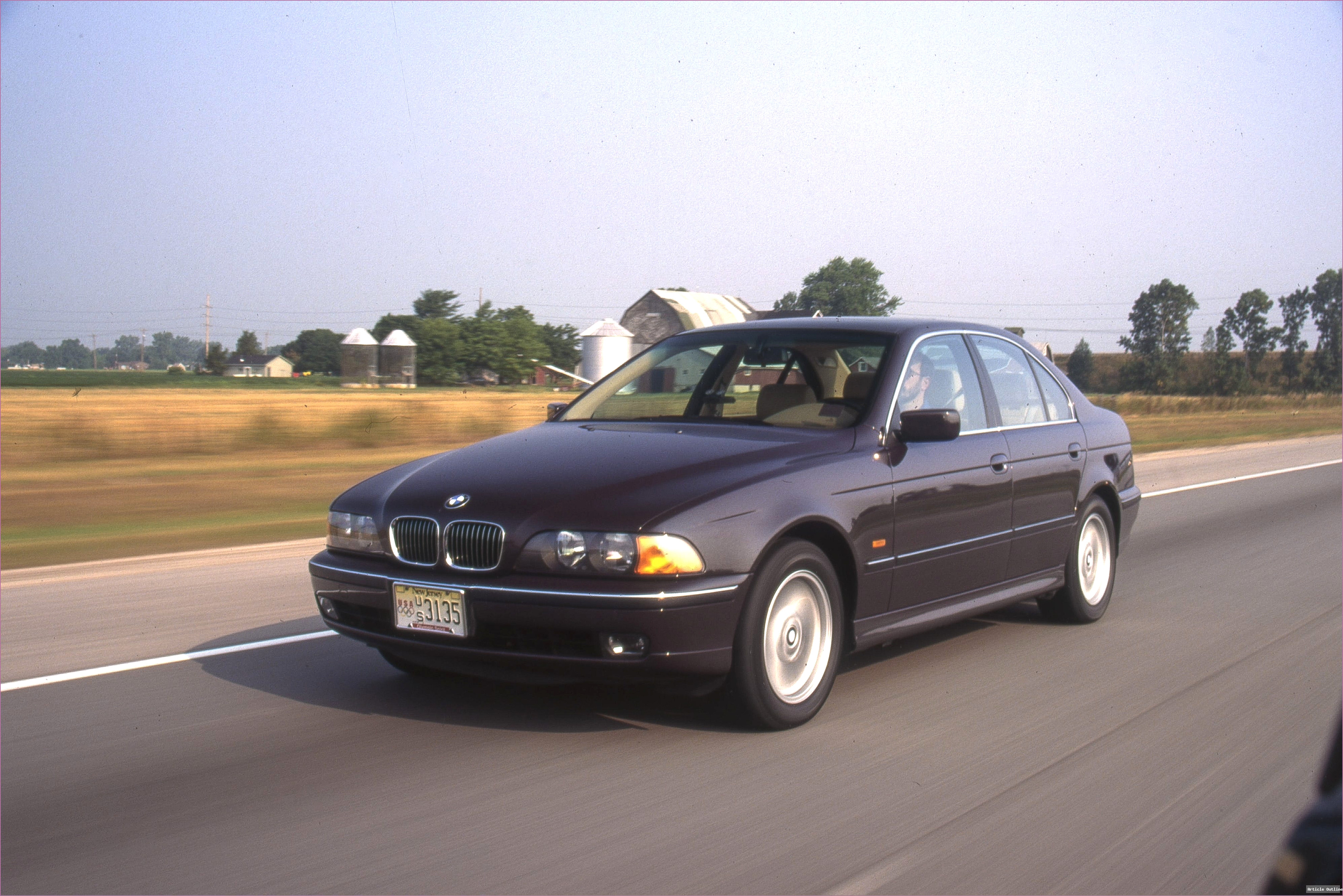
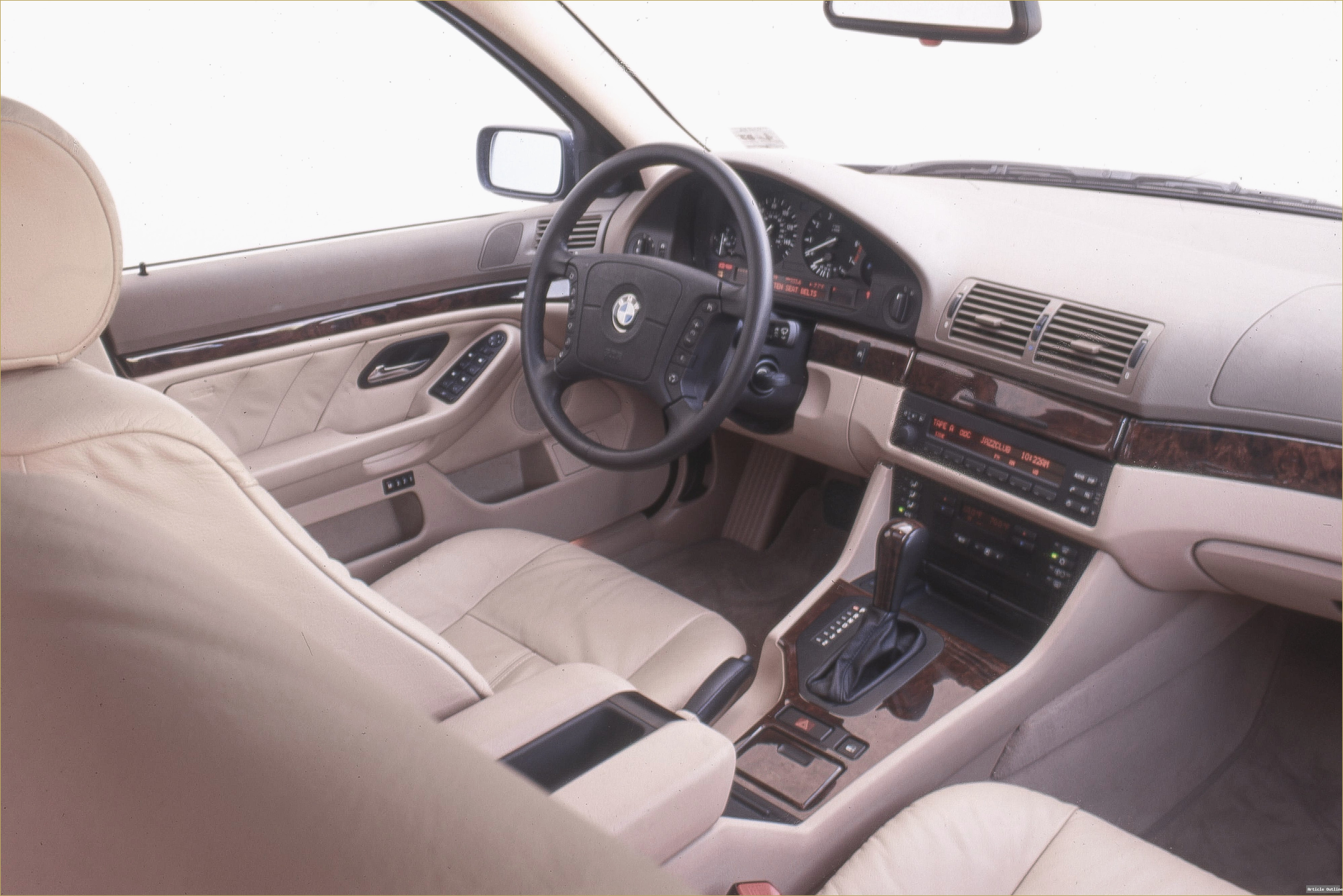
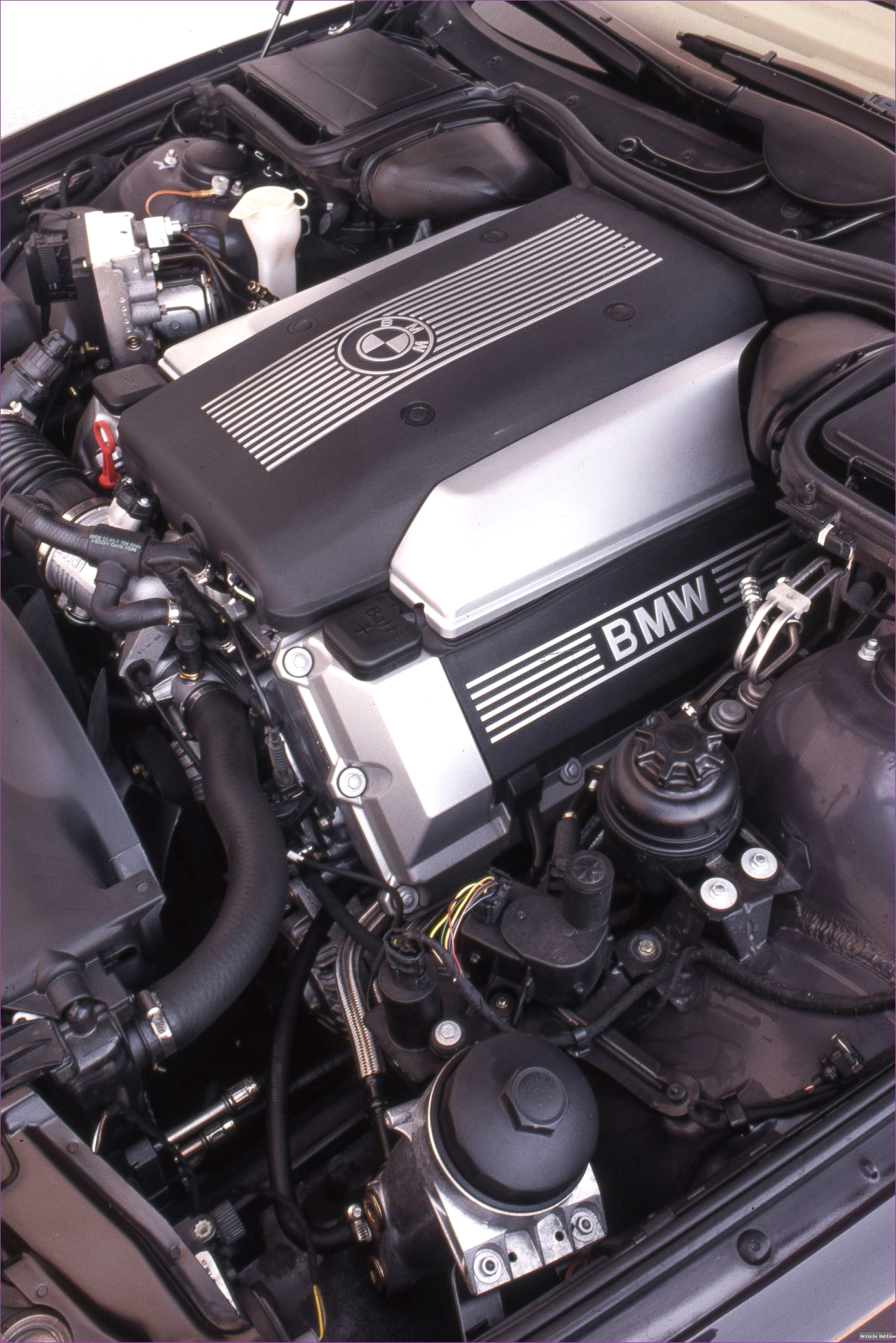
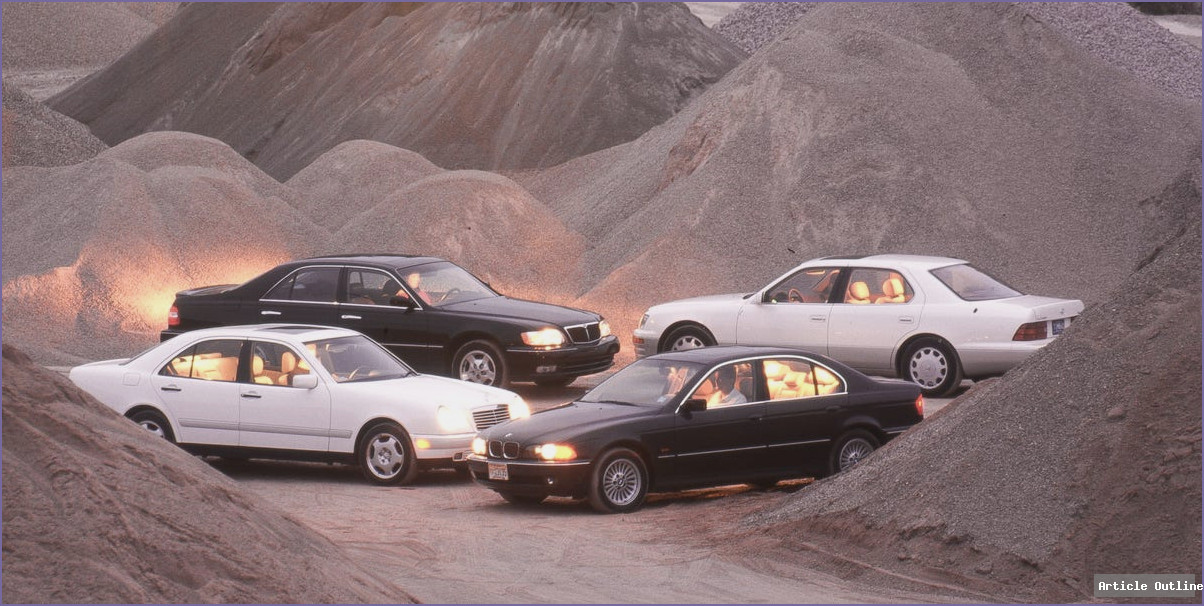
Step into a time machine and you’ll find yourself surrounded by the best luxury sedans the late ‘90s had to offer: the BMW 540i, Infiniti Q45t, Lexus LS400, and Mercedes-Benz E420. These weren’t just cars—they were rolling status symbols, blending performance, comfort, and cutting-edge tech for their era. But beyond the gleaming paint and plush interiors, what can a 1997 comparison teach us about luxury, innovation, and the enduring appeal of these brands?
Why This Matters
- Heritage matters. Today’s luxury sedans owe their DNA to the benchmarks set by these icons.
- It’s a masterclass in brand strategy. Lexus, BMW, Mercedes, and Infiniti each took dramatically different approaches to luxury—and those choices still echo in their lineups today.
- Classic value is making a comeback. With the surge in interest for ‘youngtimer’ classics, these ‘90s sedans are suddenly hot property for collectors and enthusiasts alike.
What Most People Miss
- The revolution under the hood: The BMW 540i’s V8 engine was a revelation—delivering sports-car thrills in a stately package, a formula that shaped the modern sports sedan.
- Infiniti’s Q45t was bold, but misunderstood: With active suspension and a focus on driving dynamics, it aimed for the enthusiast—missing the comfort-first mark that buyers actually wanted.
- Lexus’s quiet disruption: The LS400 quietly redefined what refinement meant, out-silencing even the Germans with its obsessive pursuit of perfection.
- Mercedes-Benz: The E420’s legacy of solidity: This model embodied the over-engineered, vault-like build quality that old-school Benz fans still pine for.
Key Takeaways
- Different philosophies, same goal: Ultimate luxury, but with wildly different definitions—precision (BMW), serenity (Lexus), tradition (Mercedes), and innovation (Infiniti).
- Price vs. Prestige: Back in 1997, these sedans started near $50,000 (over $90,000 in today’s dollars). Yet, each offered a unique value proposition—Lexus undercutting the Germans, Infiniti betting on dynamics, and BMW/Mercedes cashing in on brand cachet.
- Tech that still impresses: Adaptive suspensions, advanced climate control, and sound insulation were already pushing boundaries nearly three decades ago.
Industry Context and Comparisons
- The late ‘90s luxury sedan segment was ferociously competitive. Japanese brands were out to dethrone the Germans, and buyers were the winners.
- Compare this to today: Modern equivalents (BMW 5 Series, Lexus LS, Mercedes E-Class, Infiniti Q70) are packed with even more tech, but purists argue they lack the mechanical charisma of their ‘90s ancestors.
- According to Hagerty, values of well-kept ‘90s luxury sedans are rising, with pristine LS400s and E420s sometimes fetching over $20,000 at auction—a testament to their enduring desirability.
Pros and Cons: 1997 Luxury Sedans vs. Modern Counterparts
- Pros (1997 Models):
- Mechanical simplicity and reliability
- Distinctive, elegant design
- Driver-focused ergonomics
- Solid build quality (especially Mercedes)
- Cons (1997 Models):
- Lack of modern infotainment and safety features
- Fuel economy lags behind today’s efficient engines
- Maintenance on complex old tech (like active suspensions) can be costly
The Bottom Line
The 1997 luxury sedan comparison wasn’t just a battle of brands—it was a defining moment in automotive history. These cars set the standards for a generation, and their influence still shapes the luxury market today. Whether you’re a fan of old-school engineering, chasing the next collector’s gem, or just want to savor the era when luxury sedans were truly distinctive, there’s a lesson in these four legends: Real luxury never goes out of style.

Sources: