Mercedes-Benz has just announced a dramatic pruning of its 2027 lineup, axing several models and high-profile trims. While headlines focus on which cars are disappearing, there’s a much bigger story unfolding beneath the surface—one that signals a strategic pivot for the legendary automaker. Let’s break down what’s happening, why it matters, and what it means for the future of luxury and electric vehicles.
Why This Matters
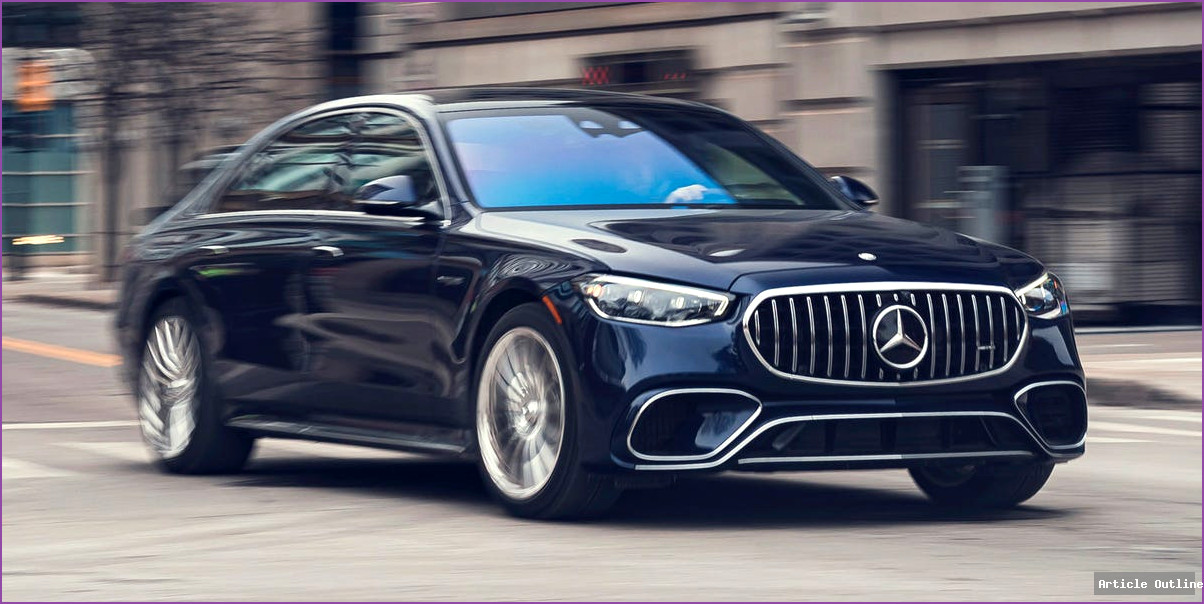
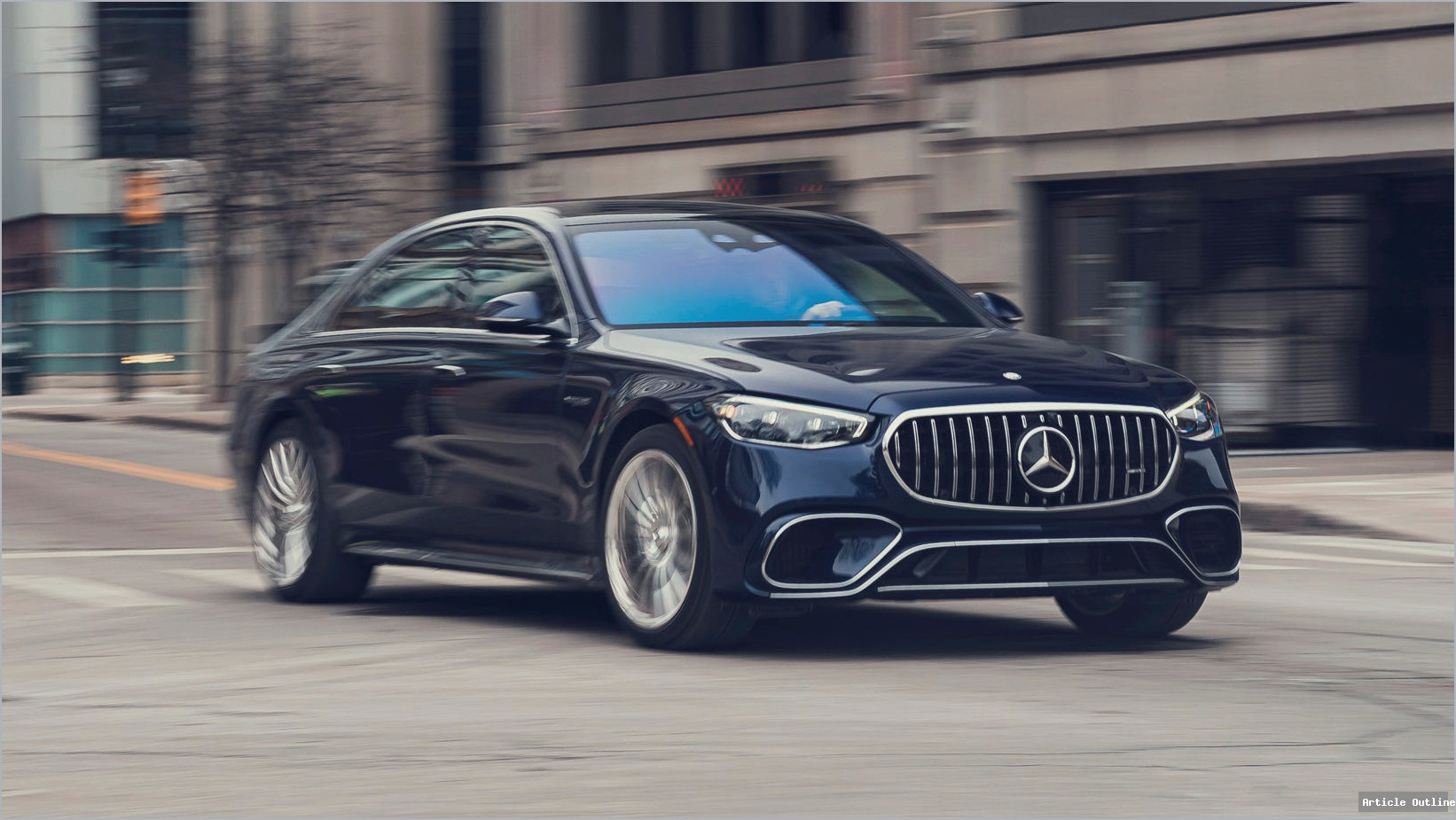
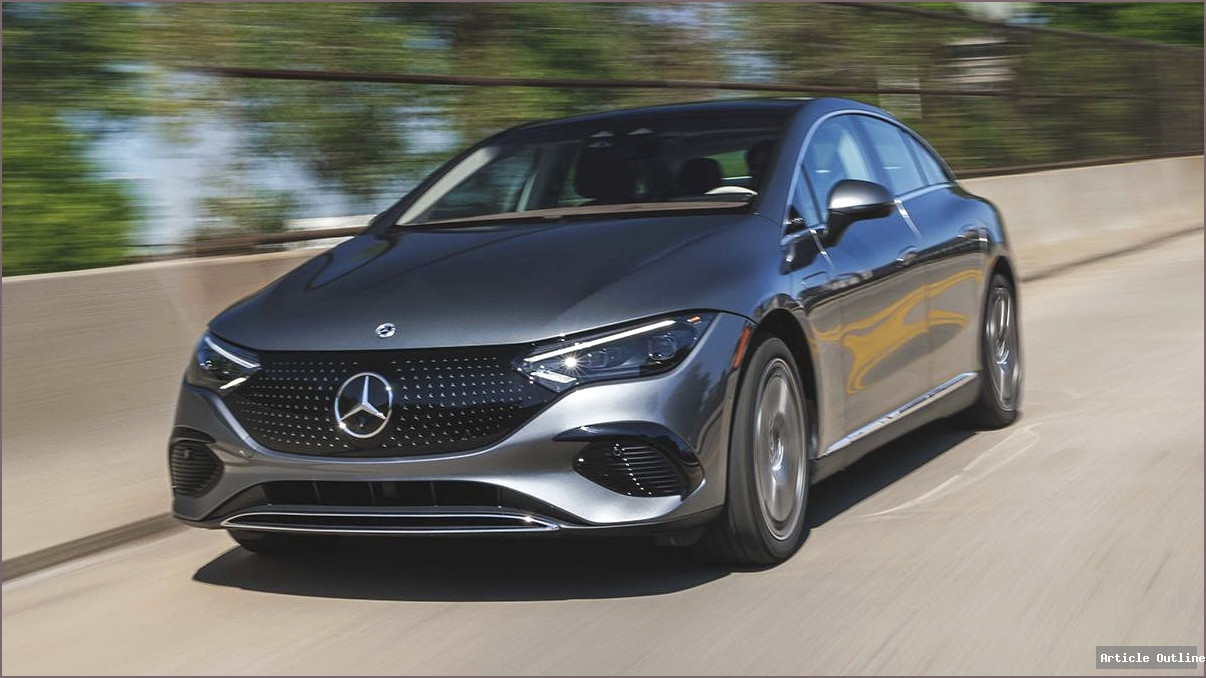
Mercedes isn’t just trimming fat—it’s redefining its identity for a new era. The discontinuation of the EQE sedans (both Benz and AMG), AMG S63, and the ultra-luxurious Maybach EQS SUV underscores a critical shift in strategy. As the EV battleground heats up and luxury buyers demand more distinctive, purpose-built vehicles, Mercedes is signaling it won’t chase every niche, but instead focus on models with clear market traction and future potential.
Key Takeaways
- EQE sedans (Benz and AMG) are out: The first wave of Mercedes EVs—designed to look unlike their combustion siblings—failed to resonate as strongly as hoped. Buyers wanted familiarity, not radical reinvention.
- AMG S63 E Performance is gone—for now: Mercedes may be plotting a comeback with a return to pure V-8 power, hinting at a possible shift away from plug-in hybrids in high-performance sedans.
- Maybach EQS SUV discontinued: Even the ultra-premium electric SUV couldn’t escape the axe, suggesting Mercedes is rethinking how it approaches luxury electrification.
- C43 and C63 sedans in limbo: Their absence from recent refreshes hints at either a repositioning or a total rethink of AMG’s entry-level offerings.
What Most People Miss
It’s easy to see these cuts as a retreat, but the real story is Mercedes learning from its EV missteps. The EQ lineup’s unique styling was meant to set Mercedes apart in the electric space, but buyers still crave the classic silhouette and luxury cues they associate with the brand. That’s why newer EVs like the electric CLA and GLC look much closer to their gasoline counterparts.
Another critical detail: This is part of a broader industry trend. Jaguar, Ford, and even Tesla have all scaled back ambitious model plans in the face of uncertain demand and fierce competition. The EV market is maturing—fast—and automakers are being forced to pivot or perish.
Industry Context & Comparisons
- In the US, luxury EV sales grew 24% in 2023, but several models (including the EQE sedan) struggled to find buyers.
- Tesla’s Model S and Model X have also seen trims cut and production slowed, as the market consolidates around best-selling variants.
- Competitors like BMW and Audi are also introducing more conventionally styled EVs, following similar learnings.
Timeline: Mercedes EV Evolution
- 2021-2023: Launch of distinctive EQ lineup, aiming to set new design language for EVs.
- 2024: Market feedback shows buyers prefer familiar styling and proven nameplates.
- 2025-2027: Mercedes pivots to more traditional designs for new EVs (e.g., electric CLA, GLC), axes underperforming models.
Pros and Cons of the 2027 Restructuring
- Pros:
- Sharper focus on successful models
- Resource reallocation to R&D for next-gen EVs
- Potential return of enthusiast favorites (pure V-8 S63?)
- Cons:
- Reduced variety for buyers seeking something unique
- Short-term confusion or disappointment among loyalists
The Bottom Line
Mercedes’ 2027 model cuts aren’t just about eliminating underperformers—they’re part of a calculated effort to rebalance the brand for a rapidly changing luxury and EV landscape. Expect a new, sharper Mercedes lineup that plays to its strengths, learns from its mistakes, and sets the stage for even bolder innovations by the end of the decade.