Meta’s recent acquisition of Limitless, the AI startup behind the conversation-recording pendant, marks a pivotal moment in the battle for dominance in AI-powered wearables. But beyond the headlines, this deal reveals much about the future of personal AI, the wearables market, and the cutthroat competition brewing among tech giants. Let’s unpack why this move matters and what it signals for the broader tech landscape.
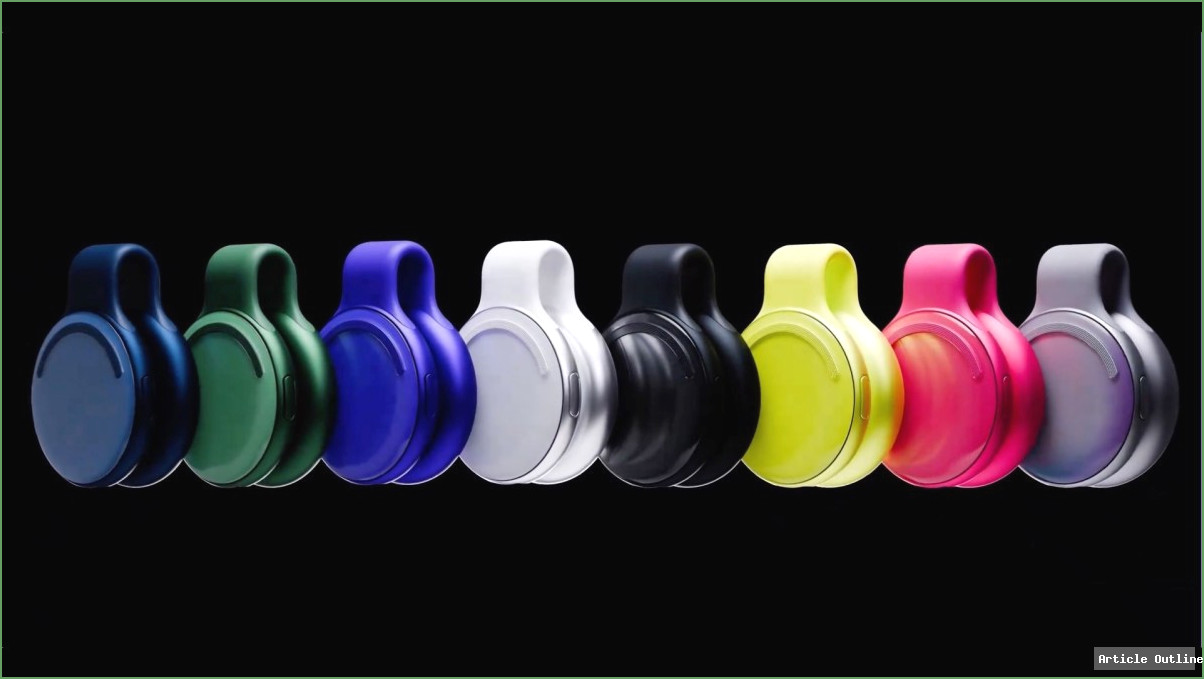
Meta isn’t just buying hardware—it’s buying expertise, vision, and a shortcut into the rapidly evolving world of AI-enabled personal devices. Limitless, previously known as Rewind, had carved out a unique space with its AI pendant—a device that could passively record conversations for later search and recall, aiming to augment human memory. While the product found fans among early adopters, the broader challenge of scaling such a niche device was always looming. That’s where Meta steps in, and the implications are bigger than a simple product pivot.
Why This Matters
- The battle for AI-powered wearables is heating up. With OpenAI, Meta, and others racing to define the next generation of personal tech, acquiring Limitless gives Meta a leg up in building seamless, always-on AI companions.
- Meta’s focus on AR glasses (Ray-Ban Meta, Oakley Meta) suggests that Limitless’ talent and tech will supercharge Meta’s efforts to make AI not just accessible, but invisible—integrated into everyday objects, not just screens.
- This move also signals the end of the line for smaller, hardware-focused startups trying to compete in a field where scale, data, and deep pockets rule.
What Most People Miss
- Limitless’ pivot from “weird fringe idea” to acquisition target is a sign of how fast perceptions around AI and hardware have changed. Just five years ago, the idea of a startup doing both was considered almost uninvestable. Now, it’s table stakes for tech giants.
- The acquisition isn’t about a pendant. It’s about data capture and contextual AI: Limitless’ core tech—capturing, indexing, and searching life’s moments—could be transformative if built into Meta’s AR/AI glasses.
- By migrating users to a free Unlimited Plan and sunsetting its own hardware, Limitless keeps goodwill alive and data flowing, while Meta absorbs its brain trust.
Key Takeaways
- Meta is doubling down on wearables as the next big platform after smartphones.
- Smaller AI hardware startups are likely to face increasing pressure—or get snapped up—by bigger fish as the market consolidates.
- Expect a wave of innovation (and privacy debates) as AI becomes more personal and ever-present, moving from apps to accessories to ambient technology.
Industry Context & Comparisons
- Limitless joins a crowded field: OpenAI is rumored to be working on “peaceful and calm” AI devices, while Humane and Rabbit are also betting on wearable AI. But adoption and reviews remain mixed—Friend’s AI pendant struggled to impress in early tests.
- Meta’s Reality Labs, home to its AR/VR and wearables push, now gets a meaningful injection of talent and IP—potentially accelerating its timeline for consumer-grade AI glasses.
- Funding snapshot: Limitless raised $33M+ from a16z, First Round, and NEA. For many hardware startups, acquisition by a tech giant is now the most viable exit.
Action Steps & What’s Next
- Limitless users should export or delete their data—Meta will support current customers for a year, but sunset is on the horizon.
- Watch for more aggressive moves by Meta and its rivals to acquire or partner with promising AI hardware startups.
- Consumers should brace for a new wave of AI-powered accessories—and the privacy questions they’ll inevitably raise.
The Bottom Line
Meta’s acquisition of Limitless isn’t just a business deal—it’s a statement of intent. As the lines between hardware, software, and AI blur, tech giants are racing to own not just our screens, but our senses and memories. For startups, the message is clear: innovate quickly, but expect to join forces with the giants or get outpaced. For consumers, the future of AI is about to get a lot more wearable, personal, and, yes, complicated.