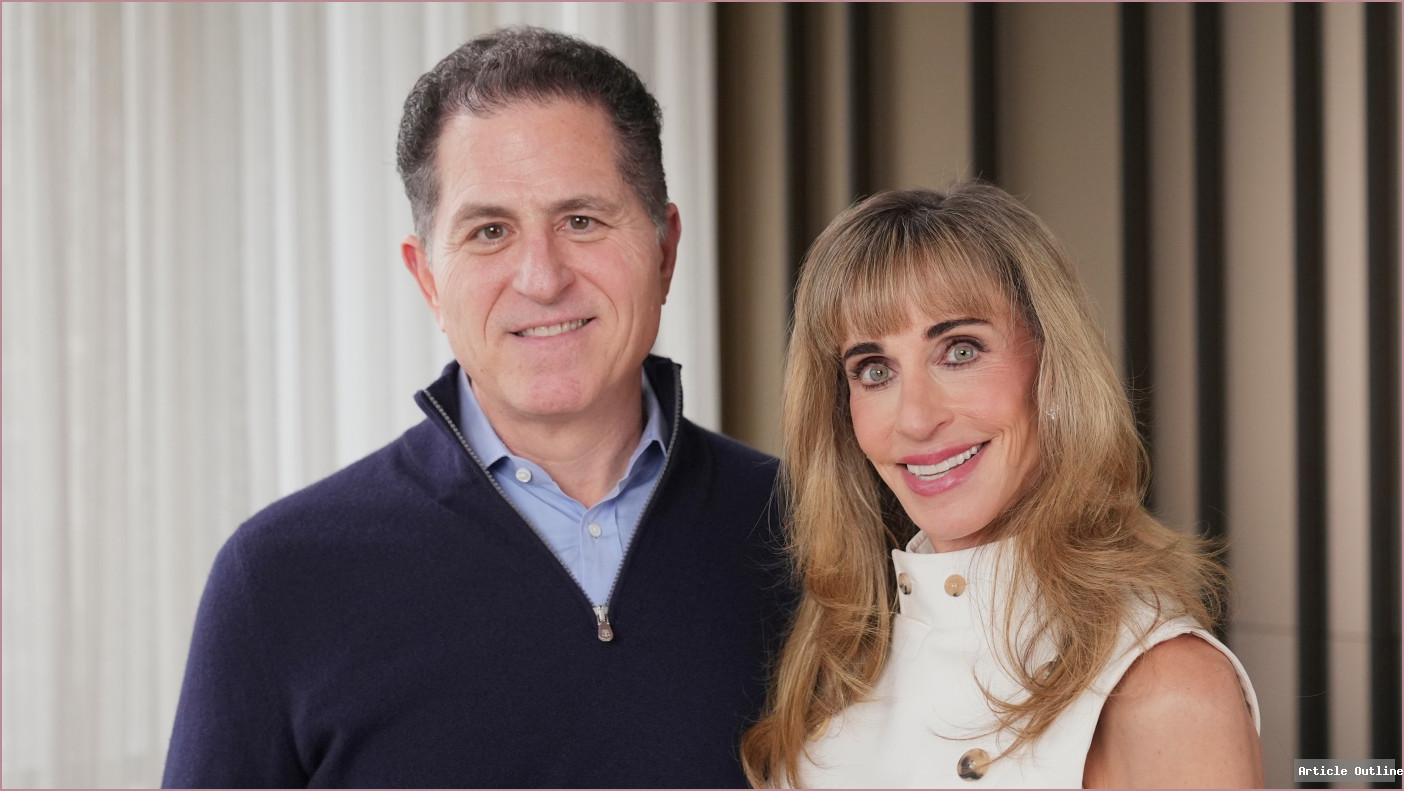
When billionaire philanthropists Michael and Susan Dell announced their $6.25 billion gift to seed investment accounts for 25 million U.S. children, it sent ripples through the worlds of finance, education, and public policy. On the surface, $250 per child might not sound seismic—but this initiative could fundamentally shift how America thinks about wealth-building, opportunity, and the role of private philanthropy in public programs.
Why This Matters
- Generational Wealth Building: For millions of kids—especially those outside affluent ZIP codes—this is more than a handout. It’s an early stake in the stock market, a taste of compounding returns, and a nudge toward financial literacy from childhood.
- Public-Private Partnership Potential: By targeting kids who miss out on the new federal “Trump Account” program, the Dells’ gift highlights the gaps that philanthropy can fill as government reforms roll out.
- Personal Finance Revolution: Embedding investment culture into childhood could have a long tail—think better college outcomes, higher homeownership, and more entrepreneurial risk-taking down the road.
What Most People Miss
- It’s Not Just About the $250: The Dells’ donation is a spark. The real magic comes if families, relatives, or even the kids themselves add to these accounts over time, leveraging compounding growth.
- Eligibility Nuances: Only children under 10 (born before Jan 1, 2025) in ZIP codes with median incomes below $150,000 qualify. That’s nearly 80% of kids in the age group, but not all—leaving some out and raising questions about fairness and targeting.
- Unresolved Logistics: There’s still confusion about administration. Who opens these accounts? Where are they held? How do parents claim them? Families will need to stay tuned and get financial advice.
Key Takeaways
- Seed funding is a proven motivator: Studies show that kids with even small savings accounts are more likely to attend college and escape poverty. The psychological effect is as important as the dollar value.
- Potential for outsized growth: With steady contributions, a Trump Account could in theory reach $1.1 million by age 28 (per White House estimates). Even with no additional funding, $250 invested from birth could grow to $18,100 by adulthood—assuming historical stock returns.
- Philanthropy as policy accelerant: As government programs roll out, targeted philanthropy can patch gaps, pilot innovations, and push for faster, broader adoption.
Timeline Snapshot
- July 2025: “Trump Accounts” become law, offering $1,000 to newborns through 2028.
- December 2025: The Dells announce their $6.25B donation for older children.
- July 4, 2026: Parents can begin claiming accounts for their eligible kids.
- 2036-2044: First cohort of kids turns 18, unlocking access to funds for college, home, or business.
Comparisons & Context
- Similar to 529 and Roth IRA accounts, but with broader eligibility and use cases—including entrepreneurship.
- UK’s Child Trust Fund (2002–2011) seeded every child’s account at birth, but never reached this scale or had private backing of this magnitude.
- Racial and Economic Equity: Wealth-building tools have historically bypassed marginalized communities. This effort, if executed well, could narrow generational gaps.
Action Steps for Parents
- Mark July 4, 2026, on your calendar to claim accounts.
- Consult with a tax or financial advisor to maximize contributions and benefits.
- Track announcements about account providers and enrollment logistics.
Michael Dell: “When children have accounts like this, even with modest sums, they have better outcomes in life.”
The Bottom Line
This isn’t just a charity gesture—it’s a moonshot for economic mobility. If scaled and managed well, the Dells’ donation could help millions of American children not just dream bigger, but actually bank on their futures. The details matter—so do the follow-through and ongoing contributions—but the signal is clear: America’s approach to childhood opportunity is getting an upgrade.