The Monaco Grand Prix isn’t just another race on the Formula 1 calendar—it’s a living legend. Since 1950, its serpentine city streets have witnessed the rise of icons, the heartbreak of champions, and a spectacle that blends raw speed with Riviera glamour. But what makes Monaco so much more than a motorsport photo album? Let’s dive into the deeper story behind the glitz, drama, and history.
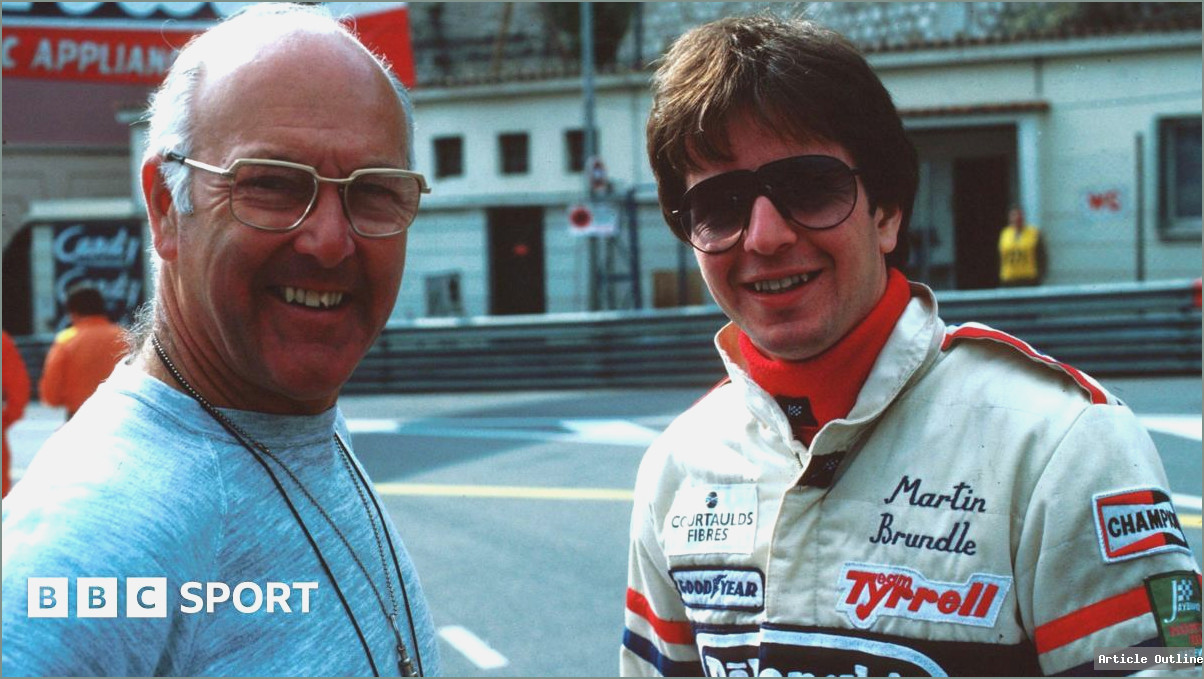
Why This Matters
- Heritage and Prestige: Monaco is F1’s most iconic stage—where racing royalty and real royalty mingle. Winning here cements a driver’s legacy.
- Technical Brilliance: Narrow streets, unforgiving barriers, and zero margin for error mean that only the best truly shine. Mistakes? They’re headline news.
- Cultural Phenomenon: Monaco fuses sport, celebrity, and luxury like nowhere else. It’s the only race where a yacht party and a hairpin overtake can happen meters apart.
Key Takeaways from Decades of Monaco Drama
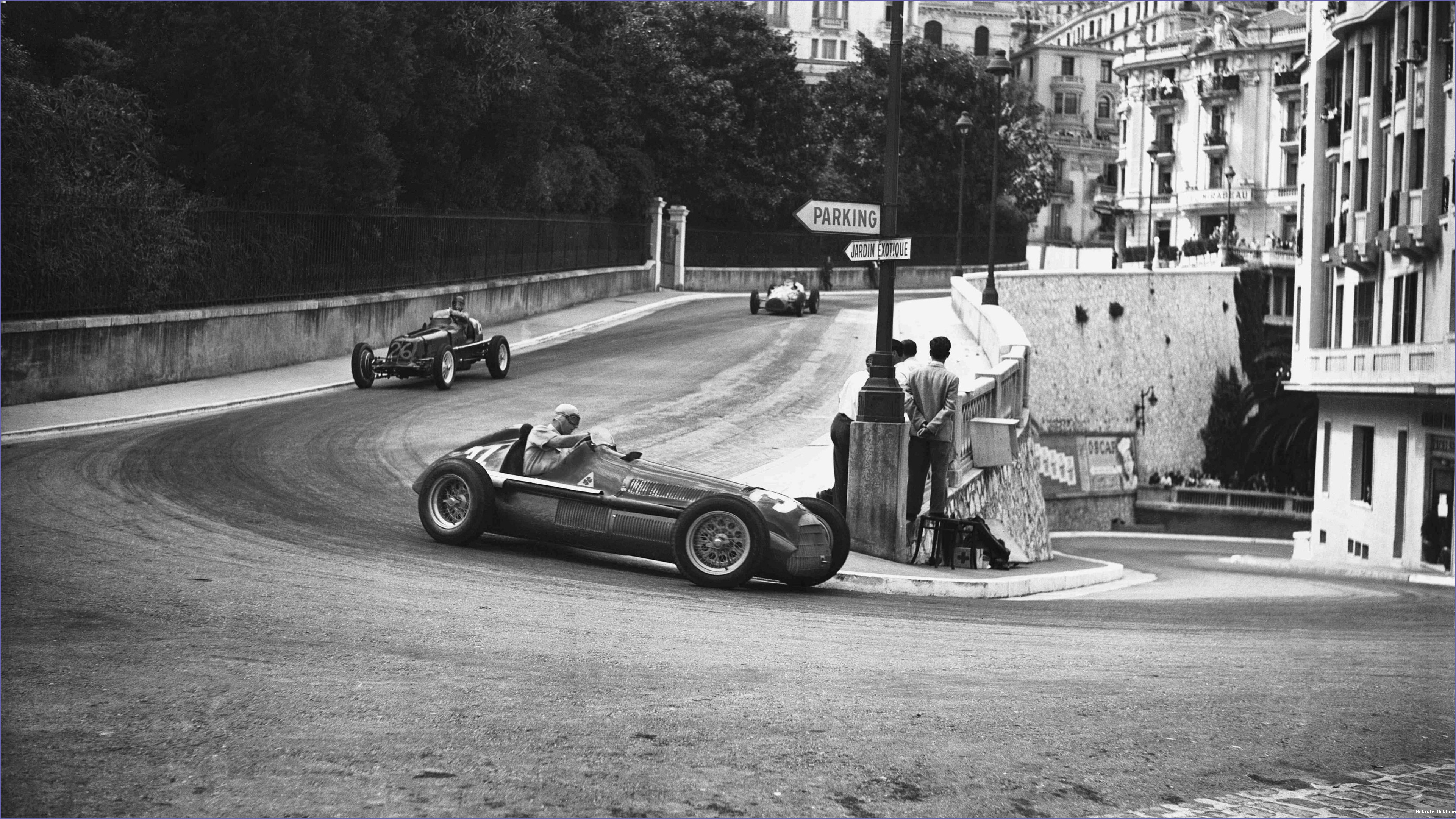
- Fangio’s Foundation: Juan Manuel Fangio’s 1950 win kicked off an era where only the brave (or the slightly mad) triumphed.
- Hill & Senna—Kings of the Principality: Graham Hill’s five wins earned him “Mr Monaco.” Ayrton Senna’s record six victories—often in jaw-dropping style—set the gold standard for Monaco mastery.
- Moments of Human Drama: From Stirling Moss accepting a trophy from Princess Grace, to Senna’s 1988 heartbreak (walking home after crashing while leading by 50 seconds!), Monaco has always been about more than the stopwatch.
- Generational Shifts: Father-son duos (like Keke and Nico Rosberg in 2018) and local heroes (Charles Leclerc’s 2024 win) show Monaco’s magic endures across eras.
What Most People Miss
- Safety Innovations: Did you know frogmen once waited in the harbour every year in case a car plunged into the water? Monaco’s unique risks literally shaped F1’s safety evolution.
- The Politics of Qualifying: Michael Schumacher’s infamous “parked Ferrari” in 2006 wasn’t just a blunder—it was a masterclass in tactical (and controversial) gamesmanship unique to Monaco’s tight circuit.
- The Local Curse: Before Leclerc’s 2024 triumph, no Monegasque had won at home in the F1 era. The psychological pressure was immense—and breaking it became a national moment.
- Longevity in the Limelight: Fernando Alonso’s 431st start in 2024 shows Monaco is where legends keep coming back for more.
Timeline: Evolution of the Monaco Grand Prix
- 1950s: Fangio’s dominance, Moss’s early victories, and racing in suits and open helmets.
- 1960s: Graham Hill’s reign, safety measures begin, the circuit starts to adapt to faster cars.
- 1970s-80s: Lauda vs. Hunt, frogmen in the harbour, Senna’s rise and heartbreak, celebrity culture grows.
- 1990s: Senna’s record, Mansell’s near-miss, the era of the superstars and modern F1 tech.
- 2000s-2020s: Schumacher’s drama, Alonso’s longevity, Rosberg family legacy, and Leclerc’s homecoming win.
Monaco: Pros and Cons in the Modern Era
- Pros: Unmatched history, unique challenge, global attention, and a festival atmosphere.
- Cons: Limited overtaking, grid position often decides the winner, and the city circuit is increasingly tight for today’s larger F1 cars.
Expert Commentary
“Winning Monaco is like winning an Oscar for an actor. It’s the ultimate mark of greatness.” — Former F1 champion
The evolution from Fangio’s era to Leclerc’s breakthrough isn’t just about speed. It’s about adaptation, nerves of steel, and the capacity to thrive under the world’s brightest spotlight. Monaco is where motorsport’s human stories become immortal.
The Bottom Line
The Monaco Grand Prix endures because it’s more than a race—it’s a ritual, a proving ground, and a mirror for F1’s changing face. Every year, it reminds us: History is made here, and legends are born on these streets.