The pickup truck market in North America has long been a fortress, dominated by domestic giants and a select few Japanese contenders. Now, Volkswagen is making a bold play with the next-generation Amarok, teasing a hybrid powerhouse that could reshape the mid-size truck landscape—especially south of the U.S. border but with tantalizing implications for American buyers.
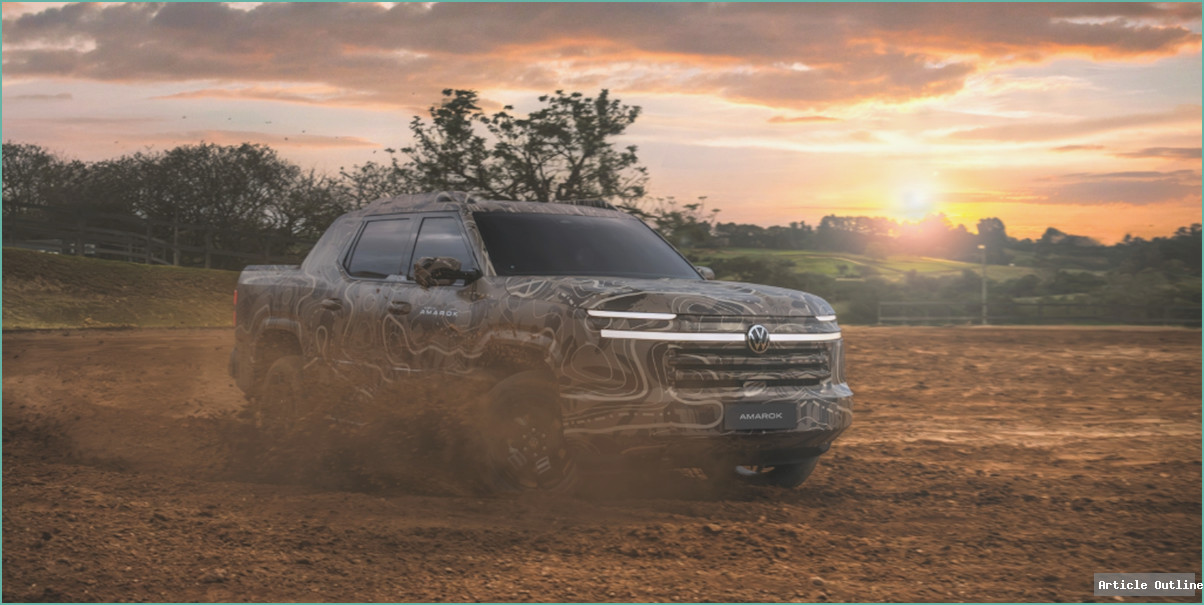
While the Amarok has been a familiar sight in Mexico and Brazil, where it serves as a rugged, no-nonsense workhorse, this new iteration is poised to grab headlines with its electrified powertrain and headline-grabbing 464 horsepower and 590 pound-feet of torque. For context, that’s more power than many full-size trucks offer, and well beyond what the Toyota Tacoma or Ford Ranger bring to the table.
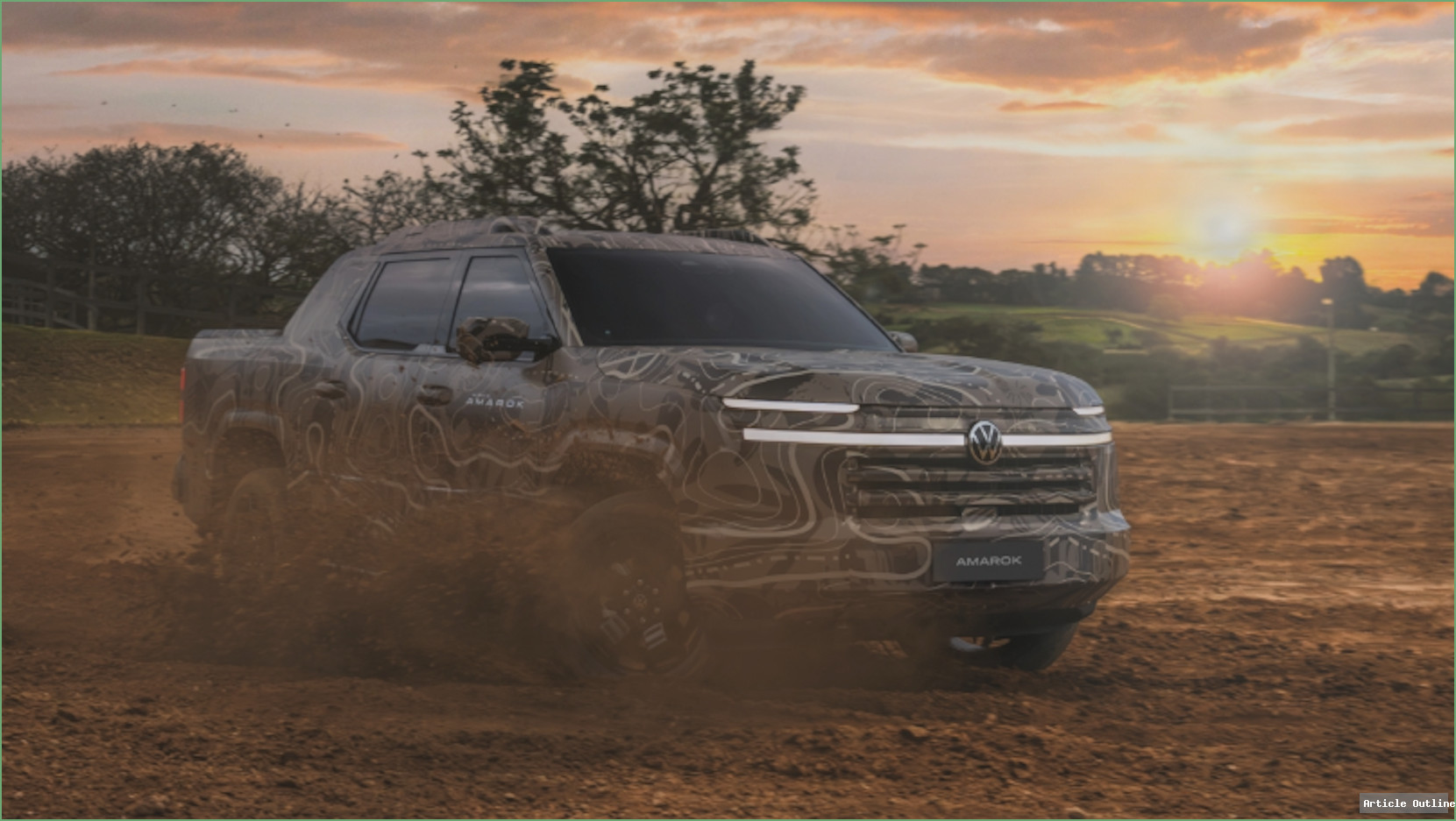
Why This Matters
- Electrification is coming to pickups—fast. The Amarok’s hybrid setup isn’t just about power; it’s a signal that Volkswagen sees opportunity in bridging capability with efficiency in a segment that’s been slow to change.
- Mexico and Brazil are testbeds. VW’s decision to focus first on these markets reflects both regulatory freedom and a customer base that knows, trusts, and works its vehicles hard. If it succeeds there, U.S. buyers could be next.
- VW’s U.S. ambitions hinge on trucks. Volkswagen’s slice of the American pie has shrunk. The Amarok could be the brand’s secret weapon, especially if built stateside at Chattanooga, Tennessee, as rumored.
What Most People Miss
- This is NOT VW’s first North American pickup. The Amarok has been sold in Mexico for years, but it’s always been a utilitarian, fleet-friendly option—far from the “lifestyle” trucks marketed in the U.S.
- The hybrid Amarok isn’t just about green cred. With 464 hp, it’s gunning for performance bragging rights, not just emissions reduction. Imagine stuffing that powertrain into a vintage VW Caddy—tempting, if totally mad.
- Brazil’s automotive market is fiercely competitive. VW’s success with the Gol (a two-decade best-seller) shows they’re not afraid to innovate and localize. The Amarok’s debut at Brazil’s biggest rodeo festival is marketing genius—speaking directly to working-class truck buyers.
Key Takeaways
- The Amarok’s hybrid powertrain could outmuscle every other mid-size truck, making it a wild card for performance enthusiasts and fleet buyers alike.
- Market positioning is crucial. In Mexico and Brazil, Amarok is a work tool; if VW wants a slice of the U.S. market, they’ll need to adapt to American tastes, which favor comfort and tech as much as utility.
- Timing is everything. With U.S. brands like Ford and GM launching electric and hybrid trucks, VW’s move is both bold and necessary to stay competitive.
Comparison: Amarok vs. Rivals
- Toyota Tacoma TRD Pro: 326 hp (hybrid), off-road focus, legendary reliability.
- Ford Ranger Raptor: 405 hp (gas), tech-laden, premium price.
- Amarok Hybrid: 464 hp, working-class roots, potential for disruptive pricing.
Pros & Cons Analysis
- Pros:
- Class-leading power and torque
- Hybrid efficiency with no sacrifice in capability
- Strong brand recognition in Latin America
- Cons:
- VW’s U.S. dealer network lacks truck-selling experience
- Potential skepticism from traditional American truck buyers
- Unclear U.S. launch timeline
The Bottom Line
Volkswagen’s next-gen Amarok hybrid isn’t just another truck—it’s a strategic bet on the future of pickups in the Americas. With electrification, massive power, and a global approach, VW is aiming to disrupt the mid-size segment. The U.S. market may be tough to crack, but if VW gets pricing, positioning, and marketing right, the Amarok could be the surprise hit that puts the brand back in the conversation.