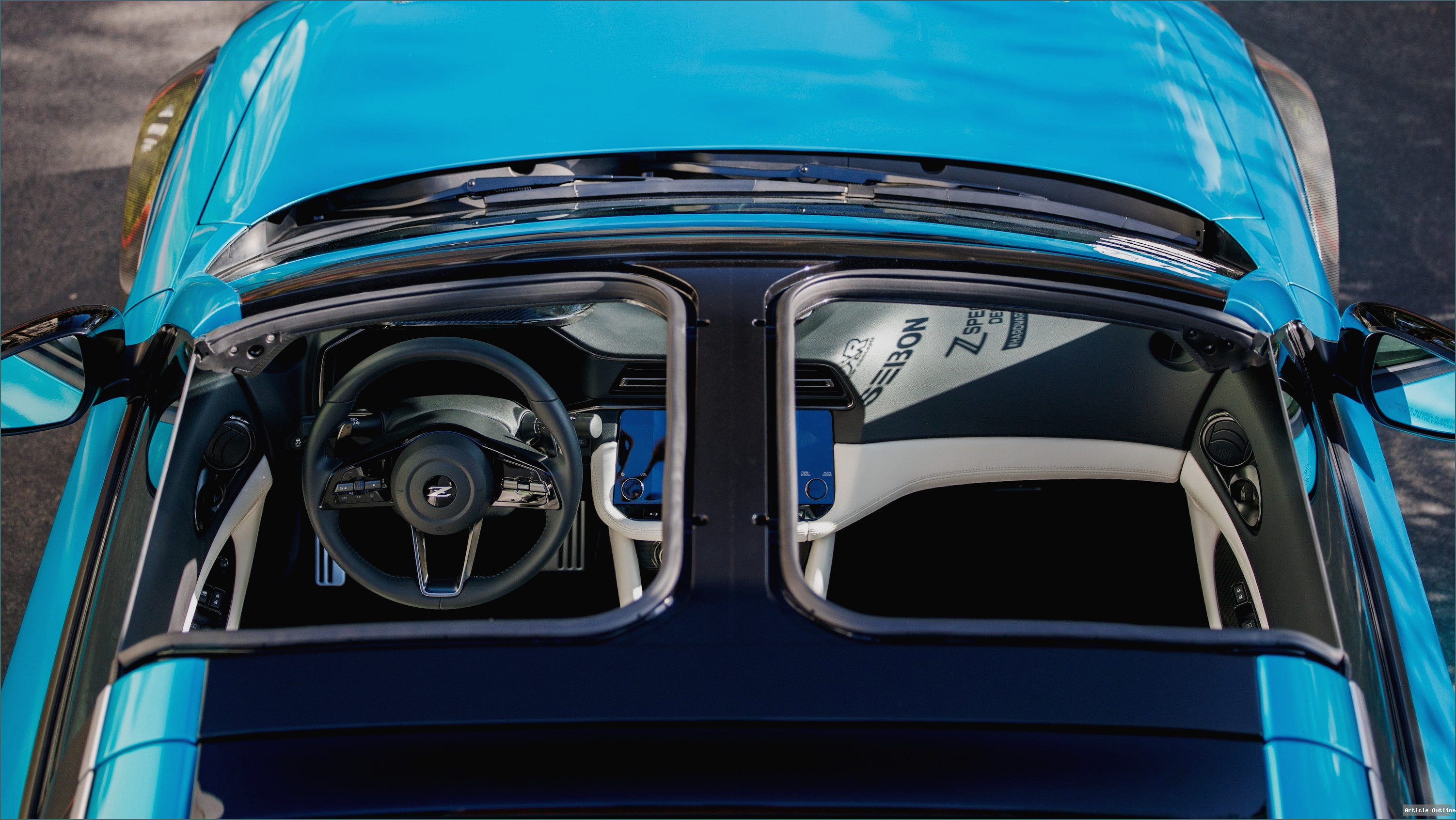
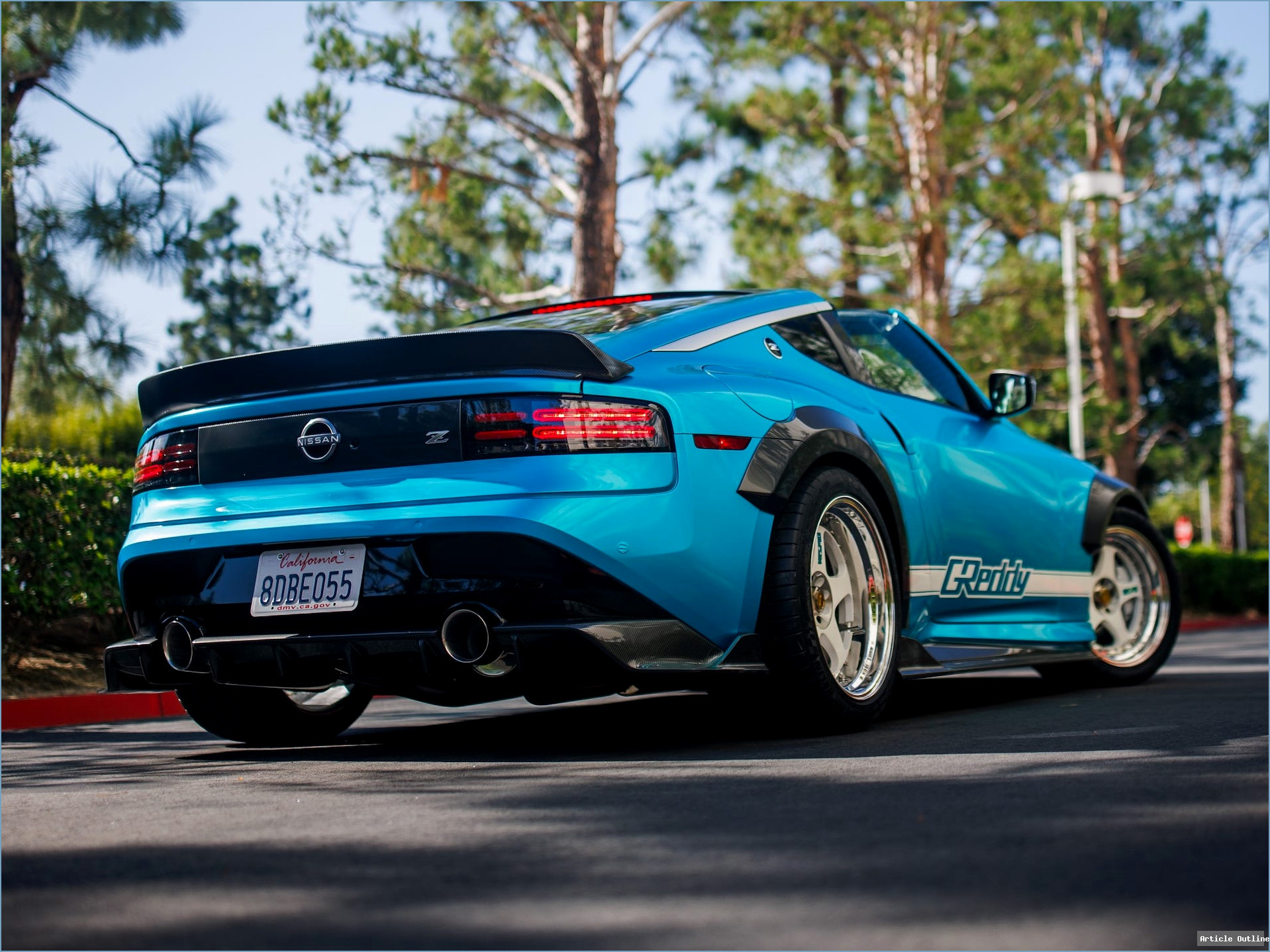
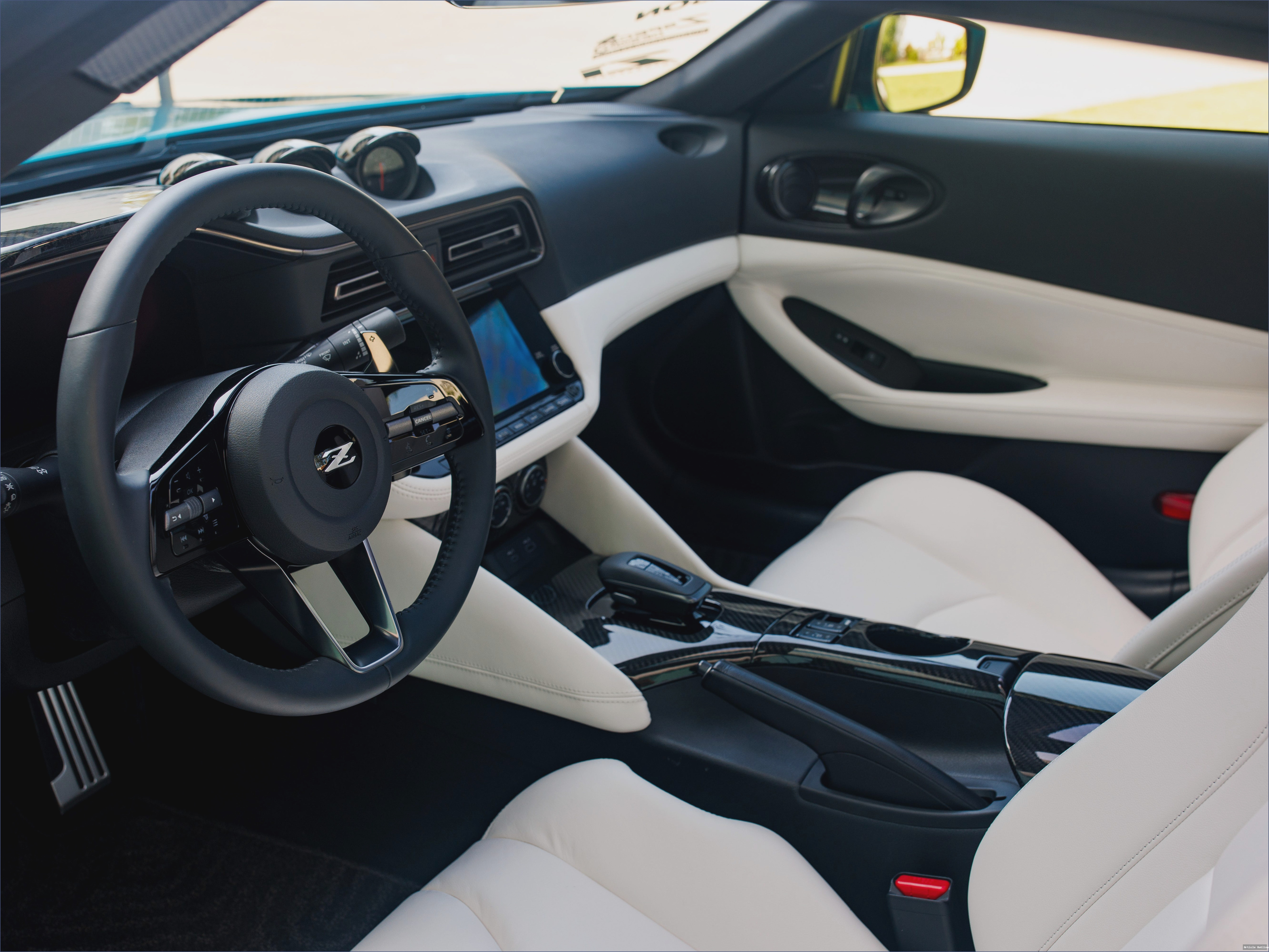
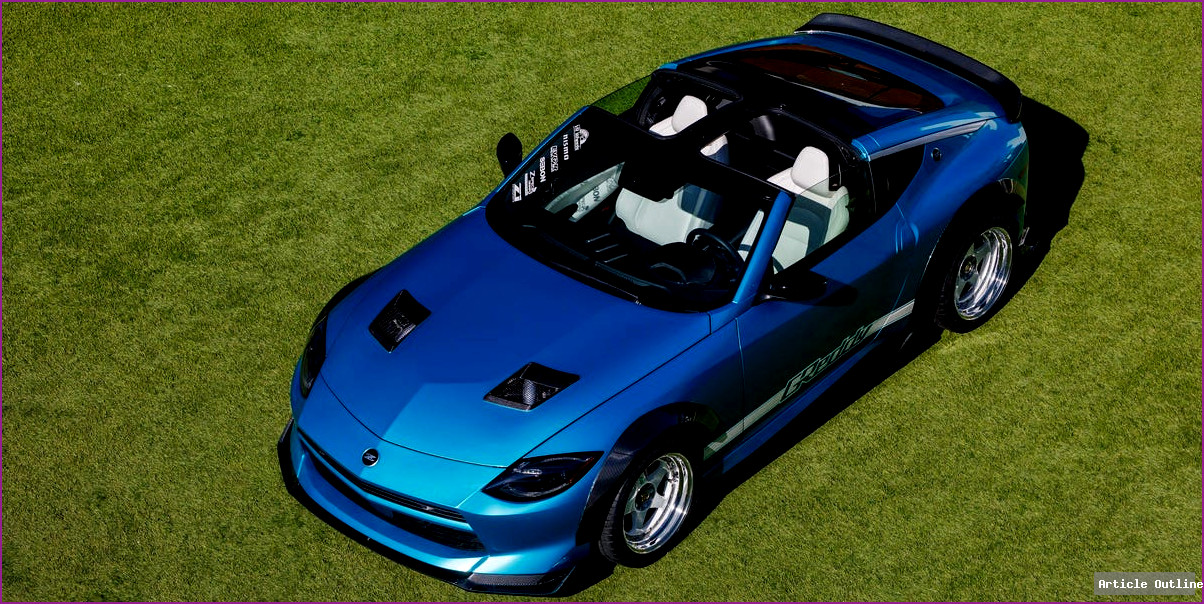
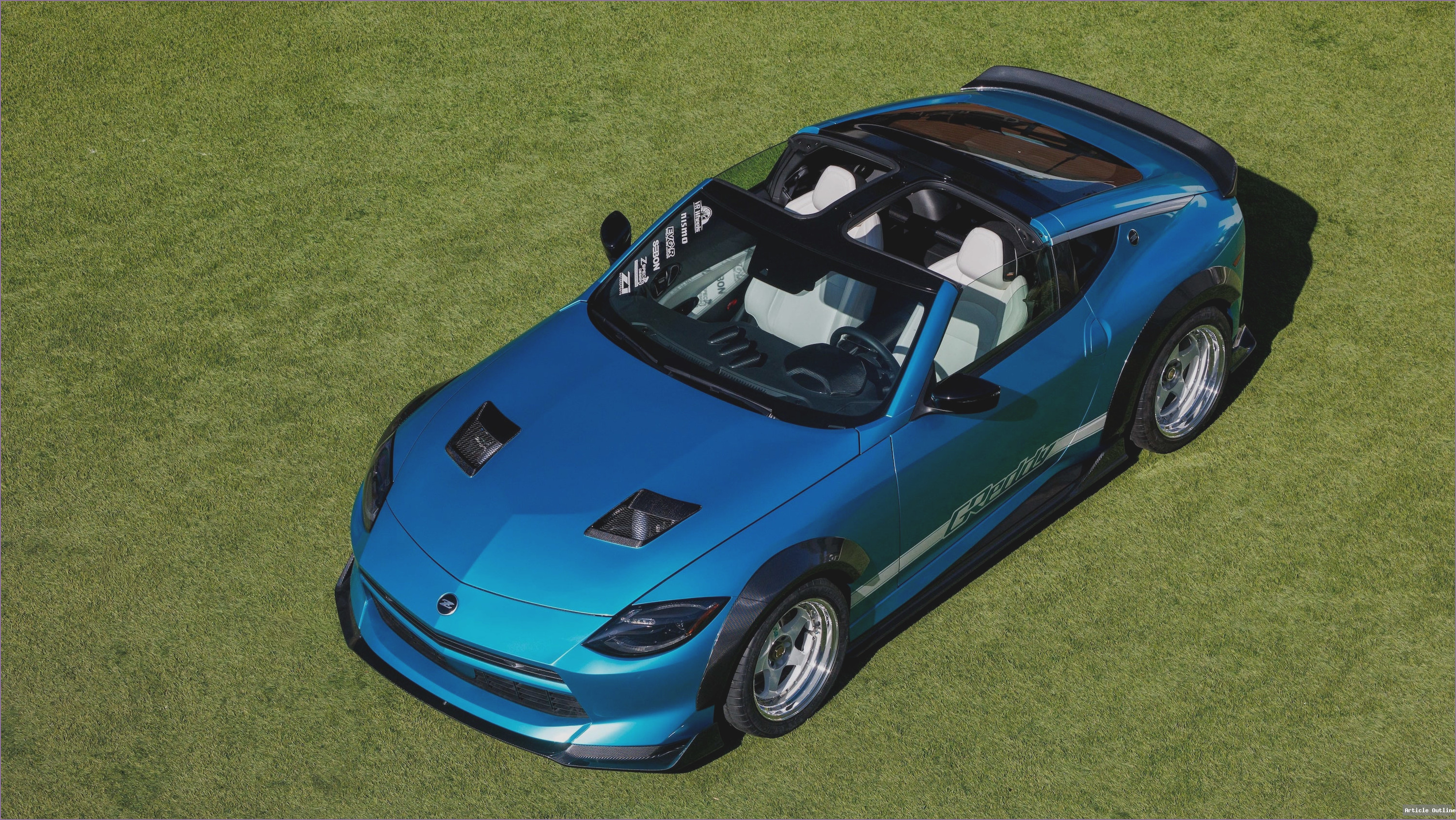
The Nissan Z Kaze concept is turning heads—and not just because of its striking Pacific Teal paint or retro T-top roof. This isn’t a simple throwback; it’s a bold statement about where car culture, and Nissan, are headed. Let’s break down why this matters, and why the Z Kaze could signal a bigger shift than most enthusiasts realize.
Why This Matters
- Resurgence of Driver-Centric Design: The T-top isn’t just an aesthetic nod. It’s a rare breed in today’s world of panoramic glass roofs and crossovers. The Z Kaze’s T-top reintroduces a tactile, analog driving experience many enthusiasts crave, but most automakers have abandoned.
- Engagement with the Enthusiast Community: Nissan’s willingness to float this concept at ZCON and hint at possible production if there’s enough fan support is a new kind of direct dialogue with its core audience. It’s not just about nostalgia—it’s about co-creation and community feedback shaping product strategy.
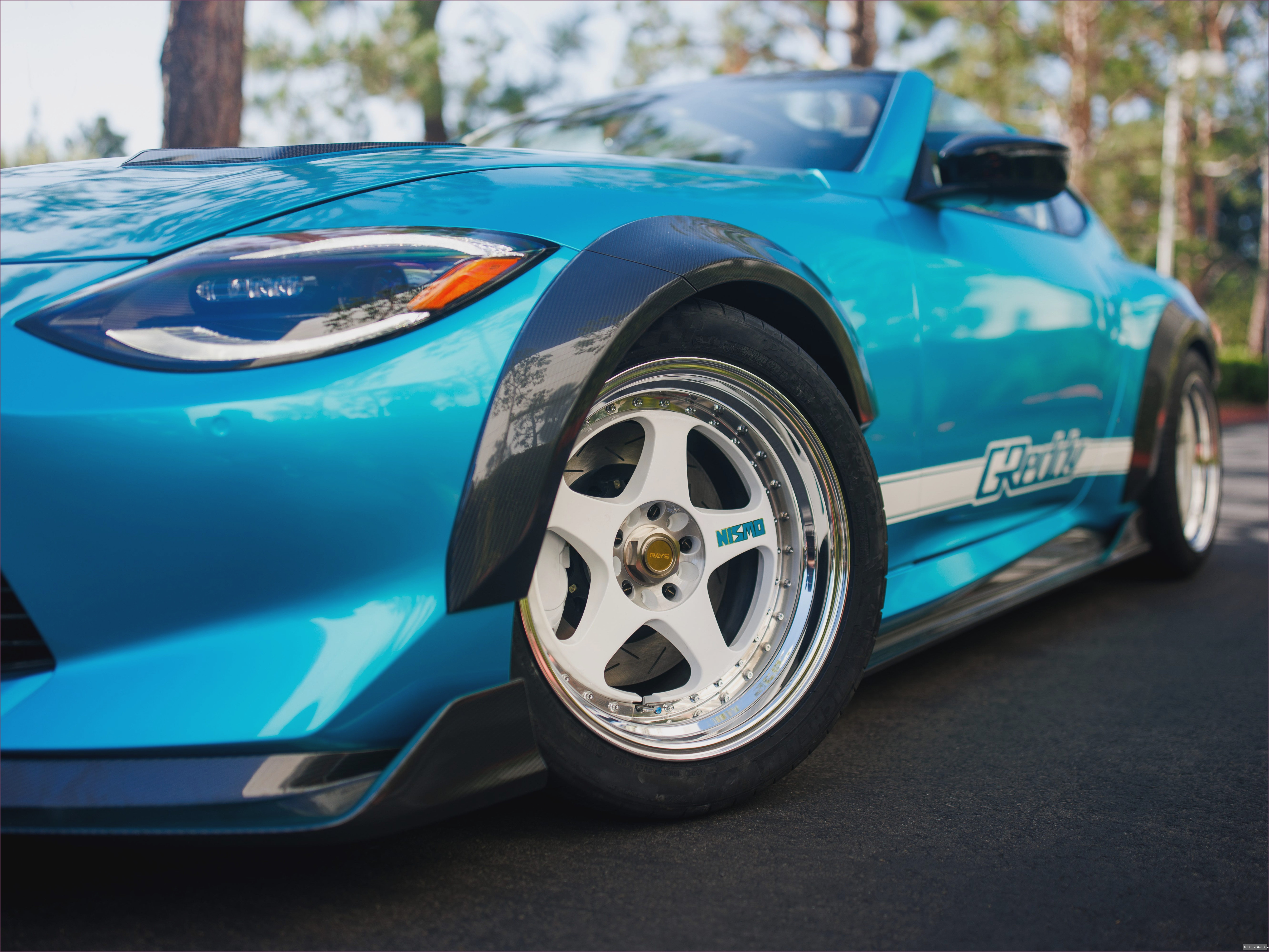
- A Showcase of Customization and Collaboration: The Z Kaze blends factory engineering with aftermarket energy. With NISMO-tuned suspension and GReddy engine components, it points to a future where OEMs work hand-in-hand with beloved tuning brands—a model other automakers could emulate.
What Most People Miss
- Carbon Fiber Overload—But For a Reason: Beyond looking cool, the carbon-fiber body kit, fender flares, and hood vents signal serious weight savings and performance focus. This isn’t just a show car—it’s a testbed for lightweighting and aerodynamics in attainable sports cars.
- Rare Wheels, Rare Opportunity: The NISMO LMGT2 wheels are legendary and out of production, yet Nissan sourced and restored a set. That suggests the brand is listening to collector culture and recognizes the value of authentic parts—an attitude shift from the usual “all new, all the time” approach.
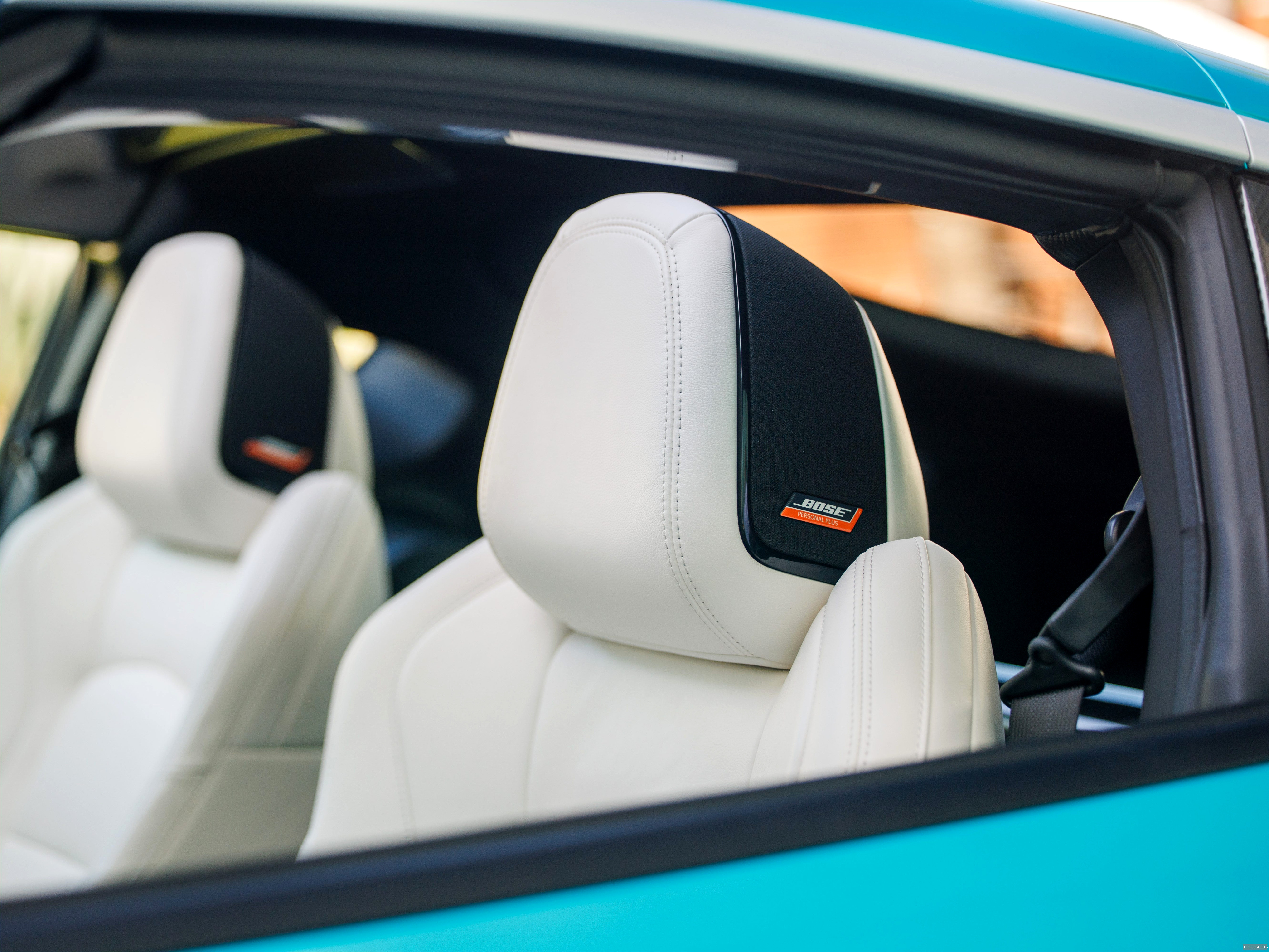
- Soundtrack for the Open Road: Bose speakers in the headrests? That’s a subtle, tech-forward touch aimed at making open-roof driving more immersive—showing Nissan’s attention to the total driving experience, not just specs.
Key Takeaways
- The Z Kaze isn’t just a nostalgia trip. It’s a modern performance car that harnesses the best of the past and the present.
- Fan influence is real: Nissan has signaled it could build this if the community is vocal enough.
- Collaborative innovation—NISMO, GReddy, and Nissan working in concert—could inspire other brands to tap into the aftermarket for future performance models.
Industry Context: T-Tops and the Modern Sports Car
- The T-top era: Once a staple of ’70s-’90s sports cars (think 280ZX, 300ZX, Pontiac Firebird), T-tops vanished due to safety, structural rigidity, and cost concerns.
- Why bring them back? With modern materials like carbon fiber and advanced chassis engineering, the old drawbacks are less of an issue—and the unique open-air feel is back in demand among enthusiasts who are tired of “samey” SUVs and EVs.
- Comparisons: While the C8 Corvette offers a removable targa, true T-tops are nearly extinct. Nissan could carve out a unique niche—one with broad appeal for Gen Xers and younger drivers looking for something different.
Timeline: How We Got Here
- 2023: New Nissan Z debuts with retro cues and strong enthusiast buzz.
- 2024: Nissan reveals Z Kaze concept at ZCON, featuring T-top, carbon fiber, and classic NISMO wheels.
- October 31, 2024: Z Kaze to appear at Japanese Classic Car Show, testing fan response for possible production.
The Bottom Line
The Nissan Z Kaze isn’t just a cool concept—it’s a signal that automakers are listening to car culture again. If fan voices are loud enough, you might just see T-tops—and the spirit of the analog sports car—roaring back into production. The message for enthusiasts? Speak up, show up, and you could help shape the next era of driving excitement.
Sources: