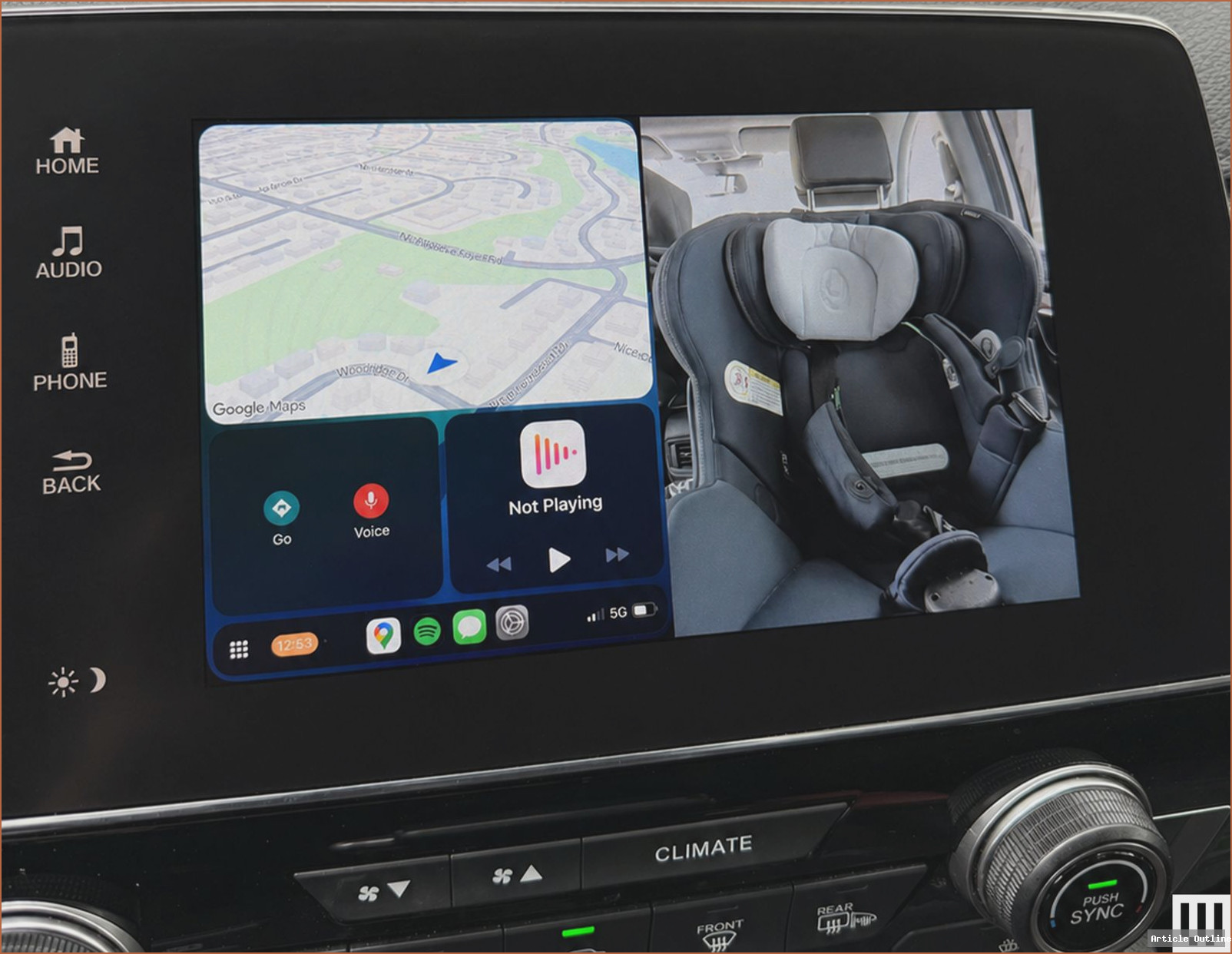
Keeping an eye on your baby in the back seat is a classic parenting challenge—one that usually leads to awkward mirror setups or distracted glances over your shoulder. The Ottocast Cabin Care wireless CarPlay adapter promises a smarter, safer solution: transforming your vehicle’s CarPlay screen into a live rear-facing camera feed, all with no extra cables or messy installations.
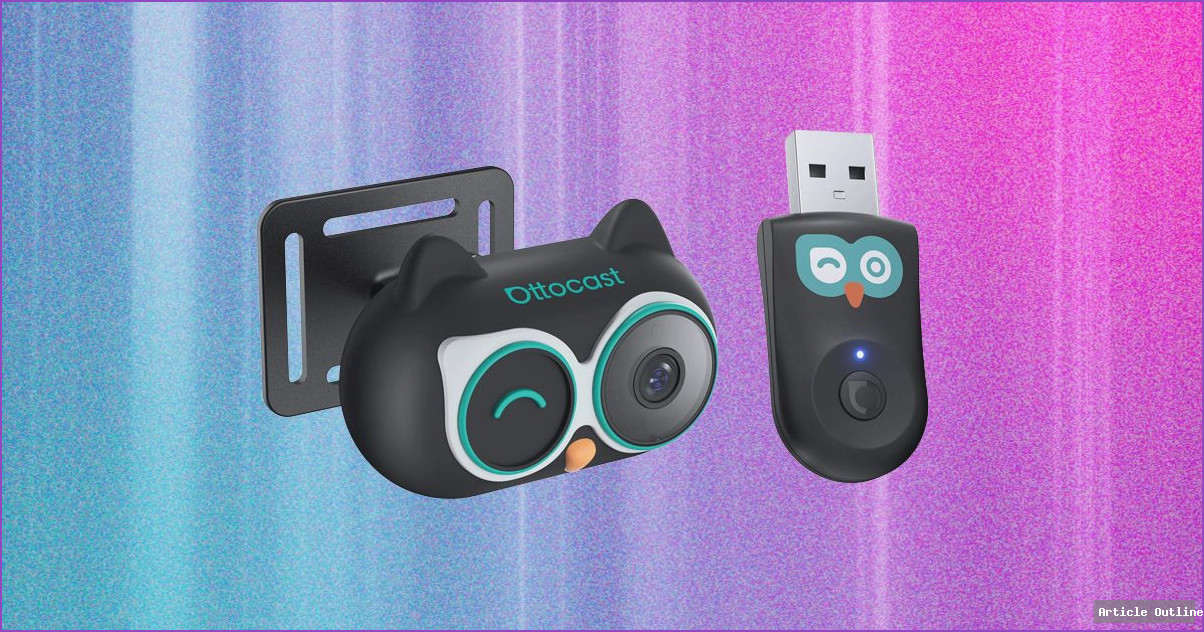
But does this innovative gadget truly deliver peace of mind, or just add another layer of tech to juggle while driving? Let’s dig into why this product is making waves—and what most reviews don’t tell you.
Why This Matters
- Enhanced Safety: Anything that lets you keep your eyes on the road and your hands on the wheel is a win. Real-time video of your child means less temptation to twist around or fumble with mirrors while driving.
- Clutter-Free Convenience: Wireless operation means fewer cables for curious toddlers to grab—an often overlooked, but crucial, safety improvement.
- Integration With CarPlay: By leveraging the screen you already use for navigation and music, Ottocast avoids dashboard overkill. This is a step in the direction of smarter, more unified car tech.
What Most People Miss
- User Interface Trade-offs: The split-screen mode is clever, but shrinking CarPlay controls can actually make driving more complicated, especially if you have bigger fingers or rely on tactile steering wheel controls.
- Overlay Annoyances: Ottocast’s icons can obscure essential CarPlay buttons (like skipping tracks or exiting maps). The overlays disappear, but their timing can be frustrating, especially if you’re in a hurry.
- Not a Perfect Replacement: If you’re expecting flawless integration, you might be disappointed. You sacrifice some steering wheel controls and, in full camera mode, lose direct access to CarPlay inputs.
Key Takeaways
- Ottocast Cabin Care is best seen as an upgrade, not a total solution. It’s fantastic for checking on your child without turning around, but interface quirks mean it’s not a hands-off experience.
- Split-screen mode is the sweet spot. You retain most CarPlay functions while glancing at the back seat—but be prepared for smaller touch targets.
- Wireless setup is a genuine game changer for families tired of cable spaghetti and toddler distractions.
Industry Context & Comparisons
- Traditional baby car mirrors can cost as little as $10, but offer no night vision, video recording, or remote viewing.
- Other wireless baby car monitors exist, but few integrate so seamlessly with existing car displays. Most require separate screens or smartphone apps.
- As more cars become “connected,” expect this kind of tech to become standard—like backup cameras did in the 2010s.
Pros and Cons Analysis
- Pros:
- Wireless, no extra cables
- Direct integration with CarPlay display
- Simple, intuitive camera feed for real-time monitoring
- Cons:
- CarPlay interface shrinks in split mode
- Overlay icons can block important controls
- Loss of some steering wheel and CarPlay input functionality
The Bottom Line
Ottocast Cabin Care brings a new level of tech to parental peace of mind, but it isn’t flawless. If you’re a parent craving a quick, wireless glimpse of your little one without wrestling with mirrors, it’s a compelling upgrade—just know you’re trading some interface convenience for that added safety. In the bigger picture, this is a glimpse into the future of family cars: fewer distractions, more seamless tech, and (hopefully) happier road trips for everyone.