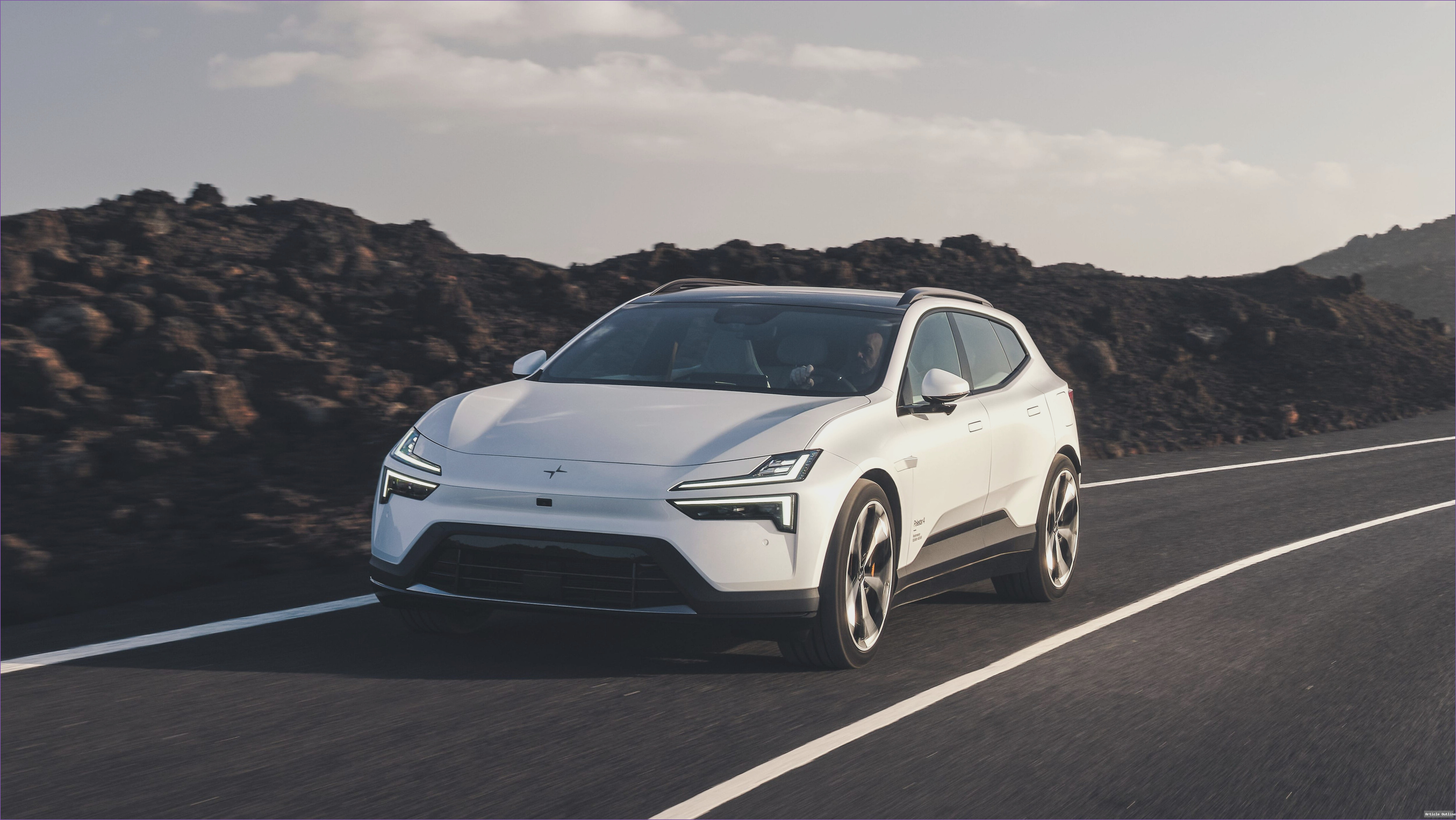
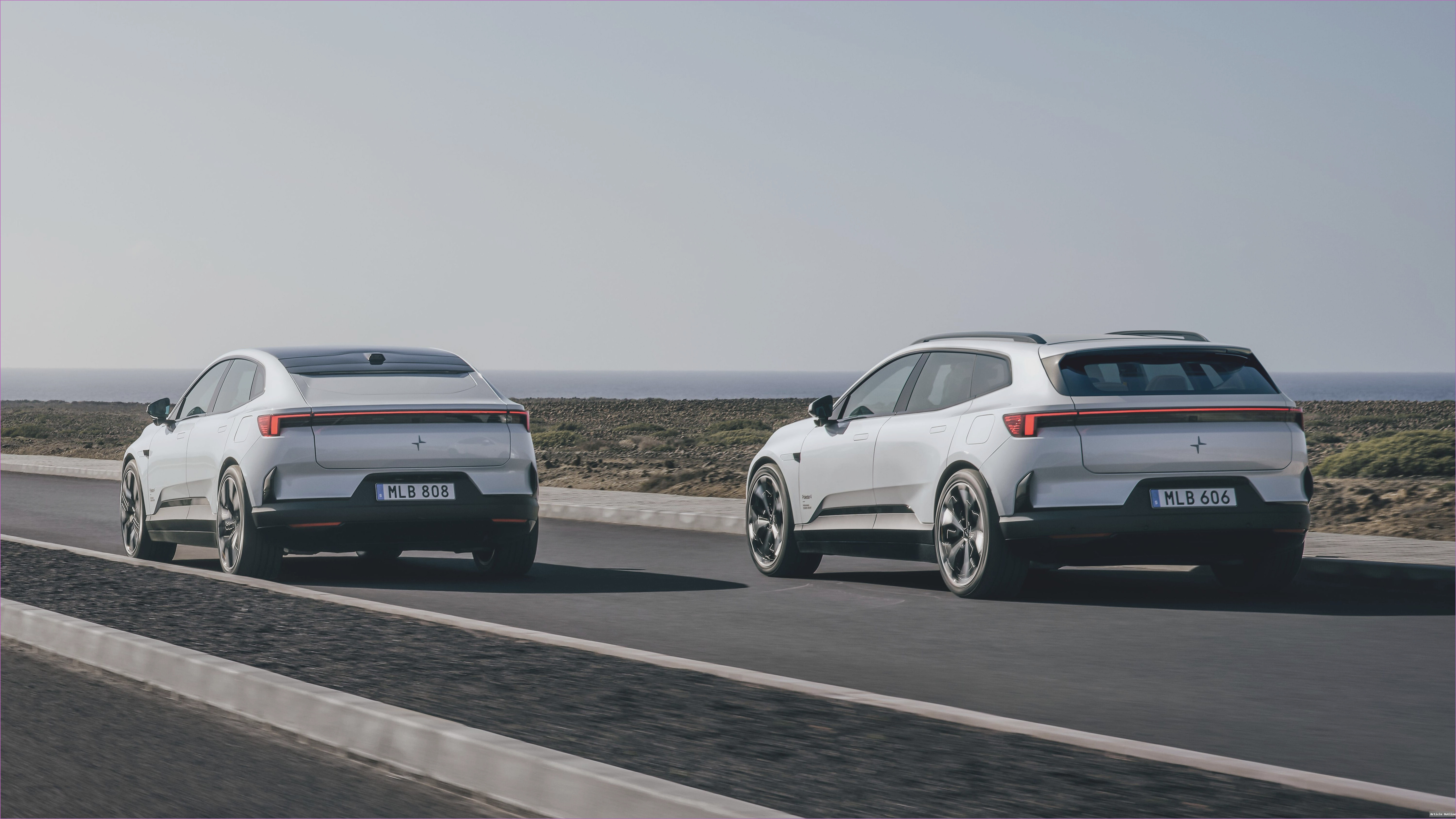
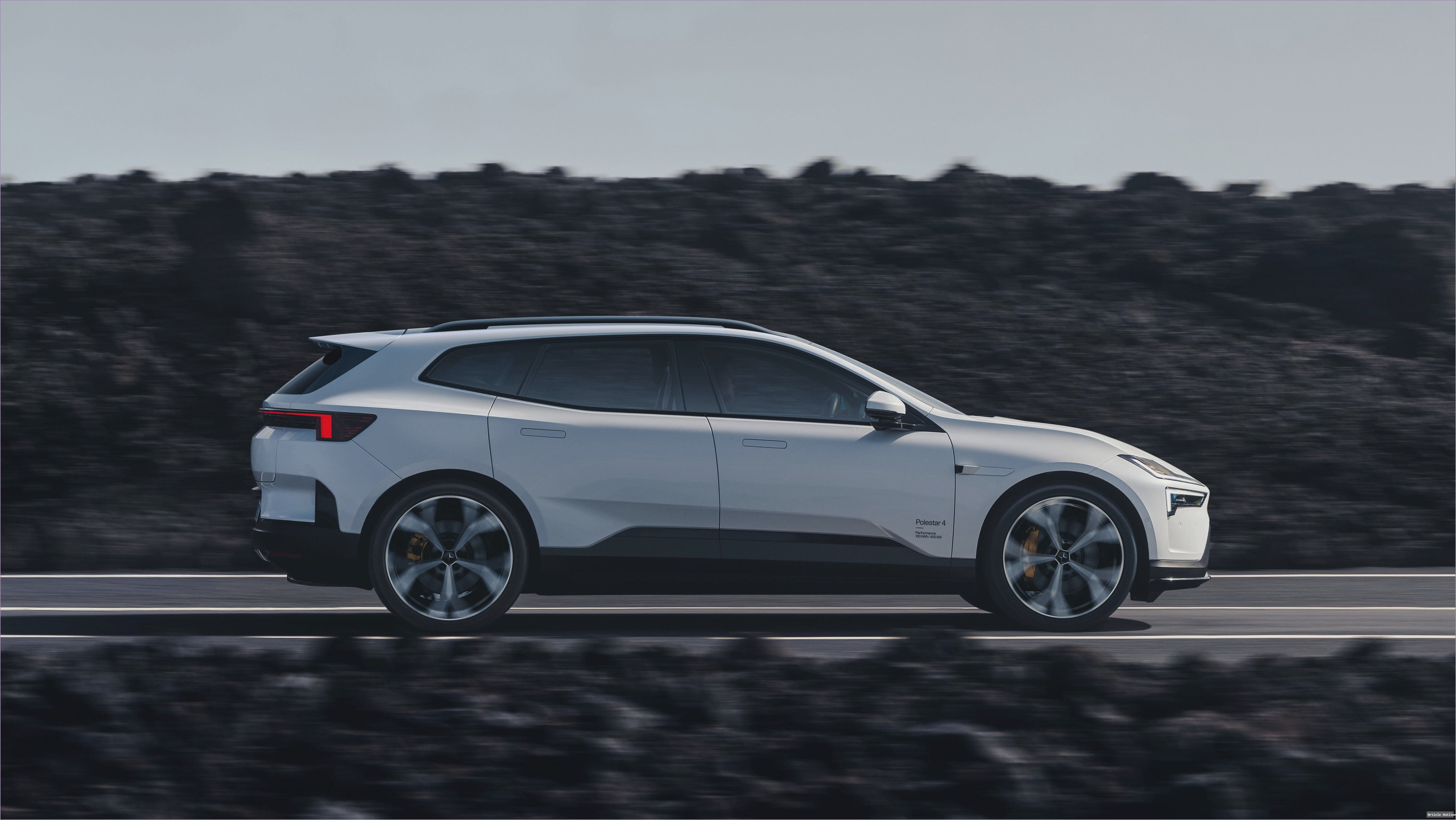
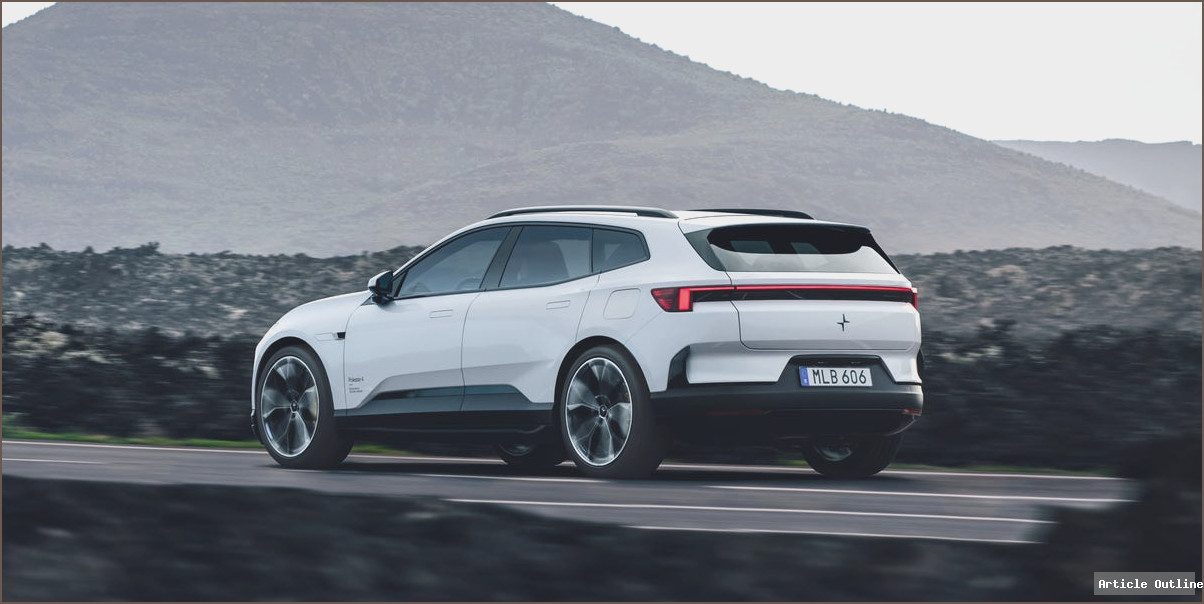
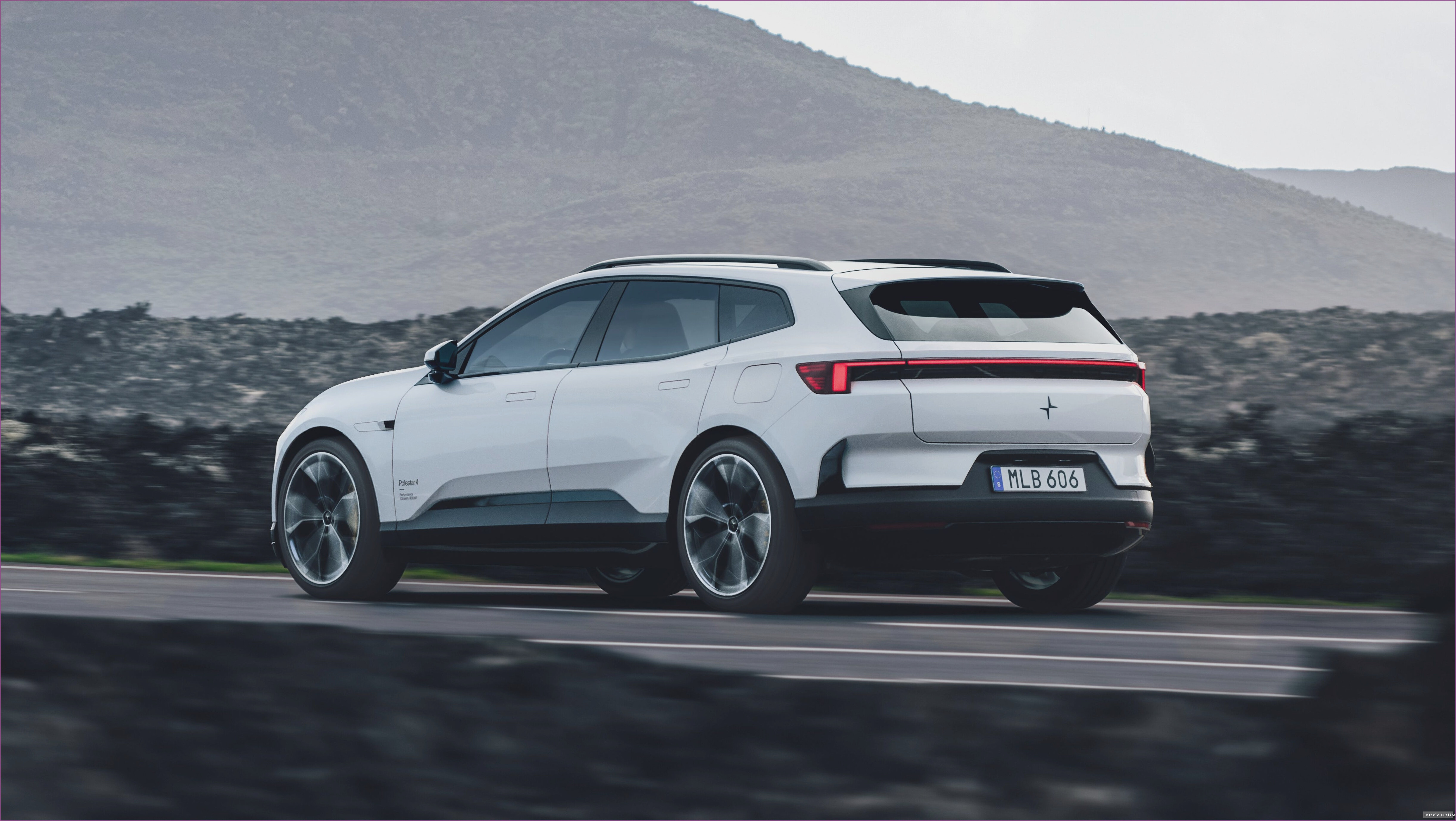
The world is about to get a new, practical electric station wagon—except Americans. The Polestar 4 SUV, which looks and functions more like a wagon than a traditional SUV, is launching globally but will skip the U.S. market. Why? A tangle of regulations targeting Chinese tech has forced Polestar to pull the plug stateside. Let’s dig into why this matters so much, and what most people are missing about this odd turn of events.
Why This Matters
- The Polestar 4 “SUV” is a rare breed: a modern, all-electric wagon with genuine practicality and luxury. In a market obsessed with SUVs and crossovers, actual wagons are unicorns, especially EVs.
- The U.S. ban is a direct result of the “Connect-Car Rule”—a government crackdown on cars using Chinese software and hardware. This isn’t just about Polestar. It signals a growing global split in how EVs and smart vehicles are regulated and sourced.
- For American EV shoppers, it’s a loss of choice and innovation at a time when the market desperately needs variety.
What Most People Miss
- It’s not just about politics or tech sourcing. This ban reveals a deeper vulnerability in the U.S. EV market: heavy reliance on non-U.S. supply chains and a slow pace in developing domestic alternatives.
- Polestar’s move to assemble the 4 SUV in South Korea was specifically designed to dance around tariff barriers, but still wasn’t enough to clear U.S. regulatory hurdles.
- This is a big blow for wagon lovers, but also a wake-up call for automakers: seamless global launches are no longer guaranteed in a fragmented regulatory world.
Key Takeaways
- Design Innovation: The Polestar 4 SUV’s extended roofline adds headroom and cargo space, making it one of the most practical EVs in its class (23 cubic feet with seats up, 59 with seats down).
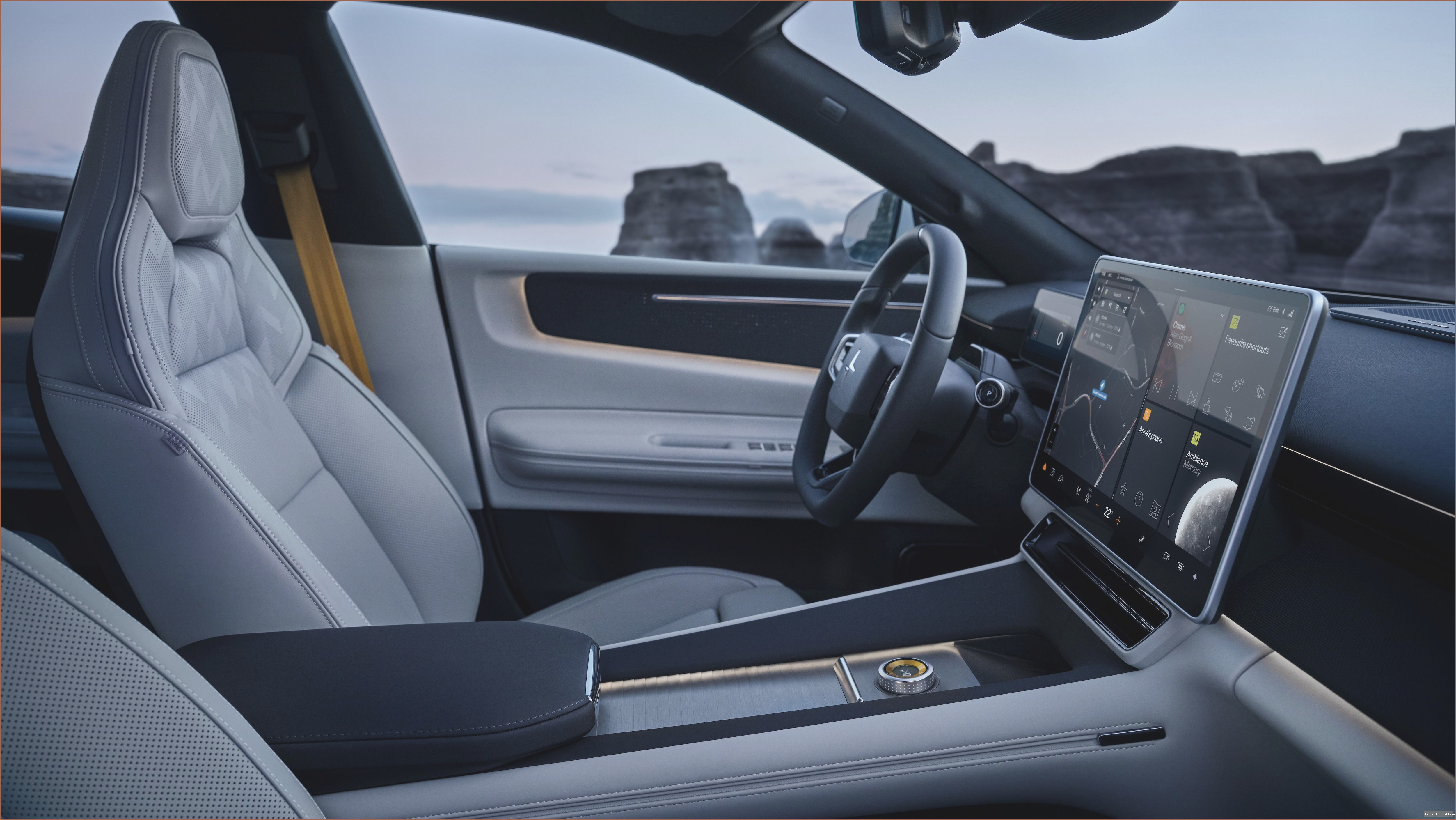
- Tech and Comfort: Features like panoramic electrochromic glass, sustainable materials, and a new Camping mode set it apart from most mainstream EVs—especially in the wagon/crossover segment.
- Range and Performance: Up to 391 miles (WLTP) in RWD trim, 536 hp available, and over 220 lbs roof load. These specs compete directly with Tesla Model Y, Ford Mustang Mach-E, and Hyundai Ioniq 5, but with a unique wagon spin.
- Regulatory Challenges: The Connect-Car Rule is already changing the EV landscape. Expect more models to be delayed, canceled, or redirected away from the U.S.
Electric Wagons: Why Don’t We Get More?
- Wagons have cult status in Europe and Asia, but U.S. buyers overwhelmingly prefer SUVs and crossovers. Still, there’s a strong (if niche) demand for wagons, especially as electrification makes them more practical and fun.
- Sustainability is a core Polestar value. Interior options include recycled plastics and ethically sourced nappa leather—showing how EV makers are pushing green credentials beyond just the powertrain.
- Comparisons: The Polestar 4 SUV sits somewhere between a Tesla Model Y (for space and tech), a Volvo V60 Recharge (for luxury wagon cred), and the Hyundai Ioniq 5 (for design-forward electrification). Yet, it’s arguably more versatile than all three.
Timeline: How Did We Get Here?
- 2023: Polestar 4 fastback debuts with radical no-rear-window design.
- 2024: Polestar reveals the 4 SUV—a more practical wagon variant.
- 2026: Polestar officially exits the U.S. market due to new regulatory barriers.
Pros and Cons Analysis
- Pros:
- Real-world utility: roomier cargo and cabin than most EVs.
- Innovative glass features and camping mode.
- Strong sustainability focus.
- Competitive range and performance.
- Cons:
- Not available in the U.S.—the biggest con for American fans.
- WLTP range numbers are optimistic; EPA figures would be lower.
- Brand recognition remains a challenge outside Europe and China.
The Bottom Line
The Polestar 4 SUV is more than a forbidden fruit—it’s a warning sign. As global regulation and geopolitics get messier, Americans risk missing out on some of the most innovative, practical, and sustainable vehicles. The EV market is growing up fast, but if policies don’t keep pace, it may leave U.S. drivers behind—stuck with fewer choices and less innovation.
Sources: