If you think luxury sports cars are immune to safety missteps, Porsche’s latest recall will make you think again. The German automaker just expanded its already massive ‘Do Not Drive’ recall to cover over 500 more vehicles—including some of its most coveted 2024 911 and 718 models—due to potentially catastrophic wheel failures. That’s on top of a previous recall for over 2,000 vehicles. Let’s break down why this matters for Porsche enthusiasts, sports car safety, and the broader auto industry.
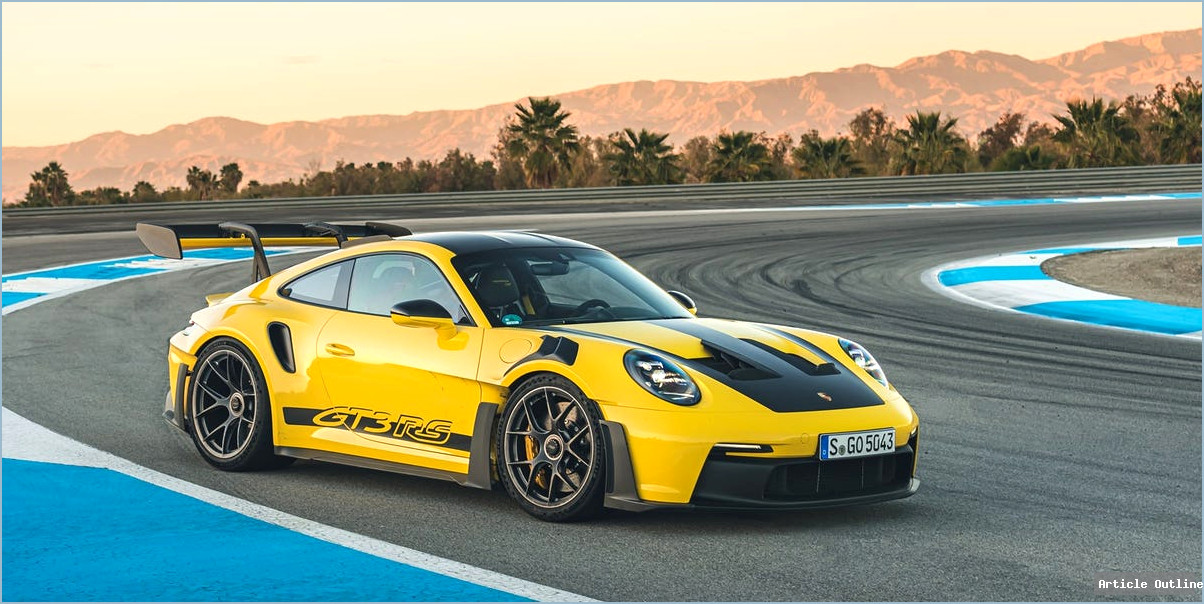
Losing a wheel at triple-digit speeds isn’t just a nightmare—it’s a real risk for owners of these high-performance machines. This isn’t a cosmetic issue; it’s a fundamental threat to driver safety and the reputation of one of the world’s most respected brands.
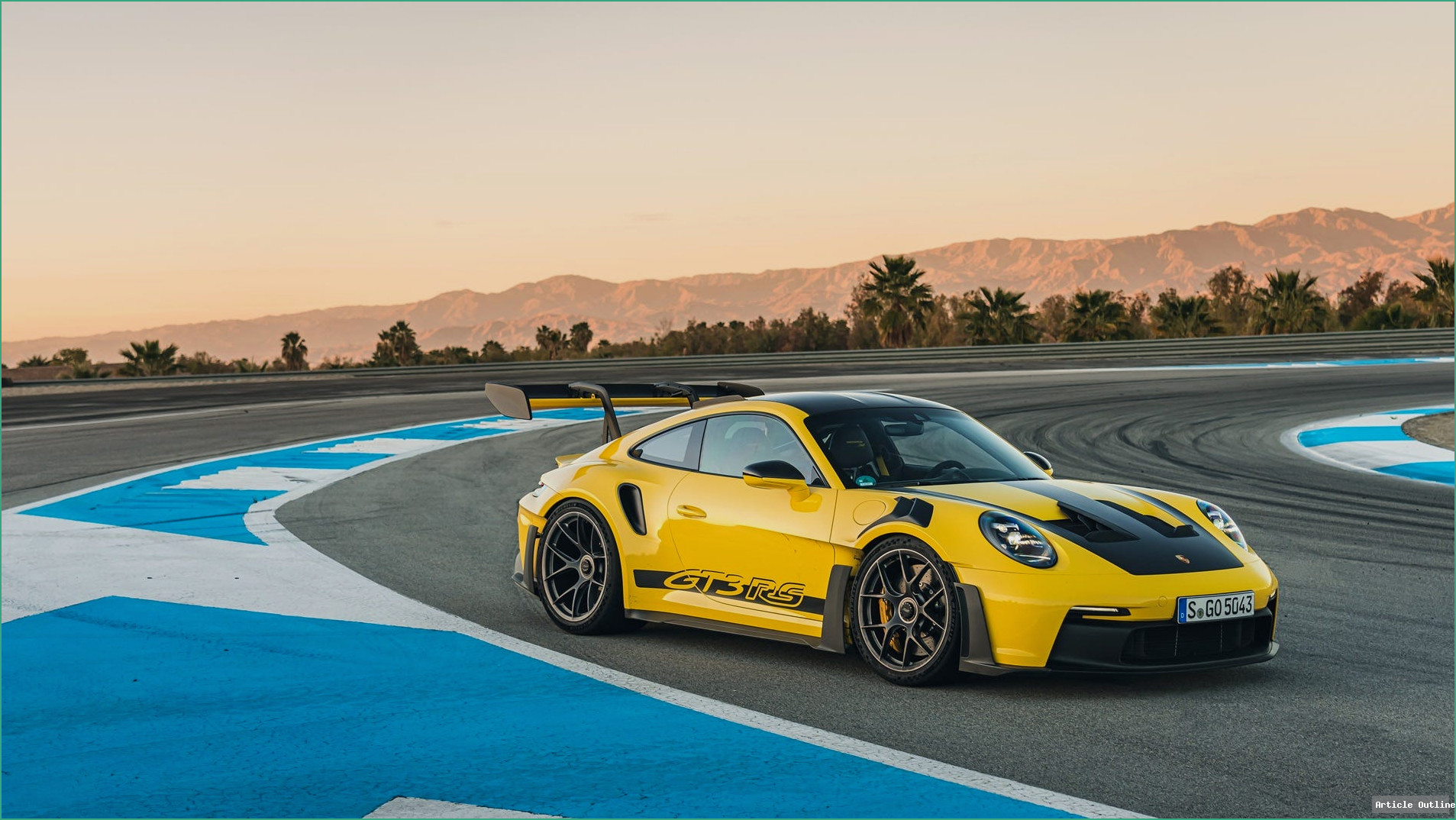
Why This Matters
- Safety at the Highest Level: Center-lock wheels are typically reserved for Porsche’s fastest, grippiest models—think GT3, Turbo S, and Cayman GT4 RS. These cars are engineered for track days and autobahn sprints, where mechanical reliability is non-negotiable.
- Brand Trust on the Line: Porsche’s reputation is built on engineering excellence. A recall of this scale—especially one involving the possibility of wheels falling off—can shake consumer confidence, even among diehard fans.
- Wider Industry Impact: This isn’t just a Porsche problem. It highlights how even the most advanced automakers can trip up due to supply chain complexity and quality control challenges, particularly with specialized components.
What Most People Miss
- The recall expansion wasn’t triggered by a surge in accidents, but by two additional reports of fractured center-lock parts. This demonstrates Porsche’s proactive monitoring—but also hints at how narrowly recalls can miss affected cars if detection methods aren’t exhaustive.
- This is not a commonplace recall. The ‘Do Not Drive’ order signals an imminent and severe risk—much more drastic than a typical safety campaign (think airbag or seatbelt recalls).
- The defect traces back to out-of-specification material batches missed by the original screening process. This underscores how a single weak link in the supply chain can threaten even flagship products.
Timeline of the Recall
- October 2024: Initial recall for 2,251 2024 model year 911 and 718 variants after reports of wheel component fractures.
- May & August 2024: Two more incidents prompt further investigation.
- October 20, 2024: Porsche expands the recall to include 548 more vehicles and repeats the ‘Do Not Drive’ warning.
Key Takeaways
- High performance means high stakes. When cars are pushed to their limits, every component must be bulletproof—or risk disaster.
- Supply chain scrutiny is critical. Even with rigorous quality controls, rare defects can slip through, especially in specialized parts.
- Porsche’s swift action (contacting owners via phone, email, and app) is a case study in crisis management—but the damage to brand perception will linger.
- If you own a 2024 Porsche 911 or 718, check your VIN on the NHTSA recall site and park your car until inspected. The risk isn’t worth it.
Pros and Cons Analysis
- Pro: Porsche’s recall response has been transparent and proactive, potentially saving lives.
- Con: The defect’s presence in Porsche’s most elite models could erode customer trust and impact future sales.
The Bottom Line
Performance cars demand more than just speed; they require uncompromising reliability. Porsche’s recall is a wake-up call not just for its own engineers, but for the whole industry. As vehicles become more advanced—and supply chains more complex—these ‘one-in-a-thousand’ failures can have outsize consequences. For now, the best action is vigilance: owners, check your VIN. The rest of us? Let’s hope other automakers are taking notes.