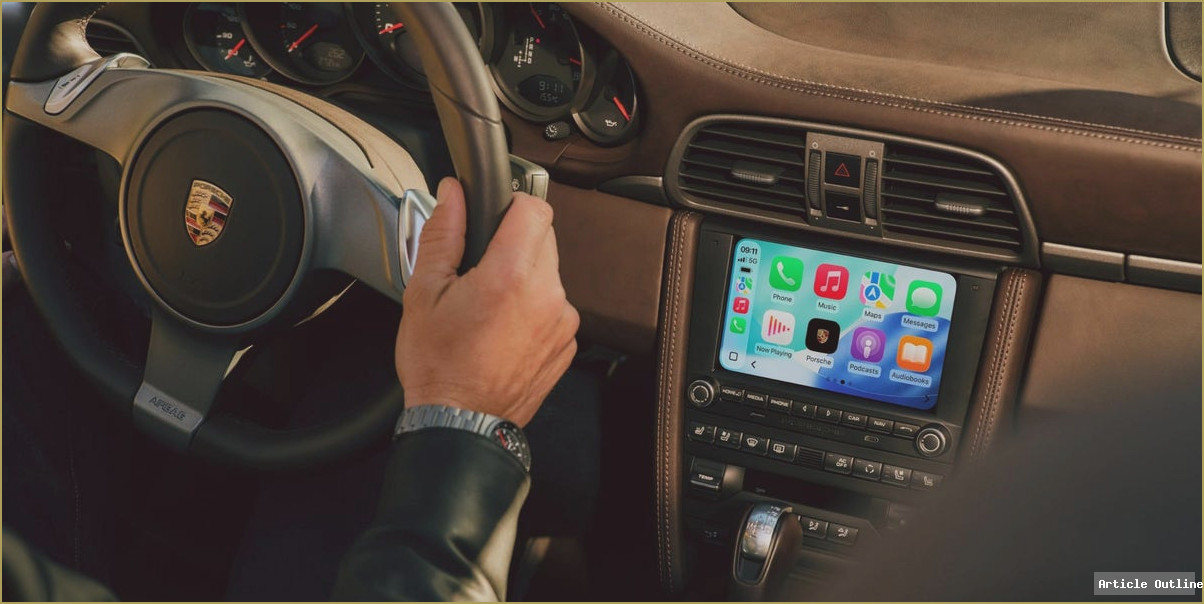
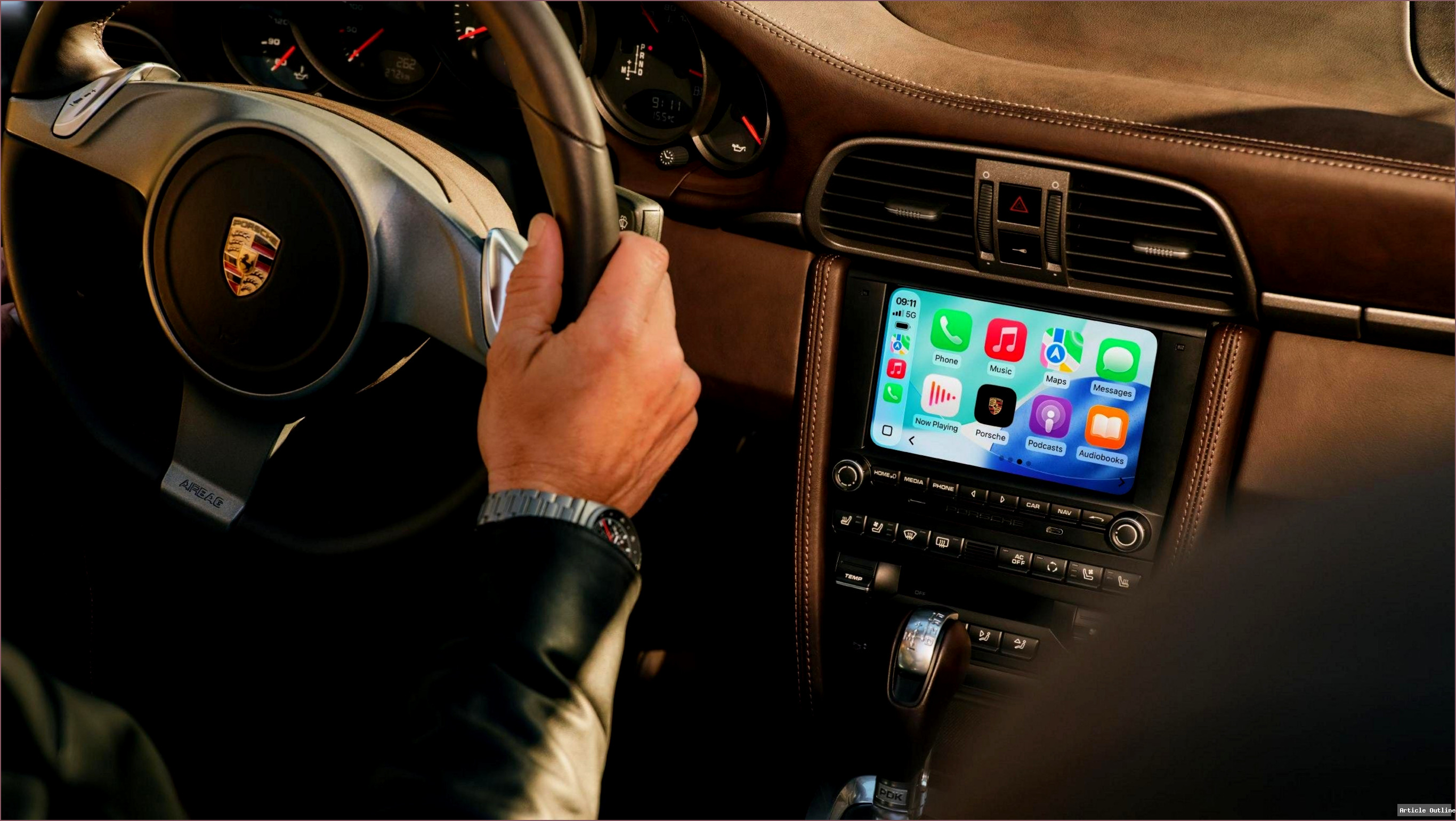
The tech gap between modern cars and early-2000s classics is shrinking—at least if you drive a Porsche. The recent announcement that Porsche will offer a factory retrofit infotainment system for 2009–2016 911, Cayman, and Boxster models is big news for owners and enthusiasts alike. But the real story goes far beyond simply adding CarPlay or Android Auto.
Let’s break down what makes this upgrade a pivotal move in the world of automotive tech, classic car value, and brand loyalty.
Why This Matters
- Bridges the tech gap: With smartphone integration now non-negotiable for most drivers, this retrofit keeps “future classic” Porsches relevant for daily use and long road trips.
- Preserves originality: Factory fit and finish means no hacked-up dashboards or awkward third-party installs. Resale value is maintained—or even increased.
- Signals a trend: Porsche’s move could pressure other premium brands to support their legacy models with OEM tech upgrades, not just mechanical parts.
What Most People Miss
- This isn’t just about CarPlay: The PCCM Plus system integrates vehicle data (oil temp, speed limits), navigation with scenic route options, and parking assistance visuals. It’s a full digital overhaul, not just a screen swap.
- Customization and seamless integration: Owners can match screen themes to their car’s exterior—addressing a common complaint about aftermarket units clashing with interior aesthetics.
- Future-proofing the brand: By supporting models over a decade old, Porsche builds brand loyalty and keeps secondary market values high. This is rare in an industry that often forgets yesterday’s models.
Key Takeaways
- Porsche’s PCCM Plus brings modern connectivity to 2009–2016 models via a 7-inch touchscreen—dealer-installed for perfect fit.
- Features extend beyond CarPlay/Android Auto to include advanced navigation, vehicle diagnostics, and parking assist integration.
- Expected price will rival earlier versions (around $1,500+), but delivers OEM quality and preserves collector value.
Industry Context and Comparisons
- Most automakers leave infotainment upgrades to the aftermarket once a car’s out of production; Porsche stands out by offering direct-from-factory solutions for models as old as the 1960s.
- The retrofit trend is accelerating: Mercedes-Benz and BMW have dabbled in software upgrades, but rarely with hardware and fitment as seamless as Porsche’s PCCM Plus.
- Classic car values often rise when factory tech upgrades are available—expect to see early-2010s Porsches hold strong in the used market.
Timeline: Evolution of the PCCM System
- 2015: PCCM debuts for 1960s–90s 911, 924, 944, and 928.
- 2020: Support expands to 996 and Boxster 986 models.
- 2027 (Projected): PCCM Plus for 2009–2016 911, Cayman, Boxster—first time the 21st-century “future classics” are included.
Pros & Cons Analysis
- Pros:
- Factory fit, finish, and warranty
- Retains car’s value and originality
- Modernizes daily usability—navigation, streaming, hands-free calls
- Cons:
- Pricey compared to DIY touchscreen solutions
- Dealer install required (no DIY for the brave)
- Unknowns about feature set until 2027 release
The Bottom Line
Porsche isn’t just keeping up—they’re setting a new standard for how luxury automakers should support their enthusiast community and legacy models. If you own—or are considering acquiring—an early-2010s 911, Cayman, or Boxster, this retrofit is a game changer. It’s not just about convenience; it’s about preserving the soul and value of an icon, while equipping it for the roads (and playlists) of tomorrow.