Gone are the days when a dead battery meant flagging down a stranger or waiting hours for roadside assistance. The latest generation of portable jump starters promises freedom from battery-related headaches. But do you really know what makes one model better than another—or what could leave you stranded despite all the hype?
Let’s dig deeper into what most people overlook in the portable jump starter race, and why your choice of device could mean the difference between a quick rescue and an unexpected fail.
Why This Matters
- Portable jump starters have democratized roadside rescue—no more relying on strangers or expensive tow services.
- Modern lithium-ion technology has made these devices compact, affordable, and multi-functional (think phone and laptop charging on the go).
- But… Not all jump starters are created equal. Safety features, cold weather performance, and real-world cranking ability vary wildly.
What Most People Miss
- Amp ratings are almost meaningless. The big numbers on the box? Often marketing fluff. What matters more is actual battery capacity (watt-hours) and smart power management.
- Temperature matters—a lot. Lithium-ion batteries lose up to 90% of their capacity in freezing conditions. If you leave your jump starter in your trunk during a Midwest winter, you might as well carry a brick.
- Safety protocols are not universal. Only the best models protect you from spark risks, reversed polarity, and overheating.
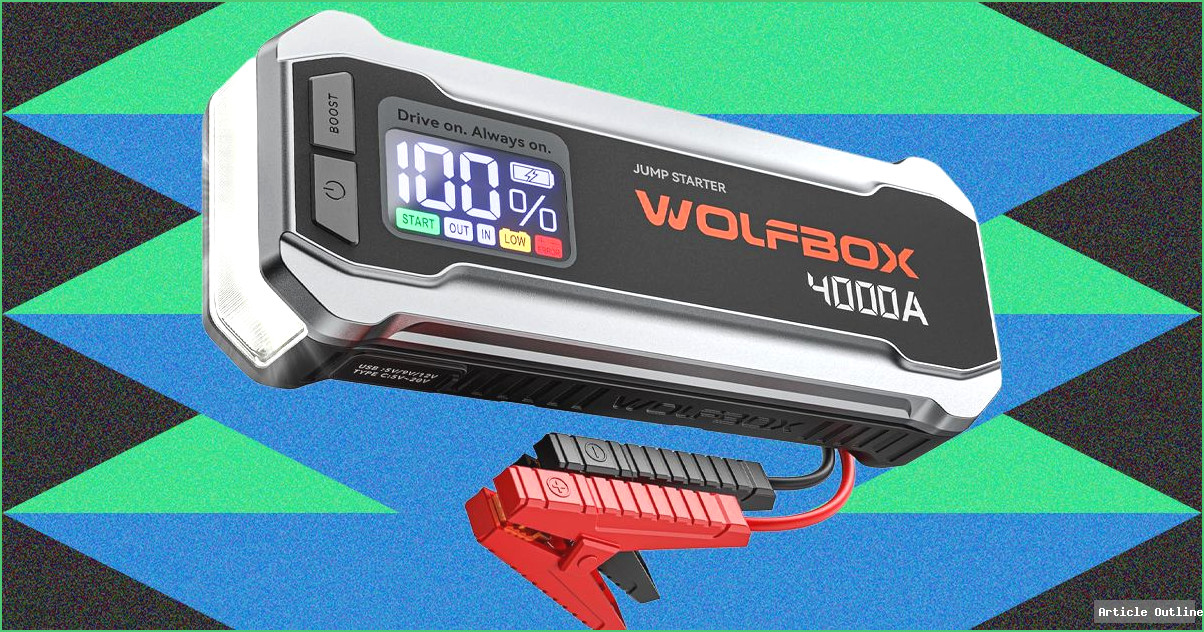
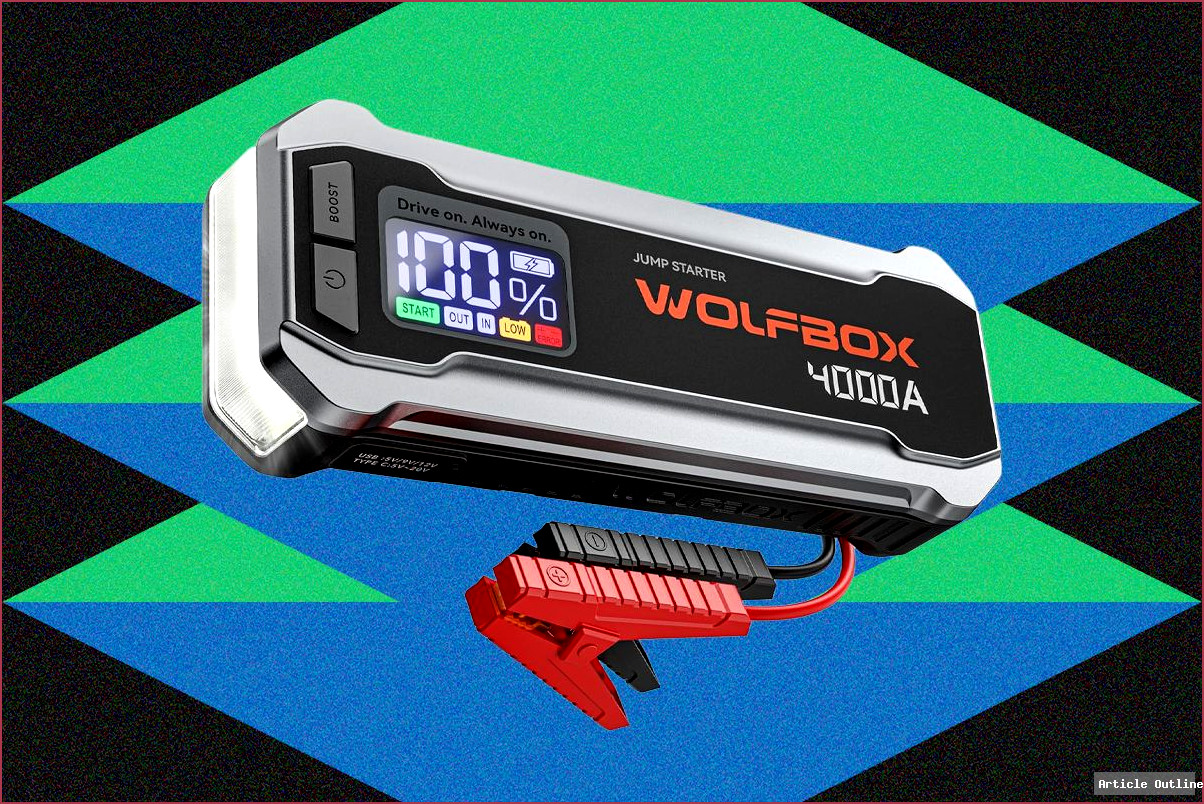
- Some top-rated models, like the Wolfbox 4,000-amp, can jump a dead six-cylinder Land Cruiser 15 times on a single charge. Others struggle after just a few attempts.
Key Takeaways (With Expert Analysis)
- Capacity trumps advertised amps: Look for devices with higher watt-hour ratings for more jump starts and better reliability in tough conditions.
- Safety first: Prioritize models with spark-proof, reverse-polarity protection, and automatic shutoff to avoid damaging your car or yourself.
- LED placement is a real-world concern. In the dark, a well-placed lamp can be the difference between a quick start and a frustrating struggle.
- Recharge cycles matter—some devices, like the Gooloo A3, run out of juice after just 3 attempts on a V-6, while others keep going strong.
- If you live in extreme climates, consider models with self-warming features or store your jump starter indoors and only bring it along on trips.
Portable Jump Starter Showdown: Pros & Cons
- Wolfbox 4,000-amp: Best for power and repeatability (up to 15 starts on a Land Cruiser). Fast charging, robust clamps, solid safety. Downside? Slightly awkward power port placement and not for deep freeze storage.
- NOCO Boost X (1250A): Super compact, easy to carry, great for up to 5 starts. But limited capacity and smaller clamps may not fit all batteries.
- Battery Tender 2,000-amp: Excellent as a battery maintainer and jump starter, unmatched safety, but it’s bulky and won’t jump a battery under 2 volts. No LED lamp.
- Gooloo 6000-amp: High capacity but lamp placement is impractical, and price is on par with Wolfbox, which outperformed it in tests.
Timeline: The Evolution of Portable Jump Starters
- Pre-2010s: Lead-acid jump starters—effective but heavy and expensive.
- 2010s: Lithium-ion revolution—smaller, lighter, cheaper devices hit the market.
- 2020s: Proliferation of multi-function jump starters with USB-C charging, digital displays, and improved safety.
- Future: Battery-free supercapacitor jump starters and self-warming models for cold climates are on the horizon.
Action Steps for Car Owners
- Don’t buy on amp rating alone. Research real-world test results, especially for your climate.
- Store your jump starter at room temperature when possible for maximum longevity.
- Check for safety certifications and read user reviews about reliability and ease of use.
- Consider a model with phone/laptop charging if you’re frequently off the grid.
“The amp ratings on jump starters are a bit like SPF for sunblock. Grain of salt, here… In practice, your car will only draw as much current as it needs.”
The Bottom Line
Portable jump starters are a modern essential—no question. But savvy buyers should look past flashy specs and focus on battery capacity, safety features, cold-weather performance, and ease of use. The right jump starter isn’t just a gadget—it’s peace of mind, wherever the road takes you.