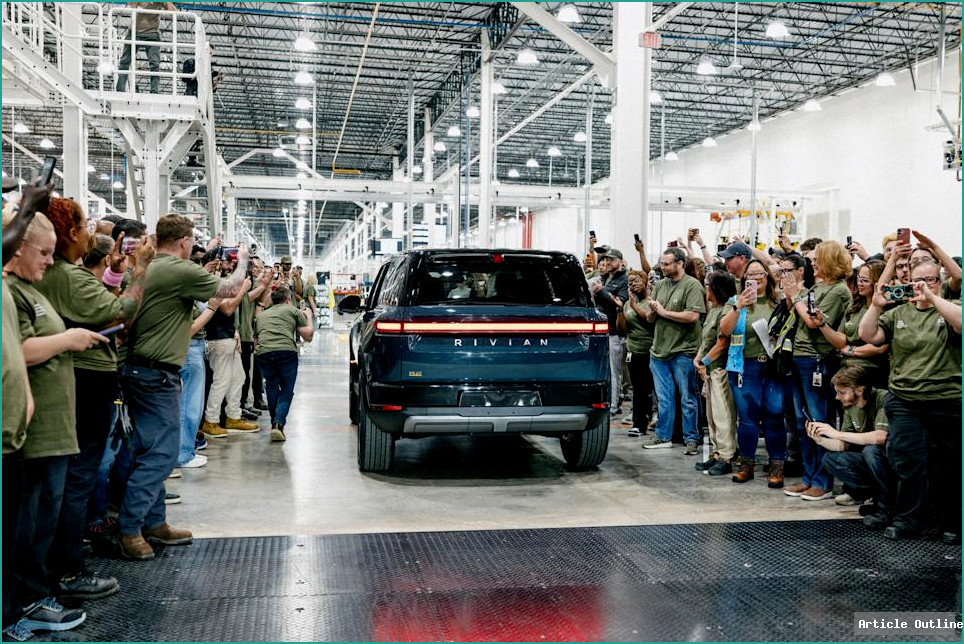
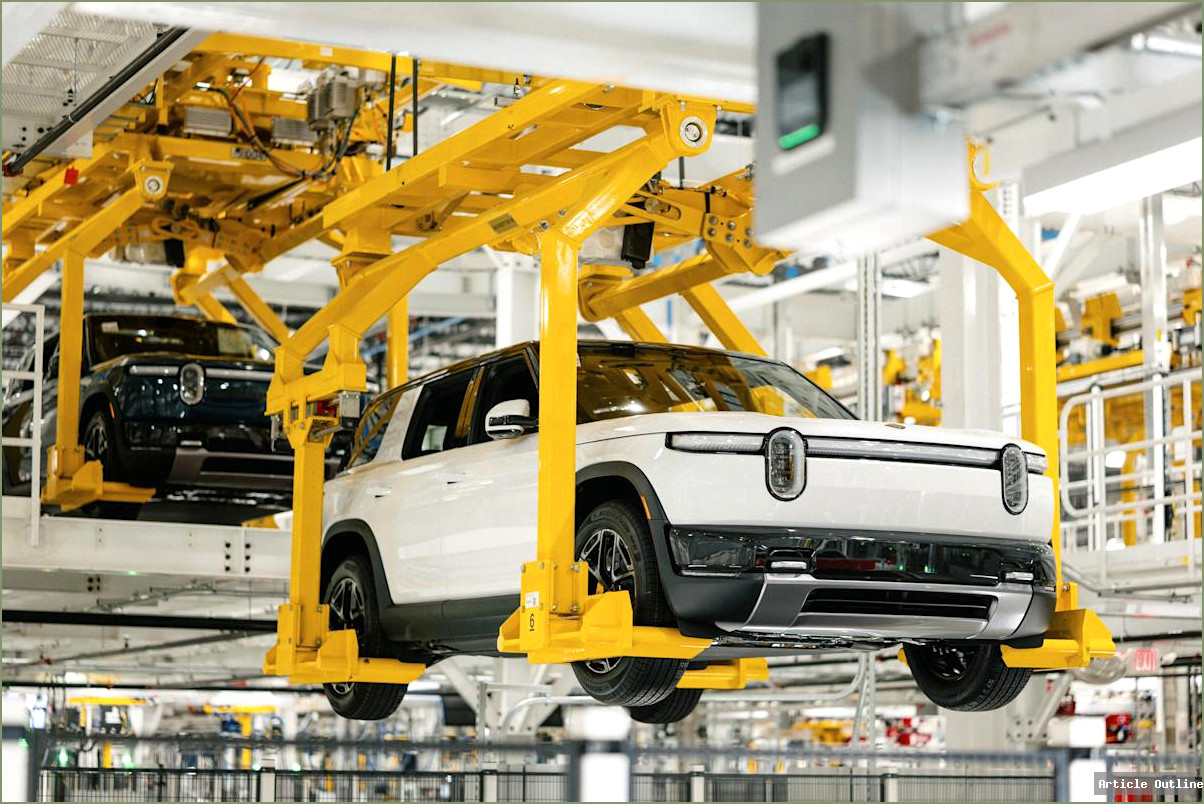
Rivian’s long-awaited R2 electric SUV has officially rolled off the production line. But before you grab your checkbook (or, more likely, your online reservation), there’s a twist: the model that made headlines for its $45,000 price tag won’t actually be available until late 2027. So, what’s really going on here—and why should you care?
Why This Matters
- Rivian’s R2 is positioned to be a direct contender to Tesla’s Model Y, targeting the lucrative mid-market EV segment that’s been waiting for more competition.
- Production starts amidst real adversity: Just days ago, Rivian’s Illinois factory suffered tornado damage, yet the company pushed ahead with the debut—sending a message of resilience to customers and investors.
- The initial Launch Edition is priced at $57,990, not the much-touted $45,000. This is a classic EV rollout playbook: premium trims first, base models later. Understanding this timeline is crucial for buyers and investors alike.
What Most People Miss
- Rivian’s strategic move: By releasing higher-margin models first, Rivian is seeking financial stability in a tough EV market. This approach is similar to what Tesla did with the Model 3 and Y—start premium, scale to affordable.
- The factory tornado story isn’t just a footnote. In an industry where production hiccups can set startups back years, Rivian’s ability to keep the R2 launch on track is a big deal. It shows operational maturity that many rivals lack.
- Charging compatibility: All R2 trims feature the NACS charge port (that’s Tesla’s standard), signaling the slow death of the CCS standard and a more unified US charging future.
Key Takeaways
- Buyers wanting the $45K R2: You’ll need to wait until late 2027. Earlier trims are significantly more expensive.
- Range and charging: Every R2 trim aims for 300+ miles per charge, with fast-charging from 10% to 80% in under 30 minutes. That’s competitive with the best in the segment.
- Market implications: The R2 is Rivian’s first real swing at mass-market volume. If it succeeds, it could push other EV makers to up their game—or risk falling behind.
Industry & Market Context
- US EV sales crossed 1.2 million in 2023, up 46% from the previous year. But growth is slowing as buyers demand better affordability and charging infrastructure.
- Rivian’s R1 models, while beloved, are priced for luxury buyers. The R2 is their shot at real scale.
- Competitors like Ford, Hyundai, and Toyota are all planning mid-priced EVs for 2025-2027—expect fierce competition in this space.
Pros and Cons Analysis
- Pros:
- Modern design and impressive specs for the segment
- Native Tesla/NACS charging support
- Company resilience in face of production setbacks
- Cons:
- Affordable base model is years away
- Initial trims are still out of reach for mainstream buyers
- Potential supply chain and production risks remain
Action Steps & Practical Implications
- If you’re considering an R2, plan ahead: expect a wait and keep an eye on when order configurations open (June 2026 for early trims).
- Watch how other carmakers respond—if Rivian’s R2 launch goes smoothly, it could accelerate the arrival of affordable EVs from rivals.
- Charging infrastructure is rapidly evolving; expect more brands to follow Rivian and Tesla in adopting the NACS port.
Rivian CEO RJ Scaringe: “We are really excited to be producing R2 for our customers.” (But for most of us, patience will be the real virtue.)
The Bottom Line
The R2 launch isn’t just about another electric SUV—it’s a litmus test for Rivian’s ability to compete in the mass market and survive EV industry growing pains. The real story? Rivian’s resilience, strategic pricing, and commitment to a unified charging standard may shape the EV landscape for years to come.